How to Fish for Sea-Run Cutthroat
There's a special kind of thrill that comes from chasing sea-run cutthroat trout in Washington's saltwater estuaries and nearshore environments. These fish are notorious for being elusive and finicky, making them a real challenge for even seasoned anglers. It's easy to feel overwhelmed trying to figure out their patterns and what gear actually works. This comprehensive guide is designed to cut through that confusion, helping you understand the unique world of sea-run cutthroat and how to consistently put them on the end of your line.
Understanding Sea-Run Cutthroat Behavior and Habitat
Sea-run cutthroat trout, often affectionately called "cuttie" by locals, are true gems of Washington's diverse waters. What makes them so fascinating, and often so frustrating, is their unique migratory pattern and their preference for a very specific type of habitat. They're not your typical lake trout, and they're certainly not salmon; they occupy a niche all their own, which means understanding their behavior is key to finding them.
Their Unique Life Cycle and Migrations
Unlike their rainbow trout cousins that spend their entire lives in freshwater, sea-run cutthroat are anadromous, meaning they migrate between freshwater and saltwater. They're born in freshwater streams, spend a year or two growing there, and then venture out into estuaries and the open marine environment of Puget Sound or the Pacific Coast. This migration is driven by food and growth opportunities. They'll spend anywhere from a few months to several years in saltwater, packing on weight and growing strong, before returning to freshwater to spawn. Sometimes, these return trips are just for a few weeks to feed in a river mouth before heading back to the salt. This constant movement makes predicting their exact location a bit of a puzzle, but also part of the adventure.
Their migratory patterns are often less predictable than salmon. While salmon have distinct, seasonal runs to their natal rivers to spawn and then die, cutthroat might return to freshwater multiple times throughout their lives to spawn, and they don't necessarily die afterward. This resilience means you can find adult fish returning to spawn year after year, which is why protecting their freshwater and saltwater habitats is so critical. Knowing that they might be in a river one day and back in a tide flat the next helps you anticipate their movements and target them more effectively.
Preferred Estuary and Nearshore Habitats
When sea-run cutthroat are in saltwater, they aren't just swimming around aimlessly. They have preferred hangouts where they feel safe and can ambush prey. Think shallow, intertidal zones like eelgrass beds, rocky points, oyster beds, and the mouths of small streams and rivers. These areas provide cover from predators and are teeming with the baitfish and invertebrates that cutthroat love to gorge on. The turbulent, food-rich waters around river mouths, especially during outgoing tides, are absolute magnets for these fish.
They often patrol the edges of these structures, looking for unsuspecting baitfish or scud. On a calm day, you might even see them "porpoising" on the surface, indicating they're actively feeding. Many experienced anglers focus on areas where freshwater creeks meet the Puget Sound, as these transition zones are highways for bait and, consequently, hungry cutthroat. Understanding these subtle habitat clues, often highlighted in resources like "Sea-Run Cutthroat in Washington's Puget Sound", can dramatically increase your chances of success.
Seasonal Patterns and Feeding Habits
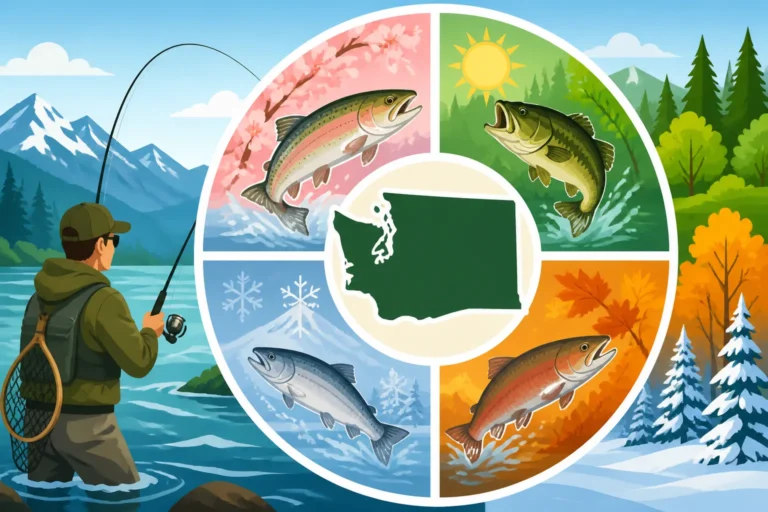
While you can technically find sea-run cutthroat year-round in Washington, their feeding habits and locations shift with the seasons. Spring and fall are often considered prime times. In spring, as waters warm, baitfish become more active, and cutthroat follow suit, often found in shallow, sun-warmed bays. In fall, as salmon return to spawn, cutthroat can often be found lurking near river mouths, picking off loose eggs or small fry, though targeting them during a salmon run requires careful attention to regulations.
During the warmer summer months, they might move to slightly deeper water or seek out areas with cooler freshwater inputs. Winter can be tougher, but they can still be caught, often by targeting areas with consistent bait presence or warmer tidewater. Their diet is incredibly varied, including small baitfish like juvenile herring, anchovies, and sand lance, as well as marine insects, sculpins, and even shrimp. This diverse diet means you need a versatile tackle box, ready to imitate whatever forage is present.
Essential Gear for Targeting Sea-Run Cutthroat
Choosing the right gear for sea-run cutthroat fishing can feel like a minefield, given the vast array of options out there. However, simplifying your setup and focusing on versatility will serve you well. These fish aren't usually huge, but they are strong, acrobatic fighters, so balancing sensitivity with enough backbone to handle a spirited tussle is key.
Rods, Reels, and Line Choices
For fly fishing, a 6-weight or 7-weight fly rod is generally considered the sweet spot. A 6-weight offers a delicate presentation but still has enough power to cast larger flies into the wind, while a 7-weight provides a bit more muscle for bigger fish or very windy conditions. Pair this with a good quality saltwater-resistant fly reel that has a smooth drag system. A weight-forward floating line is versatile for most shallow-water scenarios, but an intermediate sinking line or a sinking tip line can be invaluable for getting flies down to deeper holding lies or when fishing in current. Many anglers, myself included, often carry an extra spool with a different line type to adapt quickly.
If you prefer spin fishing, a light to medium-light spinning rod, typically 7 to 8.5 feet in length, with a fast action tip, is ideal. This length provides excellent casting distance for reaching distant rips or structure from shore. A matching spinning reel in the 2000-3000 series, spooled with 8-10 pound braided line, offers excellent sensitivity and casting performance. Attach a 6-8 pound fluorocarbon leader (around 3-4 feet long) to your braid via a double uni knot or a small swivel to make it nearly invisible to the fish and abrasion resistant. Brands like Shimano, Daiwa, and Penn offer excellent saltwater-ready reels that hold up well in the harsh marine environment.
Terminal Tackle and Lure Selection
This is where the fun really begins! Sea-run cutthroat are opportunistic feeders, so having a variety of lures and flies is crucial. For fly anglers, popular patterns include Clouser Minnows, Lefty's Deceivers, and various baitfish imitations in sizes #4 to #8. Crab and shrimp patterns can also be effective in certain estuaries. Don't forget some smaller patterns like Woolly Buggers or even dry flies for those rare occasions when they're keying in on surface insects in calm backwaters. You can find a huge selection of "Flies That Work for Sea-Run Cutthroat in Puget Sound" at specialty fly shops or on platforms like Amazon.
Spin anglers have a wide arsenal too. Small twitching jigs (1/8 to 1/4 ounce) in baitfish colors like chartreuse, white, or blue are deadly. Small spoons, such as the Kastmaster or Little Cleo, ranging from 1/8 to 1/4 ounce, are excellent for covering water and imitating fleeing baitfish. Soft plastic swimbaits, rigged on light jig heads, are also highly effective, especially for imitating sand lance. Remember to always use barbless hooks or crimp down your barbs, as many areas require it, and it makes catch and release much easier on the fish, which is especially important for "Wild Steelhead vs Hatchery Steelhead in Washington" and other native species you might encounter.
Here's a quick reference for lure and fly choices:
| Lure/Fly Type | Spin Fishing Example | Fly Fishing Example | Conditions/Target |
|---|---|---|---|
| Baitfish Imitations | Small Spoons (Kastmaster, Little Cleo), Soft Swimbaits | Clouser Minnow, Lefty's Deceiver | General searching, active feeders, clear water |
| Jigs/Flies | Twitching Jigs (Marabou, Bucktail), Soft Plastics | Woolly Bugger, Sculpzilla | Deeper water, near structure, off-color water |
| Crustacean/Insect | Small Soft Plastic Shrimp/Worm Imitations | EP Crab, Crazy Charlie, Gummy Worm patterns | Estuaries, mud flats, low tide, specific hatches |
| Surface/Poppers | Small Topwater Poppers (rare) | Gurgler, Popper (rare, but exciting when it works) | Calm mornings/evenings, active surface feeding |
Wading Gear and Other Essentials
Wading is often the most effective way to fish for sea-run cutthroat, allowing you to access prime shallow water locations that are inaccessible from shore or boat. A good pair of breathable chest waders and sturdy wading boots with felt or rubber soles are indispensable. Prioritize comfort and mobility, as you'll be covering ground. Don't forget a wading belt for safety – it helps prevent your waders from filling with water if you stumble.
Beyond waders, polarized sunglasses are absolutely critical for spotting fish, identifying structure, and seeing submerged logs or rocks. A quality net with a rubber mesh is gentle on the fish for quick release. Other essentials include nippers, forceps, a small tackle bag or vest to carry your gear, and plenty of water and snacks. Always check the "Washington Fishing Regulations Every Angler Should Know" before heading out, as regulations on gear, bait, and specific areas can change seasonally.
Effective Techniques for Catching Sea-Run Cutthroat
Successfully hooking a sea-run cutthroat requires more than just showing up with the right gear; it demands an understanding of how to present your offerings and interpret the water in front of you. These fish can be incredibly wary, especially in clear, shallow water, so a stealthy approach and precise execution are paramount.
Fly Fishing Strategies
Fly fishing for sea-run cutthroat is an art form that blends traditional trout tactics with saltwater nuances. The most common and often effective method is stripping streamers. Cast your fly out, let it sink to the desired depth (which might only be a few inches in shallow water), and then retrieve it with short, erratic strips. Vary your strip speed and pause duration until you find what the fish prefer on that particular day. Think about imitating a fleeing baitfish or a scuttling crab. Focus on areas where currents converge, around logs, or along the edges of eelgrass beds.
Nymphing can also be surprisingly effective, especially in river mouths or areas with significant current where cutthroat might be feeding on aquatic insects or small crustaceans near the bottom. Dead-drifting a small bead-head nymph under an indicator can trick a less aggressive fish. While less common, throwing dry flies can be exhilarating during insect hatches in calmer waters, or when cutthroat are actively feeding on terrestrials that have fallen into the water. This requires a much more delicate approach, but the visual strike is unforgettable.
Spin Fishing Approaches
Spin fishing offers a different kind of versatility and can be very effective for covering a lot of water quickly. The primary technique involves casting and retrieving lures that imitate baitfish. Small spoons, twitching jigs, and soft plastic swimbaits are your best friends here. Cast your lure out, let it sink, and then use a steady retrieve with occasional jerks or pauses to impart an erratic, wounded baitfish action. The key is to experiment with retrieve speeds and jigging motions. Sometimes a fast, continuous retrieve is best, while other times a slow, stop-and-go retrieve will trigger a strike.
Another effective spin fishing method, especially around structure or in deeper pockets, is jigging. Cast a small jig and let it sink to the bottom, then lift your rod tip sharply to make the jig "hop," letting it fall back on a semi-slack line. Many strikes occur on the fall. For both fly and spin fishing, remember that these fish often move in schools or pods, so if you catch one, keep fishing that area. If the bites stop, don't be afraid to move a short distance and try again.
Reading the Water and Identifying Holding Lies
This is arguably the most crucial skill for any sea-run cutthroat angler. These fish are masters of camouflage and can be incredibly difficult to spot, but their preferred habitats leave clues. Look for areas with current breaks, such as the down-current side of a log, rock, or small point. These are ambush points where fish can rest out of the main current and dart out to snatch prey. The edges of eelgrass beds are prime real estate, as are the depressions or troughs in sandy flats that hold water at low tide.
Estuary mouths where rivers or creeks meet the Puget Sound are natural magnets, especially during an outgoing tide when baitfish and nutrients are flushed out. Keep an eye out for diving birds, which often indicate baitfish activity below, and therefore, potentially hungry cutthroat. Pay attention to subtle disturbances on the surface – a sudden swirl, a splash, or even the slight movement of water around a submerged object could betray the presence of a feeding cutthroat. Even something as simple as a fallen tree creating a current break can be a prime holding lie. When fishing, think about how the fish would position themselves to conserve energy and find food.
Prime Washington Locations for Sea-Run Cutthroat
Washington State offers some truly world-class opportunities for sea-run cutthroat, from the expansive waters of Puget Sound to the rugged Pacific Coast. Knowing where to go and when can drastically improve your chances of success.
Puget Sound Beaches and River Mouths
The sheer mileage of shoreline in Puget Sound makes it a cutthroat haven. Many anglers focus on what are known as "beach fisheries," where you wade out into relatively shallow water, casting towards structure or current seams. Some of the most productive areas are found near the mouths of rivers and creeks that feed into the Sound. These include the estuaries of the Skagit, Snohomish, Nisqually, and Hood Canal tributaries, to name a few. The freshwater plume often attracts bait, and the cutthroat are never far behind.
Popular areas like Whidbey Island, Camano Island, and various points around the Kitsap Peninsula offer miles of accessible beach. Early mornings or late evenings often provide the best fishing, especially when the tide is moving. Before you go, always check the local tide charts; a strong incoming or outgoing tide can concentrate fish and bait, making them more vulnerable. You might find some of the best fishing around "Puget Sound Salmon Closures: What Washington Anglers Need to Know" because many of the same areas are shared habitat.
Coastal Estuaries and Tributaries
Beyond Puget Sound, Washington's Pacific Coast also offers incredible sea-run cutthroat fishing opportunities, particularly in its numerous estuaries. Rivers like the Humptulips, Chehalis, and Willapa Bay areas provide ideal habitat for cutthroat migrating to and from the ocean. These coastal systems often have vast tidal flats, meandering sloughs, and dense marsh grass, all of which are excellent cutthroat territory.
Fishing in these larger estuaries often involves exploring extensive mud flats and channels at various tide stages. Focus on areas where smaller feeder creeks join the main estuary, or where gravel bars create distinct current lines. Remember that coastal weather can be more extreme, so prepare for wind and rain. For those looking to explore different water types, consider checking out "The Best Places to Fish in Washington State" for a broader overview of possibilities across the region.
Best Times and Tides
Timing is everything when it comes to sea-run cutthroat. Generally, early morning and late evening often provide the best fishing, as these low-light conditions make cutthroat feel more comfortable moving into shallow water to feed. However, tide cycles are perhaps even more critical than time of day. A moving tide – either incoming or outgoing – is almost always better than a slack tide.
On an outgoing tide, as water recedes from the flats, it concentrates baitfish into channels and deeper pockets, making them an easy target for hungry cutthroat. Conversely, an incoming tide brings fresh bait and cooler water into the estuaries and onto the flats, often spurring a feeding frenzy. Many local experts swear by the hour before and after a high or low tide for peak activity. Always consult a local tide chart and plan your trip around these movements. You can learn more about how tide affects fishing in resources like "Best Tides for Puget Sound Salmon Fishing in Washington", which has significant overlap in advice for sea-run cutthroat.
Disclaimer
Fishing regulations in Washington State can change frequently, sometimes even mid-season due to emergency rule changes. It is the angler's responsibility to check the latest regulations from the Washington Department of Fish and Wildlife (WDFW) before each fishing trip. Information provided in this guide is for general informational purposes only and should not be considered a substitute for official WDFW regulations.