How to Fish for Walleye on the Columbia
Trying to figure out how to consistently catch walleye on a massive, dynamic river like the Columbia can feel like a daunting task. It's not just about dropping a line in the water; it's about understanding their habits, the river's intricate features, and choosing the right approach. This guide is here to unravel the mysteries of Columbia River walleye fishing, providing practical strategies and insights to help you land more of these fantastic fish.
Understanding Columbia River Walleye
Walleye are a prized catch across many parts of the country, and the Columbia River in Washington boasts an incredible population. But to catch them, you first need to understand them. These aren't just any fish; they're predatory, light-sensitive, and have distinct preferences that savvy anglers learn to exploit. The Columbia, with its vast stretches, numerous dams, and varying habitats, presents a unique challenge and opportunity for walleye enthusiasts.
Walleye Habits and Habitat on the Columbia
Walleye are masters of ambush, preferring structure and current breaks where they can lie in wait for unsuspecting prey. On the Columbia, this means they're often found around submerged rock piles, ledges, humps, and the edges of sharp drop-offs. Imagine a stretch of river where the main current sweeps by, but just out of that direct flow, there's a quieter eddy or a protected seam behind a piece of structure – that's prime walleye real estate. They use these spots to conserve energy while keeping an eye on the moving buffet line the river provides.
The numerous dams along the Columbia create large reservoir-like sections upstream, and fast-moving tailraces downstream. Walleye will utilize both. In the slower, deeper reservoirs, they might relate more to deep points, submerged timber, or old river channels. Downstream of dams, they'll congregate in turbulent areas, especially in deeper holes or current breaks where forage fish are stunned or disoriented. Light sensitivity is another critical factor; walleye have excellent low-light vision, which is why they're often most active during dawn, dusk, and even into the night. They'll also seek out deeper, darker water during bright daylight hours.
Seasonal Movements of Walleye
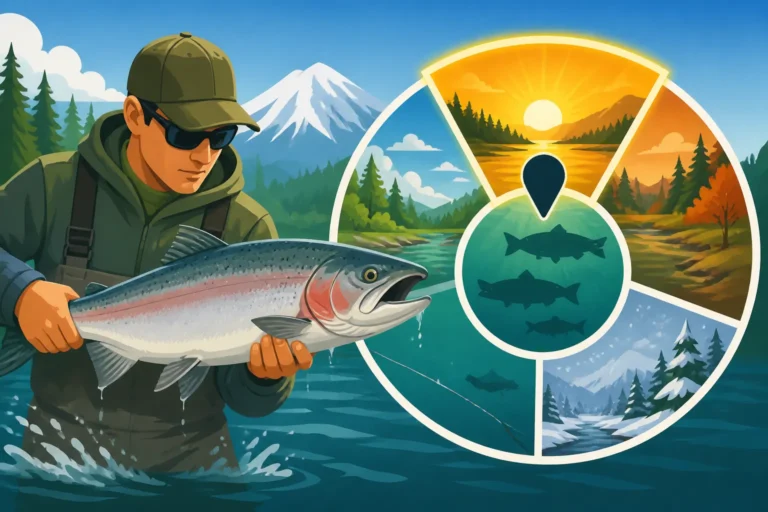
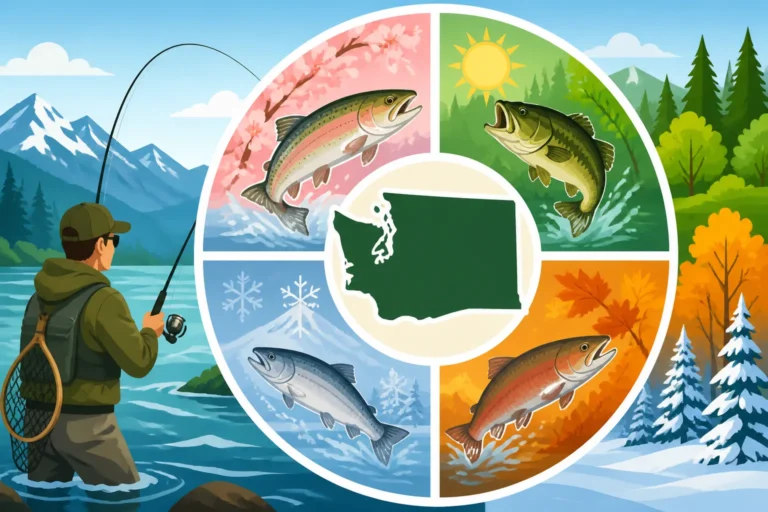
Just like us, walleye's behavior changes with the seasons, driven primarily by water temperature and spawning instincts. Understanding these shifts is paramount to success.
- Spring (Pre-spawn and Spawn): As water temperatures climb into the 40s and 50s (Fahrenheit), walleye begin to move towards their spawning grounds. They look for rocky areas with good current or gravel flats in shallower depths. This pre-spawn period, often late March through April, can be fantastic as fish are concentrated and actively feeding to build energy for the spawn. Once spawning begins, typically when water hits the mid-40s to low 50s, fishing can slow down temporarily as their focus shifts.
- Summer (Post-spawn and Feeding Frenzy): After the spawn, often by late May and into June, walleye move to deeper, cooler water. They'll be found near main channel drop-offs, humps, and ledges. This is often when they enter a serious feeding mode to recover, and you can find large schools of active fish. Look for depths of 15-40 feet, depending on the section of the river and the time of day.
- Fall (Fattening Up): As water temperatures begin to cool in September and October, walleye will often become incredibly active again, feeding heavily to pack on weight for the upcoming winter. They'll still relate to deep structure but might move shallower during overcast days or low-light conditions. This can be one of the best times of year to catch trophy-sized fish on the Columbia.
- Winter (Deep and Slow): In the coldest months, walleye retreat to the deepest available holes, often in large schools. Their metabolism slows down, and they become less active. Fishing during winter often requires precise presentations and slower retrieves, but catching a big winter walleye is a rewarding experience. Knowing Best Time of Year for Washington's Columbia Walleye can really help in planning your trips.
Essential Gear and Tackle for Columbia Walleye
Having the right tools for the job makes all the difference, especially when you're targeting fish like walleye in a dynamic environment like the Columbia River. You need gear that can handle strong currents, potentially heavy weights, and the powerful bite of a good-sized walleye.
Rods, Reels, and Line
For general walleye fishing on the Columbia, a versatile rod is key. A medium-heavy power spinning or baitcasting rod, typically 6'6" to 7'6" in length, with a fast action tip, will cover most techniques. The fast action allows you to feel subtle bites and set the hook quickly, while the medium-heavy power gives you the backbone to fight a strong fish in current and handle heavier weights if needed. A popular choice for many anglers is a 7' medium-heavy rod.
Pair your rod with a reliable spinning reel in the 2500-4000 series size or a baitcasting reel that offers smooth drag and good line capacity. On the line front, many anglers opt for braided line, especially for jigging and bottom bouncing, because of its minimal stretch and incredible sensitivity. A 10-20 lb braided main line is common. To this, you'll want to add a 10-20 foot leader of 8-15 lb fluorocarbon. Fluorocarbon is nearly invisible underwater and offers excellent abrasion resistance against the Columbia's rocky bottom. This setup allows for superior feel and hook sets.
Lures and Baits of Choice
Walleye are opportunistic feeders, so a variety of lures and baits can be effective depending on the season and conditions.
- Jigs: Jigs are arguably one of the most versatile walleye lures. Lead-head jigs ranging from 1/4 ounce to 1 ounce (or even heavier in strong current) can be tipped with a variety of soft plastics like grubs, paddle tails, or creature baits. Live bait, like a minnow or a nightcrawler, is also incredibly effective on a jig. Colors like chartreuse, white, orange, and natural baitfish patterns are consistent producers. You can find a vast selection of jig heads and soft plastics on platforms like Amazon.
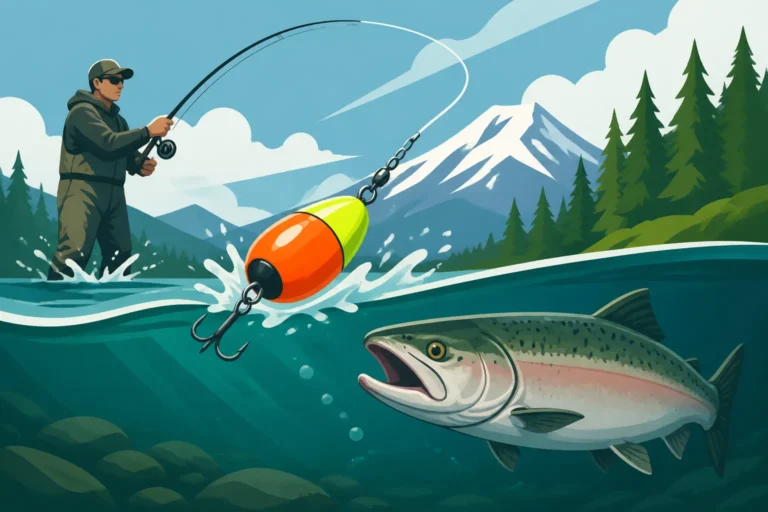
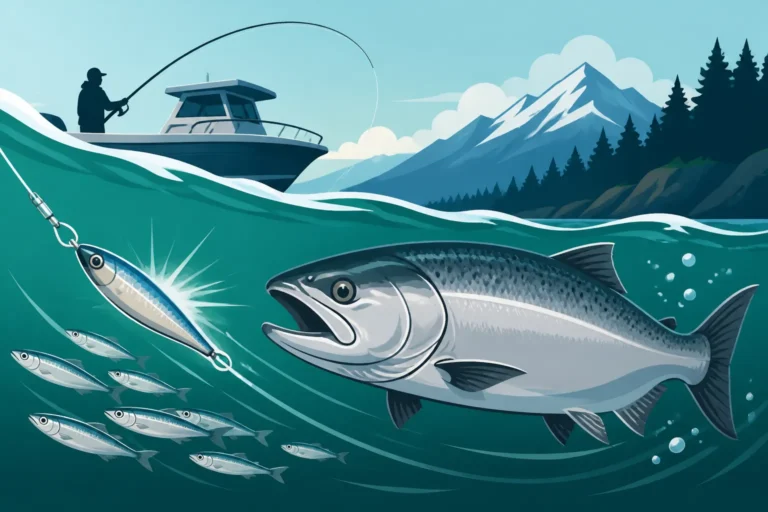
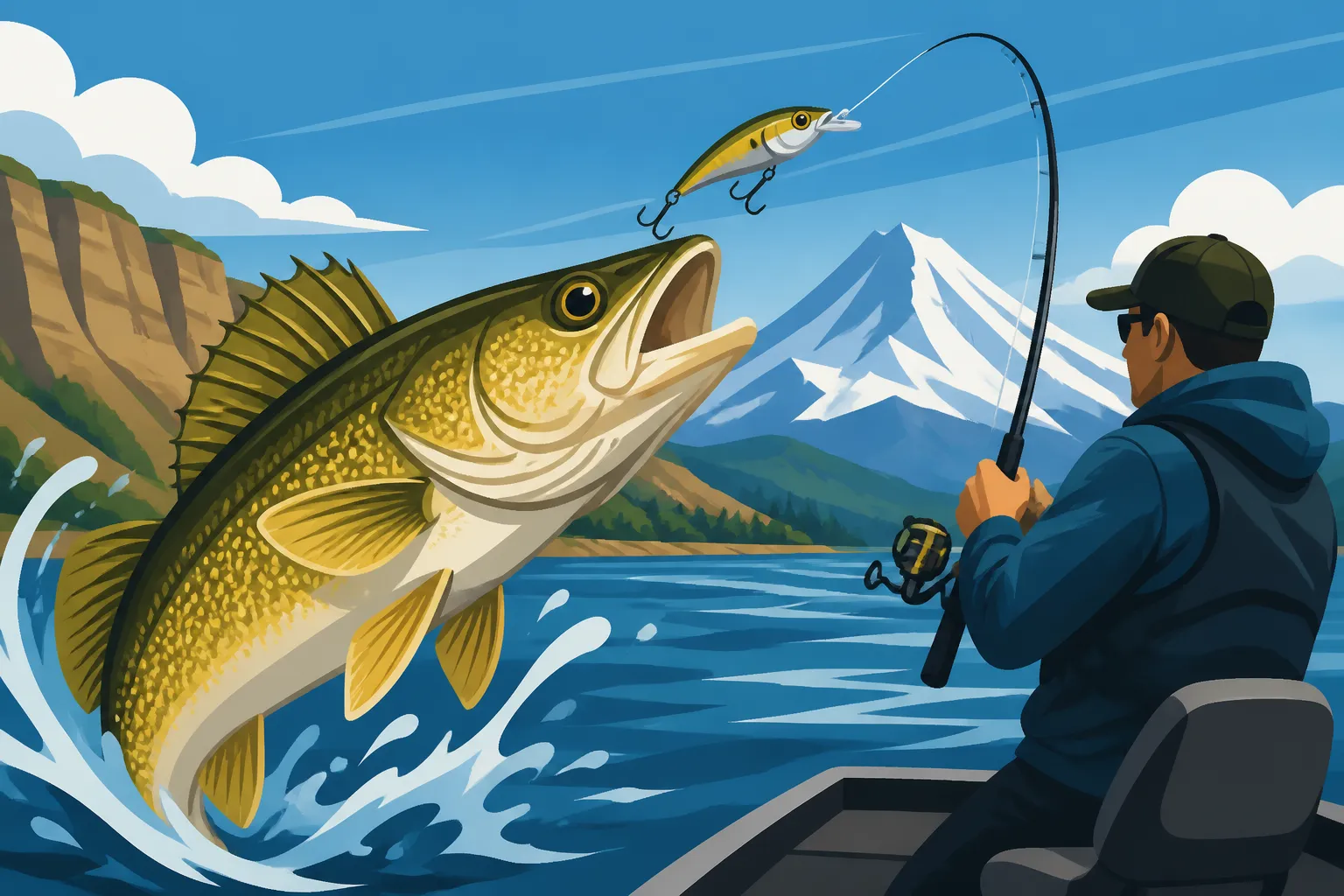
- Crankbaits: Trolling crankbaits is a highly productive method, especially in the larger, reservoir-like sections of the Columbia. Diving crankbaits mimic baitfish and can be chosen to reach specific depths. Brands like Rapala, Berkley (specifically Flicker Shads), and Koppers LiveTarget offer excellent walleye-specific crankbaits. Experiment with colors, but metallic finishes, natural baitfish patterns, and bright colors for stained water are good starting points.
- Bottom Bouncers: These specialized weights are designed to keep your lure or bait near the bottom without constantly snagging. They are often used in conjunction with a snelled hook tipped with a live worm, minnow, or a spinner rig. Bottom bouncers are a staple for anglers How to Fish for Walleye on the Columbia and vary in weight from 1/2 ounce to 3 ounces, depending on current and depth.
- Live Bait: While artificials are popular, never underestimate the power of live bait. Nightcrawlers, minnows, and leeches (where legal and available) are all highly effective. Fishing them on a slip-sinker rig or tipped on a jig can be deadly. Always check local regulations regarding live bait use. When considering Washington Bait Bans and When They Apply, it's wise to stay informed.
Top Techniques for Catching Columbia Walleye
Now that you've got your gear sorted, let's talk about putting it to good use. Fishing for walleye on the Columbia isn't a one-size-fits-all endeavor. The vastness of the river and varying conditions mean you'll need a few tricks up your sleeve.
Jigging and Vertical Presentation
Jigging is a classic walleye technique that excels when fish are concentrated on specific structures or in deeper holes, particularly in areas with good current. The key is to get your jig to the bottom, feel for the retrieve, and impart action.
- Vertical Jigging: This method is best when you're directly over a school of fish or a piece of structure. Drop your jig straight down to the bottom, then lift it a few inches to a foot, letting it fall back down on a semi-slack line. The bite often comes on the fall. Keep your rod tip slightly elevated and watch your line for any twitch or hesitation – that's often a bite. This is especially effective in the current seams and eddies downstream of the Columbia's dams.
- Pitching and Drifting Jigs: If you're not directly over fish, you can pitch a jig ahead of your drift and let the current carry it down. Maintain tension as it sinks, feeling for the bottom and for bites. When drift fishing, allow your boat to move slowly with the current, presenting your jig or bottom bouncer as naturally as possible. This covers more water and can be productive when walleye are spread out along a break line or flat.
Trolling with Bottom Bouncers and Crankbaits
Trolling is a fantastic way to cover large expanses of the Columbia and find active walleye, especially in the broader reservoir sections.
- Bottom Bouncer Trolling: This technique involves slowly trolling a bottom bouncer rig, which keeps your bait or lure (often a snelled hook with a worm or a spinner rig) just off the riverbed. The bottom bouncer drags along the bottom, creating a disturbance and ensuring your bait is in the walleye's strike zone. Speed is crucial here – typically 0.8 to 1.5 mph, just fast enough to get spinners turning. You'll need to match the weight of your bottom bouncer to the depth and current; if it's not periodically ticking the bottom, it's too light.
- Crankbait Trolling: For targeting suspended fish or covering different depth ranges, trolling crankbaits is highly effective. Use crankbaits that dive to the depth you're targeting. Many anglers use planer boards to spread out their lines, covering a wider swath of water and avoiding spooking fish directly under the boat. Vary your trolling speed (often 1.5 to 3.0 mph) and experiment with different crankbait colors until you find what the walleye are keying in on. Pay close attention to your fish finder to identify bait schools and target depths.
Slip Sinker Rigging for Live Bait
When walleye are finicky or lethargic, live bait can be the ultimate convincer. A slip-sinker rig is a simple yet incredibly effective way to present live bait naturally.
- The Setup: Thread a slip sinker (1/2 to 1 ounce, or more for heavy current) onto your main line, followed by a small bead to protect your knot. Then tie on a swivel, and finally, a 1-3 foot leader of fluorocarbon with a single hook (size 2 to 6, depending on your bait).
- Presentation: This rig allows your live bait (a minnow, nightcrawler, or even a leech) to swim freely and naturally. Cast it out and let it settle to the bottom. The slip sinker keeps your bait in place while allowing a fish to take the bait without feeling the weight of the sinker immediately. This is particularly effective when fishing from shore or anchored in a boat over a promising piece of structure. Give the fish time to eat before setting the hook – often, a subtle tap will turn into a steady pull as the walleye moves off with the bait. You can buy quality slip sinkers and swivels from an online retailer like Amazon to stock your tackle box.
Navigating the Columbia for Walleye Success
The Columbia River is immense, and simply showing up with gear won't guarantee success. Knowing where to focus your efforts and how to interpret the river's conditions are crucial skills for consistent walleye catches.
Key Locations and Structures to Target
The Columbia River's geology and man-made structures create diverse habitats that walleye love. Focusing on these high-percentage areas will significantly improve your odds.
- Dam Tailraces and Below Dams: These are absolute magnets for walleye. The churning water below the dams creates current breaks, eddies, and oxygenated water that attracts baitfish. Walleye will congregate in the deeper holes and current seams, picking off disoriented forage. Focus on areas where the fast current meets slower water. Keep in mind that fishing close to dams often has specific regulations, so always check Washington Fishing Regulations Every Angler Should Know and Where to Find Current Washington Fishing Rules before heading out.
- Submerged Islands, Humps, and Points: In the slower, reservoir-like sections of the Columbia, especially stretches like Lake Wallula or Lake Roosevelt, look for underwater islands, humps, and points that rise off the main channel bottom. These areas act as highways and feeding grounds for walleye, providing ambush points and attracting baitfish. Use your electronics to find these subtle elevation changes.
- Current Seams and Eddies: Anywhere you find a significant change in current speed, you'll likely find walleye. This could be behind a large rock, a bridge pilings, or where a tributary feeds into the main river. The seam where fast water meets slow water is a prime feeding lane.
- River Bends and Deep Holes: The outside bends of the river often feature deeper water and scour holes. Walleye will use these deeper areas as holding patterns, especially during bright daylight hours or colder temperatures.
Reading the River and Water Conditions
The Columbia River is a living, breathing system, and its conditions are constantly changing. Learning to "read the river" is an invaluable skill.
- Current: Walleye prefer current, but not direct, overpowering current. They'll be just out of the main flow, in a seam or eddy, where they can ambush prey without expending too much energy. Adjust your weight and presentation to effectively fish these current breaks. Too much weight, and you're snagging; too little, and you're not getting to the fish.
- Water Clarity: Walleye are light-sensitive, so their behavior is influenced by water clarity. In clear water, they might be deeper or more active during low light. In stained or turbid water, they might move shallower or be active throughout the day. Brighter, more aggressive lure colors often work well in stained water, while natural patterns are better for clear conditions.
- Water Temperature: As discussed in the seasonal movements, water temperature is a primary driver of walleye behavior. Knowing the ideal temperature ranges for spawning, feeding, and holding will help you predict where the fish will be and what they'll be doing. A good fish finder with a temperature gauge is a vital piece of equipment for Walleye Fishing on Washington's Columbia River.
Understanding these factors and adapting your approach will make you a much more effective walleye angler on the Columbia.
| Technique | Best Conditions | Target Depths | Recommended Lure/Bait | Notes |
|---|---|---|---|---|
| Vertical Jigging | Over concentrated fish schools, current breaks, deep holes | 15-40+ feet | Jigs (1/4 – 1 oz) with soft plastic or live minnow | Excellent for precise presentations, subtle bites. |
| Bottom Bouncer Trolling | Covering wide areas, following contours, finding active fish | Along bottom, 10-50 feet | Spinner rigs with worms, crankbaits, snelled minnows | Ideal for finding scattered fish. Match bouncer weight to current. |
| Crankbait Trolling | Searching for suspended fish, covering large flats, active fish | Varies by crankbait dive depth | Diving crankbaits (Rapala, Berkley Flicker Shad) | Good for covering water quickly. Use planer boards to spread lines. |
| Slip Sinker Rigging | Finicky fish, anchored fishing, live bait presentation | On bottom, 5-40 feet | Live minnows, nightcrawlers, leeches | Allows natural bait presentation. Wait for steady pull before hookset. |
Disclaimer
This article is for general informational purposes only and does not constitute professional advice. Laws, prices and regulations vary by location and change over time. Consult a qualified professional for guidance on your specific situation.