Is Sturgeon Fishing Catch-and-Release Only in Washington?
It's a common dream for many anglers: battling a truly enormous fish, something that stretches your arms and your tackle to their limits. For those of us fishing in Washington, the mighty White Sturgeon often tops that list. But if you're picturing taking one of these ancient giants home for the grill, you might be in for a surprise. The rules around sturgeon fishing in Washington are notoriously strict, and often confusing for those new to the game. This guide will clarify the current regulations, explain why these conservation efforts are so critical, and offer practical advice for responsible sturgeon angling.
The Current Reality: Sturgeon Fishing is Primarily Catch-and-Release in Washington
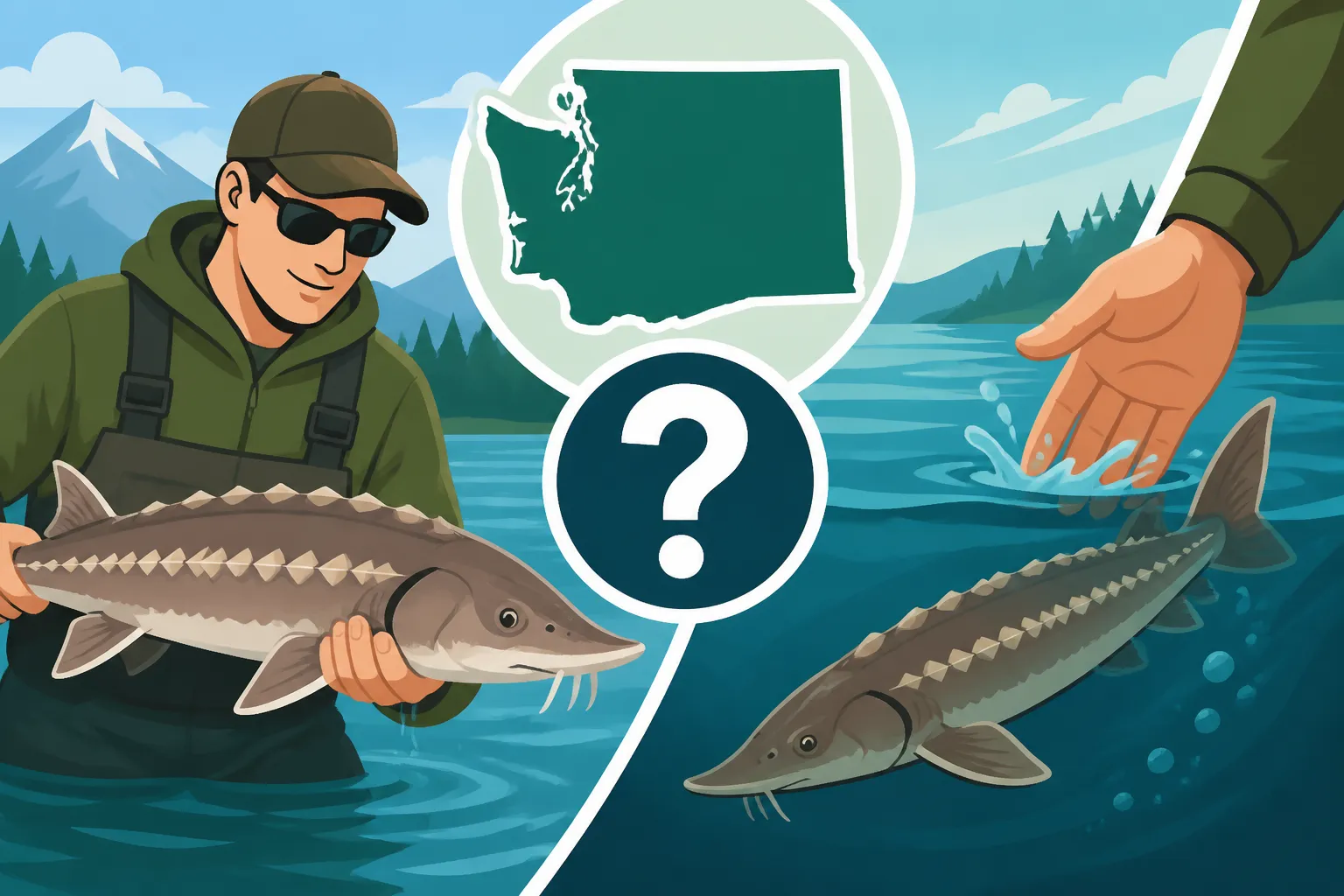
Let's cut right to the chase: for the vast majority of White Sturgeon fishing opportunities in Washington state, especially on the Columbia River and its tributaries, retention (keeping your catch) is simply not allowed. The short answer to "Is sturgeon fishing catch-and-release only in Washington?" is usually a resounding yes.
This often comes as a shock to anglers who might be used to keeping other species. You might spend hours battling a magnificent six-foot sturgeon, getting it to the boat or shore, and then realize your only option is to carefully release it back into the water. It’s an incredibly humbling experience, but it’s crucial for the survival of these incredible fish. While there might be very rare, highly regulated, and short-notice opportunities for retention in specific areas or during unique population conditions, these are exceptions, not the rule. Most anglers targeting White Sturgeon in Washington should go into it with a 100% catch-and-release mindset.
It's vital to remember that "open for fishing" does not automatically mean "open for retention." Many rivers or marine areas might be open year-round for sport fishing, but specific species, like White Sturgeon, will have catch-and-release mandates. Always, always check the latest regulations before heading out. You can find comprehensive details in the official "Washington Fishing Regulations Every Angler Should Know".
Columbia River White Sturgeon Restrictions
The Columbia River is arguably the most famous sturgeon fishery in Washington, and it's where the most significant conservation efforts are focused. Historically, anglers could retain White Sturgeon within specific slot limits. However, due to severe population declines over decades, these opportunities have become exceedingly rare.
Today, for most of the mainstem Columbia River within Washington state waters, especially below Bonneville Dam, White Sturgeon fishing is strictly catch-and-release. This means you can fish for them, you can catch them, but you must immediately release them unharmed. There are sometimes exceptions for the smaller, "keeper-sized" sturgeon in very limited areas like the Lower Columbia estuary or certain reservoirs above dams, but these are often subject to emergency rule changes and are very short-lived.
Even when retention was occasionally allowed, it typically involved a very narrow "Slot Limit for Columbia River Sturgeon", meaning only fish within a specific size range could be kept, and anything larger or smaller had to be released. This was a strategy to protect both juvenile fish and the large, mature breeding adults that are so vital to the population. While these slot limits are largely theoretical for White Sturgeon retention right now, understanding the concept is still important for appreciating past and potential future regulations.
Other Washington Waters and Green Sturgeon
While the Columbia gets most of the attention, White Sturgeon can also be found in some Puget Sound tributaries and other river systems. The regulations for these areas typically mirror the Columbia's strict catch-and-release rules.
Then there's the Green Sturgeon, a distinct species found primarily in marine waters and lower river reaches. These magnificent fish are listed under the Endangered Species Act and are strictly protected in Washington. It is illegal to fish for them or retain them. If you accidentally catch a Green Sturgeon (which are generally rarer than White Sturgeon and have distinct scute patterns and coloration), you must release it immediately and unharmed. Proper identification is key, though most recreational anglers targeting sturgeon in Washington are primarily encountering White Sturgeon.
Why the Strict Conservation Measures? Understanding Sturgeon Ecology
The stringent catch-and-release rules for sturgeon aren't arbitrary; they are the result of deep concern over the health of these ancient fish populations. Sturgeon are a unique and incredibly vulnerable species, and understanding their biology helps explain why conservation is so critical.
Imagine a fish that can live for over 100 years, grow to lengths of 10 to 20 feet, and weigh over a thousand pounds. Now imagine that same fish doesn't even reach sexual maturity until it's 10-20 years old, and then only spawns every 2-11 years. That's the White Sturgeon. They are one of the longest-lived, slowest-maturing, and least-fecund freshwater fish species in North America. This slow life history means they are extremely susceptible to overfishing and environmental changes. A single year of high harvest or poor spawning conditions can take decades for the population to recover from, if at all.
Historical Impacts and Dam Construction
Sturgeon populations in the Columbia River have faced immense challenges over the last century. Commercial fisheries in the late 19th and early 20th centuries harvested massive numbers of these fish for their meat and caviar, severely depleting stocks. Then came the era of dam construction. While beneficial for power generation and flood control, dams like Bonneville, The Dalles, and McNary fragmented sturgeon habitat, blocked their spawning migrations, and altered natural river flows and sediment transport, all of which are critical for successful reproduction.
The impact of these dams cannot be overstated. They effectively turned long stretches of free-flowing river into a series of reservoirs, changing everything from water temperature to food availability. Many sub-populations of "White Sturgeon on Washington's Columbia River" became isolated, unable to mix and maintain genetic diversity, further weakening their resilience.
Protecting the Future of the Species
Today's catch-and-release regulations are a direct response to these historical and ongoing pressures. By prohibiting retention, wildlife managers aim to:
- Protect Spawning Stock: The large, mature female sturgeon are the most critical for population recovery. Allowing these giants to live out their long lives and continue spawning is paramount.
- Reduce Mortality: Even catch-and-release fishing can cause some mortality, but it's significantly lower than retention fishing. Minimizing any additional pressure on fragile populations is key.
- Allow for Natural Fluctuations: Sturgeon populations naturally fluctuate with environmental conditions. Catch-and-release gives the populations the best chance to recover and stabilize over time without the added stress of harvest.
When you successfully land and release a sturgeon, you're not just participating in a fun sport; you're actively contributing to the conservation of a truly magnificent and ancient species. It makes the experience even more meaningful, knowing you're part of protecting these fish for future generations.
Ethical Catch-and-Release Practices for Sturgeon
Since sturgeon fishing in Washington is predominantly catch-and-release, doing it right is absolutely essential. The goal isn't just to unhook the fish, but to ensure it swims away strong and has the best possible chance of survival. Improper handling can cause delayed mortality, so ethical practices are paramount.
Gear Selection for Sturgeon
The first step to responsible catch-and-release is using appropriate gear. You might be tempted to go light for a bigger fight, but with sturgeon, that's a recipe for disaster. Prolonged fights exhaust these fish to the point where they may not recover.
- Heavy Rods and Reels: Use stout rods rated for heavy line (e.g., 50-80 lb class) and large, strong reels with a smooth drag system.
- Strong Line: Braided line in the 80-120 lb test range is common for mainline, often with a monofilament or fluorocarbon leader of similar strength. You can find robust options for these on Amazon to ensure you're well-equipped.
- Large, Strong Hooks: Use circle hooks with a gap wide enough to fit over the sturgeon's thick jaw. Circle hooks are crucial because they significantly reduce gut hooking, nearly always setting in the corner of the fish's mouth. This is a non-negotiable for sturgeon. You can purchase specific heavy-duty circle hooks from Amazon before your trip.
- Heavy Weights: You'll likely need substantial weights (8-20 ounces or more, depending on current) to hold your bait on the bottom in strong currents, especially on the Columbia.
Landing and Handling Sturgeon
Once you've hooked a sturgeon, the fight is on, but the clock starts ticking for its well-being.
- Minimize Fight Time: Apply constant, heavy pressure to land the fish as quickly as possible without breaking your gear.
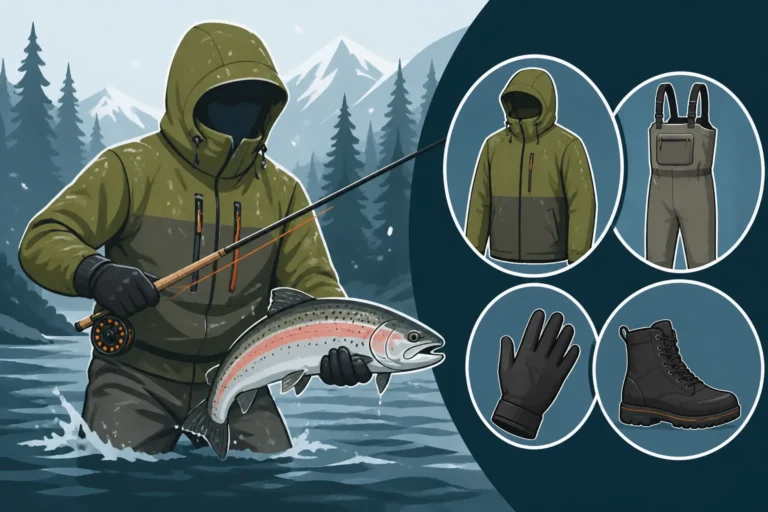
- Use Proper Landing Tools: For smaller sturgeon, a large, knotless net can work. For larger fish, a sturdy landing cradle or sling is ideal to support their entire body, especially if you plan to get them out of the water briefly for a photo. Avoid gaffs or lip grippers that could damage their mouth or internal organs. Many anglers also wear heavy-duty fishing gloves, which are readily available on Amazon, to protect their hands from the rough scutes and sharp fins.
- Keep the Fish in the Water: This is the golden rule. Sturgeon are heavy-bodied fish. Their internal organs are not designed to support their weight out of water. Lifting them horizontally by the tail or head can cause severe internal damage. If you must bring them to shore for a quick picture, keep them in very shallow water, supporting their belly, and return them immediately. For large sturgeon, it's best to keep them entirely in the water, only lifting the head for hook removal.
- Support the Whole Body: If you do need to lift a smaller sturgeon, always support its entire body horizontally with two hands or a sling. Never hold them vertically by the tail or gills.
- Revival: After unhooking, if the fish seems lethargic, hold it upright in the current, facing upstream, until it regains its strength and can swim away on its own.
Hook Removal and Release
Careful hook removal is paramount.
- Barbless Hooks (Recommended): While not always explicitly required for sturgeon, using barbless hooks or pinching down the barbs on your circle hooks makes removal much easier and less damaging.
- Long-Nose Pliers or Dehooker: Have a sturdy pair of long-nose pliers or a dehooking tool ready to quickly and cleanly remove the hook.
- Cut the Line (If Necessary): If the hook is deeply embedded and you cannot remove it without causing further trauma, cut the line as close to the hook as possible. Circle hooks, being made of non-corrosive metal, will eventually rust out or be shed by the fish.
- Gentle Release: Release the fish gently back into the water, ensuring it's upright and responsive before letting it go. Watch it swim away to ensure it's strong.
Adhering to these practices ensures that the encounter is as low-impact as possible for the fish, aligning with the spirit of the catch-and-release regulations and contributing to conservation. You can find more specific advice for targeting these giants in "How to Target Sturgeon on the Columbia".
What Anglers Need to Know Before Hitting the Water
Before you even think about dropping a line for sturgeon in Washington, there are a few critical steps you absolutely must take. Fishing for sturgeon, even catch-and-release, requires diligence and preparation.
Always Check the Latest Regulations
This cannot be stressed enough. Washington's fishing regulations, especially for sensitive species like sturgeon, can change frequently. Emergency rule changes, often announced by the Washington Department of Fish and Wildlife (WDFW), can open or close fisheries, modify limits, or change gear restrictions with little notice. Always check the WDFW website for the most current information before every trip. This is part of "What to Check Before Every Washington Fishing Trip".
Key Regulation Points to Verify:
- Is the area open for sturgeon fishing at all? Even catch-and-release seasons have specific dates.
- Are there any gear restrictions? For example, bait bans or specific hook requirements.
- Are there any special reporting requirements? While White Sturgeon often don't require a "The Washington Catch Record Card and What It Requires" because they're catch-and-release, it's always good to be aware.
- Are there any size restrictions for any sturgeon, even if released? Sometimes larger fish might be off-limits even for C&R to protect breeding stock.
Required Licenses and Endorsements
Even for catch-and-release fishing, you absolutely need a valid Washington fishing license. If you're fishing in the Columbia River system, you will also likely need the Columbia River Salmon and Steelhead Endorsement, even if you are specifically targeting sturgeon and not salmon or steelhead, as it applies to most anadromous species and their habitat. It's an important consideration for "Fishing the Columbia River in Washington: A Complete Overview". Ensure you understand your specific license requirements, whether you're a resident or non-resident, and if you need any additional endorsements.
Bait and Attractants
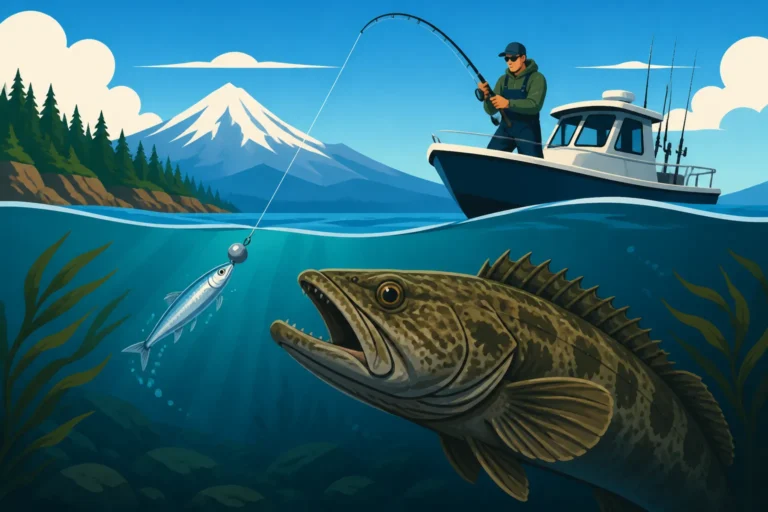
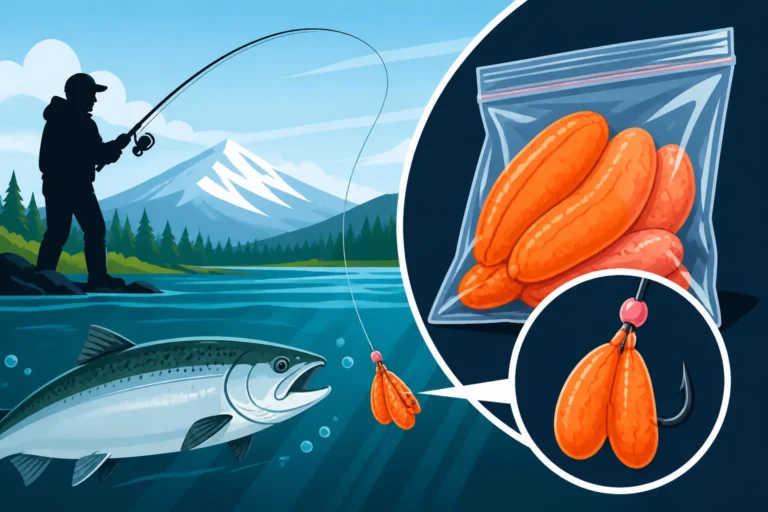
Sturgeon are primarily bottom feeders, and their sense of smell is incredibly developed. Common baits include cured salmon roe, squid, smelt, sand shrimp, and lamprey. However, always check if there are any bait restrictions for the specific river or area you are fishing. For example, in some areas, the use of live bait might be prohibited, or certain types of bait might be banned to prevent the introduction of diseases or invasive species.
The Enjoyment of the Fight
Even without the option to retain, the experience of catching a sturgeon is unparalleled. These fish are powerful, ancient, and provide an unforgettable fight. Many anglers find immense satisfaction in the challenge of hooking and landing such a majestic creature, knowing they've contributed to its continued survival. It's a true test of skill and patience. If you're looking for books on sturgeon fishing techniques or conservation, many excellent titles can be found on Amazon that delve deeper into their fascinating world.
Remember, violating fishing regulations, even unintentionally, can lead to significant "Fines and Penalties for Common Fishing Violations" and potentially the loss of your fishing privileges. It's always better to be over-informed than under-informed.
Here's a quick summary of key points for sturgeon fishing in Washington:
| Aspect | White Sturgeon (Columbia River, generally) | Green Sturgeon (Marine/Lower Rivers) |
|---|---|---|
| Retention Allowed? | Generally NO (strictly catch-and-release) | Absolutely NOT (federally protected) |
| Targeting Allowed? | YES (with proper license/endorsements) | NO (illegal to target) |
| Primary Focus | Conservation, population recovery | Species protection, critical status |
| Key Gear | Heavy rods, reels, strong line, circle hooks | Not applicable |
| Handling | Ethical C&R, keep in water, quick release | Immediate, gentle release if caught |
| Regulations | Check WDFW frequently for emergency rules | Avoid, release immediately |
Disclaimer
This article is for general informational purposes only and does not constitute professional advice. Laws, prices and regulations vary by location and change over time. Consult a qualified professional for guidance on your specific situation.