Does Weather Affect Washington Salmon Fishing?
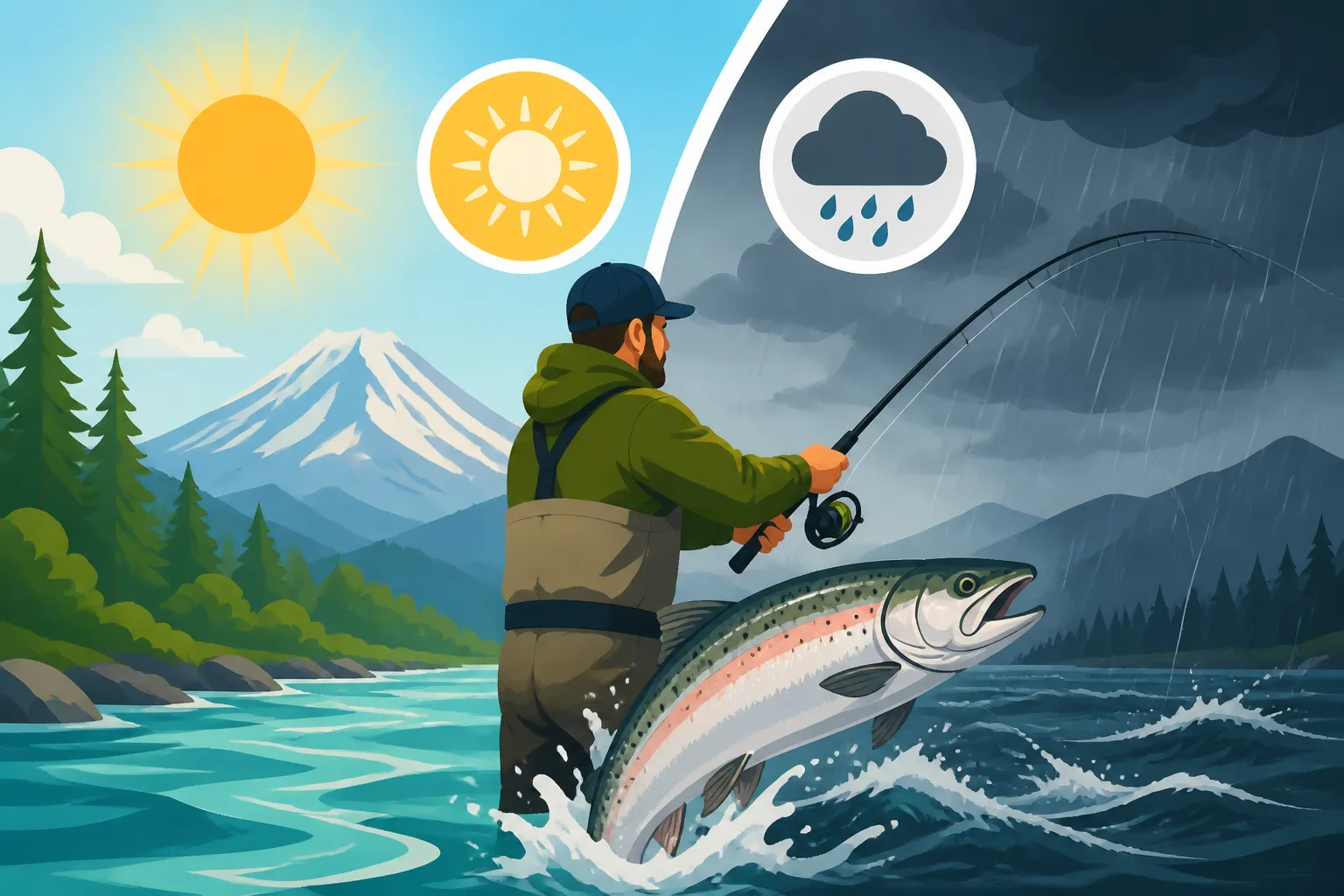
We've all been there: you've planned your Washington salmon fishing trip for weeks, meticulously checked your gear, maybe even convinced yourself this is the weekend for that trophy Chinook. Then you wake up to an unexpected downpour, howling winds, or a glaringly bright sky that wasn't in the forecast. It’s incredibly frustrating to wonder if the weather has just torpedoed your chances before you even cast a line. The truth is, weather absolutely plays a huge role in salmon fishing, and understanding how different conditions impact these incredible fish can make or break your day on the water. This guide will dive deep into how various weather patterns affect salmon behavior and, most importantly, how you can adjust your strategy to still find success.
The Basics of How Weather Influences Salmon Behavior
Salmon, much like us, respond to their environment. But unlike us, they don't have rain jackets or sunglasses! Their entire existence is dictated by the water around them and the atmospheric conditions above. Paying attention to these foundational elements can give you a significant edge, turning a potentially dismal day into a memorable one. It’s not just about comfort for us; it’s about what drives the fish to bite.
Water Temperature Shifts and Salmon Metabolism
Salmon are cold-blooded creatures, which means their body temperature is the same as the water they swim in. This fundamental biological fact profoundly influences their activity levels and, consequently, their willingness to bite. When water temperatures are ideal, usually in the mid-40s to low 50s Fahrenheit for most Pacific salmon species, their metabolism is humming along. They're actively feeding, migrating, and generally more aggressive.
However, extremes in water temperature can quickly shut down a bite. If the water gets too warm, especially in summer, it can significantly stress salmon. Warmer water holds less dissolved oxygen, which makes the fish lethargic and less inclined to chase a lure or bait. You might find them seeking out deeper, cooler thermal refuges, or just generally becoming less active. Conversely, a sudden cold snap, perhaps from an unexpected cold front or heavy snowmelt, can also slow their metabolism. They become sluggish, conserving energy, and you'll often notice a corresponding dip in fishing success. Knowing the optimal range for the specific salmon species you're targeting can help you anticipate their mood.
Barometric Pressure Changes and Fish Activity
The "barometer" is a term often tossed around by anglers, and for good reason. Barometric pressure—the weight of the air above the water—has a direct impact on a fish's swim bladder, which is an internal gas-filled organ that helps them maintain buoyancy. Think of it like a diving bell for fish. When the atmospheric pressure changes, so does the pressure on their swim bladder, and this can make them uncomfortable or alter their preferred depth.
Generally, high, stable barometric pressure is considered a good fishing condition. The fish are often more comfortable, actively feeding, and might be found closer to the surface or in shallower water. This is often associated with clear skies and calm weather. However, when the barometer starts to fall rapidly, indicating an approaching storm or significant weather change, fish often become agitated. They might dive deeper to equalize pressure, become less active, or simply go off the bite entirely. Once the storm passes and the pressure stabilizes again, often at a lower reading, fishing can sometimes pick up, but that pre-storm drop is usually a tough period. Keeping an eye on a good weather app that shows barometric pressure trends can genuinely help you understand what the fish are experiencing.
Wind, Waves, and Water Clarity
Wind isn't just a nuisance for anglers; it's a major factor for salmon. A light to moderate chop on the water, often caused by a gentle breeze, can actually be a blessing. It breaks up the surface, making it harder for salmon to see boats or anglers on the bank, effectively creating a natural camouflage. This can make them less spooky and more willing to chase. It also oxygenates the water, which can be beneficial.
However, too much wind quickly becomes a problem. Heavy winds create large waves that make boat control difficult, casting a nightmare, and can even make fishing dangerous. On rivers, strong winds can make it hard to drift effectively or present your lure naturally. Furthermore, heavy winds can stir up sediment in lakes or nearshore saltwater, drastically reducing water clarity. While a little turbidity might hide your line, extremely muddy water can disorient salmon and make it difficult for them to see or track your offerings. On the flip side, extremely calm, clear water (often on bright, sunny days) can make salmon incredibly wary, leading them to hold deeper or in areas with more cover. You might find that How Water Clarity Affects Steelhead Fishing also applies quite a bit to salmon in similar river environments.
Specific Weather Scenarios and Their Impact on Salmon Fishing
Understanding the general principles is great, but how do these play out in real-world fishing scenarios? Washington offers an incredible diversity of salmon fishing environments, from vast Puget Sound waters to swift coastal rivers, and each presents unique challenges and opportunities depending on the weather. Let's break down some common conditions you'll encounter.
Rainy Days and River Fishing
For many river anglers chasing salmon or steelhead, rain isn't just tolerated; it's often celebrated. Moderate rainfall can be a huge trigger for salmon, especially during their spawning migrations. When rain hits a river system, it typically achieves a few things: it increases water flow, which encourages salmon to move upstream from holding lies; it adds turbidity, making the water slightly off-color, which provides cover for migrating fish and makes them less wary; and it can wash in terrestrial insects and nutrients, indirectly stimulating the food chain.
The sweet spot is usually moderate rain after a dry spell. This "freshet" of new water can turn a slow bite into a hot one, especially for species like Coho and Chum salmon. However, there's a fine line. Heavy, prolonged downpours can quickly turn a river into a blown-out, muddy torrent. When rivers rise too much and the visibility drops to just a few inches, salmon often stop migrating and hunker down. Fishing becomes incredibly difficult, sometimes even unsafe. It's crucial to check river levels and clarity before heading out, as well as the Washington Sport Fishing Seasons and Emergency Closures to ensure safety. For river fishing, a little rain is gold, but too much is a bust. In fact, if you're curious about a related species, you might find that Does Rain Improve Steelhead Fishing on Washington's Coastal Rivers? offers some very similar insights.
Sunny Skies and Puget Sound Salmon
Picture a perfect summer day on Puget Sound: flat calm water, bright blue skies, and the sun beating down. Sounds idyllic for a boat ride, right? For salmon fishing, particularly for Chinook or Coho, these conditions can often be challenging. Bright sunlight penetrates clear saltwater deeply, making it easy for salmon to spot your boat, your lines, and any unnatural movements. This often pushes salmon into deeper water, seeking the comfort of lower light and cooler temperatures.
On these exceptionally sunny days, the salmon can become incredibly spooky. You might notice them "flashing" or jumping away from your boat, indicating they're aware of your presence. In these conditions, traditional trolling depths may need to be adjusted, and you might have to deploy your gear much deeper than usual. Early morning and late evening, when the sun is low, or during periods of heavy overcast, are typically the most productive times for Puget Sound salmon because of the reduced light intensity. Light penetration isn't just about what the fish see, it's about their comfort zone.
Overcast Conditions and Coastal Fisheries
If you're heading out to the Washington coast, say from Westport or Ilwaco, chasing halibut, bottomfish, or ocean-bound salmon, overcast conditions are often your best friend. Gray, cloudy skies typically mean consistent light levels throughout the day and often come with stable, moderate barometric pressure. These conditions tend to keep fish active and feeding without the spottiness that bright sun or rapidly changing weather can bring.
Under a thick blanket of clouds, salmon are generally less wary. They feel more secure at shallower depths and are often more aggressive in chasing lures. The reduced light also means your lures, especially those with some UV or glow properties, might be more visible and appealing over a broader range of depths. For ocean salmon, like the hard-fighting Chinook and Coho that feed off the coast, overcast days simplify the equation: less light fluctuation means more predictable fish behavior, making your Trolling for Salmon in Washington's Puget Sound techniques potentially more effective, whether you're in the Sound or on the open ocean.
Adapting Your Approach: Strategies for Various Weather Conditions
Since you can't control the weather, your best bet is to adapt to it. A skilled angler doesn't just fish; they interpret the conditions and adjust their tactics accordingly. This isn't about magic; it's about making smart, informed decisions that increase your odds of success no matter what Mother Nature throws your way.
Gear and Lure Adjustments
The color, size, and action of your lure or bait can make a world of difference depending on the weather-driven water conditions. This is where your tackle box becomes a strategic arsenal.
-
Dirty or Off-Color Water (Rain, Wind): When the water is murky, visibility is low. Salmon rely more on their lateral line to detect vibrations and on their sense of smell. This means it's time to go bold:
- Colors: Opt for bright, contrasting colors like chartreuse, hot pink, fire tiger, or metallic finishes that reflect light. Lures with glow-in-the-dark features are also incredibly effective in low-light, off-color conditions.
- Noise/Vibration: Use lures that create a lot of vibration, like stout spoons, wobblers, or spinners with large blades. Adding a dodger or flasher in front of your leader can also dramatically increase attraction.
- Scent: Don't underestimate the power of scent in murky water. Add scent to your lures or use natural baits like herring or cured roe. Brands like Pro-Cure or Pautzke Fire Brine can really give you an edge. You might even find that some of the principles for Trolling Herring for Puget Sound Chinook in Washington apply here for bait fishing.
-
Clear Water (Sun, Calm): When the water is gin-clear, salmon have excellent visibility, and they become much more discerning and wary.
- Colors: Switch to more natural, subdued colors. Think shades of green, blue, black, or natural baitfish patterns. Silver and white can also work well, mimicking small baitfish.
- Size/Profile: Sometimes, going smaller with your presentation can trick wary fish. A more slender, less intrusive lure profile often fares better.
- Subtlety: Reduce hardware, use longer leaders, and ensure your presentation is as natural as possible. Minimize flash and noise if fish are super spooky.
It's always a good idea to have a variety of colors and sizes in your tackle box, whether you purchase them from a local tackle shop or through a convenient online retailer like Amazon, so you can adapt quickly.
Location and Depth Adjustments
Just as you adjust your lures, you'll need to adjust where and how deep you're fishing. Salmon will move throughout the water column and to different parts of the fishery based on how comfortable they are.
-
Sunny/Clear Conditions: When the sun is high and the water is clear, salmon often retreat to deeper, cooler, and darker water. This means:
- Offshore: If you're trolling, run your downriggers deeper. Pay attention to your fish finder for thermoclines (layers of water with different temperatures) and target areas just below them.
- Rivers: Look for deep pools, shadowed banks, or areas with overhead cover. Fish might hold closer to the bottom, especially in clear, low-flow conditions.
- Structure: Salmon will often relate to underwater structure—rock piles, ledges, submerged logs—for cover.
-
Overcast/Choppy Conditions: These conditions give salmon more confidence to move into shallower water or spread out across the water column.
- Offshore: You might find success trolling at shallower depths, or even near the surface, as salmon are more actively feeding.
- Rivers: Fish might be more spread out in runs and riffles. Pay attention to current seams and eddies where they might be staging.
-
Rainy/Murky Rivers: In rivers that are rising and getting a bit colored, salmon will move.
- Current Breaks: Focus on the edges of strong currents, in seams, behind boulders, or in the slower water of eddies. These are resting spots for migrating fish.
- Bank Access: If you're bank fishing, these are prime times to target the slower water along the edges of the river where fish might be pushing upstream. Reading the water effectively, as discussed in Reading Water for Bank-Fishing Salmon, becomes absolutely critical here.
Timing Your Trip
Sometimes, the most important adjustment you can make is simply when you fish. While not always possible due to busy schedules, understanding the best windows can significantly boost your success rates.
- Tidal Influence (Saltwater): For Puget Sound salmon, tides are often more influential than general weather patterns. Strong tidal exchanges often trigger feeding frenzies as baitfish are pushed around. Always check your tide charts, especially for Best Tide for Puget Sound Salmon Fishing in Washington. The best fishing often occurs during the periods of peak current flow or just after the slack, regardless of sunshine or clouds.
- Low Light Conditions: Regardless of the general weather, dawn and dusk almost universally offer the best opportunities for salmon. The reduced light makes fish more comfortable and active. On bright, sunny days, these low-light periods become even more crucial.
- Post-Storm Windows: After a major storm has passed and the barometric pressure has stabilized (even if it's still low), fishing can sometimes turn on. The turbulent weather can trigger a feeding response or a migration push.
- Checking Reports: Always, always check the latest fishing reports from Washington Department of Fish and Wildlife (WDFW), local tackle shops, and online forums before you go. These reports will often mention Puget Sound Salmon Closures: What Washington Anglers Need to Know or recent changes to conditions, like water clarity or river levels, which can save you a wasted trip. Local knowledge is invaluable, as conditions can change rapidly. For a broader overview of opportunities, check out Washington Fishing Seasons: A Month-by-Month Guide.
Understanding these shifts and having a flexible game plan allows you to fish smarter, not just harder.
| Weather Condition | Typical Salmon Behavior | Recommended Strategy |
|---|---|---|
| Bright Sun, Clear Water | Spooky, hold deeper, less active | Fish deep, natural lure colors, subtle presentations, target low-light hours. |
| Overcast, Calm | More active, comfortable, spread out | Consistent fishing at moderate depths, various lure colors, can fish all day. |
| Moderate Rain, Rising River | Increased migration, bolder, less wary | Target current seams, bright/noisy lures, scent, can trigger feeding. |
| Heavy Rain, Blown-Out River | Disoriented, hunker down, difficult | Avoid or target very slow, clear eddies. Often unfishable. |
| High Wind, Choppy Water | Surface broken (good), difficult to fish | Fish sheltered areas, use heavier gear, consider bright lures if murky. |
| Falling Barometric Pressure | Uncomfortable, go deep, less active | Tough fishing, try deep and slow, or wait for stabilization. |
| Stable Barometric Pressure | Comfortable, active, predictable | Good fishing, adjust based on light and water clarity. |
Disclaimer
Fishing regulations in Washington State can change frequently, sometimes even mid-season, due to emergency rule changes issued by the WDFW. Always consult the most current Washington Sport Fishing Regulations pamphlet and check for emergency rule updates before heading out on the water. This information is for general guidance only and does not supersede official regulations. Stay safe and fish responsibly!