The Sauk River for Wild Steelhead in Washington
Ah, the Sauk River. If you've ever dreamt of tangling with a true wild steelhead in a landscape that feels ripped straight from a postcard, then the Sauk has likely called your name. But let's be real, this isn't your average stocked trout stream; it’s a challenging, often humbling, pursuit that can leave even seasoned anglers scratching their heads. This guide is here to shed some light on what it truly takes to fish the Sauk for its legendary wild steelhead, covering everything from prime seasons to the critical techniques and regulations you'll need to navigate its often-finicky waters.
Understanding the Sauk River's Wild Steelhead Haven
The Sauk River, a majestic tributary of the Skagit River, holds a special place in the hearts of Washington anglers. It's renowned for its pristine, free-flowing waters and, more importantly, its robust runs of wild steelhead. Unlike many other rivers, the Sauk’s fishery is almost entirely supported by naturally spawning fish, making every hookup feel like a profound connection to the wilderness. This uniqueness, however, also brings a set of challenges that every angler must respect and understand.
The Sauk's Pristine Character and Wild Steelhead Legacy
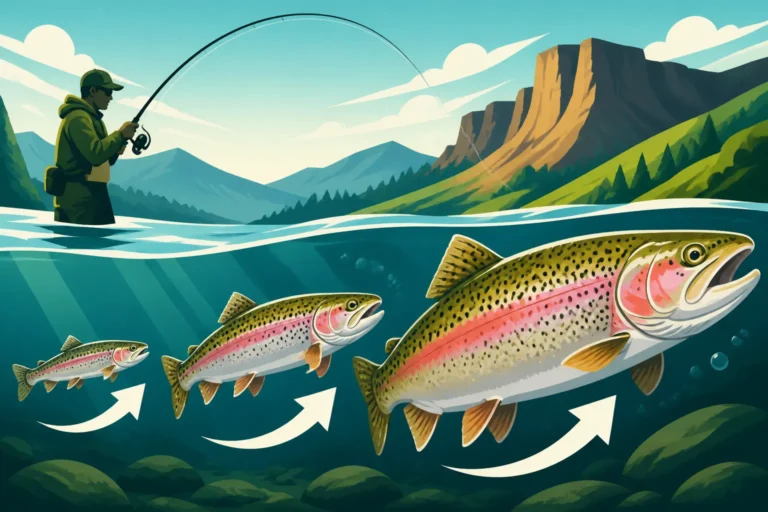
Imagine a river born from glacial melt, carving its way through dense evergreen forests, fed by countless clear tributaries. That's the Sauk. Its designation as a Wild and Scenic River speaks volumes about its untouched beauty and ecological significance. This isn't a river where you'll find large crowds or a plethora of developed access points. Instead, you'll encounter stretches of undisturbed wilderness, deep emerald pools, and swift, gravelly runs that are perfect habitat for steelhead. These wild fish, honed by generations of natural selection, are notoriously elusive, possessing an unparalleled strength and cunning that makes them a true trophy. They aren't just fish; they're an integral part of this vibrant ecosystem, making their presence a testament to the river's health. The thrill isn't just in the catch, but in the entire experience of being immersed in such a wild environment, knowing that every fish you encounter is a product of this incredible natural legacy.
Navigating the Challenges of a Wild Steelhead Fishery
Let’s be honest, fishing for wild steelhead on the Sauk isn't for the faint of heart or those seeking guaranteed action. It’s a pursuit that demands patience, persistence, and a willingness to adapt. These fish aren't waiting to be caught; they're constantly moving, seeking sanctuary, and often reacting subtly to changes in light, temperature, and pressure. One of the biggest frustrations anglers face is the sheer difficulty in even locating fish, let alone convincing them to bite. Unlike hatchery steelhead, which can sometimes be more aggressive due to their upbringing, wild steelhead are incredibly wary. They've survived predators and harsh conditions, making them acutely aware of any disturbance. You might spend an entire day, casting hundreds of times, only to feel that one subtle tug that sends adrenaline coursing through your veins. The rewards are immense, but the journey to get there is often fraught with moments of self-doubt and empty casts. It’s this challenge, however, that truly defines the wild steelhead experience on the Sauk, setting it apart from more predictable fisheries.
Best Times to Fish the Sauk for Steelhead
Timing is everything when it comes to chasing wild steelhead on the Sauk. While these anadromous rainbow trout can be found in the river during different parts of the year, the primary focus for most anglers is the winter run. Understanding the nuances of these seasons and how they interact with the fickle Washington weather is paramount to improving your odds. You can have the best gear and the perfect technique, but if you're there at the wrong time or in the wrong conditions, your chances plummet.
Winter Steelhead: The Peak Season on the Sauk
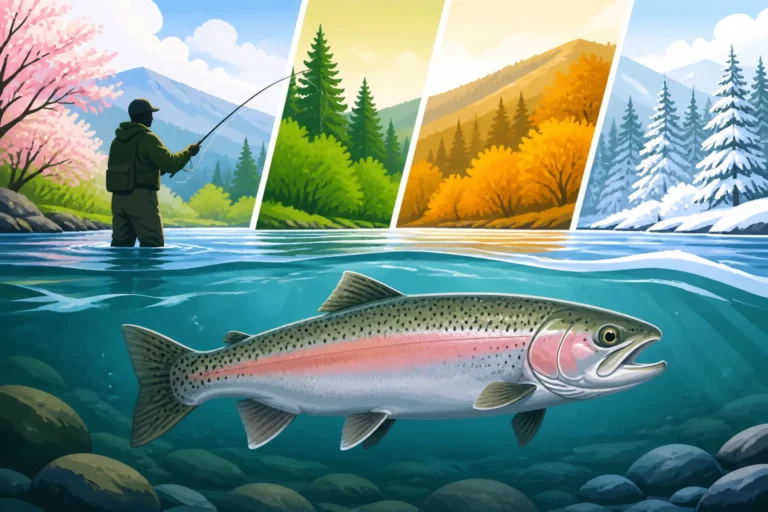
The true magic on the Sauk typically unfolds during the colder months, specifically from December through March, when the main push of winter steelhead enters the system. These are powerful, ocean-fresh fish, often chrome bright, that have returned from the Pacific to spawn. Early winter, around December and January, can see fish spread throughout the lower and middle sections of the river. As the season progresses into February and March, more fish move upstream, and staging areas become active. Many anglers will tell you that the best fishing often coincides with periods of stable weather and dropping, clearing water after a rain event. It’s a delicate balance; too much rain makes the river high and muddy, while prolonged dry spells can lead to low, clear water that makes the fish incredibly spooky. Getting the timing right requires constant monitoring of river levels and clarity, often a source of great anxiety for anglers planning a trip. For detailed insights into the broader Washington steelhead picture, take a look at our guide on Winter vs Summer Steelhead Runs in Washington, Explained.
Water Conditions: The Unpredictable Variable
The Sauk River is highly influenced by snowmelt and rainfall, especially during the winter. This means river conditions can change dramatically, sometimes overnight. A sudden warm spell can melt snow quickly, blowing out the river with high, turbid water, rendering it unfishable for days. Conversely, a prolonged cold snap can lock the river up with ice in its upper reaches or leave it running exceptionally low and clear, making it a frustrating puzzle for anglers. The ideal scenario is "dropping and clearing" water – meaning the river levels are receding after a bump, and visibility is slowly improving. This is when steelhead are often on the move and more willing to bite. Many anglers religiously check USGS river gauges and local webcams to get a sense of conditions before making the drive. It’s a constant battle against Mother Nature, and knowing how to read the water is a skill that only comes with experience, patience, and a lot of trial and error. This unpredictable nature is a common frustration, but it also means that when conditions align, the fishing can be truly phenomenal, making all the waiting and monitoring worthwhile.
Accessing the Sauk River for Steelhead
Unlike some of Washington’s more urbanized rivers, the Sauk maintains a wild character, and this extends to its access points. You won't find a paved path every mile or a readily available boat launch around every bend. This means understanding where you can legally and safely get onto the river, whether by foot or by boat, is absolutely crucial. Proper planning will save you a lot of wasted time and potential headaches.
Key Access Points for Bank and Boat Anglers
For bank anglers, public lands and bridge crossings often provide the best opportunities. Areas around Darrington, Rockport, and the towns along Highway 530 offer some roadside pull-offs and designated access points. However, many prime spots require hiking through thick brush or walking along the river's edge for considerable distances. Always be mindful of private property and respect all "no trespassing" signs. For those looking to drift the river, there are a handful of established boat launches, but they are generally less numerous and more rustic than on other popular rivers. These launches are primarily designed for drift boats or rafts, not larger motorboats, emphasizing the river's wild nature. Before heading out, always consult updated WDFW maps and local resources, as access can sometimes change due to land ownership shifts or environmental concerns. Being caught off guard by a locked gate or inaccessible launch can be a major letdown, so doing your homework beforehand is non-negotiable.
| Access Type | Description | Best For | Typical Distance to Fish | Notes |
|---|---|---|---|---|
| Roadside Pull-offs | Undesignated spots along Highway 530 and tributary roads. | Bank Anglers | Variable, often short walk | Check for "No Trespassing." Limited parking. |
| Designated Public Access | WDFW access areas or state park lands. | Bank Anglers, Wading | Moderate walk/wade | Larger parking, more defined trails. |
| Drift Boat Launches | Gravel or unimproved ramps suitable for drift boats/rafts. | Drift Boaters | Entire river sections | Requires proper boat handling skills. |
| Forest Service Roads | Gravel roads leading to more remote sections. | Adventurous Bank Anglers | Long hikes/wades | Often seasonal closures, rough roads. |
The Importance of Non-Motorized Access
One of the defining features of the Sauk River is its emphasis on non-motorized access for fishing. This means that while you might see an occasional jet sled on the very lowest reaches of the river, the vast majority of the productive steelhead water is accessed by drift boat, raft, or on foot. This creates a much more intimate and quiet angling experience, reducing pressure on the fish and maintaining the river's wild ambiance. Drift boating the Sauk is a unique challenge, requiring excellent boat control due to swift currents, braided sections, and numerous logjams. If you're planning a drift, it’s highly recommended to go with someone experienced or even hire a guide, especially if it's your first time. Wading the Sauk also demands caution, as the riverbed can be unstable, and currents are strong. Always wear a good pair of studded wading boots and carry a wading staff. The lack of easy, motorized access is a frustration for some, but it's also what preserves the Sauk's character and ensures a high-quality fishing experience for those willing to put in the effort.
Effective Techniques for Sauk River Steelhead
Successfully hooking a wild steelhead on the Sauk is often a testament to an angler's skill, patience, and ability to present a fly or lure with precision. These fish are not only powerful but also incredibly wary, requiring refined techniques that minimize disturbance and maximize natural presentation. You can't just throw anything out there and expect results; you need to understand the water, the fish, and the subtle art of the presentation.
Fly Fishing: Swinging Flies for Elusive Steelhead
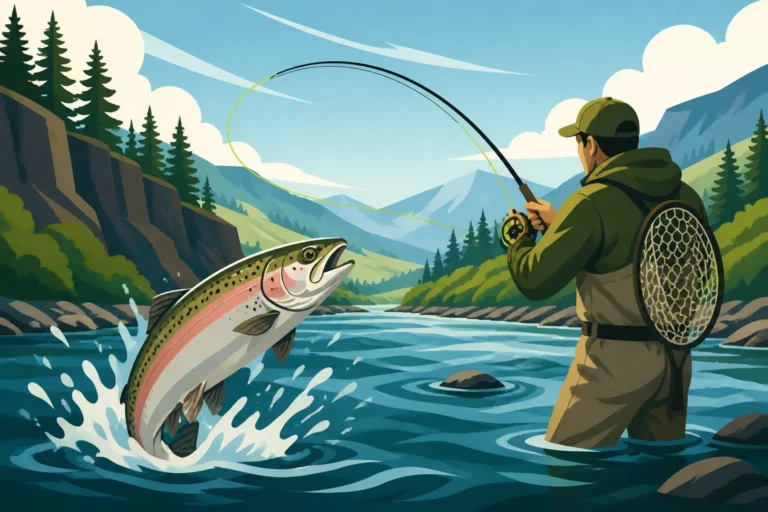
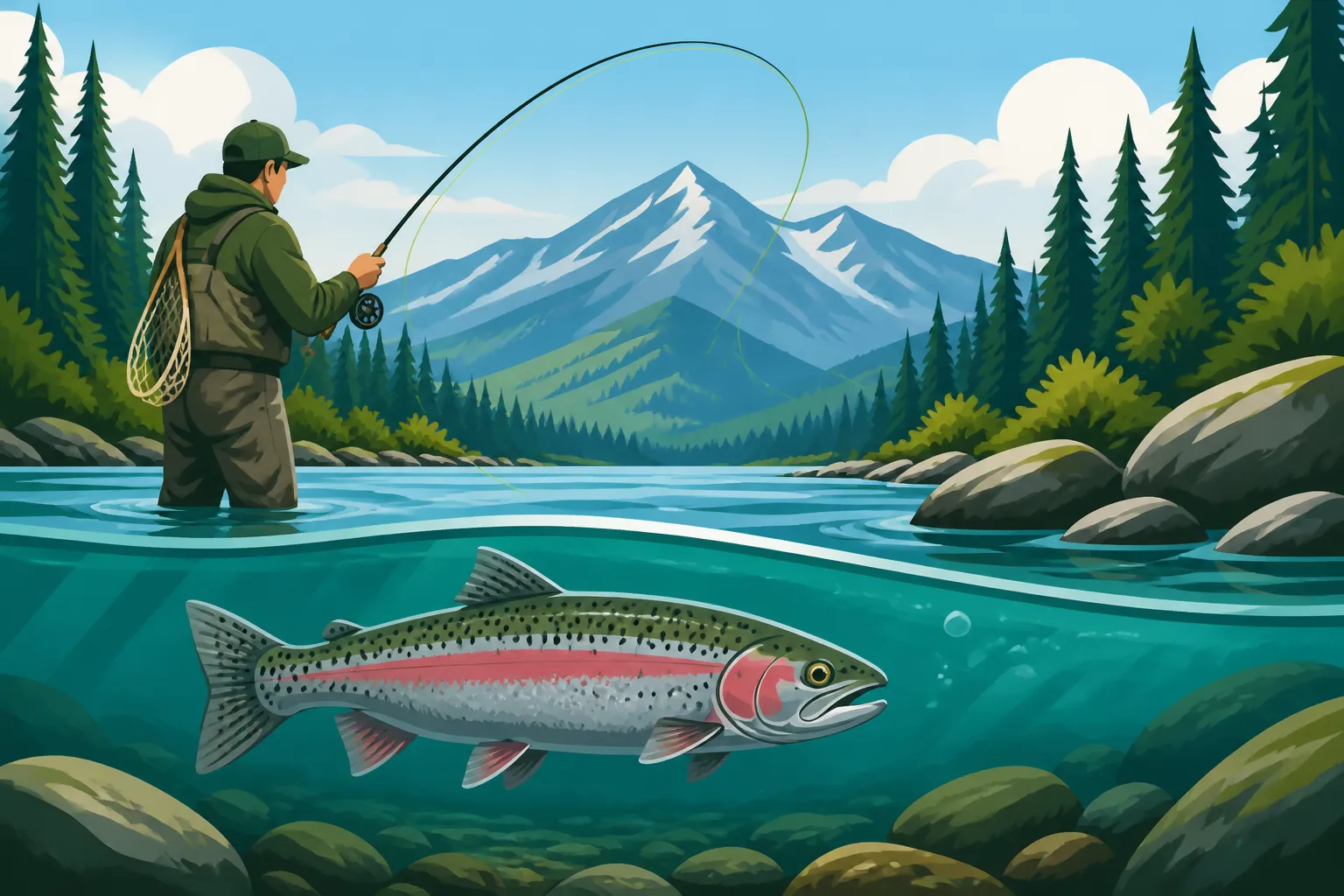
For many, fly fishing for wild steelhead on the Sauk is the pinnacle of the sport. The preferred method is often "swinging" flies, typically using two-handed Spey or switch rods. This technique involves casting across and downriver, allowing the fly to swing through potential holding lies, mimicking a natural insect or baitfish. Popular fly patterns include traditional steelhead intruders, weighted leeches, Skagit-style flies, and various tube flies in natural or contrasting colors. The key is to cover the water thoroughly and repeatedly, searching for that elusive grab. It's a highly active and rhythmic form of fishing that, when successful, provides an incredibly visceral experience as the fish slams the fly on the swing. The frustrations here can be immense: spending hours perfectly executing casts, only for nothing to happen. But that one violent tug on a perfectly swung fly? That's what keeps fly anglers coming back. Our article on Fly Fishing Techniques for Winter Steelhead in Washington provides more detail on various methods.
Drift Fishing and Float Fishing Strategies
While fly fishing holds a special allure, many successful anglers on the Sauk employ conventional drift fishing or float fishing techniques. Drift fishing, often done from a drift boat or by wading, involves presenting a bait or lure naturally along the river bottom. Popular terminal tackle includes small lead weights, slinkies, or pencil lead to get your offering down, followed by a leader and an enticing bait like cured salmon roe, a plastic worm, or a small cheater lure like a Corky or Spin-N-Glo. The goal is to keep your presentation ticking along the bottom at the same speed as the current, directly into the fish's strike zone.
Float fishing, or "bobber dogging," is another highly effective method, particularly in deeper slots or slower pools. This involves suspending a jig, often tipped with a piece of prawn or roe, beneath a large float (like a DNE or Lil' Corky float). The float allows you to maintain precise depth control and detect even the slightest bite as it travels downstream. This method can be incredibly effective when fish are holding in distinct areas or when the water is slightly off-color. The challenge with both drift and float fishing lies in maintaining that perfect, drag-free drift. Currents can be complex, and snags are always a risk, leading to lost tackle and frustrated re-rigging. However, when you dial in the depth and drift, these techniques can be incredibly productive for Sauk River steelhead. Our guide on Drift Fishing for Steelhead in Washington Rivers offers more universal insights into these effective techniques.
Regulations and Conservation Efforts on the Sauk
Fishing on the Sauk River, particularly for wild steelhead, comes with a strict set of regulations designed to protect these precious fish and their habitat. It’s not just about compliance; it’s about being a responsible steward of a truly unique natural resource. Ignoring these rules not only risks fines and penalties but also undermines the very future of this incredible fishery.
Critical Regulations for Fishing the Sauk River
The Sauk River is almost universally managed as a catch-and-release fishery for wild steelhead, and it's essential to check the latest Washington Department of Fish and Wildlife (WDFW) regulations before every trip. This usually means that all wild steelhead must be immediately released unharmed. Furthermore, the use of barbless hooks is typically mandated for all species when fishing for steelhead or salmon on the Sauk. This minimizes damage to the fish during release, increasing their chances of survival. Knowing these rules intimately is non-negotiable. There might also be specific gear restrictions, bait bans, or seasonal closures that apply to certain stretches of the river or certain times of the year. For instance, some areas may have single-point hook requirements or restrict the use of certain types of gear. Failing to adhere to these rules can result in significant fines and even loss of fishing privileges. It's a real headache to keep up with, especially when emergency rule changes can happen mid-season, but it’s critical. Always consult the official WDFW rule pamphlet or their website for the most current information. Our comprehensive guide on Washington Fishing Regulations Every Angler Should Know is a great resource, and for those crucial hook requirements, check out Barbless Hook Requirements on Washington Rivers.
Supporting Wild Steelhead Conservation
Beyond just following the rules, every angler on the Sauk River plays a direct role in wild steelhead conservation. The "catch-and-release" ethos isn't just a regulation; it's a commitment. This means handling fish with the utmost care: keeping them in the water as much as possible, using knotless rubber nets, and minimizing their time out of the water for photos. The goal is for every released fish to swim away strong and healthy, ready to spawn and contribute to future generations. Organizations like the Wild Fish Conservancy and various local watershed groups are constantly working to protect and restore habitat along the Sauk and its tributaries. Anglers can support these efforts through volunteering, donations, or simply by being advocates for responsible angling practices. The future of the Sauk's wild steelhead depends on a concerted effort from everyone who values this magnificent resource. For a deeper understanding of proper handling, refer to Catch-and-Release Rules During Wild Steelhead Closures.
Hiring a Guide for the Sauk River Steelhead Experience
Let's face it, the Sauk River is a tough nut to crack, especially for newcomers or those unfamiliar with wild steelhead behavior. While the idea of a DIY adventure is romantic, the reality of consistent success on this challenging river often benefits immensely from the knowledge and experience of a professional guide. It can save you a lot of frustration and greatly increase your chances of a memorable encounter.
The Value of Local Expertise on a Challenging River
A good Sauk River steelhead guide isn't just someone who rows a boat and knows a few spots; they are a walking encyclopedia of local knowledge. They understand the subtle nuances of water levels, clarity, and temperature, and how these factors influence where steelhead hold and how they'll react to different presentations. They know which runs are fishing best given the current conditions, what flies or baits are producing, and how to safely navigate the river's numerous hazards like logjams and swift currents. This invaluable insight, honed over years of experience, can drastically cut down on your learning curve. Instead of spending days figuring out basic access or optimal casting lanes, you're immediately put into a position to fish effectively. Think of it as investing in an accelerated masterclass on Sauk River steelhead fishing. This expertise is particularly helpful when considering Washington Fishing Seasons: A Month-by-Month Guide and trying to pinpoint the absolute best time for your trip.
How to Find a Reputable Sauk River Steelhead Guide
Finding the right guide for a river as specific and challenging as the Sauk requires a bit of homework. You'll want someone with extensive experience on that particular river, a strong commitment to conservation (especially catch-and-release practices for wild fish), and an excellent reputation for safety and client satisfaction. Start by asking for recommendations from local tackle shops in towns like Darrington or Arlington, or from fellow anglers who have fished the Sauk. Online forums and social media groups dedicated to Washington steelhead fishing can also be a good source of information.
When you're ready to start looking, platforms like FishingBooker are a fantastic resource. They allow you to browse reputable guides operating in the area, check their availability, read reviews from past clients, and see what's included in their trips. You can filter by specific target species (like steelhead) and even see if they specialize in fly fishing or conventional gear. Make sure to ask prospective guides about their experience specifically on the Sauk River, their conservation practices, and what to expect in terms of gear, lunch, and fish handling. It's also a good idea to inquire about their cancellation policy in case of unfishable conditions – which, as we've discussed, is a real possibility on the Sauk. Don't forget to budget for a tip for your guide if they provide excellent service; our guide on Tipping Etiquette for Washington Fishing Guides can give you some insights. Investing in a knowledgeable guide, especially for a wild and scenic river like the Sauk, is often the smartest decision you can make for a truly rewarding, albeit challenging, steelhead adventure.
Disclaimer
Please remember that fishing regulations, seasons, and access can change rapidly. Always check the latest official Washington Department of Fish and Wildlife (WDFW) regulations before planning any fishing trip to the Sauk River or any other waters in Washington State. This guide is for informational purposes only and should not be considered a substitute for current official regulations.