How Big Washington Razor Clams Get
Washington razor clam growth rates, typical three to six inch sizes, and environmental factors explaining how these bivalves get big.
Know what’s on the line.
Gamefish and panfish profiles — identification, behavior, feeding habits, and species-specific strategies for every catch.

Washington razor clam growth rates, typical three to six inch sizes, and environmental factors explaining how these bivalves get big.
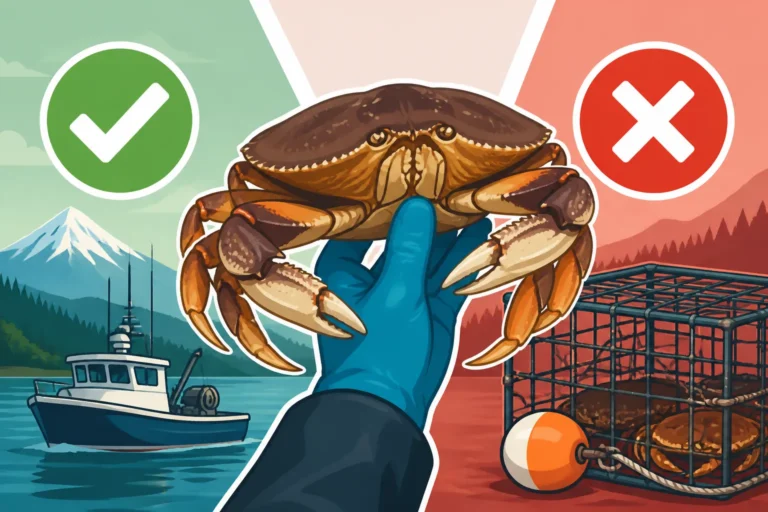
Washington Dungeness crab regulations prohibit keeping female crabs to protect the sustainable population and future fisheries.
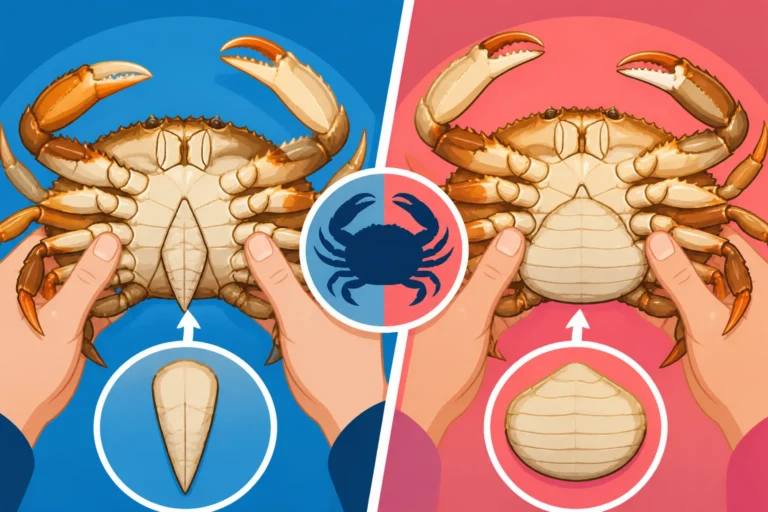
Washington Dungeness crab identification methods help anglers distinguish male and female catches, preventing fines and protecting populations.
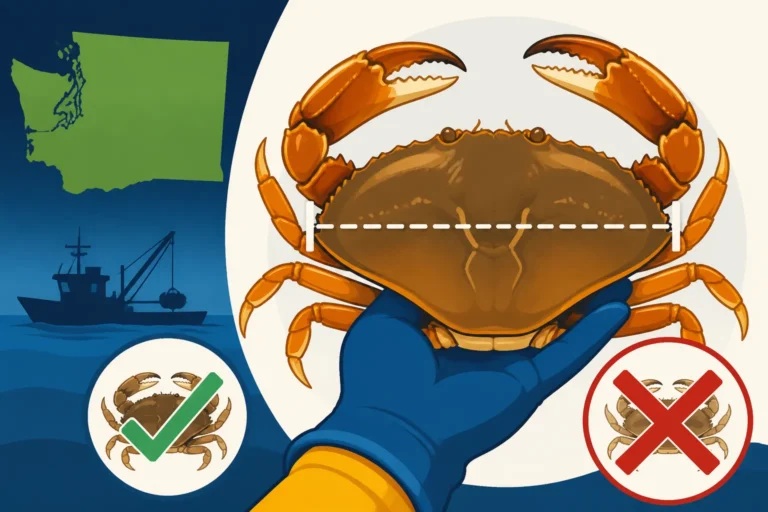
Washington Dungeness crab regulations explain the six and one quarter inch legal size limit to protect juvenile crabs and sustain fisheries.
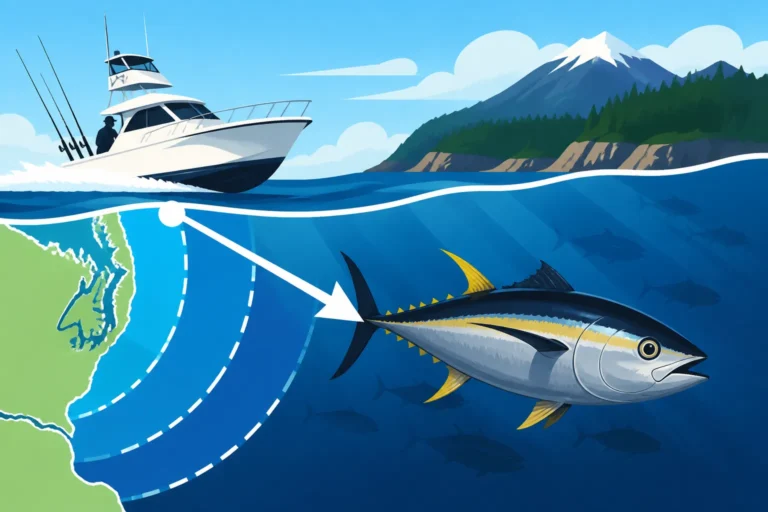
Washington albacore tuna typically require traveling twenty to eighty miles offshore, and sometimes over one hundred miles, to find warm water and baitfish.
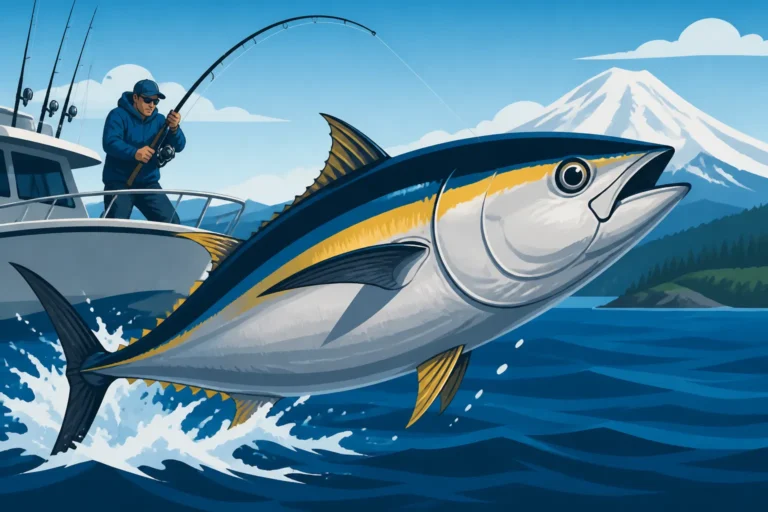
Washington albacore tuna typically weigh between 10 and 25 pounds, with larger record-breakers caught 20 to 60 miles offshore.
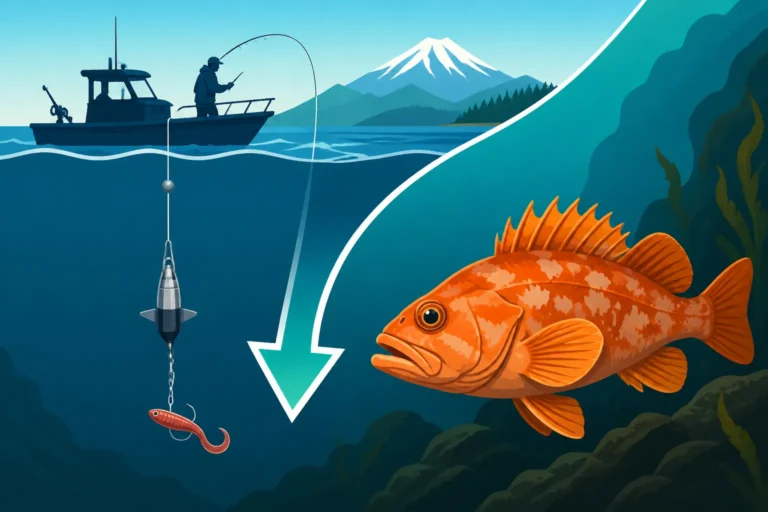
Descending devices reverse barotrauma in Washington rockfish, helping released fish survive the pressure change.
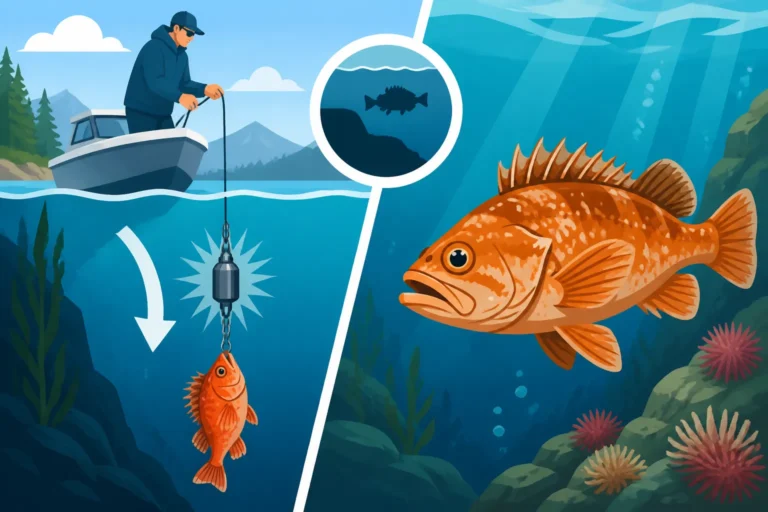
Washington rockfish barotrauma and closed swim bladders cause overinflation, explaining why descending devices ensure survival.
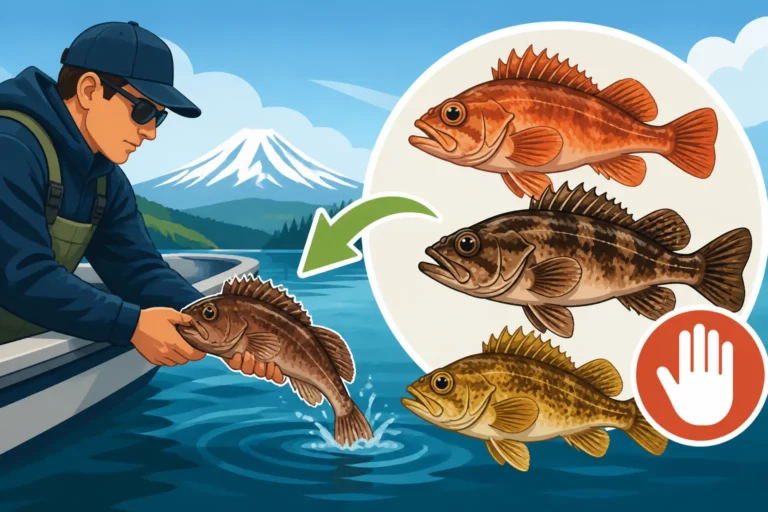
Washington rockfish species requiring mandatory release by anglers are detailed to protect vulnerable and slow-growing populations.
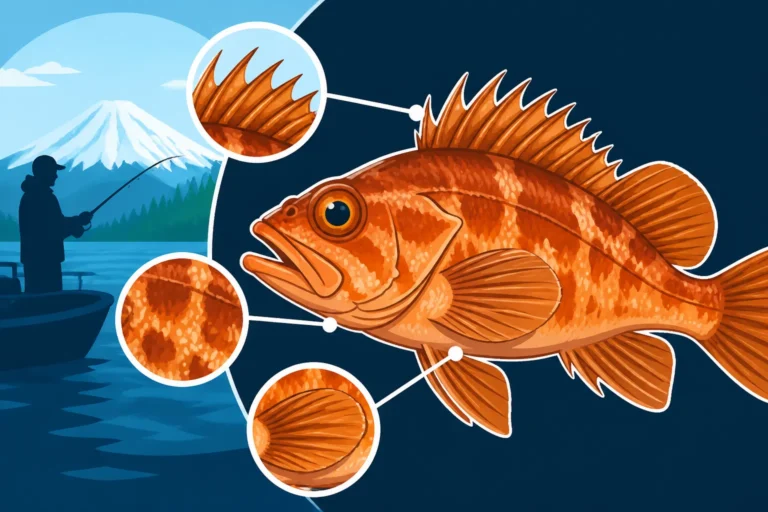
Copper rockfish identification features for Washington anglers to separate legal catches from protected look-alike species.