How Long Steelhead Live in the Ocean
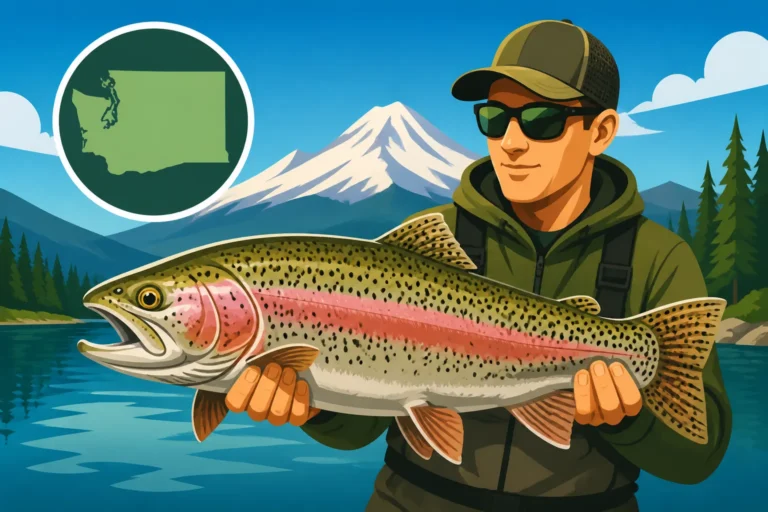
It’s a truly fascinating question, isn't it? We often hear about salmon making their incredible ocean journeys, but steelhead—those magnificent, ocean-going rainbow trout—have their own captivating story that's perhaps even more mysterious. Many anglers wonder just how long these resilient fish actually spend out in the vast, wild Pacific before making their heroic return to our Washington rivers. This guide will dive deep into the fascinating ocean life of steelhead, exploring not just the typical duration they spend at sea, but also the myriad factors that influence their epic journey.
The Steelhead's Epic Journey: From River to Ocean and Back
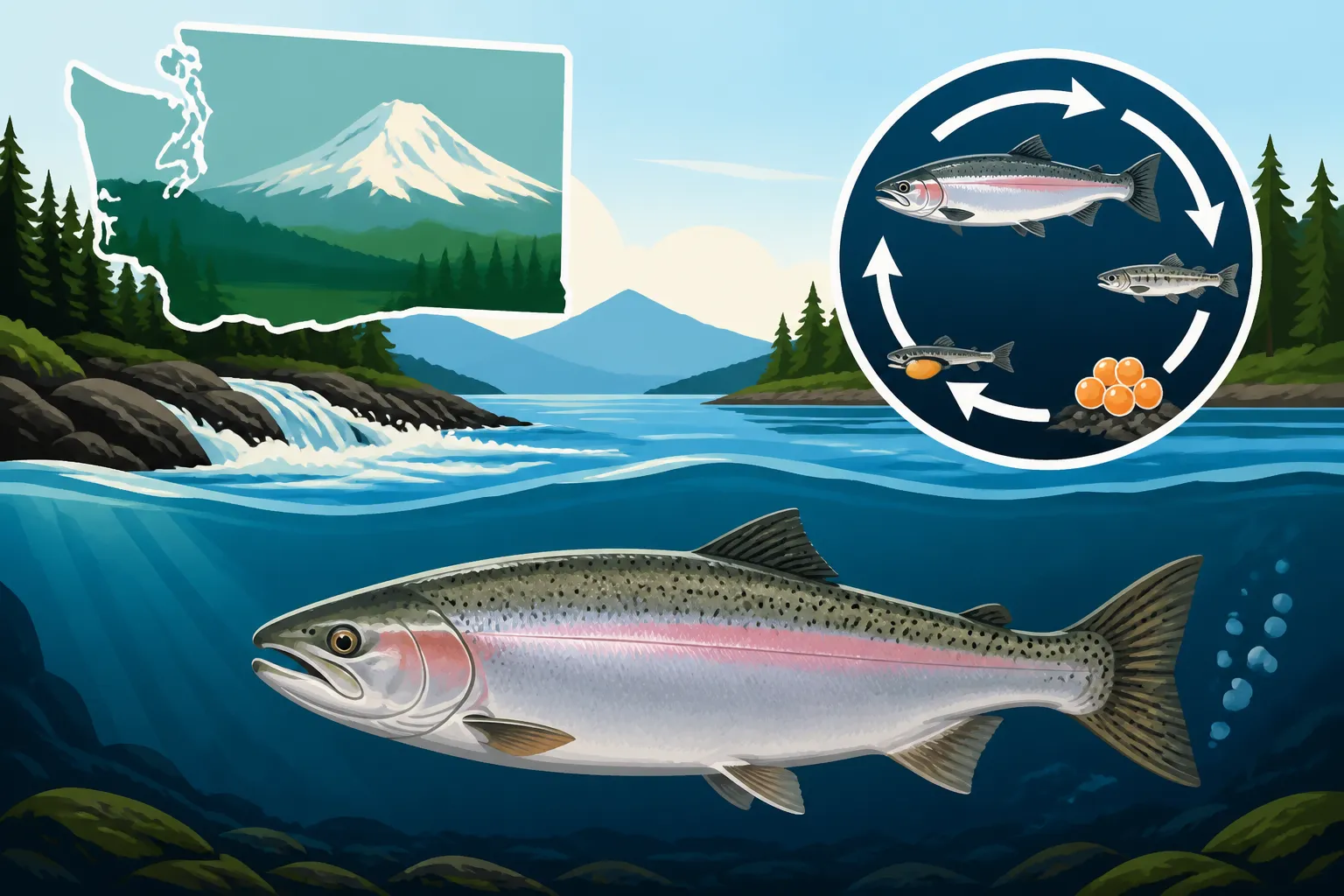
Imagine a fish that spends its youth in the clear, cold streams of Washington, then transforms, sets off into the colossal Pacific Ocean, and potentially returns not once, but multiple times to spawn. That’s the steelhead for you! Their life cycle is truly one of nature's marvels, and the ocean phase is where they bulk up, mature, and prepare for the ultimate upstream battle.
Early Life: Smoltification and the Call of the Sea
Before a steelhead can even dream of the ocean, it starts its life as a tiny egg buried in the gravel of a freshwater riverbed. Hatching into an alevin, it eventually develops into a fry, then a parr, sporting those distinctive vertical bars for camouflage in the river. For a few years, these juvenile steelhead—often called "parr"—grow and feed in their natal streams. This freshwater residency can last anywhere from one to usually three or four years, depending on the river system, food availability, and genetics.
Then comes the magic: smoltification. This is a physiological transformation where the young steelhead adapt their bodies for saltwater. Their silvery scales become more prominent, their gills change to handle the osmotic pressure of the ocean, and their instincts drive them downstream. It's a critical, often dangerous, migration. They face predators like birds, larger fish, and even seals as they navigate estuaries and river mouths. The pull of the sea is undeniable, a primal urge that sends them forth into the unknown, driven by the promise of abundant food and accelerated growth.
The Ocean Phase: Growth and Maturation
This is where your core question comes into play: how long do steelhead live in the ocean? Unlike most Pacific salmon species, which typically die after their first spawning run (semelparous), steelhead are iteroparous, meaning they can survive spawning and return to the ocean multiple times. This ability adds a whole layer of complexity to their ocean life span.
Generally, a steelhead will spend one to four years in the Pacific Ocean before its first return to spawn. The most common duration for their first ocean residency is typically two to three years. During this time, they are gorging themselves on protein-rich prey, rapidly growing from a relatively small smolt into a powerful, chrome-bright adult. A steelhead that spent two years in the ocean, for example, would be a much larger and stronger fish than one that only spent a single year.
It's not a rigid timeline, though. Just like people, fish have individual variations influenced by genetics and environment. Some hardy individuals might brave the ocean for only one year, returning as smaller "half-pounders" (often a term used for summer steelhead in specific rivers) or even full-sized adults if conditions were exceptionally good. Others might stay out for an extended four years, becoming truly massive, trophy-sized fish. These multi-year ocean residents are often the ones that become legendary among anglers.
Factors Influencing Steelhead Ocean Residency
The Pacific Ocean is a dynamic, ever-changing environment, and a steelhead's success and longevity out there are heavily influenced by a complex interplay of factors. It’s not just about how long they can live, but how long they do live amidst the challenges.
Food Availability and Ocean Productivity
Think of the ocean as a giant buffet. If the buffet is plentiful and nutritious, the steelhead will grow faster, get stronger, and have a better chance of surviving longer. Conversely, lean years in the ocean, marked by scarcity of their primary food sources, can shorten their ocean stay or impact their survival rate dramatically.
Steelhead are opportunistic feeders in the ocean, preying on a variety of smaller fish like herring, anchovies, and sand lance, as well as krill and squid. The abundance of these prey species is directly tied to ocean productivity, which can fluctuate wildly year to year due to ocean currents, water temperatures, and broader climatic patterns like El Niño and La Niña. During periods of high ocean productivity, steelhead thrive, pack on weight, and may even be more inclined to spend an extra year at sea to capitalize on the rich feeding grounds before their arduous spawning migration. On the other hand, poor ocean conditions can mean less food, higher mortality, and a faster, albeit smaller, return to freshwater.
Predation and Environmental Challenges
The ocean is a dangerous place, even for a powerful fish like a steelhead. While they grow considerably, they are still prey for larger marine animals. Seals, sea lions, porpoises, sharks, and various species of larger fish all view a steelhead as a potential meal. Their iridescent, chrome-bright coloration serves as camouflage in the open ocean, helping them evade some predators, but it’s a constant battle for survival.
Beyond predators, steelhead face immense environmental challenges. Ocean temperatures play a huge role; waters that are too warm or too cold can stress fish, impact their metabolism, and reduce the availability of their prey. Strong ocean currents can expend vast amounts of energy. Diseases and parasites, though less studied in their ocean phase compared to freshwater, are also ever-present threats. Human impacts, such as commercial fisheries (though steelhead aren't typically a targeted commercial species, they can be bycatch) and ocean pollution, also contribute to the pressures on steelhead populations. It's a testament to their resilience that so many make it back to our rivers.
Genetic Predisposition and Repeat Spawning
One of the most unique aspects of steelhead biology, setting them apart from their salmon cousins, is their capacity for iteroparity—the ability to spawn more than once. This genetic trait directly impacts how long an individual steelhead might spend cumulatively in the ocean.
After their first spawning run, a significant portion of steelhead, known as "kelts," don't die. Instead, they recover, often after months of recuperation in freshwater, and then embark on a second, third, or even (rarely) fourth journey back to the ocean. Each time they return to the sea, they spend another year or two feeding and regaining strength before attempting to spawn again. This means that a steelhead that returns to spawn three times might have spent a total of four to six or even more years in the ocean throughout its life, interspersed with its freshwater spawning phases.
Not all steelhead are repeat spawners, and the rate varies greatly between different runs and river systems. For instance, some runs might have a higher percentage of kelts surviving and going back to sea, while others might be predominantly first-time spawners. This genetic diversity is crucial for the overall resilience of the species. The concept of Half-Pounder Steelhead, Explained is also an interesting variation, where some fish return to freshwater after only a few months in the ocean, typically smaller, before going back to the ocean to mature further.
The Return Journey: What Happens After Ocean Life
After their stint in the vast, wild blue, the powerful instinct to reproduce calls the steelhead back to the rivers and streams of their birth. This return journey is just as incredible, and often even more arduous, than their initial migration to the sea.
Navigating Back to Freshwater
The navigation skills of anadromous fish like steelhead are nothing short of astounding. They can pinpoint the exact river, and often the exact tributary, where they hatched, sometimes after traveling thousands of miles in the open ocean. Scientists believe they use a combination of the Earth's magnetic field, the sun's position, and an incredibly acute sense of smell to find their way home.
The journey back to freshwater rivers presents its own gauntlet of challenges. They must once again evade marine predators, but also face new ones in the river mouths and estuaries. Obstacles like low water levels, natural logjams, and man-made dams can impede their progress, forcing them to expend precious energy or wait for favorable conditions. The strong current of a river, which was their highway to the ocean, now becomes a powerful adversary they must fight upstream, sometimes for hundreds of miles, to reach their spawning grounds. Anglers know this drive well, as it’s what brings these magnificent fish within casting range. To learn more about their incredible species, check out Steelhead: Washington's Ocean-Run Rainbow Trout.
Spawning and Post-Spawn Survival (Kelt Stage)
Once in their home waters, the steelhead's primary mission is to spawn. Female steelhead, called hens, construct redds—nests in the gravel—where they deposit their eggs. Males, or bucks, fertilize the eggs. This process is incredibly demanding, and the fish often go weeks or even months without feeding once they enter freshwater, relying entirely on the fat reserves built up during their ocean residence.
Unlike most Pacific salmon, which die shortly after spawning, many steelhead have the remarkable ability to survive this exhausting ordeal. These post-spawn steelhead are called "kelts." They are often emaciated, scarred, and completely drained of energy. Many will drop back downriver, slowly making their way back to the ocean to recuperate, feed, and rebuild their strength. This return to the ocean is a period of extreme vulnerability, but if they survive, they can return to spawn again in subsequent years, sometimes up to three or four times over their lifetime. This cycle of spawning and returning to the ocean is what truly distinguishes them and prolongs their overall lifespan compared to their salmon cousins. Understanding this distinction is key to their conservation, and you can read more about it in Do Steelhead Die After Spawning Like Salmon?.
Understanding Steelhead Age for Conservation and Anglers
Knowing how long steelhead live in the ocean isn't just an interesting fact; it has profound implications for how we manage and protect these fish, and how we approach angling for them.
Reading Scales and Research Efforts
Biologists and researchers have sophisticated methods to determine the age of steelhead, including how many years they've spent in freshwater and in the ocean. The most common technique involves examining their scales. Just like tree rings, fish scales develop annual growth rings, or annuli, that indicate periods of faster and slower growth. By analyzing the spacing and patterns of these rings, scientists can discern freshwater growth from ocean growth and count the number of years spent in each environment. Other methods include examining otoliths (ear bones), which provide an even more accurate record of age and environmental history.
This research is vital for understanding stock dynamics. By knowing the age composition of returning steelhead runs, fisheries managers can assess the health of populations, understand the impact of ocean conditions on survival, and make informed decisions about fishing seasons and bag limits. It helps them differentiate between Wild Steelhead vs Hatchery Steelhead in Washington and target conservation efforts more effectively.
Implications for Anglers
For those of us who love to chase these incredible fish, understanding their life cycle, including their ocean residency, deepens our appreciation and informs our approach. The larger, older steelhead that have spent multiple years in the ocean, or returned multiple times, are often the most magnificent specimens. Catching one of these truly ancient, wise fish is an unforgettable experience. However, these are also the fish that have contributed the most to the gene pool, and their survival is paramount for future generations.
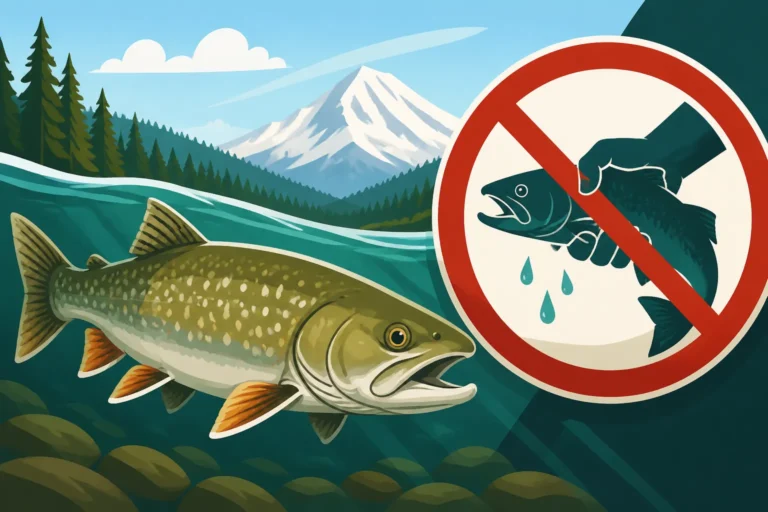
This is why catch-and-release fishing, especially for wild steelhead populations, is so critical. Every released kelt or wild adult has another chance to spawn or to return to the ocean and grow even larger. Anglers can contribute significantly to conservation by handling fish carefully, minimizing stress, and ensuring a strong release. Many responsible anglers carry specialized nets with rubber mesh (easily found on Amazon, for instance) that are gentler on fish scales and slime coats. Always make sure you understand the regulations, especially related to Catch-and-Release Rules During Wild Steelhead Closures, as rules are often in place to protect these valuable fish. When fishing specific rivers, like those on Washington's Olympic Peninsula Rivers, being aware of the run timing for Winter vs Summer Steelhead Runs in Washington, Explained can also help you target specific stages of their life cycle.
In conclusion, the journey of a steelhead in the ocean is a testament to resilience, adaptation, and the sheer wonder of the natural world. While most spend 1-4 years out at sea before their first spawn, their ability to survive and return multiple times means an individual steelhead can rack up many years of ocean life, each trip a testament to their enduring spirit. As anglers, recognizing this incredible life history should only deepen our respect and commitment to their conservation.
Disclaimer
This article is for general informational purposes only and does not constitute professional advice. Laws, prices and regulations vary by location and change over time. Consult a qualified professional for guidance on your specific situation.