Do Out-of-State Kids Need a Washington License?
Bringing your kids along for a fishing adventure in Washington State is an amazing way to create lasting memories, but navigating the myriad of rules can feel like trying to untangle a hundred-pound snarl of fishing line. Many out-of-state families find themselves scratching their heads, wondering if their eager young anglers need a license to participate. This comprehensive guide will untangle that confusion, explaining exactly when and why nonresident kids need a Washington fishing license, and what other regulations they need to follow.
The Basic Rule for Kids Fishing in Washington
It’s a huge relief for parents to know that Washington State has a very angler-friendly policy when it comes to getting young children hooked on fishing. This foundational rule applies equally to resident and nonresident kids, simplifying things right from the start.
Age-Based Exemption for All Kids
The Washington Department of Fish and Wildlife (WDFW) makes it wonderfully easy for the youngest generation to experience the joys of fishing. Simply put, any child under the age of 15 does not need a fishing license in Washington State. This is fantastic news whether you're bringing your family from across the country for a Pacific Northwest adventure or just popping over from a neighboring state like Oregon or Idaho for a weekend getaway.
Imagine you're driving up from California, excited to show your 10-year-old son, Alex, the incredible salmon runs of the Columbia River, or perhaps the plentiful trout in one of Washington's serene eastern lakes. You might be worried about the extra paperwork and expense of a nonresident youth license. But fear not! Because Alex is under 15, he can cast his line into most Washington waters without needing to purchase a fishing license. This exemption covers all types of fishing, whether he's chasing trout in a mountain lake, trying for bass in Banks Lake, or even attempting to hook a salmon in Puget Sound. It’s all part of an effort to encourage youth participation and make fishing accessible. For a broader overview of this policy, you can explore our guide on if Do Kids Need a Fishing License in Washington?.
What "Free Fishing Weekend" Means for Kids
While Washington's regular rules already make it simple for kids under 15 to fish without a license, the state also offers a "Free Fishing Weekend" once a year, typically in June. During this special event, everyone – regardless of age or residency – can fish for most species without needing a license. This means that if you, as an adult nonresident, happen to be visiting during this particular weekend, you also get a temporary pass on purchasing a license.
However, for your nonresident kids under 15, this weekend often just means "business as usual" for them in terms of licenses – because they didn't need one anyway! The main benefit of Free Fishing Weekend is for older youth (15 and above) and adult anglers who get a taste of Washington's fisheries without the initial investment of a license. It's a great opportunity to introduce the sport to someone who might be hesitant to commit to a full license purchase. Always check the official WDFW website for the exact dates of the Free Fishing Weekend, as they can shift slightly year to year. Even during this special weekend, other regulations like bag limits and seasons still apply, so a quick review of the current Washington Fishing Regulations Every Angler Should Know is always a good idea.
Understanding the Nonresident Minor License Requirement
While the under-15 exemption is a blessing for many families, there's a specific age when nonresident kids transition from license-exempt to license-required. This is a crucial distinction that often catches families off guard.
When a Nonresident Kid Does Need a License
The moment a nonresident child turns 15 years old, they are no longer covered by the statewide exemption and are generally required to purchase a fishing license to fish in Washington State waters. This age threshold aligns them with adult licensing requirements, reflecting that by 15, anglers are typically more experienced and capable of understanding and adhering to regulations independently.
So, if you’re planning a family trip to fish the bountiful waters of the Columbia River, and your son, Ethan, is turning 15 just before or during your vacation, you’ll need to factor in a license for him. This applies whether he's aiming for salmon, steelhead, or any other regulated species. The state views a 15-year-old nonresident angler much like an adult nonresident, meaning they need to contribute to the conservation and management efforts through license sales. It’s not about singling out out-of-state kids; it’s about a consistent application of licensing rules for all anglers over a certain age. Getting caught without the proper license for someone 15 or older, even if they're a nonresident minor, can lead to fines, which is a sure way to put a damper on a family fishing trip.
The Cost and Options for Nonresident Kids 15+
Once a nonresident child reaches 15, they'll need to purchase a license, and Washington offers several options that cater to different trip durations and fishing preferences. The cost for these licenses varies, generally being higher than resident rates, which is standard practice across most states for non-residents.
Here’s a general breakdown of what a nonresident youth (15-17 years old) might expect for license options and typical costs. It's always best to check the official WDFW website for the most current pricing, as rates can change.
| License Type | Typical Cost Range (Nonresident Youth 15-17) | What It Covers |
|---|---|---|
| Annual Freshwater | $20 – $30 | Freshwater fishing (lakes, rivers) for a full license year. |
| Annual Saltwater | $20 – $30 | Saltwater fishing (Puget Sound, Coast) for a full license year. |
| Annual Combination | $40 – $50 | Both freshwater and saltwater fishing for a full license year. |
| 1-Day Freshwater/Saltwater | $10 – $15 | Freshwater or saltwater fishing for one specific day. |
| 3-Day Freshwater/Saltwater | $20 – $25 | Freshwater or saltwater fishing for three consecutive days. |
Note: These are estimated costs and can vary. Endorsements (like the Two-Pole or Columbia River Salmon/Steelhead endorsement) would be an additional cost if needed.
When your 15-year-old daughter, Emily, wants to fish, you'll need to decide which license is best. If you're only visiting for a long weekend and exclusively fishing a freshwater lake, a 3-Day Freshwater option might be the most economical. However, if you're planning an extended vacation with both river fishing and a trip out to Puget Sound for salmon, the Annual Combination license for a nonresident minor would be the most comprehensive choice.
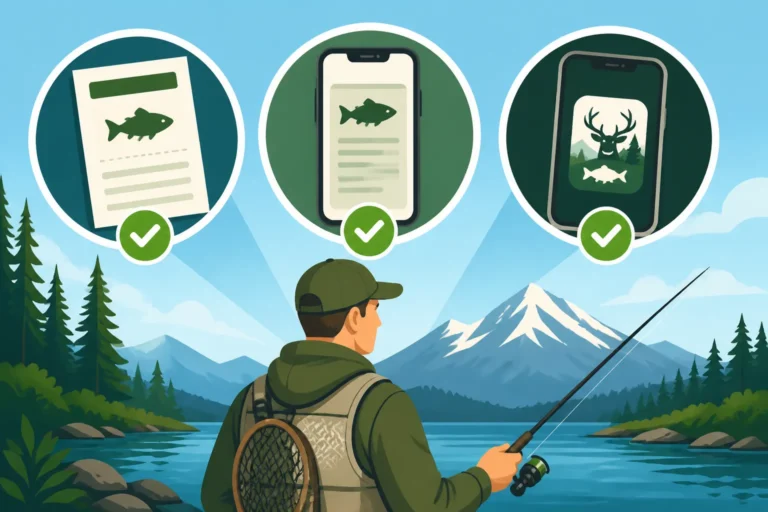
You can purchase these licenses in several convenient ways. The easiest is often online through the WDFW licensing system, which allows you to print it at home or save it to your phone. Many sporting goods stores like those found in larger cities, smaller tackle shops, and even some grocery stores also sell licenses. Additionally, the MyWDFW app can simplify the process of purchasing and carrying your license electronically. While you’re thinking about your trip, you can even buy youth-sized fishing gear, like a beginner rod and reel combo, directly from Amazon before your trip, ensuring your young angler is well-equipped. For more details on purchasing, see our guide on Where and How to Buy a Washington Fishing License.
Beyond the License: Other Important Rules for Nonresident Kids
Even if your child is under 15 and doesn't need a license, or if they're 15+ and have their license in hand, there are other crucial regulations that apply to all anglers, regardless of age or residency. Understanding these ensures a legal and ethical fishing experience.
Catch Record Cards
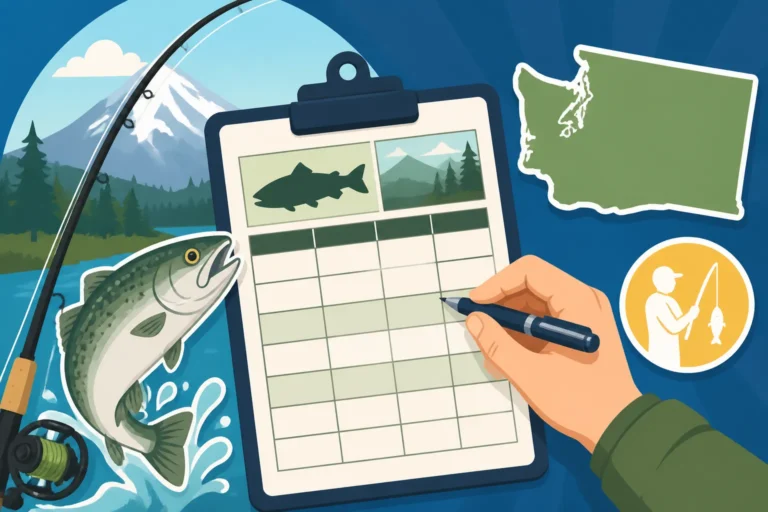
This is one of the biggest areas of confusion for families, especially those with younger children who don't need a fishing license. While a nonresident child under 15 doesn't need a general fishing license, they absolutely do need a Catch Record Card if they plan to fish for salmon, steelhead, sturgeon, or halibut.
A Catch Record Card is essentially a data collection tool for WDFW, vital for managing fish populations and understanding angler effort. When you keep one of these species, you must immediately record it on the card. For example, if your 12-year-old son, Jack, manages to land a legal Chinook salmon in Marine Area 9, that fish needs to be recorded on his Catch Record Card the moment it's retained. These cards are typically issued automatically when an adult purchases a combination or salmon/steelhead license. However, if your child is under 15 and therefore not buying a license, you'll need to specifically request a free Catch Record Card for them. They are available at any license vendor and can often be obtained online. Failing to have or properly fill out a Catch Record Card for these species is a serious violation, even for a child, and the responsibility often falls to the accompanying adult. It’s essential to understand The Washington Catch Record Card and What It Requires to avoid any issues.
Two-Pole Endorsement and Other Endorsements
Endorsements are additional stamps or permits required for specific fishing activities, and they apply to nonresident kids just as they would to adults, with some age-related nuances.
The most common endorsement people inquire about is the Two-Pole Endorsement. This allows an angler to use two fishing rods simultaneously in freshwaters where it's permitted (note: it's rarely allowed for salmon or steelhead fishing, and never in saltwater). If your 15-year-old nonresident daughter, Chloe, has purchased her freshwater fishing license and wants the advantage of fishing with two poles for trout in a lake, she would need to purchase a Two-Pole Endorsement in addition to her base license. However, for a child under 15 who doesn't need a base license, the Two-Pole Endorsement isn't directly applicable since it's an "add-on" to a base license. If a child under 15 voluntarily obtains a license (which isn't required), then they could also purchase the endorsement. But practically speaking, most parents wouldn't do this, as the primary benefit of the under-15 exemption is to avoid the cost and complexity. Learn more about Washington's Two-Pole Endorsement and Who Needs One.
Another important endorsement is the Columbia River Salmon and Steelhead Endorsement. If your nonresident child (15 or older, or under 15 with a voluntarily purchased license) plans to fish for salmon or steelhead in the mainstem Columbia River or certain tributaries, they will need this specific endorsement. This applies regardless of residency and is critical for managing these iconic fisheries. Understanding Washington's Columbia River Salmon and Steelhead Endorsement, Explained is key if you plan to fish this iconic river system with your family.
Bag Limits, Size Limits, and Gear Restrictions
This cannot be stressed enough: all anglers, regardless of age or residency, must adhere to Washington's daily bag limits, possession limits, size limits, and gear restrictions. The rules are not relaxed for children; they are designed to protect fish populations and ensure fair chase.
Let's say your family is visiting from Idaho, and your 10-year-old son, Leo, who doesn't need a license, is fishing for rainbow trout in a popular stocked lake. The daily limit for rainbow trout might be five fish, and there might be a minimum size limit. If Leo catches a sixth trout, or one that's too small, he must release it immediately and unharmed. He cannot keep it, even if he’s a child. Similarly, if you're fishing a river with a bait ban or a barbless hook requirement, Leo must also follow those rules. You can't put a worm on his hook where bait is prohibited, nor can he use a barbed hook if only barbless are allowed.
This also extends to possession limits, which dictates how many fish you can have in your possession at home, in your cooler, or in your vehicle, whether fresh or processed. These limits are usually twice the daily limit, but it's important to verify. For a comprehensive overview of how many fish you can keep, our article on Understanding Washington's Daily Bag Limits by Species provides excellent detail. The accompanying adult is ultimately responsible for ensuring that any minor fishing with them understands and follows these regulations. It's a great opportunity to teach responsible angling and conservation practices.
Practical Tips for Out-of-State Families
Planning a fishing trip with kids from out of state can be a fantastic family adventure. A little preparation goes a long way in ensuring a smooth, enjoyable, and legal experience.
Planning Your Trip and Checking Regulations
Before you even pack your bags, the most important thing you can do is thoroughly research the specific regulations for the areas you plan to fish. Washington's fishing rules are highly complex and can vary dramatically by water body, species, and even time of year. Emergency rule changes are also common, particularly for popular salmon and steelhead fisheries.
- Visit the WDFW Website: This is your primary resource. Their online fishing pamphlets are updated regularly and contain all the legal information you need. Look for sections specific to the freshwater or saltwater areas you intend to visit.
- Check for Emergency Rules: Always check the WDFW emergency rule change page just before you leave and even during your trip. Rules can literally change overnight due to conservation concerns or unexpected fish returns. You can usually find a link to these emergency rules directly on the WDFW website. Our guide on Washington Sport Fishing Seasons and Emergency Closures can help you understand how often these changes occur.
- Target Species: Decide what species you hope to catch. This will dictate which waters to visit and what regulations to focus on. For instance, Puget Sound salmon regulations are vastly different from those for trout in an Eastern Washington lake.
- Local Knowledge: Once you arrive, don't hesitate to visit a local tackle shop. The folks behind the counter often have the most up-to-date information on current conditions, recent rule changes, and effective techniques.
Taking the time to plan ensures that everyone, especially your young anglers, has a positive and compliant experience.
What to Bring and How to Prepare
Beyond the necessary licenses and Catch Record Cards (if applicable), packing the right gear and essentials can make or break a family fishing trip. Especially when traveling from out of state, being prepared for Washington's diverse weather and fishing conditions is key.
- Proper Documentation: For any nonresident 15 or older, their Washington fishing license and any required endorsements are paramount. Ensure you have printed copies or access to the MyWDFW app on your phone. If your child under 15 needs a Catch Record Card, make sure you have it, filled out with their information before they catch anything.
- Appropriate Gear: Consider the age and skill level of your kids. A simple spin-casting rod and reel combo is often best for beginners. You can pick up a decent starter kit at many retail stores, or find a wide selection of kid-friendly gear and tackle boxes on Amazon before you even leave home. Pack lures or bait appropriate for your target species and local regulations.
- Weather-Appropriate Clothing: Washington weather can be famously unpredictable, especially on the coast or in the mountains. Layers are your friend! Bring waterproof jackets and pants, even in summer. Warm hats, gloves, and waterproof boots are essential for cooler or wetter conditions. Many local tackle shops carry them, but you can also find a good selection of fishing-specific rain gear and layering options on Amazon if you're planning ahead.
- Comfort and Safety: Don't forget practical items like a good water bottle and some healthy snacks – again, easy to stock up on through Amazon. Sunscreen, hats, and sunglasses are vital, even on cloudy days, to protect against UV rays. A small first-aid kit is always a good idea. Life jackets are a must if you're fishing from a boat, kayak, or even near fast-moving water.
Being well-prepared not only keeps everyone safe and comfortable but also minimizes distractions, allowing you and your kids to focus on the fun of fishing.
Making the Trip Enjoyable for Young Anglers
The goal of fishing with kids, especially those from out of state who might not be regular anglers, should always be enjoyment, not just catching fish. A frustrated child quickly loses interest, turning a potential lifelong hobby into a one-time ordeal.
- Manage Expectations: Fishing can sometimes involve long periods of waiting. Explain this to kids beforehand. Focus on the experience – the boat ride, the scenery, the wildlife, spending time together. Every fish caught is a bonus!
- Keep it Short and Sweet: Don't plan all-day excursions, especially for younger kids. A few hours of active fishing is often more productive and enjoyable than a full day that ends in boredom or exhaustion.
- Involve Them Actively: Let them help with setting up gear (if safe), choosing lures, baiting hooks (if they're comfortable), and even unhooking smaller fish. Giving them responsibility makes them feel more invested.
- Choose Beginner-Friendly Spots: Opt for waters known for consistent, easy-to-catch species, like stocked trout lakes. Community fishing lakes are specifically designed for family fishing and often have amenities like docks and restrooms. Places like Clear Lake near Eatonville or Battle Ground Lake are excellent choices for reliable trout action, offering a great chance for success.
- Celebrate Small Victories: Whether it’s casting without tangling the line, identifying a fish, or just enjoying nature, acknowledge their efforts and enthusiasm. The excitement of a bite, even if the fish gets away, can be just as thrilling as landing a trophy.
By focusing on the overall experience and making it fun and accessible, you'll be fostering a love for the outdoors and fishing that could last a lifetime, regardless of how many licenses they eventually need.
Disclaimer
Please remember that fishing regulations can change frequently. While this guide provides comprehensive information, it is your responsibility to verify all current rules and regulations with the Washington Department of Fish and Wildlife (WDFW) before heading out. Always check for emergency rule changes that might impact your planned fishing trip.