Whitefish in Washington’s Mountain Rivers
When you think about fishing in Washington, your mind probably jumps straight to those iconic salmon runs, the powerful tug of a steelhead, or maybe the acrobatic leap of a rainbow trout. But nestled quietly in the cold, clear waters of our mountain rivers, there's another incredible native fish that often gets overlooked: the whitefish. Many anglers completely miss out on the fun and unique challenge these fish offer, seeing them as merely bycatch. This comprehensive guide will pull back the curtain on Washington's mountain whitefish, revealing where to find them, how to catch them, and why they absolutely deserve a spot on your fishing agenda.
Understanding Washington's Mountain Whitefish
Before we dive into the nitty-gritty of chasing them, let's get acquainted with the star of our show. The mountain whitefish isn't some generic "trash fish"; it's a fascinating, native species that plays a vital role in our river ecosystems and provides a surprising amount of sport and table fare for those who know how to appreciate it.
What Makes a Mountain Whitefish Unique?
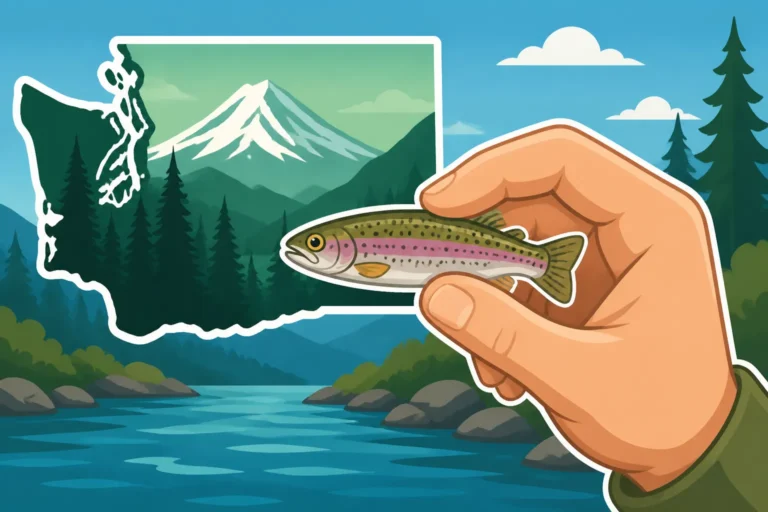
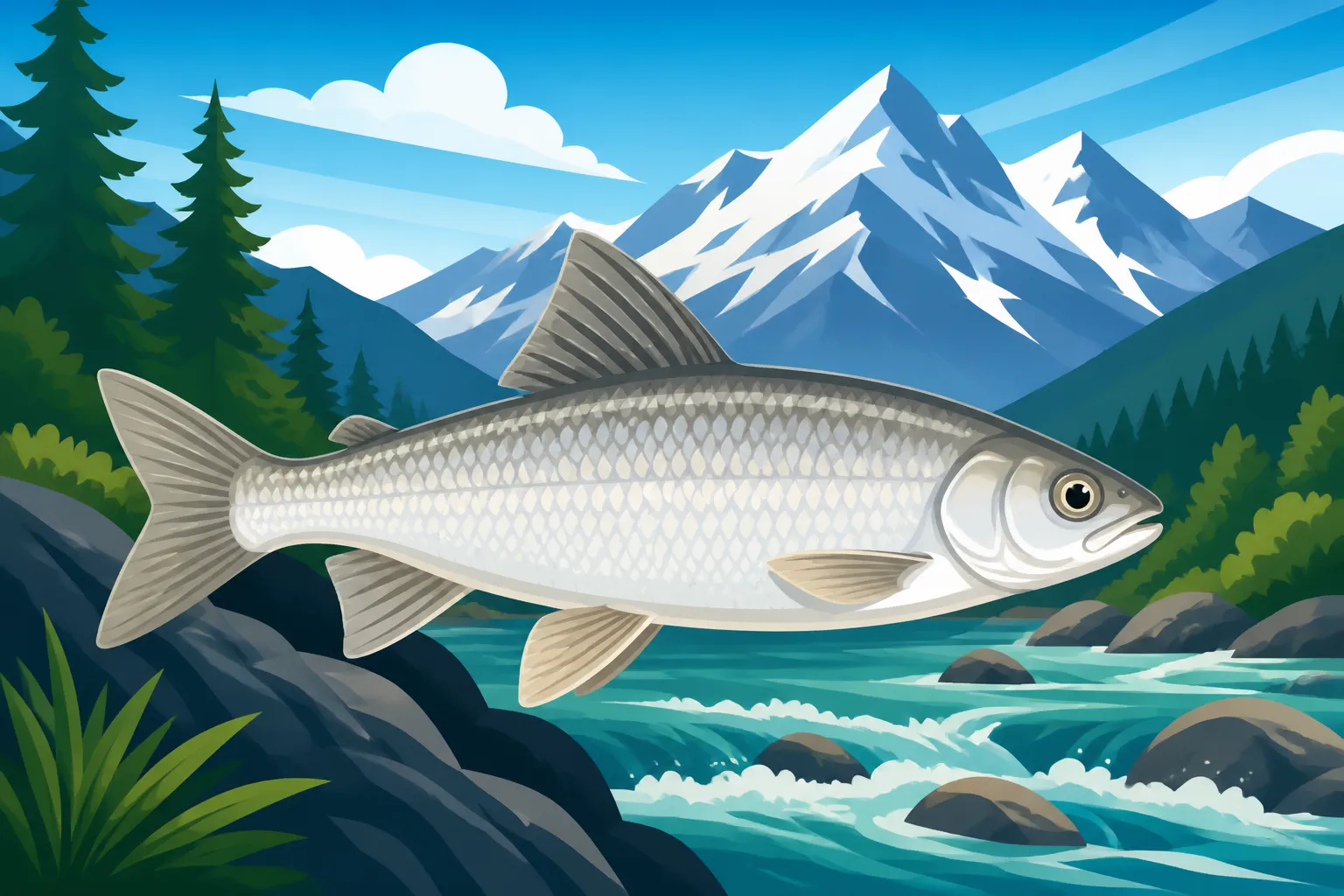
Mountain whitefish ( Prosopium williamsoni) are part of the salmonid family, which means they're distant cousins to the salmon and trout we all know and love. However, they have a distinctly different look and feeding habit. Unlike their more colorful relatives, whitefish are typically silvery with larger scales, often sporting a small adipose fin like trout and salmon. They have a small, sucker-like mouth that is set underneath their snout, which is a big clue to how they feed – primarily bottom-dwelling insects and larvae. This mouth position is why you often find them "nosing" along the riverbed.
They thrive in cold, clean, well-oxygenated rivers and streams, often sharing habitat with trout and steelhead. While they might not be as flashy as a chrome bright salmon, their subtle beauty and robust fight on light tackle make them incredibly rewarding. Plus, they're typically quite abundant, offering consistent action even when other species are finicky. Understanding their physical traits and preferred environment is the first step to successfully targeting them.
Distinguishing Whitefish from Trout
It's pretty common for new anglers to confuse whitefish with trout, especially smaller ones, but there are some key differences to help you tell them apart. The most obvious is that distinctive mouth. Trout have a terminal mouth (at the very front of the head), which is designed for chasing and striking prey. Whitefish, as mentioned, have that subterminal mouth, perfect for sifting through gravel and rocks for insects. Their scales are also noticeably larger and more prominent than a trout's. You'll notice their bodies tend to be more torpedo-shaped and less deep-bodied than many trout species.
Another tell-tale sign is the lack of vivid coloration or spots that are characteristic of most trout, like the vibrant red band of a rainbow or the distinct spots of a cutthroat. Whitefish usually maintain a more uniform silver-to-olive sheen. When you catch one, take a moment to observe these features. It helps you accurately identify your catch and also ensures you're adhering to any specific regulations, as whitefish limits can differ from trout limits in some areas. Getting good at identification is a crucial skill for any responsible angler, especially when you're wading through regulations that distinguish between species.
Prime Whitefish Habitats in Washington Rivers
Whitefish are creatures of habit, and knowing where they like to hang out significantly increases your chances of success. While they can be found in many coldwater rivers throughout Washington, certain characteristics of the water make some spots absolute magnets for these bottom feeders.
Identifying Key River Sections
Mountain whitefish are most often found in moderate to fast-flowing sections of rivers, particularly in areas with clean, rocky, or gravel bottoms. They absolutely love holding in deeper runs, eddies, and pools where the current is just strong enough to deliver food but not so strong that they have to work too hard. Look for them behind large boulders, in the deeper seams where faster water meets slower water, and at the tails of riffles or runs where food washes into a calmer, deeper spot. Think of it like this: if you were a tiny bug floating downriver, where would you naturally collect? That's likely where the whitefish will be.
Prime whitefish rivers include stretches of the Columbia River and its tributaries, as well as many of our more famous trout and steelhead rivers like the Yakima, Wenatchee, Methow, and even sections of the Skagit. These rivers offer the cold, oxygen-rich water and abundant insect life that whitefish thrive on. Pay close attention to water clarity; whitefish, like many river dwellers, prefer clear to slightly turbid water where they can easily spot their next meal.
Seasonal Movements and Concentrations
While whitefish are present year-round, their concentrations and activity levels can shift with the seasons, often dictated by water temperature and food availability. In the warmer months of summer and early fall, they might spread out a bit more throughout the river system. As temperatures drop in late fall and particularly into winter, whitefish tend to congregate in larger schools in deeper, slower pools and runs. This schooling behavior makes them an excellent target for winter anglers looking for consistent action when other fisheries are slowing down or closed.
During these colder periods, their metabolism slows, but they still need to feed. They become more predictable in their holding patterns, often stacking up in the same deep pockets year after year. This is also when they can be caught in large numbers, making for a fun and productive day on the water. Keep an eye on river flows and temperatures; stable, cold conditions often mean great whitefish fishing. Remember to check local conditions and regulations, especially during the colder months, as Washington Sport Fishing Seasons and Emergency Closures can impact access or specific gear rules.
Effective Techniques and Tackle for Whitefish
Targeting whitefish doesn't require a tackle shop overhaul, but a few specific approaches will definitely put more fish in your net. Because of their feeding habits and mouth structure, precise bait or lure presentation near the bottom is key.
Essential Gear for Whitefish Angling
When it comes to tackle, simplicity and finesse are your friends. A light to ultra-light spinning rod, typically 6 to 7 feet long, paired with a small spinning reel spooled with 4 to 6-pound test monofilament or fluorocarbon line is perfect. The lighter line allows for better feel and a more natural drift of your presentation. You don't need heavy gear; whitefish put up a surprising fight for their size, and lighter tackle makes it even more exhilarating.
For terminal tackle, think small. Tiny hooks (size 10 to 16, or even smaller) are crucial because of their small, delicate mouths. Small split shot weights are ideal for getting your bait down without inhibiting its natural drift. A good selection of these items can be found on sites like Amazon, making it easy to stock up. A small, sensitive bobber or strike indicator can also be a game-changer when drift fishing, helping you detect those subtle whitefish bites. Don't forget a small net, as their delicate mouths can tear easily.
Top Baits and Lures
Whitefish are primarily insectivores, so natural baits that mimic their diet are incredibly effective. Maggots, mealworms, wax worms, and even pieces of cured salmon roe (often called "ghost shrimp") are excellent choices. A popular rig involves a small split shot or two crimped a foot or so above a tiny hook tipped with bait, drifted along the bottom. You want just enough weight to bounce along the riverbed without snagging constantly.
| Bait/Lure Type | Description | Best Use Cases |
|---|---|---|
| Maggots/Mealworms | Small, live grubs; highly effective natural bait. | Winter and cold water, slow drifts through deep pools, under a small bobber or tight-lining. |
| Wax Worms | Larger than maggots, good durability; another excellent natural option. | Similar to maggots, good when you need a slightly larger profile, or when fish are being picky with smaller baits. |
| Cured Roe (Ghost Shrimp) | Small, often white or clear salmon eggs; highly attractive scent and texture. | Fished singularly on a small hook, great in clear water, often works when other baits fail. |
| Tiny Jigs | 1/32 to 1/8 ounce jigs in white, pink, or chartreuse. | Vertical jigging in deep holes, drifting under a bobber, subtle twitching presentations. |
| Small Nymph Flies | Imitations of aquatic insects (e.g., Prince Nymph, Pheasant Tail). | Fly fishing with an indicator or Euro nymphing techniques in clear, cold water. |
Beyond bait, tiny jigs, often 1/32 to 1/8 ounce, can also be very productive, especially in white, pink, or chartreuse. These can be jigged slowly along the bottom or drifted under a float. For fly anglers, small nymph patterns like Prince Nymphs, Hare's Ears, or Pheasant Tail Nymphs, fished with a strike indicator or using European nymphing techniques, are incredibly effective. The key is to get your offering down to where the whitefish are feeding. Learning How to Fish a Dropper Rig for Trout can also be very useful, as a similar setup with two small flies or baits can double your chances.
Techniques for Success
The most common and effective method for whitefish is drift fishing on the bottom. You want your bait or lure to tumble along naturally with the current, mimicking a dislodged insect. Cast slightly upstream and across, allowing your weight to hit the bottom and your bait to drift. Watch your line or indicator carefully for any hesitation or subtle tug – whitefish bites can be very light. Often, it feels like a slight tick or simply the line stopping its natural drift.
Another popular method, especially in deeper pools or from boats, is vertical jigging. Drop a small jig directly below you, let it hit bottom, and then impart subtle lifts and drops. This can be deadly when whitefish are schooled up tight. When bank fishing, look for eddies and current breaks; these are prime spots for whitefish to conserve energy while waiting for food. Remember, consistency in presentation and being observant of those subtle takes will greatly improve your catch rates.
The Unsung Value of Washington Whitefish
Many anglers view whitefish as secondary to salmon and trout, but these feisty bottom-dwellers offer a unique and valuable angling experience. From their spirited fight to their surprisingly delicious flesh, there's a lot to love about mountain whitefish once you give them a chance.
A Fun and Accessible Fishery
One of the greatest appeals of whitefish is how accessible and forgiving their fishery can be. They are often abundant, especially in the right conditions, providing consistent action that can be hard to come by with more elusive species. This makes them a fantastic target for beginners, families, or experienced anglers looking for a day of steady bites. You don't need a boat or specialized gear to catch them; many excellent whitefish spots are accessible from the bank.
Moreover, whitefish are often active when other fish aren't. During the cold winter months, when many salmon and steelhead seasons are winding down or closed, whitefish are often schooling up and actively feeding. This provides a much-needed outlet for anglers suffering from "cabin fever," allowing them to get out on the water and enjoy the peace and quiet of a winter river. It's a fantastic way to keep your casting arm limber and hone your river fishing skills.
Excellent Table Fare and Culinary Versatility
Let's address the elephant in the room: many people assume whitefish aren't good to eat. This couldn't be further from the truth! Mountain whitefish have firm, white, flaky flesh that is surprisingly delicious and mild-flavored. They are often compared to a freshwater cod or sole. Their flavor is clean, especially when caught from the cold, clear waters they inhabit. In many parts of the country, whitefish are highly prized for the table.
They are incredibly versatile in the kitchen. You can fry them, bake them, grill them, or even smoke them. Simple preparations, like pan-frying with a light flour dredge, salt, and pepper, really let their natural flavor shine. They make excellent fish tacos or even a delicious fish spread. Don't let misconceptions deter you from trying them; they can easily become one of your favorite Best-Eating Fish in Washington Waters. Just be sure to bleed them quickly after catching and keep them on ice to preserve their quality.
Navigating Whitefish Regulations in Washington
Fishing for whitefish in Washington, like any species, comes with its own set of rules and regulations. It’s crucial to understand these to ensure you're fishing legally and sustainably. Many of the general fishing rules apply, but there are often specific considerations for whitefish themselves.
General Licensing and River Rules
First and foremost, you'll need a valid Washington fishing license. For fishing in mountain rivers, a freshwater fishing license is typically what you'll need. Depending on your specific plans, you might consider a combination license if you also intend to fish saltwater or want the flexibility. You can learn more about your options in Freshwater vs Saltwater vs Combination Licenses in Washington. Always carry your license with you, whether it's the paper copy or accessible on your phone through the MyWDFW app.
Beyond licensing, many of the general river rules apply to whitefish as well. This includes adhering to any bait restrictions (some rivers or sections might have What a Bait Ban Actually Restricts in Washington), gear restrictions, and ensuring you're not fishing in closed areas. It's a good habit to consult the current Washington Fishing Regulations Every Angler Should Know before every trip. These pamphlets are your bible for staying legal on the water and cover everything from open seasons to catch-and-release rules.
Whitefish Specific Limits and Considerations
Unlike some more protected species, whitefish often have very generous daily bag limits in Washington, or sometimes no limit at all in certain waters. This is part of why they're such a great target for anglers looking to fill a cooler with tasty fish. However, "generous" doesn't always mean "unlimited," so it's absolutely vital to check the current regulations for the specific river or body of water you plan to fish. The rules can vary by river section, marine area, or even time of year.
For instance, a particular river might have a high daily limit for whitefish, while a neighboring stream might have a different regulation. Always consult the most recent WDFW Sport Fishing Rules pamphlet or the WDFW website for exact figures. Pay attention to any special rules for areas shared with tribal fisheries or specific management zones. There usually aren't size restrictions on whitefish, unlike Washington River Trout Limit or salmon, but again, verify this for your chosen location. Being a responsible angler means doing your homework before you ever wet a line.
Whitefish in Prominent Washington Rivers
While mountain whitefish are widely distributed, certain rivers stand out as prime locations for targeting these often-underestimated fish. These rivers provide the ideal habitat and conditions for whitefish to thrive, and they're often already popular destinations for other species, making them easily accessible.
The Yakima River System
The Yakima River, particularly the upper and middle sections, is a fantastic example of a premier whitefish fishery in Washington. While it's famously known for its wild trout (and a fantastic place to hone your skills, as discussed in Nymphing for Trout on Washington's Yakima River and The Yakima River in Washington for Wild Trout), the river also holds a thriving population of mountain whitefish. They often occupy the same runs and riffles as trout, making them a common, welcome bycatch for fly anglers and gear fishers alike.
During the colder months, when the trout bite can slow, whitefish often become the main attraction, schooling up in deeper pools and providing consistent action. The abundance of aquatic insect life in the Yakima, from stoneflies to mayflies, provides a constant food source that keeps these fish well-fed and active. Anglers drifting small nymphs, worms, or even tiny jigs can find great success here. The diverse habitat, with its mix of fast riffles, deeper runs, and slow pools, creates perfect whitefish holding water throughout much of its length.
Other Notable Washington Rivers
Beyond the Yakima, many other Washington rivers offer excellent whitefish opportunities. The Wenatchee River, another popular salmon and steelhead river, also boasts a healthy whitefish population, especially in its lower and middle sections. Like the Yakima, anglers often encounter whitefish while targeting other species, but dedicated whitefish efforts can be very productive. The Methow River in Eastern Washington is another beautiful river with good numbers of whitefish, particularly in its upper reaches.
In Western Washington, some of the larger river systems, including certain areas of the Skagit and Sauk rivers, will also hold whitefish, especially in their clearer, colder tributaries or during periods of stable flow. Even the mighty Columbia River holds whitefish, particularly in its tributaries that flow down from the mountains. When exploring new waters, look for those classic whitefish habitats: clean gravel, moderate current, and cold, clear water. If there are trout, chances are there are whitefish nearby too, offering double the fun.
Disclaimer
This article is for general informational purposes only and does not constitute professional advice. Laws, prices and regulations vary by location and change over time. Consult a qualified professional for guidance on your specific situation.