How Big Washington Pink Salmon Get
For many anglers new to Washington's waters, or even seasoned veterans who haven't specifically targeted them, there's often a bit of confusion around pink salmon. They're sometimes seen as the "little cousins" of the salmon world, and you might wonder if they're even worth the effort to pursue given their reputation for being on the smaller side. This guide is here to shed some light on the true size of Washington pink salmon, what factors play into it, and how they stack up against their larger brethren, so you know exactly what to expect when you hook into one of these feisty fish.
Understanding the Typical Size of Washington Pink Salmon
When you hear "salmon," your mind might jump to the massive Chinook, but pink salmon, often affectionately called "humpies" due to the distinctive hump males develop during spawning, certainly hold their own unique charm. While they might not be the giants of the Pacific, they offer an incredibly accessible and exciting fishery, especially during their abundant odd-year returns. Their typical size makes them a fantastic target for light tackle, providing a spirited fight that’s a blast for anglers of all skill levels.
There's a common misconception that pink salmon are uniformly tiny, but the truth is, their size can be quite respectable, especially for a fish that runs in such incredible numbers. When you're out on the water, you're looking for a fish that, while not breaking any weight records compared to a king salmon, offers plenty of sport and makes for excellent table fare if handled properly. Don't let their reputation deter you; a fresh pink on the line is a truly thrilling experience.
Average Weight and Length for Humpies
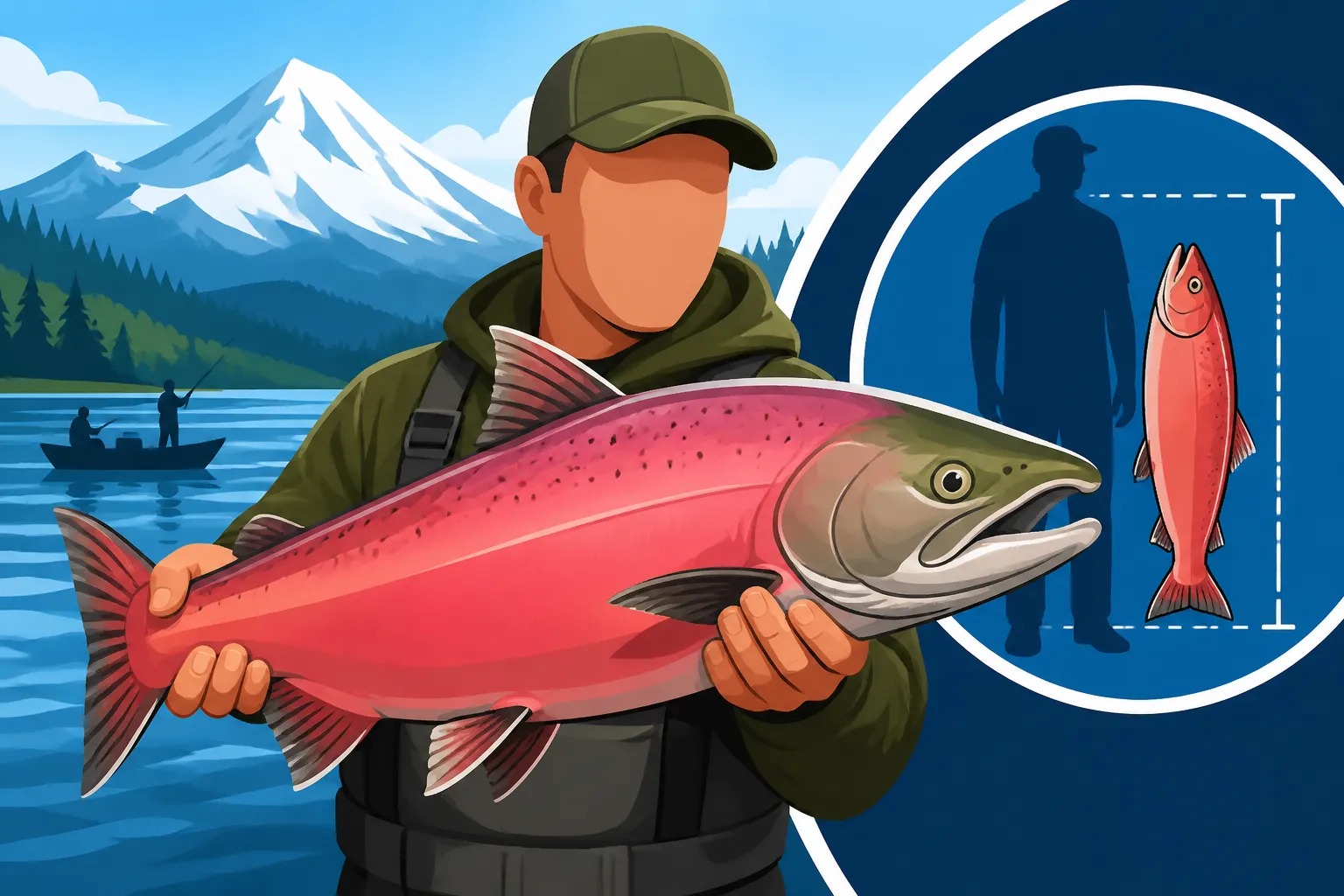
Most pink salmon caught in Washington waters will typically fall within a certain range, making them quite predictable in terms of what you'll encounter. You can generally expect these fish to weigh in somewhere between 3 to 5 pounds. Now, that might not sound huge if you're dreaming of a 30-pound Chinook, but for a fast-swimming, hard-fighting salmon, a 4-pound pink can feel much bigger on light gear. They are incredibly strong for their size, pulling hard and often making acrobatic leaps.
In terms of length, these average pink salmon will usually measure between 18 to 24 inches from the tip of their nose to the fork of their tail. This makes them a very manageable size for most landing nets and fish boxes. Many anglers find this size ideal for freezing whole or filleting into convenient portions. It’s also important to remember that these are average figures; every now and then, you'll encounter a fish that pushes these limits, which is always an exciting surprise on the water.
Variance by Run, Location, and Ocean Conditions
One fascinating aspect of pink salmon is how their size can fluctuate not just season to season, but also depending on where you're fishing and what the ocean conditions have been like. For instance, pink salmon returning to the Strait of Juan de Fuca or the outer coast might experience slightly different feeding opportunities compared to those heading deep into Puget Sound. These environmental factors, particularly the abundance of krill and small crustaceans in their marine feeding grounds, play a huge role in how much they grow before returning to spawn.
Some years, marine biologists and experienced anglers will note a trend of particularly fat or slender pinks. This is often directly tied to the forage available in the North Pacific during their relatively short two-year life cycle. A strong abundance of their preferred food can lead to heavier, chunkier fish, while leaner years might see fish at the lower end of the average weight spectrum. It's a testament to the intricate balance of the marine ecosystem and why checking local reports and talking to fellow anglers can give you a heads-up on what kind of "humpies" to expect that season. This variability is part of what makes Washington Fishing Seasons: A Month-by-Month Guide such a vital resource.
Factors Influencing Pink Salmon Size
While pink salmon generally stick to a predictable size range, there are several key factors that contribute to how big any individual fish might get. It's not just random; there's a science behind why some years or locations yield slightly larger or smaller fish. Understanding these elements can give you a deeper appreciation for the journey these incredible creatures undertake and why conservation efforts are so critical for their continued health.
Think about it like this: just like any living creature, growth is dependent on sustenance and environment. For a fish that spends its entire adult life in the vastness of the ocean, the conditions out there are paramount. This is why when anglers talk about a "good year" for salmon, it's often linked to strong ocean conditions that provided plenty of food.
Oceanic Conditions and Food Availability
The most significant factor determining a pink salmon's size is the quality and quantity of food available in the marine environment. Pink salmon have a very short, two-year life cycle. They hatch in freshwater, migrate to the ocean, spend about 18 months feeding and growing, and then return to spawn and die. During that roughly year and a half in the ocean, they are voracious eaters, primarily feasting on krill, copepods, and other small invertebrates. If the ocean conditions are favorable, meaning abundant upwellings bring nutrient-rich waters to the surface, it creates a boom in these tiny organisms.
Conversely, if ocean currents or temperatures shift in a way that disperses their food sources or makes them less available, pink salmon might not grow as large. Warmer ocean temperatures, for instance, can sometimes push krill further north or deeper, making it harder for the salmon to find enough to eat. This connection between ocean health and fish size is something marine biologists study closely, and it directly impacts what anglers see in their nets and on their lines. You might even find some advanced tracking gear on Amazon that helps researchers monitor these conditions.
Run Timing and Spawning Readiness
Another interesting factor that influences the size you observe is related to the pink salmon's run timing and their physiological changes as they prepare to spawn. As pink salmon enter freshwater, they stop feeding. All the energy they need for their upstream migration, finding a mate, and digging a redd comes from the fat reserves they built up in the ocean. This means that as they get closer to their spawning grounds, they are slowly consuming their own body mass.
Fish caught early in the run, closer to the saltwater or estuary, tend to be heavier and in prime condition. They're still carrying all their ocean-acquired fat. Those caught further upstream, or later in the run, might have lost a bit of weight as they expended energy. Males, in particular, develop that distinctive "hump" on their back and a more pronounced kype (hooked jaw), which is an incredible transformation but also a drain on their physical resources. So, the "size" you perceive can also be a snapshot of their journey towards spawning. This is why understanding When Pink Salmon Run in Washington is key.
Genetic Factors and Hatchery Influence
While often overlooked, genetics can also play a subtle role in the potential maximum size of pink salmon. Wild salmon populations have evolved over generations in specific river systems, developing traits that help them survive and reproduce in their unique environment. This includes a genetic predisposition for a certain growth rate and potential adult size. Different river systems might have slightly different average sizes for their returning pinks, though these differences are usually minor compared to the impact of ocean conditions.
Hatchery programs, which are less common for pink salmon than for other species like Chinook or Coho, could theoretically influence size if specific broodstock were consistently selected for larger individuals. However, the vast majority of pink salmon returning to Washington are wild-born, making their genetics primarily a natural outcome of their lineage. Any gear for studying or monitoring fish, even basic tools like specialized nets or measuring boards, can often be found on Amazon if you're interested in deeper exploration.
Washington State Record for Pink Salmon
Every angler dreams of catching a record-breaking fish, and while pink salmon might not be renowned for their gargantuan proportions like a world-record halibut, there's still a state record to aspire to in Washington. Chasing a record for any species adds an extra layer of excitement to the fishing experience, pushing you to refine your techniques and understand the species even better.
It’s a testament to the fact that even the "smaller" salmon species can surprise you with a truly exceptional individual. For many, just hooking into a solid 5-pound pink on light gear feels like a record already! But knowing the actual state record helps put things into perspective and fuels the competitive spirit for those who love to push the boundaries of what's possible.
The Record Holder and the Thrill of the Catch
The current Washington state record for pink salmon stands at a remarkable 15 pounds, 10 ounces. This phenomenal fish was caught by Pat Niemeyer way back in 1968, in the waters of Puget Sound. Imagine the thrill of hooking into a pink salmon that more than triples the average size! That's the kind of catch that becomes the stuff of legend around fishing camps and on docks for generations. It shows that while most pinks are within that 3-5 pound range, there are true anomalies out there, likely benefiting from exceptionally rich feeding grounds and perhaps a touch of genetic lottery.
For context, a pink salmon of that size would be comparable to a small to mid-sized Coho or even a smaller Chinook, a truly incredible specimen for its species. It proves that you should never underestimate what's lurking beneath the surface. Every cast holds the potential for something truly special, which is why even seasoned anglers eagerly await the Pink Salmon: Washington's Odd-Year Run to test their luck.
What it Means for Anglers Today
While a 15-pound pink salmon might be an extreme rarity today, the existence of such a record offers inspiration. It tells us that while general expectations are for smaller fish, the potential for a genuine trophy is always there. For current anglers, it means that paying attention to your gear, using strong knots, and being prepared for a powerful fight are always wise, regardless of the species. You never know when that next cast could connect you with a fish that far exceeds expectations.
It also highlights the importance of submitting potential record catches to the Washington Department of Fish and Wildlife (WDFW). Documenting these incredible fish helps track the health and potential of our fisheries. And who knows, with the right conditions, maybe the next odd-year run will produce another monster pink that challenges Pat Niemeyer's long-standing record. Don't forget a reliable scale and measuring tape, perhaps one you ordered from Amazon, if you're seriously hoping to contend for a record.
Pink Salmon Size Compared to Other Washington Salmon Species
To truly grasp how big Washington pink salmon get, it helps to put their size into context by comparing them to the other salmon species you'll encounter in our abundant waters. Washington is incredibly blessed with runs of all five Pacific salmon species, and each has its own characteristic size, fight, and culinary qualities. Understanding these differences can help you set realistic expectations, tailor your gear, and even choose which species you want to target on a given trip.
It's not about one species being "better" than another, but rather appreciating the diversity and unique characteristics of each. Whether you're chasing the chrome bullets of the Puget Sound or the broad-shouldered fighters of the Columbia River, knowing what you're up against makes the experience all the more rewarding.
Pinks vs. Chinook Salmon
The most dramatic size comparison is undoubtedly between pink salmon and Chinook salmon, also known as "Kings." Chinook are the undisputed heavyweights of the Pacific, and Washington is home to some truly massive specimens. While a pink salmon averages 3-5 pounds, a Chinook can easily range from 15 to 30 pounds, with true monsters pushing 50, 60, or even 70 pounds in some river systems. Catching a 20-pound Chinook feels like a completely different battle than a 5-pound pink.
The sheer power and stamina of a large Chinook necessitate much heavier tackle—think stout rods, large reels, and heavy line—compared to the lighter spinning or fly gear often used for pinks. When it comes to fishing, targeting Chinook Salmon: Washington's King of Fish is a commitment to a potentially long, brutal fight, whereas pink fishing offers fast action with more manageable fish. While a big pink might be 24 inches, a 30-pound Chinook can be well over 40 inches!
Pinks vs. Coho and Sockeye Salmon
When you compare pinks to Coho (Silvers) and Sockeye (Reds), the size differences become a bit less extreme, but still notable. Coho salmon typically fall into the 8-12 pound range, with some larger individuals reaching 15 pounds or more. They are renowned for their acrobatic fights and aggressive takes. So, a Coho will generally be at least double the weight of an average pink, and often considerably more. If you want to learn more about them, check out Coho Salmon Fishing in Washington.
Sockeye salmon, particularly the famous Baker Lake sockeye, also tend to be larger than pinks, often weighing 5-10 pounds. They are lean, powerful swimmers known for their brilliant red flesh. While an exceptionally large pink might rival a smaller sockeye in weight, on average, sockeye will be the bigger fish. Both Coho and Sockeye, like Chinook, demand slightly heavier tackle than pinks, though not as heavy as for the largest Kings. This means if you're switching between species, you might need to adjust your setup. Understanding How to Tell a Chinook From a Coho can further help distinguish these species on the water.
Here's a quick comparison of average sizes for common Washington salmon species:
| Species | Average Weight (lbs) | Average Length (inches) |
|---|---|---|
| Pink Salmon | 3-5 | 18-24 |
| Sockeye Salmon | 5-10 | 20-28 |
| Coho Salmon | 8-12 | 24-30 |
| Chinook Salmon | 15-30+ | 30-50+ |
Targeting Pink Salmon for Their Unique Qualities
Despite being the smallest of the Pacific salmon, pinks offer an incredible fishery that shouldn't be overlooked. Their sheer abundance in odd-numbered years, their willingness to bite, and their feisty fighting style make them an ideal target, especially for families, beginners, or anyone looking for consistent action on the water. Instead of focusing solely on their size, it's worth appreciating what makes pink salmon such a popular and exciting catch in Washington.
They are a fantastic gateway species for new anglers, building confidence and providing memorable experiences that can last a lifetime. Plus, when handled and prepared correctly, they are absolutely delicious, often underestimated in their culinary value.
Abundance and Accessibility
One of the greatest appeals of pink salmon in Washington, particularly during their Do Pink Salmon Only Run in Odd Years in Washington? cycle, is their incredible abundance. When a strong run comes in, these fish can literally fill rivers and saltwater areas, providing opportunities for anglers of all skill levels to hook up. This high density means more bites, more fish on the line, and generally a much higher success rate compared to targeting more elusive species. This accessibility makes them perfect for a casual outing or for introducing children to the joy of fishing.
You don't need highly specialized gear or techniques to catch them either. Simple casting setups with small spoons, spinners, or even flies are incredibly effective. You can often find great deals on appropriate gear for pinks, whether it's a basic rod and reel combo or a selection of bright pink lures, by browsing options on Amazon. This low barrier to entry, combined with the sheer numbers of fish, makes pink salmon a fantastic fishery for everyone.
Sporting Qualities and Culinary Value
Don't let their average size fool you; pink salmon are incredibly sporting fish. On appropriate light tackle, they are feisty, make strong runs, and often jump clear out of the water. Their fight is spirited and enjoyable, offering plenty of excitement without necessarily requiring heavy-duty gear. For many anglers, the thrill isn't just in the size of the fish, but in the quality of the fight, and pinks deliver on that front in spades.
And let's talk about eating! While some mistakenly believe pink salmon aren't as good as their larger cousins, a fresh, chrome-bright pink salmon caught early in the run, handled quickly, and kept cold is absolutely delicious. Their flesh is typically lighter in color than a Chinook or Sockeye, but it's flaky, mild, and has a lovely delicate flavor. They are fantastic baked, grilled, smoked, or used in chowders and fish cakes. Many highly regard Is Pink Salmon Good to Eat Fresh? and they are a great source of lean protein. They offer a great opportunity to stock your freezer with fresh, wild-caught salmon without needing to land a giant.
Best Practices for Fishing Pink Salmon
To make the most of your pink salmon fishing experience, keep a few best practices in mind. First, always check the current Washington fishing regulations. Emergency rule changes can occur, so having the latest information from the Reading the Washington Sport Fishing Regulations Pamphlet is crucial. Second, consider using lighter tackle; a medium-light spinning rod with 8-12 pound test line will give you a fantastic fight and plenty of sensitivity.
Third, focus on bright, attention-grabbing lures, especially pink or chartreuse colors, as these are often irresistible to humpback salmon. Finally, if you plan to keep your catch, be prepared to bleed and ice your fish immediately. This crucial step preserves the quality of the meat, ensuring that your pink salmon tastes as good as possible. Even if you're fishing catch-and-release, handling them gently and releasing them quickly is important for the health of the run.
Disclaimer
This article is for general informational purposes only and does not constitute professional advice. Laws, prices and regulations vary by location and change over time. Consult a qualified professional for guidance on your specific situation.