Washington River Trout Limit
Figuring out the exact legal limit for trout you can keep from Washington's diverse rivers can feel like trying to solve a cryptic puzzle sometimes, right? One river might have you releasing everything wild, while another allows a few hatchery fish. It's enough to make you feel like you need a law degree just to go fishing. This comprehensive guide is here to untangle that complexity, helping you understand the rules for river trout across the Evergreen State so you can fish confidently and legally.
Navigating the Nuances of Washington's River Trout Limits
Washington state boasts an incredible array of rivers, from the majestic Columbia to the intimate Olympic Peninsula streams, and each one can have its own specific rules when it comes to trout. It's not a simple "one-size-fits-all" scenario, which is where a lot of the confusion stems from. Many anglers, myself included, have stood by a riverbank, regulations pamphlet clutched in hand, scratching our heads over the fine print. The key takeaway here is that you absolutely cannot assume the limit for one river applies to another, or even that the rules for one species of trout apply to a different one in the same water.
The Washington Department of Fish and Wildlife (WDFW) sets these regulations with conservation as a top priority, aiming to protect wild fish populations while providing opportunities to harvest hatchery-raised trout. This balance is critical, especially for iconic species like steelhead and native cutthroat. You'll find that the WDFW's rules are incredibly detailed because they reflect the unique ecological needs of each river system and the specific fish populations within them. This means paying close attention to the fine print is paramount, and thankfully, resources like the official WDFW website and their annual regulation pamphlet are readily available. Sometimes, even having a physical copy of the regulations you can mark up, perhaps purchased from a reputable outdoor retailer or even found on a platform like Amazon (though WDFW provides them free online), can be really helpful when you're out in the field without cell service.
General Daily Bag Limits for River Trout
Let's dive into some of the more common river trout species you'll encounter in Washington and their typical bag limits. Remember, these are general guidelines, and local rules always take precedence. The primary goal is usually to distinguish between wild and hatchery fish, with wild fish often having stricter catch-and-release rules to support their natural reproduction.
Rainbow Trout and Cutthroat Trout
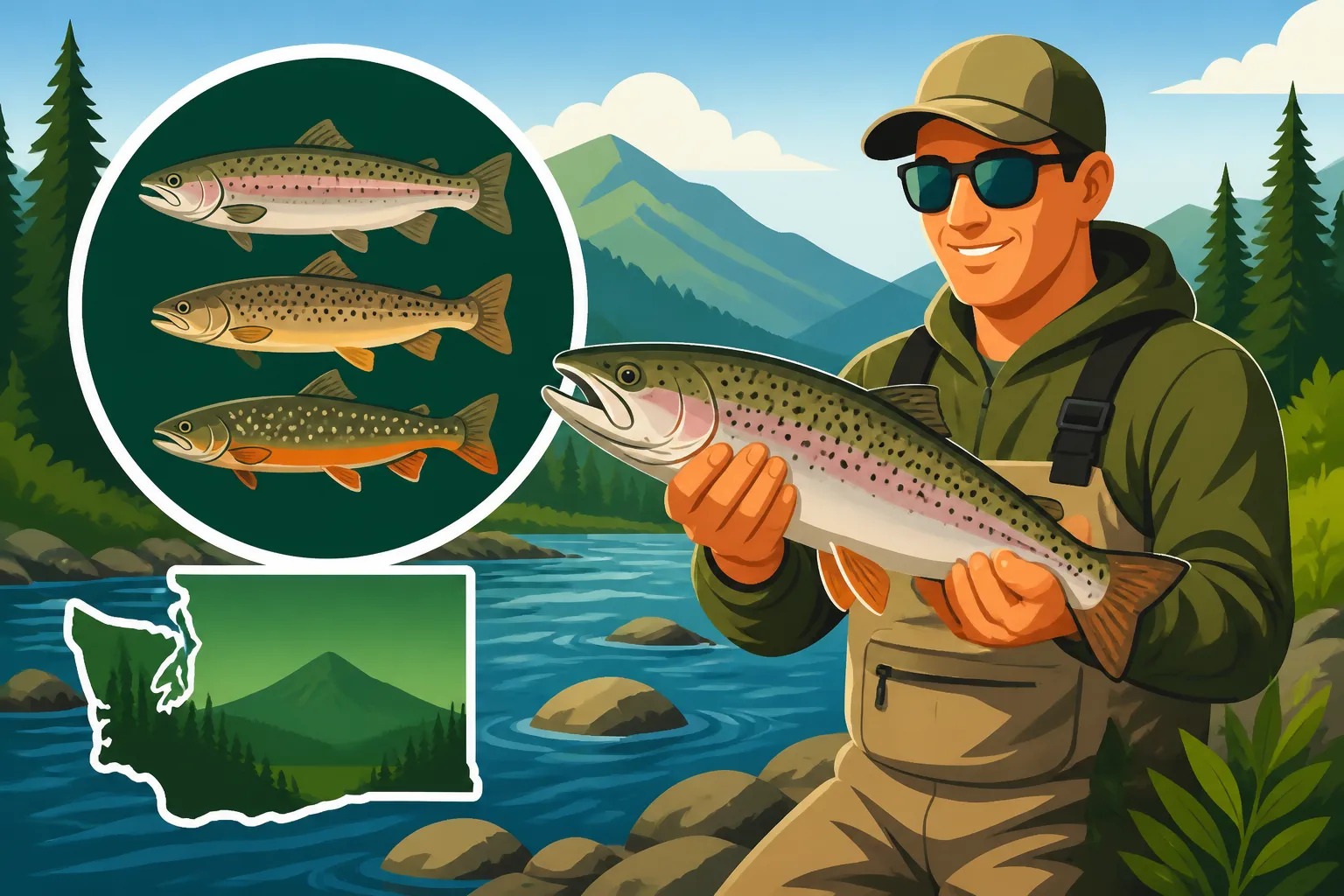
These two species are perhaps the most widespread and frequently targeted trout in Washington's rivers. Rainbow trout, in particular, are often stocked from hatcheries, providing ample opportunities for anglers.
- Rainbow Trout: In many rivers, the general daily limit for rainbow trout is 5 fish. However, this often comes with provisos. For instance, in areas where wild rainbow trout are present and need protection, there might be a "selective gear rule" in place, or even a complete ban on retaining wild fish. You might be allowed to keep hatchery rainbow trout, identifiable by a clipped adipose fin, while wild ones must be released. Always check for minimum or maximum size limits as well. Some rivers might stipulate, for example, that no more than two fish over a certain length (say, 12 inches) can be retained. The goal here is often to protect larger, spawning-potential wild fish. For a detailed look at distinguishing between hatchery and wild fish, understanding rules around Wild Steelhead vs Hatchery Steelhead in Washington is a good start, as similar principles apply to other trout species.
- Cutthroat Trout: Washington's rivers are home to coastal cutthroat, including sea-run varieties that migrate between fresh and saltwater. General limits for cutthroat trout in many rivers often align with rainbow trout at 5 fish daily, but again, wild fish are usually subject to more stringent rules. In many Western Washington rivers, especially those on the Olympic Peninsula, you'll find that wild cutthroat must be released, often year-round, regardless of size. Hatchery-produced cutthroat (if present and identifiable) might be allowed to be kept, but this is less common for cutthroat than for rainbows. The regulations for coastal rivers often include specific clauses for sea-run cutthroat, as these fish are highly valued.
Brown Trout and Brook Trout
These non-native species are found in specific river systems throughout Washington, particularly in Eastern Washington, and often have slightly different management strategies.
- Brown Trout: Brown trout are prized for their elusive nature and often larger size. They are found in a number of Washington rivers and streams, typically in areas with good cover and cooler water. Unlike rainbow and cutthroat, brown trout are not typically hatchery-stocked in rivers for recreational harvest in Washington, and their populations are often self-sustaining. The general daily limit for brown trout, where they are present and legal to keep, is often 5 fish, but again, location-specific rules can significantly alter this. For example, some rivers might have a 2-fish limit with a minimum size of 12 inches to encourage the growth of larger fish. It’s crucial to verify the specific river rules, as they can vary even within different stretches of the same river.
- Brook Trout: These smaller, colorful trout are common in high-elevation streams and alpine lakes, but also inhabit some lower-elevation rivers, particularly in Eastern Washington. Brook trout are also non-native and can sometimes outcompete native species. Because of this, some regulations encourage their harvest, and you might find more liberal limits for brook trout in certain areas. For example, some rivers or stream sections might allow a daily limit of 10 brook trout, with no size restrictions, to help manage their populations. However, in sensitive areas where native cutthroat or bull trout are present, even brook trout limits can be restrictive to avoid accidental harvest of protected species.
Table: General River Trout Daily Bag Limits in Washington (Common Scenarios)
| Trout Species | General Daily Limit (Common) | Specific Considerations/Notes |
|---|---|---|
| Rainbow Trout | 5 fish | Often requires release of wild fish. Check for adipose fin clips (hatchery fish). Size restrictions (e.g., no more than 2 over 12"). |
| Cutthroat Trout | 5 fish | Wild cutthroat often catch-and-release only, especially in Western WA rivers. Sea-run cutthroat have specific rules. |
| Brown Trout | 5 fish | Not widely stocked in rivers; wild populations. Specific rivers may have stricter limits (e.g., 2 fish, 12" min size). |
| Brook Trout | 5-10 fish | Non-native; limits can be more liberal in some areas (e.g., 10 fish, no size). Check for interaction with native species. |
| Steelhead | Varies, often 0-2 (hatchery) | Highly regulated. Often catch-and-release for wild. Specific seasons and areas for hatchery retention. |
Note: This table represents common scenarios. Always consult the official WDFW regulations pamphlet for the specific river and species you are targeting before fishing. These rules can change frequently.
Understanding Special River Rules and Exceptions
It’s not just about the number of fish; Washington's river trout regulations are filled with important nuances that can quickly turn a legal catch into a violation if you're not paying attention. These special rules are vital for conservation and ensuring sustainable fisheries.
Wild vs. Hatchery Identification
This is arguably the most critical distinction in Washington trout fishing. Many rivers have rules allowing retention of hatchery trout while requiring the release of wild trout. How do you tell the difference? The most common method is the presence or absence of an adipose fin clip.
- Hatchery Fish: These fish typically have their adipose fin (the small, fleshy fin between the dorsal fin and the tail) removed. This clip is done when the fish are very young, usually before release. If you catch a trout with a missing adipose fin, it's generally considered a hatchery fish. However, always double-check the regulations for that specific river, as there might be exceptions or additional markings.
- Wild Fish: Wild trout will have an intact adipose fin. If you catch a trout with an adipose fin, and the regulations specify "release all wild fish," then it must be carefully unhooked and returned to the water unharmed. Penalties for keeping a wild fish when prohibited can be severe, so it's a rule you absolutely must get right. The rules for Catch-and-Release Rules During Wild Steelhead Closures are a good example of how serious this distinction is.
Catch-and-Release Only Areas
Many rivers, or specific sections of rivers, are designated as "catch-and-release only" for trout, sometimes year-round, or during particular seasons. These areas are typically established to protect vulnerable wild populations, especially during spawning seasons, or to promote trophy fisheries where larger fish are allowed to grow. When fishing a catch-and-release only area, it's not just about releasing the fish; it often comes with additional gear restrictions, such as Barbless Hook Requirements on Washington Rivers (internal-link-placeholder). Using barbless hooks significantly reduces harm to the fish, increasing their survival rate after release. If you're passionate about preserving native fish stocks, investing in good quality barbless hooks from a tackle shop or online like on Amazon can make a real difference.
Slot Limits and Minimum/Maximum Sizes
Slot limits are a tool WDFW uses to manage fish populations by protecting fish within a certain size range, while allowing harvest of smaller or larger fish. For example, a river might have a slot limit that says "only trout between 8 and 12 inches may be kept." This means any trout smaller than 8 inches or larger than 12 inches must be released. The purpose is often to protect juvenile fish so they can grow, and to protect larger, reproductively valuable fish, ensuring they can spawn. Understanding Slot Limits and Why Some Fish Must Go Back is key to fishing in these areas. Conversely, many rivers simply have a minimum size limit (e.g., "all trout must be 6 inches or longer to keep"), preventing the harvest of very small, immature fish.
Bait Bans and Gear Restrictions
In addition to bag and size limits, many rivers, especially those with sensitive wild trout or steelhead populations, will have gear restrictions. Washington Bait Bans and When They Apply is a perfect example. Using bait can lead to higher mortality rates for released fish, so in catch-and-release or wild-fish-protection areas, you might be restricted to artificial lures with single barbless hooks. Understanding what constitutes legal gear in a specific river section is just as important as knowing the bag limit. Always check the regulations for "terminal tackle" rules, which dictate what hooks and lures you can use.
Steelhead: A Special Case of Trout
While technically a sea-run rainbow trout, steelhead are managed separately and with much stricter regulations due to their conservation status. Steelhead: Washington's Ocean-Run Rainbow Trout are iconic but often face severe restrictions, particularly for wild runs. Many rivers that hold steelhead will have sections or seasons where steelhead fishing is strictly catch-and-release, or only allows for the retention of hatchery steelhead (again, identified by an adipose clip). The daily limit for hatchery steelhead, when allowed, is typically 1 or 2 fish, significantly lower than for resident trout. Moreover, the seasons are often very short and subject to emergency closures. Always check the specific regulations for steelhead, as they are often listed separately from general trout rules. For example, specific rules like Wild Steelhead Release Rules on Washington's Olympic Peninsula Rivers illustrate just how precise these regulations can be.
How to Stay Current with Washington's Ever-Changing Rules
Given how frequently regulations can shift – sometimes even mid-season – it's absolutely crucial to have a reliable system for checking the rules before every fishing trip. Trust me, showing up to your favorite spot only to find out it’s closed or has new restrictions is a disheartening experience many of us have faced.
The Official WDFW Regulations Pamphlet
The primary source for all Washington fishing regulations is the WDFW Sport Fishing Rules pamphlet. This publication is updated annually and is your bible for legal fishing. You can access it in several ways:
- Online: The WDFW website has the current pamphlet available as a PDF, which you can download to your phone or tablet. This is incredibly convenient for on-the-go reference.
- Printed Copies: While the official paper copies are available at most license dealers and WDFW offices, sometimes having a backup or an extra copy can be handy. While WDFW doesn't sell them, you might find old versions or supplementary guides on platforms like Amazon from third-party sellers, but always prioritize the official, current WDFW publication.
- MyWDFW and Fish Washington Apps: The WDFW also offers mobile applications like MyWDFW and Fish Washington that provide digital access to regulations, catch reporting, and license information. These apps are designed to make it easier for anglers to comply with rules while out in the field. For more information, check out What the MyWDFW App Is Used For.
Checking for Emergency Rule Changes
This is where many anglers get tripped up. WDFW has the authority to implement emergency rule changes mid-season due to conservation concerns, higher-than-expected catch rates, or other biological factors. These changes can close a river, alter bag limits, or impose new gear restrictions with little notice.
- WDFW Website (Emergency Rules Page): The WDFW website has a dedicated "Emergency Rules" page that is updated regularly. This should be your first stop before any fishing trip, especially if you're targeting a popular species or a sensitive area.
- Email Lists: Sign up for WDFW's email notifications. They will send out alerts for emergency rule changes directly to your inbox, providing a proactive way to stay informed.
- Local Tackle Shops: Your local tackle shop is an invaluable resource. The staff often have their finger on the pulse of local regulations and can provide real-time updates and advice. They also benefit from anglers being compliant, so they’re usually happy to help. For a deeper dive into this, see Where to Find Current Washington Fishing Rules.
Understanding Washington Fishing Regulations Every Angler Should Know is not just about avoiding a fine; it's about being a responsible angler who contributes to the health and sustainability of Washington's incredible river trout fisheries for future generations. Don't be shy about asking questions or taking the extra few minutes to verify the rules—it's always worth it.
Disclaimer
Please be aware that fishing regulations in Washington State are subject to frequent changes by the Washington Department of Fish and Wildlife (WDFW). While every effort has been made to provide accurate and up-to-date information in this guide, it should not be considered the definitive source for regulations. Always consult the most current official WDFW Sport Fishing Rules pamphlet and check for emergency rule changes on the WDFW website before engaging in any fishing activity. Your license, species, location, and date of fishing will all impact the specific rules that apply to you.