Smallmouth Bass on Washington’s Columbia and Snake Rivers
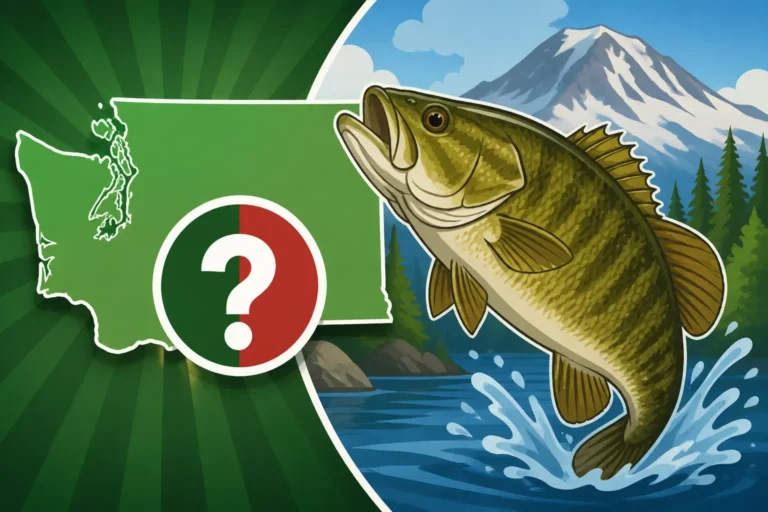
It's easy to get swept up in the Pacific Northwest's reputation for salmon and steelhead, isn't it? Many anglers flock to our big rivers and salty Puget Sound chasing those iconic silver bullets, often overlooking a truly formidable game fish that thrives right here in Washington: the smallmouth bass. If you've ever felt a little intimidated by the complexities of salmon seasons or just want a different kind of fight, you're in for a treat. This guide is dedicated to introducing you to the incredible world of smallmouth bass fishing on Washington's legendary Columbia and Snake Rivers, showing you where to find them, what gear you'll need, and the techniques that will put these feisty bronzebacks in your hands.
Why Smallmouth Bass Are Washington's Unsung Heroes
For years, many Washington anglers have been so focused on our anadromous fish—salmon and steelhead—that they've completely missed out on the incredible sportfishing opportunities that smallmouth bass offer, especially in the vast stretches of the Columbia and Snake Rivers. It’s a shame, really, because these fish provide some of the most consistent and thrilling action you can find. They're not just a consolation prize when the salmon bite is slow; they are a prime target in their own right, and once you hook into one, you'll quickly understand why so many anglers become dedicated smallmouth fanatics.
The Fight of a Lifetime Pound for Pound
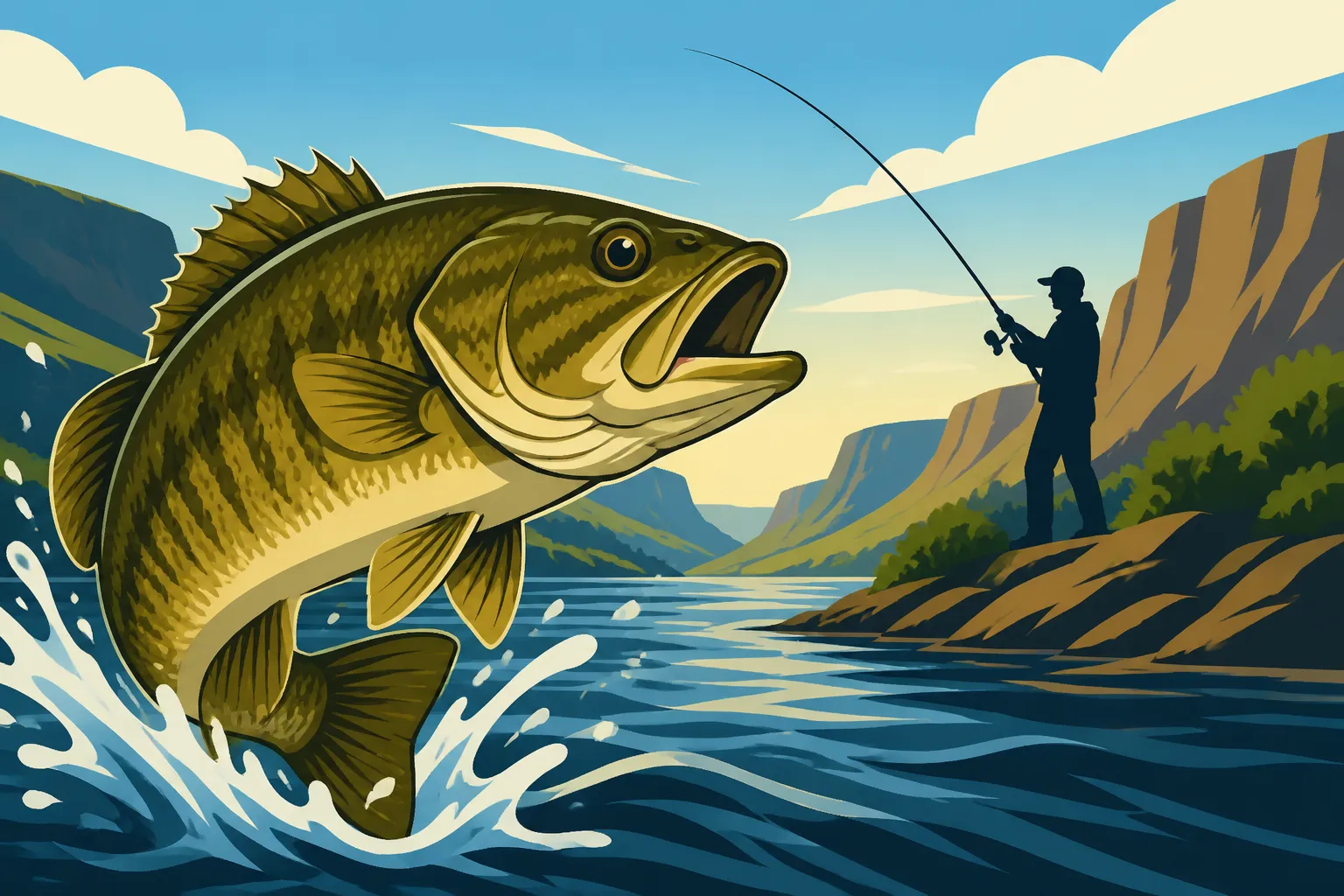
Let's be real: we all love a fish that pulls hard, right? And when it comes to sheer fighting spirit, smallmouth bass punch well above their weight class. Hook into a three-pound smallmouth in the current of the Columbia, and you'll swear you've got something twice its size on the end of your line. They're notorious for their aggressive strikes, their acrobatic, head-shaking jumps that try to throw the hook, and their powerful, sustained runs that will test your drag and your forearm. There's just something incredibly satisfying about watching a bronzeback explode on a topwater lure or feel that distinct thud as it smashes a jig along the bottom.
This isn't just a casual tug-of-war; it's an intense, dynamic battle that requires quick reflexes and a good feel for the fish. Unlike some species that might just "dog" you or make a few strong runs and then give up, smallmouth often maintain their fight right up to the net. They're tenacious, unpredictable, and every hookup feels like a victory earned. If you're someone who appreciates a challenging and exhilarating fight, especially during those times when other fisheries are closed or slower, smallmouth bass will absolutely deliver.
Resilience and Abundance in Eastern Washington
One of the most remarkable things about smallmouth bass in Washington is their incredible resilience and the sheer abundance they've achieved in our major river systems, particularly the Columbia and Snake. While they might not be native to the Pacific Northwest, they've adapted exceptionally well to the diverse habitats these rivers provide. Think about it: miles upon miles of rocky shoreline, countless current breaks, submerged boulders, riprap banks, and varied depths create a perfect environment for them to thrive. They are masters of their domain, utilizing every nook and cranny to ambush prey and set up their territories.
Their adaptability means they can be found across a wide range of conditions, from the warmer, slower sections of reservoirs to the faster-moving currents below dams. This robust population means that even on a challenging day, your chances of encountering smallmouth are generally very good. It's a fishery that, while gaining popularity, still often sees less pressure than some of our other highly sought-after species. This can translate into more consistent action and a more relaxed day on the water, which, let's be honest, is a huge bonus for any angler.
The Best Waters: Columbia and Snake River Hotspots
When we talk about smallmouth bass in Washington, the conversation invariably turns to two titans: the Columbia River and the Snake River. These aren't just big rivers; they are immense, complex ecosystems that offer thousands of miles of prime smallmouth habitat. Understanding where to focus your efforts within these sprawling waterways is key to consistent success. It can feel overwhelming at first, but with a bit of guidance, you'll start to see the patterns and structures that these magnificent fish call home.
Navigating the Mighty Columbia for Smallmouth
The Columbia River is simply colossal, stretching across the state and offering an incredible diversity of fishing environments, from vast reservoirs to more riverine stretches. For smallmouth bass, much of the prime territory lies in the eastern and central parts of Washington, particularly the impounded sections formed by the numerous dams. These reservoir areas often create extensive rocky points, ledges, submerged humps, and riprap banks that are absolutely magnets for smallmouth. Think about the areas around the Tri-Cities (Richland, Pasco, Kennewick) or further upstream near Grand Coulee Dam – these vast, rock-laden expanses are textbook smallmouth habitat.
Look for areas with current breaks: seams where fast water meets slower water, the back sides of islands, submerged timber, or even the shadow lines cast by bridge pilings. Smallmouth are opportunistic predators that use current to their advantage, ambushing prey as it drifts by. Focus your efforts on these transition zones and any rocky structure you can find. Don't be afraid to experiment with different depths; they'll follow baitfish up and down the water column depending on the time of day and year. While the Best Bank Fishing Spots on the Columbia River might focus on salmon, many of those same accessible rocky areas will hold smallmouth too! A keen eye for structure and current is your best friend on this grand river.
Unlocking the Snake River's Smallmouth Secrets
The Snake River, particularly its lower reaches in Washington, offers a slightly different, but equally compelling, smallmouth experience. Carving its way through dramatic canyons, the Snake often presents a more consistent, river-like flow with distinct current channels and impressive rocky bluffs. The water here can be warmer than some sections of the Columbia, contributing to a robust smallmouth population. Many anglers consider the Snake River to be one of the premier smallmouth destinations in the entire Pacific Northwest, and for good reason.
Key areas to target on the Snake include the mouths of its various tributaries, which often bring in cooler, oxygenated water and concentrated food sources. The steep, rocky banks and bluffs that line the river's edge provide endless nooks and crannies for smallmouth to hide and hunt. Look for current seams created by these rock faces, eddies behind large boulders, and any significant drop-offs or ledges. The deeper pools and slower runs between rapids can also hold substantial numbers of fish, especially during the warmer months when bass might seek out slightly deeper, cooler water. Like the Columbia, the Snake demands an understanding of river dynamics, but once you crack the code, the rewards are often spectacular.
Essential Gear for Columbia and Snake River Smallmouth
Getting geared up for smallmouth bass on the Columbia and Snake Rivers doesn't have to be complicated or break the bank, but having the right tools for the job can make a huge difference in your success and enjoyment. These aren't your average pond bass; they're strong fish in strong currents, and your tackle needs to be up to the task. Investing a little thought into your rod, reel, line, and especially your lure selection will pay dividends when you're out on the water.
Rods, Reels, and Line Choices
For these river-dwelling smallmouth, you'll want a setup that offers a good balance of power for fighting fish in current and sensitivity for feeling subtle bites. Most anglers opt for medium-light to medium-heavy power spinning or baitcasting rods, typically ranging from 6'6" to 7'6" in length. A fast or moderate-fast action rod is usually preferred, as it provides a sensitive tip for detecting strikes and enough backbone to set the hook firmly and muscle a fish away from snags. If you're looking for a versatile option, a 7-foot medium-power, fast-action spinning rod is a fantastic all-around choice for a variety of smallmouth techniques. You can often find great deals on these rod and reel combos by searching online for "bass fishing combos" on Amazon.
When it comes to reels, a reliable spinning reel in the 2500-3000 size or a baitcasting reel with a good braking system and smooth drag will serve you well. For line, there are a few excellent options. Many anglers prefer braided line (10-20 lb test) as a main line due to its incredible sensitivity, strength, and lack of stretch, especially when fishing in deeper water or heavy current. When using braid, it's almost always a good idea to tie on a fluorocarbon leader (8-12 lb test). Fluorocarbon is nearly invisible underwater, extremely abrasion-resistant (a must around all that Columbia River rock!), and provides a bit of stretch that complements the no-stretch braid. Alternatively, you can run straight fluorocarbon or even monofilament (8-12 lb test) if you prefer a simpler setup or are fishing in shallower, snag-free areas. Each line type has its merits, but braided main line with a fluorocarbon leader generally offers the best combination of performance for river smallmouth.
Lures and Baits That Get Bites
Smallmouth bass are incredibly aggressive and will hit a wide array of artificial lures, making them a blast to experiment with. The key is to match your lure selection to the conditions and where the fish are holding. When it comes to finding Best Lures for Washington Smallmouth Bass, you'll discover a common theme: versatility.
- Crankbaits: These are workhorses for covering water and triggering reaction strikes. Shallow-diving crankbaits are great for rocky banks and flats, while deeper divers can probe submerged humps and drop-offs. Squarebill crankbaits are particularly effective for bouncing off rocks without getting snagged.
- Jerkbaits: These provide an erratic, darting action that can entice wary bass, especially in clear water or during cooler periods.
- Spinnerbaits and Chatterbaits: Excellent for fishing around current, submerged brush, and rocky points, these lures create a lot of flash and vibration that smallmouth can't resist.
- Soft Plastics: This category is vast and incredibly effective.
- Tubes and Grubs: Often fished on a jig head, these imitate crayfish and baitfish and are fantastic for dragging or hopping along the bottom.
- Creature Baits and Senkos: These versatile baits can be Texas-rigged, Carolina-rigged, or wacky-rigged, offering different presentations for various situations, from pitching into cover to weightless casting.
- Topwater Lures: When conditions are right (calm water, low light), nothing beats the explosive strike on a topwater lure like a popper, walking bait, or prop bait. This is pure adrenaline fishing!
While artificials are overwhelmingly popular, some anglers may occasionally use live bait like crayfish or minnows, where legal. However, the sheer effectiveness and sport of artificial lures mean they are almost always the go-to for river smallmouth. Carry a diverse selection, and you'll be well-prepared for whatever the Columbia or Snake throws at you.
Techniques for Targeting River Smallmouth
Catching smallmouth bass on the Columbia and Snake Rivers isn't just about having the right gear; it's about understanding their behavior, knowing where to cast, and how to present your lure. These fish are creatures of current and structure, and mastering the art of reading the water and applying effective techniques will dramatically increase your success. It's a bit like a chess game, anticipating their moves and presenting an irresistible offer.
Reading the Water: Where Smallmouth Hide
The vastness of the Columbia and Snake Rivers can be intimidating, but smallmouth bass aren't just swimming anywhere; they are keenly focused on specific types of habitat. Your first task is to become a detective, learning to "read the water." Smallmouth are almost always found near current breaks, which are areas where the main flow of the river is interrupted, creating a calmer zone. This could be anything from a large submerged boulder, a fallen tree, a significant drop-off, a point extending into the river, or the intricate web of riprap (rocky bank reinforcement) found along many stretches.
These current breaks serve multiple purposes for smallmouth: they offer a reprieve from the constant energy expenditure of fighting the main current, and more importantly, they act as ambush points. Baitfish, insects, and crayfish often get disoriented or swept into these calmer zones, becoming easy targets for waiting bass. Look for seams where fast water meets slow water, eddies that swirl behind obstacles, and changes in bottom composition. Bridge pilings, docks, and even subtle changes in bank topography can all create these critical current breaks. Understanding how fish use the current to their advantage is paramount. For general advice on river fishing, topics like How Water Clarity Affects Steelhead Fishing offer transferable principles about how fish react to their environment, even if the species is different.
Tried-and-True Presentations
Once you've identified a promising spot, it's time to choose your presentation. There are several highly effective techniques for river smallmouth, and often, combining a few throughout the day will yield the best results.
- Casting and Retrieving: This is your bread and butter for covering water. Throwing crankbaits, spinnerbaits, or jerkbaits and retrieving them through likely holding areas is a fantastic way to locate active fish. Experiment with retrieve speeds and pauses. When fishing a crankbait, don't be afraid to let it bang off the bottom or ricochet off rocks; this erratic action often triggers strikes.
- Bottom Bouncing/Dragging: Many smallmouth spend their time near the bottom, especially when targeting crayfish or during less active periods. Jigs, tubes, and creature baits rigged on a jig head are perfect for this. Cast upstream or up-current and let your lure sink to the bottom, then slowly hop, drag, or twitch it back, maintaining contact with the riverbed. This mimics a foraging crayfish or a struggling baitfish. Areas that might apply to How to Fish a Slow-Moving Pool for Steelhead could also be excellent spots to slow-roll a jig for bass.
- Flipping and Pitching: For more precise presentations to specific structure like fallen trees, bridge pilings, or dense riprap, flipping and pitching soft plastics (like Texas-rigged creature baits or jigs with trailers) allows for a stealthy and accurate approach. This gets your bait into tight cover where big smallmouth often lurk.
- Topwater Action: There's nothing quite like a smallmouth exploding on a topwater lure. Poppers, walking baits (like a Zara Spook), or prop baits can be incredibly effective during low-light conditions (dawn, dusk) or on overcast days when fish are willing to come to the surface. Cast these near current breaks, rocky points, or over submerged structure and work them with an erratic "walk-the-dog" or popping retrieve.
The beauty of river smallmouth fishing, as detailed in guides like How to Catch Smallmouth Bass in Eastern Washington, is its dynamic nature. You'll constantly be adjusting your approach based on water levels, clarity, current speed, and how the fish are reacting. Don't be afraid to experiment with different lures and retrieves until you find what they want on any given day.
When to Go: Best Seasons and Times
Timing is everything in fishing, and smallmouth bass in the Columbia and Snake Rivers are no exception. While you can catch them year-round in some capacity, understanding their seasonal patterns and daily behaviors will significantly boost your chances of success. They are warm-water fish, and their activity levels are directly tied to water temperature, dictating where they'll be and how aggressively they'll feed.
Spring Spawning and Post-Spawn Feeding Frenzy
Spring is arguably one of the most exciting times to target smallmouth bass in Washington. As river temperatures begin to climb, usually starting in late March and continuing through June, these fish become incredibly active. This period can be broken down into a few key phases:
- Pre-Spawn: As water temperatures creep into the upper 40s and 50s Fahrenheit, smallmouth move shallower, staging in areas adjacent to their eventual spawning grounds. They're often hungry and aggressive, packing on calories before the rigors of spawning. This is a prime time for crankbaits, spinnerbaits, and jerkbaits fished along rocky banks and points.
- Spawning: Once water temperatures consistently hit the high 50s to low 60s, smallmouth will begin to make their beds in shallow, protected areas, often on gravel or small rock bottoms. Male bass will guard these nests fiercely. While they can be caught during this time, many anglers choose to leave them undisturbed to ensure successful reproduction. If you do target them, be mindful of their vulnerability.
- Post-Spawn: After the spawn, bass are often exhausted but quickly become hungry again as they recover. They'll start to disperse from the spawning areas and move back to deeper structure, aggressively feeding to regain their strength. This transition period can offer some fantastic action, especially with soft plastics fished around submerged cover.
Summer Structure and Fall Feeding
The warmer months of summer and the cooling days of fall offer distinct, yet equally productive, opportunities for smallmouth.
- Summer: During the heat of summer, when water temperatures are at their highest, smallmouth will often seek out deeper, cooler water. Look for them around significant current breaks, deep rock piles, ledges, and submerged humps. Early mornings and late evenings can be prime for topwater action as bass venture shallower to feed. During the bright, hot parts of the day, slow-fished jigs, tubes, and Carolina-rigged plastics in deeper water often excel. The Columbia and Snake can get quite warm, so understanding how fish react to temperature is crucial. For other warm-water species, the Best Time of Year for Washington's Columbia Walleye often aligns with good smallmouth fishing.
- Fall: As water temperatures begin to drop in the fall, smallmouth enter a crucial feeding period known as the "fall feeding frenzy." They're bulking up for winter, and this often means they'll be highly active and aggressively chasing baitfish. Bass will frequently school up during this time, making it possible to catch multiple fish from one spot once you locate a school. They'll often move back into shallower areas that were too warm in summer, targeting rocky points and flats. Crankbaits, jerkbaits, and spinnerbaits are incredibly effective as they imitate the baitfish smallmouth are actively hunting. This can be one of the most rewarding times to fish, with powerful, healthy bass putting up incredible fights.
Conservation and Responsible Angling
While smallmouth bass are not native to Washington, they have become a well-established and highly valued sportfish in our rivers. As with any fishery, responsible angling practices are paramount to ensuring their continued health and abundance for generations to come. It’s not just about catching fish; it’s about respecting the resource and playing our part in its management. Even though they are prolific, good stewardship is always the right approach.
Understanding Regulations and Protecting the Fishery
Before you even make your first cast on the Columbia or Snake, it is absolutely crucial to familiarize yourself with the current Washington Department of Fish and Wildlife (WDFW) regulations for smallmouth bass. These rules can change seasonally and vary by specific river sections, so what's legal in one area might not be in another. You need to know the daily bag limits (how many fish you can keep), any size restrictions (minimum or maximum lengths), and any specific gear restrictions that might apply. Always check the latest WDFW pamphlet or their online resources before heading out.
While smallmouth are not typically subject to the same intensive conservation efforts as our struggling salmon and steelhead runs, protecting the fishery means adhering to all rules. Overharvesting, even of an abundant species, can have negative impacts. Furthermore, responsible anglers understand that releasing larger, mature breeding fish helps maintain a healthy population. So, while you might keep a few for a delicious meal, consider letting the bigger ones go to ensure the future of the fishery. Familiarizing yourself with the broader Washington Fishing Regulations Every Angler Should Know is always a good starting point for any Washington angler.
Catch-and-Release Best Practices
Many smallmouth anglers practice catch-and-release, either entirely or selectively, to preserve the quality of the fishery and ensure plenty of action for future trips. If you plan to release fish, it’s vital to handle them with care to maximize their survival chances.
- Wet Hands: Always wet your hands thoroughly before handling a fish. Dry hands can remove the protective slime layer from the fish's skin, making it vulnerable to disease.
- Minimize Air Time: Try to keep the fish in the water as much as possible. If you must lift it for a photo, do so quickly and efficiently. Even a few extra seconds out of water can stress a fish.
- Support the Fish: When holding a smallmouth, especially a larger one, support its body horizontally. Avoid holding it vertically by the jaw alone, as this can damage its internal organs or jaw structure.
- Proper Hook Removal: Use a pair of needle-nose pliers or a de-hooking tool to quickly and carefully remove the hook. If the fish is deeply hooked and removing the hook would cause significant damage, it's often better to simply cut the line as close to the hook as possible; the hook will often rust out over time.
- Revive If Necessary: If a fish seems sluggish or lethargic after the fight, gently hold it in the water, facing into a mild current, and allow water to flow over its gills until it regains its strength and swims away on its own.
By following these simple catch-and-release guidelines, you're doing your part to ensure that the Columbia and Snake Rivers continue to be fantastic destinations for smallmouth bass fishing for many years to come.
| Season | Best Time of Day | Recommended Lure Types | Key Locations | Notes |
|---|---|---|---|---|
| Spring | Mid-morning to Afternoon | Crankbaits (shallow/medium), Jerkbaits, Spinnerbaits, Jigs, Tubes | Rocky points, spawning flats, current breaks, tributary mouths | Pre-spawn aggression, then spawning activity. Check regulations. |
| Summer | Early Morning / Late Evening | Topwater, Deep Diving Crankbaits, Carolina Rigs, Jigs, Tubes | Deeper rock piles, current breaks, submerged humps, bridge pilings | Bass seek cooler water. Topwater best in low light. |
| Fall | All Day | Crankbaits (medium/deep), Spinnerbaits, Jerkbaits, Soft Plastics | Rocky banks, main channel points, schooling areas, flats | Intense feeding frenzy as bass prepare for winter. Fish often school. |
Disclaimer
This article is for general informational purposes only and does not constitute professional advice. Laws, prices and regulations vary by location and change over time. Consult a qualified professional for guidance on your specific situation.