How Big Washington Coho Salmon Get
One of the most exciting parts of targeting Coho salmon in Washington waters is the sheer variety in their size. You might hear stories of absolute monsters, but then you catch a bright, feisty "cohoette" that's still a blast. It leaves many of us wondering, just how big do these incredible fish actually get in our state? This guide will dive deep into the typical sizes you can expect, the factors that influence a Coho's growth, and what constitutes a true trophy Silver salmon here in Washington.
The Journey of a Coho: From Smolt to Silver
Coho salmon, often affectionately called "Silvers" by anglers, have a fascinating life cycle that takes them from freshwater streams out to the vast Pacific Ocean and back again. Their size dramatically changes throughout this journey, influenced by the rich feeding grounds of the open ocean and the genetic makeup of their specific run. What you catch in the summer months offshore might look very different from a Coho fighting its way up a river in the fall.
Hatchery vs. Wild Coho Growth
Washington State is home to both wild and hatchery-reared Coho salmon, and while both benefit from the same ocean smorgasbord, there can be subtle differences in their average growth patterns and ultimate size. Hatchery fish are often raised in protected environments, fed consistently, and released at a specific size, giving them a strong start. Wild Coho, on the other hand, face the natural challenges of survival from the moment they hatch, which can lead to variations. However, once both enter the ocean, their growth is primarily dictated by food availability and ocean conditions. Many anglers report little discernible difference in trophy potential between the two once they've spent a couple of years foraging offshore.
Factors Influencing Coho Size
Several key elements play a role in how large a Coho salmon will become. It's not just a matter of luck; it's a complex interplay of biology and environment.
Ocean Conditions and Food Availability
The Pacific Ocean is where Coho put on the bulk of their weight. Abundant forage fish like herring, anchovies, and krill translate directly into bigger, fatter salmon. If ocean temperatures are favorable and feed is plentiful, Coho can grow at an astonishing rate. Conversely, years with poor ocean conditions or scarce food sources often result in smaller average sizes across the board. This is why some years produce phenomenal "slab" Coho, while others see more modest returns. It's all about that ocean buffet! You'll often hear guides discussing ocean conditions when they talk about the prospects for Coho Salmon Fishing in Washington in a given year.
Genetic Predisposition and Run Timing
Just like people, some Coho are genetically wired to be larger than others. Certain river systems or specific runs within those systems might produce larger average-sized fish due to their genetic lineage. Additionally, the timing of their return to freshwater can impact their final measurement. Early-run Coho, sometimes called "summer Coho," might have spent less time gorging in the ocean compared to their later-returning "fall Coho" cousins. This often means fall Coho can be notably larger as they've had more months to pack on the pounds.
Age and Life Cycle Stage
Most Washington Coho salmon return to spawn as three-year-olds. This means they spend roughly 18 months to two years feeding in the ocean before making their final migration. "Jack" Coho, which are precocious males returning a year early (as two-year-olds), are significantly smaller, typically only a few pounds. These jacks offer a fun early-season bite but aren't indicative of the larger fish that will follow. Understanding When Coho Salmon Run in Washington can give you a better idea of when you might encounter these different size classes.
What to Expect: Average Coho Sizes in Washington
When you head out to fish for Coho in Washington, whether it's Puget Sound, a coastal river, or offshore, you'll encounter a range of sizes. It's helpful to know what constitutes a typical catch versus something truly exceptional.
Puget Sound Coho Averages
In the protected waters of Puget Sound, Coho salmon are a highly sought-after species. When they first enter the Sound, often in late summer, they are still relatively bright and silver, having only recently left the open ocean.
Most Puget Sound Coho that anglers catch will fall into the 5 to 12-pound range. A fish pushing 15 pounds is considered a really nice catch, and anything above that is definitely turning heads at the cleaning station. These fish are renowned for their acrobatic fights, regardless of their exact weight. Even a 7-pound Coho can feel like a freight train when it decides to jump and run! Learning Trolling for Salmon in Washington's Puget Sound is a great way to target these fish.
Coastal Coho and Offshore Giants
When you venture out to the Washington coast, particularly around areas like Westport or Neah Bay, you might encounter Coho that have spent even more time in prime ocean feeding grounds. These fish often average a bit larger than their Puget Sound counterparts.
It's common to see coastal Coho in the 8 to 15-pound range, with many fish pushing well into the high teens. Offshore anglers, who target these fish before they even think about entering the rivers, have the best shot at catching the true giants. These fish are incredibly robust and powerful, a testament to their time in the open ocean.
River-Run Coho Sizes
As Coho enter their natal rivers to spawn, their focus shifts from feeding to reproduction. While they won't put on significant weight in the river, their size upon entry is often substantial. A river-run Coho will typically maintain the weight it had when it left the ocean.
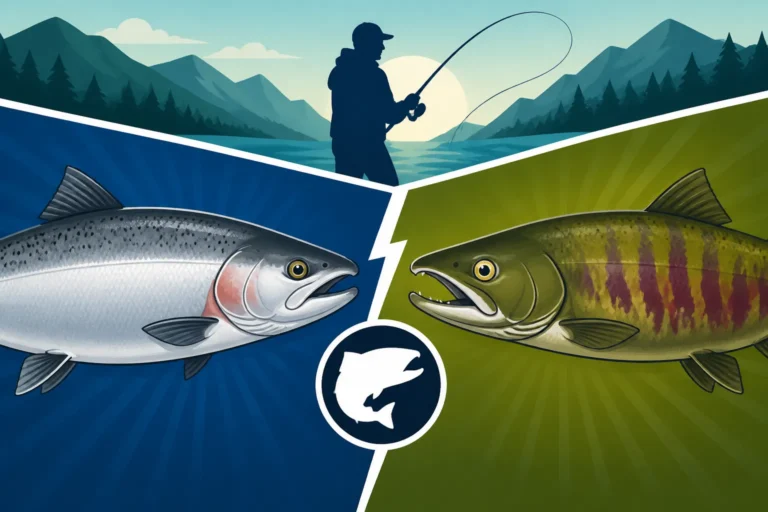
River anglers fishing the Cowlitz, Skagit, or countless other Washington systems can expect to catch Coho in similar size ranges to those found in Puget Sound, with many in the 5 to 12-pound class. However, remember that these fish, especially those in the river for a while, will often have a darker coloration as their bodies transition for spawning. Don't be fooled by the darker skin; they're still powerful fighters!
Table of Typical Coho Salmon Sizes in Washington
To give you a clearer picture, here's a general guide to Coho salmon sizes you might encounter in Washington waters:
| Location / Stage | Average Weight (lbs) | Exceptional Weight (lbs) | Average Length (inches) |
|---|---|---|---|
| Ocean-phase (offshore) | 8 – 15 | 18 – 20+ | 24 – 30 |
| Puget Sound | 5 – 12 | 15 – 17 | 20 – 28 |
| Coastal Rivers | 6 – 13 | 16 – 18 | 22 – 29 |
| Inland Rivers | 5 – 12 | 14 – 16 | 20 – 28 |
| "Jack" Coho (2-year) | 2 – 4 | 5 | 14 – 18 |
Note: These are general ranges, and individual fish can always fall outside these averages.
The Quest for a Trophy Coho
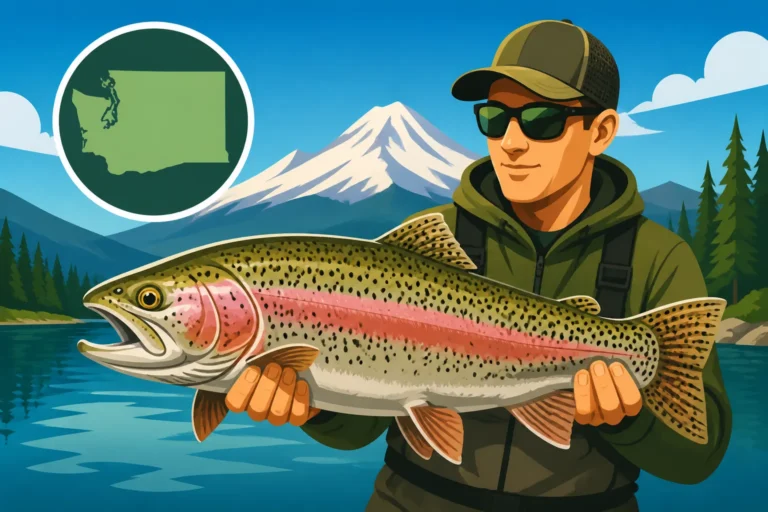
While any Coho on the end of your line is a thrill, there's something extra special about landing a true "trophy" fish. In Washington, a trophy Coho salmon generally means a fish that pushes the upper limits of the typical size ranges, often into the high teens or even over 20 pounds. These are the fish that make for unforgettable stories and impressive photos.
What Constitutes a "Trophy" Coho?
For most anglers in Washington, a Coho breaking the 15-pound mark is definitely in trophy territory. If you're fortunate enough to hook into a Silver that tips the scales at 18 pounds or more, you've landed a truly exceptional fish. These are typically robust, deep-bodied fish, often caught in the open ocean or very early in their freshwater migration when they are at their absolute peak condition. They are built like footballs, thick through the shoulders, and packed with power.
Gear for Landing the Big Ones
While Coho can be caught on a variety of tackle, if you're seriously targeting those larger, trophy-sized fish, it pays to be prepared. A medium-heavy salmon rod paired with a reliable levelwind or baitcasting reel spooled with strong mainline is a good start. Look for a rod with enough backbone to turn a powerful fish but still enough sensitivity to feel those subtle bites. Many anglers find durable, well-reviewed gear for all their salmon fishing needs, including heavier leaders and quality swivels, on sites like Amazon. Don't skimp on your terminal tackle, as a trophy Coho will quickly expose any weaknesses. Considerations like Rod and Reel You Need for Washington Puget Sound Salmon will often suggest gear capable of handling these bigger fish.
When these large Coho hit your offering, whether it's a trolled herring, a jig, or a drift-fished bait, they often do so with incredible force. Be ready for scorching runs, aerial acrobatics, and powerful head shakes. These bigger fish have developed incredible stamina in the ocean, and they will use every ounce of it to try and get away.
Conclusion: Every Coho is a Prize
Ultimately, while knowing how big Washington Coho salmon can get is certainly interesting, the true joy of fishing for them lies in the experience. Whether you're battling a feisty 5-pound "half-pounder" or wrestling with a majestic 18-pound ocean bright behemoth, Coho offer some of the most exciting and rewarding fishing opportunities in the Pacific Northwest. Their vibrant colors, incredible fighting spirit, and delicious meat make them a favorite among anglers across the state. So next time you're out on the water, keep an eye on that measuring tape and scale, but remember that every Coho is a testament to Washington's incredible fisheries.
Disclaimer
This article is for general informational purposes only and does not constitute professional advice. Laws, prices and regulations vary by location and change over time. Consult a qualified professional for guidance on your specific situation.