How Big White Sturgeon Get on the Columbia
There’s something truly awe-inspiring about the sheer size and raw power of a white sturgeon. If you’ve ever cast a line into the mighty Columbia River, chances are you’ve dreamt of hooking into one of these prehistoric giants. But the real question that often sparks conversations among anglers is: just how big do white sturgeon really get on the Columbia? This guide will dive deep into the incredible dimensions of these fascinating fish, exploring their growth, their historical grandeur, and what it takes to responsibly encounter these river monsters.
The Giants of the Columbia: Understanding White Sturgeon Growth
Imagine a fish that has roamed these waters for millions of years, outliving dinosaurs and watching civilizations rise and fall. That's the white sturgeon. They are an ancient species, and their incredible size is a testament to their longevity and resilience. Catching one is an experience that stays with you forever, not just for the fight, but for the sheer spectacle of seeing such a magnificent creature up close.
Factors Influencing Sturgeon Size
The size a white sturgeon achieves is a complex dance between several key factors. First and foremost is age. These fish are incredibly long-lived, sometimes reaching over 100 years old, which gives them ample time to grow. Think about it: a fish that was alive during the Great Depression could still be swimming in the Columbia today, having grown slowly but steadily over decades. Their growth isn't a sprint; it's an endurance race.
Beyond age, food availability plays a critical role. The Columbia River system, historically and even with modern changes, provides a rich bounty of sustenance. Sturgeon are opportunistic feeders, essentially the vacuum cleaners of the river bottom, consuming everything from lamprey and smelt to salmon carcasses and even smaller fish. A healthy, abundant food source directly translates to better growth rates. Genetics also plays a part, just like in any species; some sturgeon simply have the genetic predisposition to grow larger than others. Lastly, water quality and habitat stability are crucial. While the Columbia has undergone significant changes over the last century with dam construction, the remaining habitat and ongoing conservation efforts allow these fish to continue their impressive growth journeys.
Average Size vs. Record-Breakers
When anglers talk about sturgeon size on the Columbia, there's often a disconnect between what's commonly caught today and the legendary fish of yesteryear. Most anglers routinely encounter sturgeon in the 4- to 7-foot range. These are truly impressive fish in their own right, offering a formidable fight and requiring significant effort to land and safely release. They represent the healthy, thriving population that conservation efforts are working hard to maintain.
However, the stories of true behemoths—fish pushing into the double-digit foot lengths and weighing hundreds, if not thousands, of pounds—are rooted in history. Before extensive damming and commercial overfishing took their toll in the late 19th and early 20th centuries, white sturgeon grew to absolutely mind-boggling sizes. These historical records, often from commercial harvests, paint a picture of fish that are much larger than what we typically see today, making those modern 7-footers seem almost modest by comparison. It's a humbling reminder of the river's past abundance and the incredible potential of these fish.
How Big Do They Really Get on the Columbia River?
So, let's get down to the brass tacks. You want to know the numbers. While exact weights are often difficult to get for very large, live sturgeon (as weighing them out of the water can be detrimental to the fish), we can talk about lengths and estimated weights based on scientific studies and angler reports.
Length and Weight Ranges for Common Catches
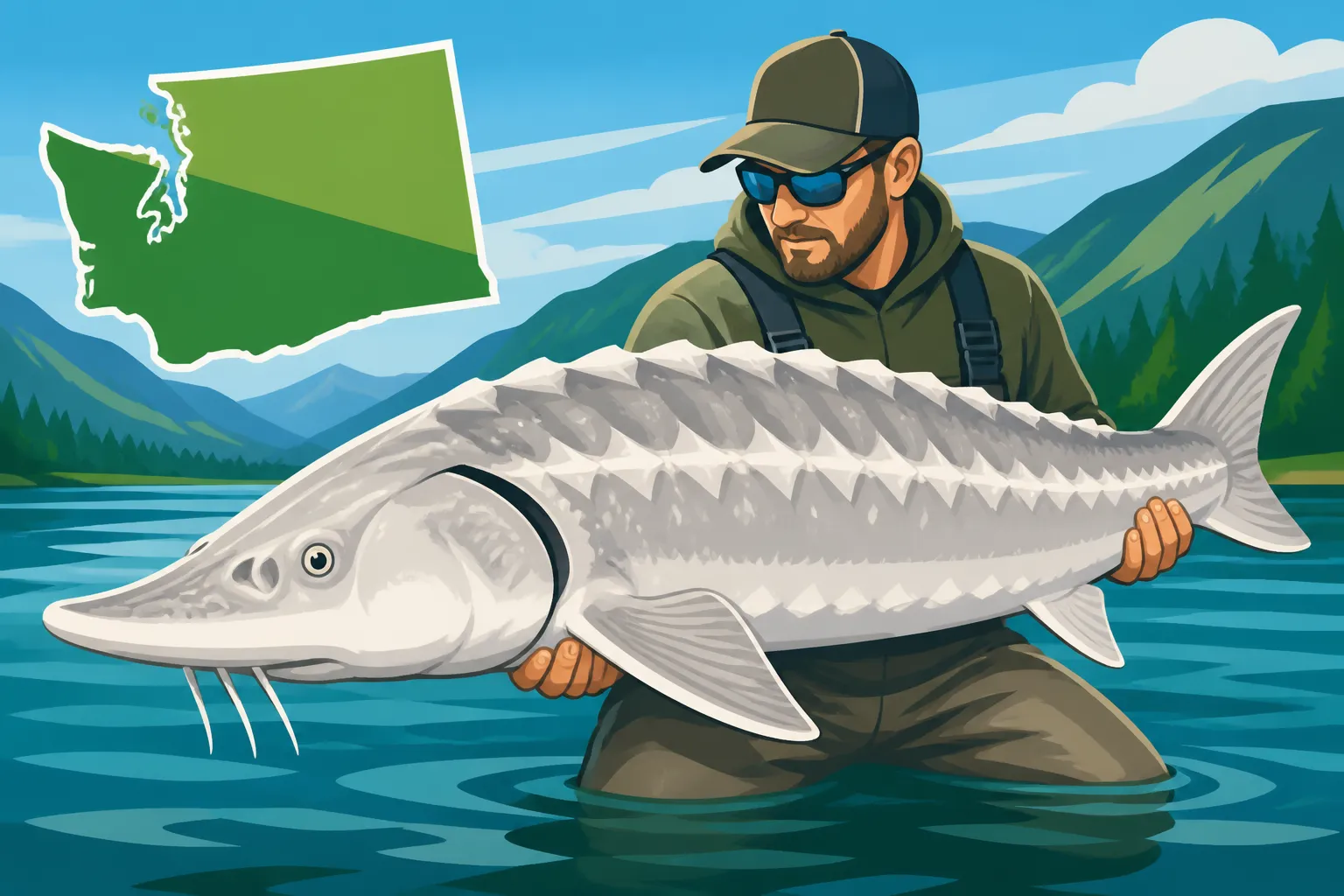
For most recreational anglers on the Columbia today, a successful sturgeon outing might involve several fish ranging from 3 to 6 feet in length. A sturgeon in the 3-foot range might weigh 10-20 pounds, while a 6-foot fish could easily tip the scales at 80-120 pounds. These are substantial fish that will test your tackle and your stamina. Many anglers consider a sturgeon of 8 feet or more to be a true "trophy," a testament to both their skill and the health of the fishery. These larger fish, say 8 to 9 feet, can weigh upwards of 200-300 pounds. Imagine reeling in something the size of a small boat!
It's important to remember that most sturgeon fishing on the Columbia is now strictly catch-and-release, especially for the larger "oversized" fish. This means that accurately weighing them is often not practical or safe for the fish, so length is the primary measurement used. This also highlights the ethical responsibility we have as anglers to prioritize the fish's well-being above a specific weight measurement. You can learn more about this by checking out Is Sturgeon Fishing Catch-and-Release Only in Washington?.
Historical and Documented Giants
Now for the truly awe-inspiring figures. Historically, white sturgeon on the Columbia River reached truly colossal proportions. There are documented accounts from the late 1800s and early 1900s of sturgeon exceeding 1,000 pounds and measuring over 12 feet long. Imagine a fish longer than your car! One of the most famous, dubbed "The Emperor," was caught in 1897 and measured 12 feet 4 inches and weighed 1,287 pounds. These legendary fish are a stark reminder of the river's pristine past and the incredible potential of this species.
While such behemoths are exceedingly rare today, they are not entirely impossible. There are still occasional reports and confirmed catches of sturgeon pushing or even slightly exceeding the 10-foot mark, particularly in the lower Columbia or its tidal portions. These fish are usually very old, often 50-70 years or more, and have managed to navigate the challenges of a changed river environment. Catching one of these true giants is a once-in-a-lifetime event, requiring immense skill, heavy-duty gear, and often a lot of luck. It's crucial to understand How Long White Sturgeon Live to appreciate the time it takes for these fish to reach such sizes.
Here's a quick comparison of typical and historical white sturgeon sizes:
| Category | Typical Length Range (Feet) | Typical Weight Range (Pounds) | Notes |
|---|---|---|---|
| Small/Juvenile | 1-3 | 5-15 | Often targeted for catch-and-release, vibrant fighters. |
| Common Adult | 4-7 | 50-150 | Most frequently encountered by recreational anglers today. |
| Large Trophy (Current) | 8-9+ | 200-350+ | Rare but achievable, represents a lifetime of growth. |
| Historical Giants | 10-12+ | 500-1200+ | Pre-dam era records, extremely rare in modern times due to habitat. |
The Thrill and Responsibility of Catching a Columbia River Giant
Hooking into a massive white sturgeon is an experience unlike any other in freshwater fishing. The sheer power, the long runs, the head shakes – it's an epic battle that demands respect, proper technique, and the right equipment. But with that thrill comes a significant responsibility to ensure the well-being of these incredible fish.
Gear Considerations for Big Sturgeon
When you're targeting fish that can be longer and heavier than you are, your fishing gear needs to be up to the task. This isn't the time for your lightweight trout setup. You'll want heavy-action rods, often 7-9 feet long, with a strong backbone capable of handling immense pressure. Pairing this with a robust baitcasting reel spooled with 80-150 pound braided line is standard. The drag system on your reel is your best friend here; it needs to be smooth and capable of handling long, powerful runs without seizing up.
Terminal tackle is equally important. Think heavy-duty swivels, strong leaders (often 100+ pound monofilament or fluorocarbon), and large, stout circle hooks (typically 7/0 to 10/0) designed for sturgeon. These hooks are designed to hook fish in the corner of the mouth, minimizing deep hooking and making release easier. You can find a fantastic array of these specialized, heavy-duty sturgeon fishing supplies, from rods and reels to hooks and weights, on platforms like Amazon or at any good local tackle shop specializing in big game freshwater fishing. Having the right gear not only increases your chances of landing the fish but, crucially, allows you to land it more efficiently, reducing the fight time and minimizing stress on the sturgeon. This is a vital part of responsible angling when targeting such large, long-lived species. Understanding Washington Fishing Regulations Every Angler Should Know will also clue you into any specific gear restrictions.
Handling and Releasing Large Sturgeon
This is arguably the most critical aspect of sturgeon fishing, especially given that most large sturgeon in the Columbia are catch-and-release only. These fish are ancient and delicate, despite their intimidating size. Keeping them in the water as much as possible is paramount. Avoid dragging them onto sandy or rocky shores, which can strip their protective slime coat and cause injury. If you must bring them close for a quick photo, do so gently, using a large net or tail rope, and always support their full body weight. Never lift a large sturgeon by its head or tail alone, as this can damage their spine and internal organs.
Once landed, remove the hook quickly and carefully. Since circle hooks are often used, the hook is usually right in the corner of the mouth. Have your hook removal tools ready. After a brief moment, guide the fish back into the current, supporting it until it regains its strength and swims off on its own. This ethical approach ensures that these magnificent fish can continue to thrive and contribute to the population for future generations. Remember, illegal retention or improper handling can lead to Fines and Penalties for Common Fishing Violations, so always prioritize the fish's health and know the rules, especially regarding Slot Limit for Columbia River Sturgeon.
Conservation and the Future of Columbia River Sturgeon
The fact that we can still talk about catching large white sturgeon on the Columbia River is a testament to dedicated conservation efforts. These fish faced significant challenges in the past, but ongoing management strategies have helped them rebound, though vigilance is always required.
Why Size Limits and Regulations Matter
One of the most effective tools in sturgeon conservation is the implementation of slot limits. A slot limit means there's a specific size range of fish that can be legally retained, while anything smaller or larger must be released. For Columbia River sturgeon, the slot limits are designed to protect both the young, immature fish and the large, mature breeding adults. The big "oversized" sturgeon, which are typically the most prolific spawners, are protected so they can continue to reproduce and ensure the future of the species. This ensures a healthy genetic diversity and a robust population.
These regulations aren't arbitrary; they are the result of extensive scientific study and ongoing monitoring by wildlife agencies. They ensure that we can continue to enjoy fishing for these incredible creatures without jeopardizing their long-term survival. Always check current regulations before heading out, as they can change seasonally or annually. Knowing How to Check for Emergency Rule Changes in Washington is always a good practice for any angler.
How Anglers Contribute to Sturgeon Health
As anglers, we are not just participants in the fishery; we are stewards of the resource. Our actions have a direct impact on the health and future of white sturgeon. By adhering to catch-and-release practices for oversized fish, using appropriate gear, minimizing fight times, and handling fish carefully, we play a crucial role in conservation. Even if you're only planning to do catch-and-release fishing, remember you generally still need a license, so understanding Do You Need a License for Catch-and-Release Only? is important.
Additionally, reporting your catches and participating in creel surveys (if applicable for specific fisheries) provides valuable data to fisheries managers, helping them make informed decisions about future regulations. Supporting conservation organizations and purchasing your licenses and endorsements, like Washington's Columbia River Salmon and Steelhead Endorsement, Explained, also directly contributes funding to these vital programs. The future of the Columbia River's magnificent white sturgeon, and the chance to encounter one of these truly massive fish, rests squarely on our collective commitment to responsible angling.
Disclaimer
This article is for general informational purposes only and does not constitute professional advice. Laws, prices and regulations vary by location and change over time. Consult a qualified professional for guidance on your specific situation.