How Big Washington Lingcod Get
Many anglers in Washington state dream of hooking into a monster lingcod, but often wonder just how big these toothy predators actually get in our local waters. It's a question that sparks excitement and curiosity, especially when picturing those immense heads and powerful bodies emerging from the depths. This guide is here to unravel the mystery, diving deep into the average sizes, potential giants, and the fascinating factors that influence the growth of Washington's incredible lingcod population.
The Mighty Lingcod: Understanding Their Size in Washington Waters
Lingcod are truly one of Washington's most iconic and sought-after bottomfish, known for their aggressive strikes and delicious fillets. Their impressive size and formidable appearance make them a prize catch for recreational anglers, driving many to dedicate countless hours to pursuing these underwater giants. Understanding their typical dimensions is the first step in appreciating what makes them so special in our local marine ecosystems.
Average Sizes and Common Catches
When you're out on the water, whether it's Puget Sound, the Strait of Juan de Fuca, or off the rugged Washington coast, you'll find that most lingcod caught by recreational anglers typically fall into a certain size range. The average fish you'll encounter is usually between 25 and 35 inches long. These are the workhorse lingcod, the ones that consistently provide thrilling battles and plenty of tasty meat for the dinner table.
These common catches are often robust, healthy fish weighing anywhere from 5 to 20 pounds. They put up a fantastic fight, with powerful head shakes and determined dives, providing an exhilarating experience for anyone dropping a jig or bait into their rocky haunts. It’s these "eating size" fish that fill many angler’s coolers, offering a satisfying bounty after a day of dedicated fishing. While they might not be the record-breakers, they represent the vibrant and accessible lingcod fishery we cherish in Washington, making every trip a potential success story.
Understanding these average sizes helps set realistic expectations for your fishing trips. It means celebrating a solid 28-inch fish just as much as dreaming of that elusive 50-pounder. Every lingcod, regardless of its dimensions, is a testament to the rich marine environment we have here in the Pacific Northwest, and each one offers a unique challenge and reward.
The True Giants: How Big Can They Really Get?
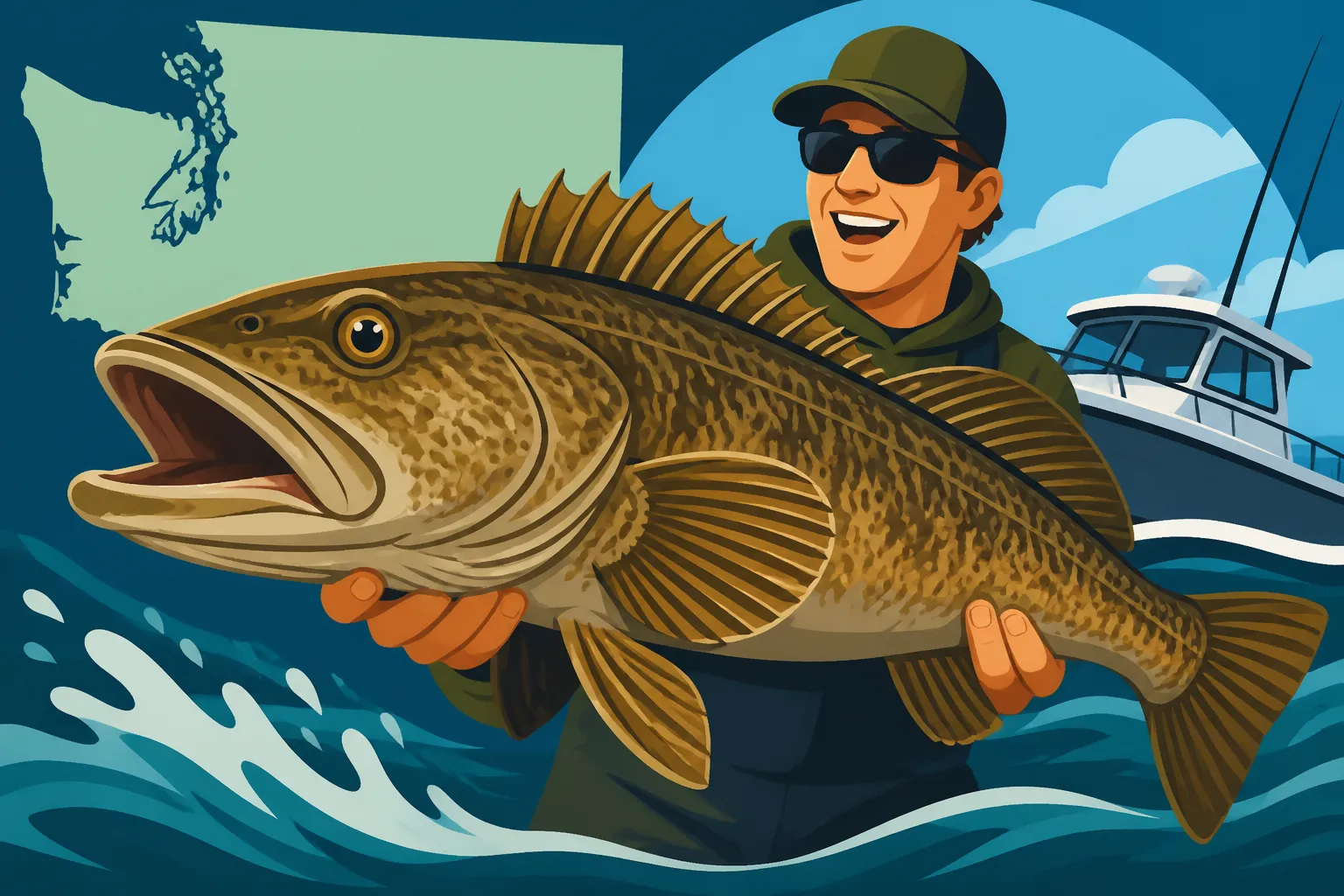
Now, let's talk about the behemoths – the true monsters of the deep that make lingcod fishing an obsession for many. While 25-35 inches is common, Washington lingcod can grow much larger. We're talking about fish that push the tape measure well past 40 inches, and often into the 50-inch plus category. These are the fish that demand heavy tackle, strong arms, and often a lot of luck and persistence to bring to the surface. It's truly incredible what these fish can achieve in terms of growth.
These giant lingcod can tip the scales at an astounding 40, 50, or even over 60 pounds. Imagine reeling in something that heavy from several hundred feet down – it’s a full-body workout and a test of your gear. These older, larger fish are typically females, often referred to as "sows," which play a critical role in the species' reproductive success. Hooking one of these titans is a truly unforgettable experience, a moment etched into an angler's memory forever, often becoming the highlight of a lifetime of fishing.
While not an everyday occurrence, the possibility of encountering such a giant is what keeps anglers coming back, hour after hour, patiently working their spots. It’s the thrill of the unknown, the chance that the next bite could be that once-in-a-lifetime fish that makes Washington lingcod fishing so captivating. These leviathans are out there, lurking in the rocky pinnacles and kelp forests, waiting to surprise the unsuspecting angler. For more details about their natural habitats, check out Lingcod Identification and Where They Hide.
Washington State Record Lingcod and Trophy Chasing
The allure of a state record or a truly monumental trophy fish is a powerful motivator for many dedicated anglers. It represents the pinnacle of achievement, a testament to skill, persistence, and perhaps a little bit of cosmic luck. For lingcod in Washington, the prospect of landing such a magnificent creature is a very real, albeit challenging, dream.
The Pursuit of a State Record Lingcod
Every serious angler has that glimmer in their eye when they talk about a state record. For lingcod in Washington, that record stands as a testament to the incredible potential of our waters. While specific weights and dates for state records can change with new catches and official certifications, the Washington state record lingcod generally hovers around the upper 60 to low 70-pound mark. To put that in perspective, imagine a fish that's almost as heavy as a grown human child, with a mouth full of razor-sharp teeth, being hauled up from the dark depths. It’s a truly gargantuan fish.
To even get close to such a record requires a perfect storm of factors: being in the right place at the right time, using the absolute best gear, impeccable technique, and a healthy dose of pure luck. It's not something you stumble upon every day; it's often the culmination of years of dedicated fishing, learning the nuances of specific spots, and understanding lingcod behavior. The state record stands as a beacon, showing us just what these powerful fish are capable of achieving in our rich marine environment.
Chasing a record isn't just about the numbers; it's about the challenge, the respect for the animal, and the deep connection to the sport. It drives anglers to push their boundaries, refine their skills, and explore new depths. Even if a record isn't broken, the pursuit itself is often the most rewarding part, leading to countless stories and unforgettable moments on the water.
What Constitutes a "Trophy" Lingcod?
Beyond the state record, what truly defines a "trophy" lingcod for the average angler? It's subjective, of course, but generally, any lingcod pushing the 30-pound mark or exceeding 40 inches in length is firmly in trophy territory. These are not common catches and represent a significant achievement for any angler. When you haul one of these brutes over the rail, there’s an immediate sense of awe and accomplishment, a true moment of victory.
A trophy lingcod often means a mature, older fish, likely a prime breeding female, which carries with it the responsibility of careful handling. Many anglers, after documenting their catch with photos, choose to release these large matriarchs back into the water to ensure the future health of the fishery. The memory and the photograph become the true trophy, far more valuable than a cooler full of fillets. This ethos of conservation is becoming increasingly important among those who truly appreciate the grandeur of these fish.
Think about it: bringing in a 45-inch lingcod that weighs 35 pounds is something you’ll be talking about for years. It's the kind of fish that makes your arms ache in the best way possible, confirming your angling prowess and the sheer power of these underwater predators. Whether you keep it for a feast or send it back to spawn, a trophy lingcod is a pinnacle experience in Washington fishing. For insights on where these giants might hide, check out Where Lingcod Hide Along the Washington Coast.
The Science of Size: Lingcod Growth and Longevity
The impressive dimensions of Washington lingcod are not just a matter of chance; they are the result of a complex interplay of biological factors and environmental conditions. Understanding how these fish grow and how long they live provides valuable insight into why certain individuals reach truly monumental sizes.
How Lingcod Grow and Age
Lingcod are fascinating creatures, and their growth rate is quite impressive, especially in their early years. They're opportunistic predators, and a steady diet of smaller fish, octopus, and crustaceans allows them to pack on pounds and length quickly. During their juvenile stages, they can grow several inches in a single year, rapidly reaching legal sizes. Their growth, however, isn't uniform throughout their lives; like many fish species, growth slows down significantly once they reach maturity and a certain size.
Their age is often determined by otoliths (ear bones), which have growth rings much like trees, providing a clear record of their lifespan. Studies have shown that lingcod can live for a surprisingly long time, often exceeding 20 years, with some individuals reaching ages well into their 30s. It's these ancient, long-lived individuals that become the true giants we occasionally encounter, having spent decades patrolling the rocky reefs and kelp beds, becoming apex predators in their ecosystem. They are truly survivors.
The size of a lingcod is, therefore, a direct reflection of its age and the abundance of food in its environment. A lingcod that lives a long, healthy life in a prime habitat with plenty to eat will naturally grow larger than one in a less hospitable or food-scarce area. This natural progression means that the biggest fish are not just lucky catches; they are survivors, a testament to the resilience of their species.
Environmental Factors Shaping Size
Lingcod size is heavily influenced by a cocktail of environmental factors. One of the most critical is habitat. Lingcod are ambush predators that thrive in complex underwater structures – rocky reefs, kelp forests, underwater pinnacles, and even artificial structures like shipwrecks. These environments provide both shelter and abundant prey, which are crucial for growth. A rich, diverse habitat leads to healthier, larger fish, as they have ample opportunities to feed and hide. You might find some of the best fishing around structures detailed in Electronics That Help You Find Lingcod Structure.
Food availability is another massive driver. Lingcod are voracious eaters, consuming almost anything they can fit in their cavernous mouths. A consistent and ample supply of schooling baitfish, Pacific cod, hake, herring, and even smaller rockfish means lingcod can continuously feed and grow without interruption. Areas with rich marine biodiversity and strong baitfish populations will naturally produce larger lingcod, simply because they have more fuel to grow bigger.
Water temperature and currents also play a role, influencing metabolism and the distribution of prey. While lingcod are quite adaptable across various conditions, optimal temperatures can contribute to faster growth rates and better overall health, enabling them to reach their maximum genetic potential. Essentially, a perfect storm of prime habitat, abundant food, and stable environmental conditions is what nurtures those truly massive lingcod we all dream of catching in Washington waters. For more on the species itself, check out Lingcod: Washington's Toothy Bottomfish.
Strategies for Targeting Washington's Largest Lingcod
Chasing a monster lingcod isn't just about luck; it's about preparation, knowledge, and employing the right tactics. These powerful predators demand respect and a strategic approach if you hope to bring one to the boat.
Gear and Techniques for Trophy Fish
If you're serious about landing a substantial lingcod, you need to be prepared with the right equipment and techniques. These fish are not shy, but they are incredibly powerful, especially the larger ones, and they live in unforgiving, snag-filled environments. Standard trout gear just won't cut it. You'll want a heavy-action rod, capable of handling at least 50-80 lb test line, paired with a robust baitcasting or conventional reel that has a strong drag system. Braided line is highly recommended for its strength and minimal stretch, allowing you to feel every subtle bite in deep water.
When it comes to lures and bait, larger presentations are key. Big jigs, especially those weighing 8-16 ounces (and sometimes even more in strong currents or deeper water), are incredibly effective. Popular choices include lead jigs, heavy swimbaits, and even large plastic baits on heavy jig heads. For natural bait, large whole or cut herring, octopus, or even a live smaller fish (where legal) can entice those monster lingcod. Remember, you're trying to appeal to a predator that isn't afraid to swallow something significant. Make sure your hooks are sharp and strong; lingcod have incredibly tough jaws. You can find a fantastic selection of heavy-duty jigs, robust lines, and reliable reels for this kind of fishing on Amazon, often with reviews from other anglers targeting similar species.
The technique itself often involves jigging directly over rocky structure. Get your lure or bait down to the bottom, then work it aggressively with sweeps and drops, trying to mimic a wounded baitfish. Be ready for a violent strike; lingcod don't "nibble." When you feel that unmistakable thud, set the hook hard and begin reeling immediately to prevent the fish from diving back into the rocks and snagging your line. Precision is key when trying to extract a heavy fish from its lair. For specific techniques, consider reading Jigging Herring for Lingcod in Washington.
Where and When to Find Bigger Lingcod
Finding bigger lingcod isn't just about fishing deeper; it's about fishing smarter. These larger fish, particularly the breeding females, tend to hold in specific types of habitat. Look for significant rocky pinnacles, ledges, deep reefs, underwater canyons, and expansive kelp forests. These areas offer the best combination of ambush points, shelter from strong currents, and a reliable food source. Marine charts and good fish finders are invaluable tools for locating these prime structures. Bottom Fishing Techniques for Lingcod and Rockfish off Washington can offer more insights into finding these spots.
Timing also plays a crucial role. While lingcod can be caught year-round, certain seasons, particularly late winter and early spring, can be excellent for targeting larger, spawning-phase fish. During this period, lingcod are more concentrated in shallower spawning grounds, often around 30-80 feet of water, making them more accessible to anglers before they disperse to deeper summer feeding grounds. However, be mindful of specific seasonal closures and depth restrictions, as these are often in place to protect spawning populations. Always check the current Lingcod Limit in Washington before you head out, as regulations can change.
Popular areas known for producing large lingcod in Washington include the Strait of Juan de Fuca, the outer coast around Westport and Ilwaco, and certain deep-water sections of Puget Sound like those found near the San Juan Islands. However, don't overlook lesser-known local spots with good rock structure. Local knowledge from bait shops or fishing reports can be incredibly helpful in narrowing down productive areas. Patience and persistence are your best allies when searching for these elusive giants. For specific local recommendations, Best Bottomfishing Spots Near Westport might be a good starting point.
Conservation and Responsible Angling Practices
As anglers, we have a profound responsibility to ensure the health of our fisheries for future generations. This is especially true when targeting long-lived, trophy-sized species like lingcod. Sustainable practices aren't just good etiquette; they are vital for the continued enjoyment of this incredible resource.
The Importance of Size Limits and Bag Limits
Washington's fishing regulations, including size limits and bag limits for lingcod, aren't arbitrary rules designed to make your life difficult. They are carefully established by fishery managers to ensure the long-term health and sustainability of the lingcod population. For lingcod, there's typically a slot limit or a minimum size limit, meaning fish under a certain length must be released. This is crucial because it protects younger, immature fish, allowing them to grow, mature, and eventually contribute to the breeding stock.
Bag limits, on the other hand, restrict the number of fish you can keep per day. This prevents overharvesting and ensures that there are enough fish left in the ecosystem to reproduce and maintain a healthy population size. These limits are especially vital for species like lingcod, which can live a long time and mature relatively slowly compared to some other fish. Ignoring these regulations not only carries stiff penalties but directly undermines the conservation efforts that allow us to continue enjoying this fantastic fishery for years to come. Checking the latest rules in the Washington Fishing Regulations Every Angler Should Know pamphlet is always a good idea before every trip.
Responsible anglers understand that adhering to these limits is a shared responsibility. It's about more than just legal compliance; it's about being a steward of the environment and ensuring that future generations can also experience the thrill of catching these magnificent fish. Every time you respect a size or bag limit, you're contributing to a thriving and sustainable fishery.
Best Practices for Releasing Larger Lingcod
Catching a truly massive lingcod is exhilarating, but for many trophy-sized fish, especially the larger, older females (sows), releasing them is the most responsible choice. These large females are crucial for reproduction, producing millions of eggs during their lifespan. Releasing them helps ensure a robust future for the lingcod population. However, releasing a large, deep-water fish successfully requires specific practices to maximize its survival chances.
One of the biggest challenges when releasing deep-caught fish is barotrauma – the physiological damage caused by rapid changes in pressure. When a fish is brought up from deep water, the gases in its swim bladder expand, causing organs to push out of its mouth or vent. To combat this, using a descending device is highly recommended. These devices, which can be purchased from retailers like Amazon or made at home, allow you to quickly and safely return the fish to its capture depth, recompressing its swim bladder and significantly increasing its survival rate. Learn more about their use with Descending Devices for Rockfish and How to Use One, a practice equally beneficial for lingcod.
Minimize handling time and use wet hands or gloves to protect the fish's slime coat. If possible, keep the fish in the water while unhooking it. If you need to bring it on board for a quick photo, support its body horizontally, avoiding hanging it vertically by the jaw or gills, which can cause internal damage. A quick, efficient release back to depth is paramount for these powerful predators, especially for those majestic, decades-old sows that are the backbone of the species. Additionally, being aware of and properly identifying other species, like various Rockfish Species That Must Be Released in Washington, is crucial to responsible bottom fishing.
Disclaimer
This article is for general informational purposes only and does not constitute professional advice. Laws, prices and regulations vary by location and change over time. Consult a qualified professional for guidance on your specific situation.