Where Lingcod Hide Along the Washington Coast
Finding lingcod along Washington's rugged coast can feel like searching for a ghost in the vast expanse of the Pacific. These aggressive ambush predators are masters of camouflage, making their preferred hiding spots a well-guarded secret for many anglers. This guide aims to pull back the curtain, helping you understand the specific underwater real estate lingcod call home, so you can increase your chances of hooking into one of these toothy, hard-fighting bottom dwellers.
Decoding the Lingcod's Preferred Real Estate
Lingcod aren't random wanderers; they're creatures of habit, fiercely territorial, and they love structure. Their entire hunting strategy revolves around lurking in crevices, behind boulders, or within dense vegetation, waiting for an unsuspecting meal to swim by. Understanding this fundamental aspect of their behavior is the first step in figuring out where they hide.
Rocky Reefs and Ledges: The Ultimate Ambush Points
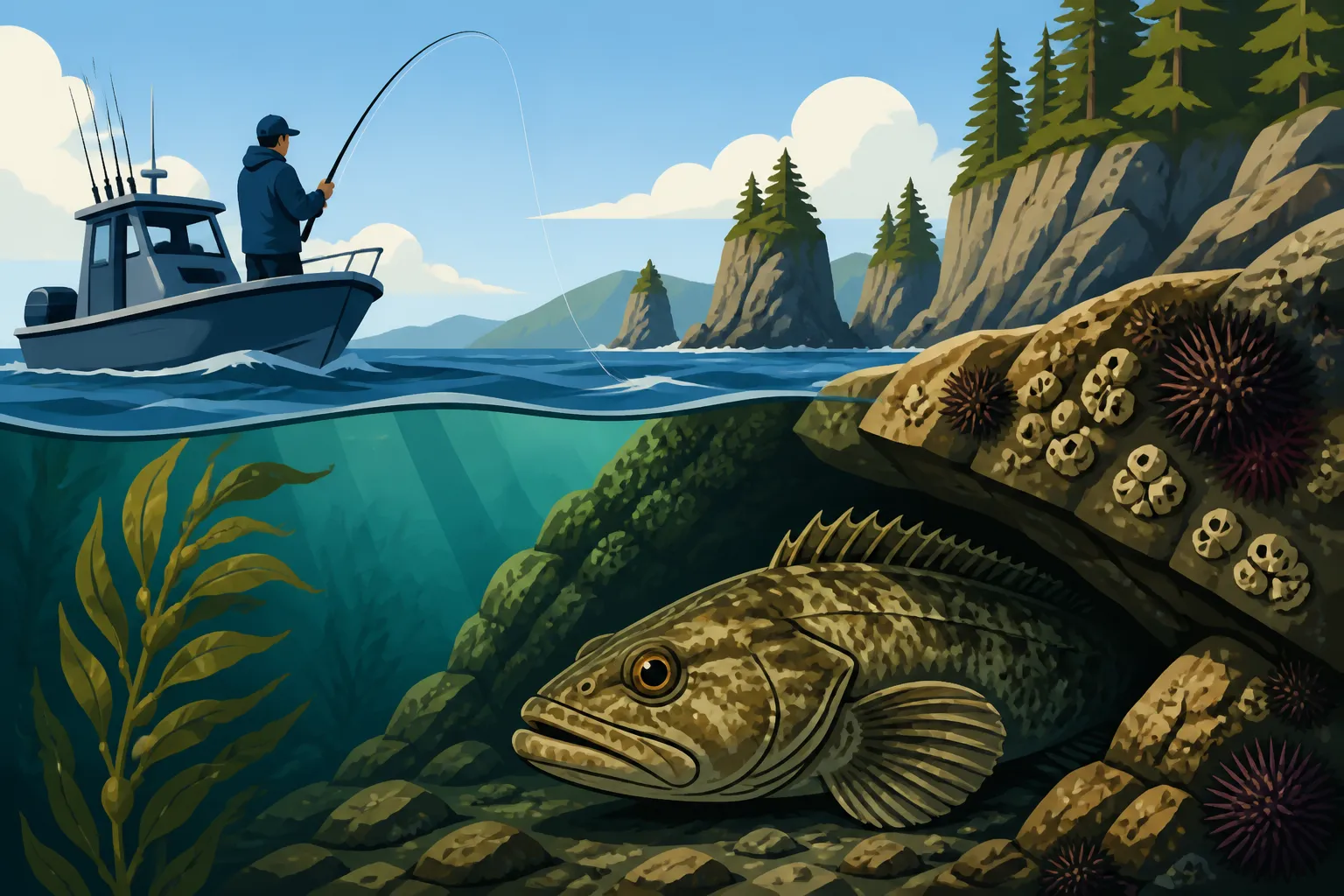
If you were to design a perfect ambush predator habitat, it would look a lot like a rocky reef. These underwater labyrinths provide an abundance of cover, deep cracks, and sudden drop-offs that lingcod adore. Imagine a submerged mountain range, riddled with caves and overhangs – that's prime lingcod territory. They’ll wedge themselves into tight spaces, sometimes barely larger than their own bodies, with only their eyes peeking out, ready to explode on passing baitfish, crabs, or even smaller octopus.
The depth can vary significantly. In areas with strong currents or where bait congregates, you might find them in shallower zones, say 30 to 60 feet. However, they frequently inhabit deeper ledges, often down to 100-300 feet, especially as waters warm or during their non-spawning seasons. It's about finding that perfect combination of current, cover, and forage. Keep an eye on your fish finder for those tell-tale jagged bottom structures that scream "lingcod."
Kelp Forests and Eelgrass Beds: Green Cover for Green Eaters
While rocky reefs are undoubtedly king, don't overlook the vital role that underwater vegetation plays in the lingcod's life. Dense kelp forests and extensive eelgrass beds offer incredible cover, hiding them from both predators and prey. These lush environments are also nurseries and feeding grounds for many smaller fish and invertebrates that make up the lingcod diet. Picture a lingcod lying motionless at the base of a towering kelp stalk, almost invisible against the fronds, waiting for a rockfish or greenling to swim too close.
Fishing these areas requires a slightly different approach, as snags can be prevalent. However, the reward can be significant. Lingcod in kelp beds tend to be shallower and can be aggressively defensive of their territory. You might encounter them in depths ranging from 20 to 80 feet, particularly during warmer months when these vegetated areas are teeming with life. For navigating these intricate underwater gardens, a good set of polarized sunglasses (which you can often find great deals on through Amazon) can help spot subtle changes in water color indicating kelp or rock structure from the surface.
Prime Hunting Grounds: Washington's Lingcod Hotspots
Washington's coastline is vast and varied, offering numerous areas where lingcod thrive. While they can be found in many rocky, structured parts of Puget Sound and the outer coast, some locations are particularly renowned for their consistent lingcod populations.
The San Juan Islands and Northern Puget Sound
The intricate network of islands, passages, and deep channels in the Washington's San Juan Islands for Salmon and Lingcod provides an ideal habitat for lingcod. The strong currents, numerous rocky outcroppings, and abundant forage fish make this a perennial favorite for bottomfish anglers. Areas around Lopez Island, Orcas Island, and the straits separating them are prime examples. Look for current breaks, deep reefs, and rocky pinnacles that rise from the depths.
Fishing here can be challenging due to the currents, often requiring heavier weights and precise boat positioning. However, the rewards can be substantial, with many trophy-sized lingcod caught each year. The sheer amount of structure, combined with relatively consistent water temperatures, means lingcod are often present year-round, though specific regulations and seasons for Lingcod Limit in Washington will apply. Always check the latest WDFW regulations before you head out.
The Olympic Coast and Straits of Juan de Fuca
Moving to the outer coast, the waters off the Fishing Westport and the Washington Coast and the Strait of Juan de Fuca offer some truly spectacular lingcod fishing. The rugged coastline, exposed to the full force of the Pacific, features dramatic underwater topography – extensive rocky reefs, pinnacles, and submarine canyons. Places like Sekiu and Neah Bay, often a launching point for offshore adventures, are particularly well-known for their excellent Sekiu and Neah Bay, Washington for Salmon and Halibut and bottomfishing opportunities.
Here, lingcod often inhabit deeper waters than in the protected Puget Sound, sometimes in the 100-400 foot range, especially when targeting larger fish. The sheer size of the habitat means there's a lot of ground to cover, but once you find a productive reef, it can hold fish for years. Weather can be a significant factor out here, so always prioritize safety and check marine forecasts.
The Specifics: Structures That Hold Lingcod
Beyond general habitat types and geographic areas, lingcod have a strong preference for very specific types of structures within those environments. They are not just on a reef; they are in or around particular features of that reef.
Pinnacles and Submerged Rock Piles: Vertical Ambush Points
Pinnacles are essentially underwater mountains or spires that rise sharply from the seabed. These are absolute magnets for lingcod. The reason is simple: pinnacles disrupt currents, creating eddies and upwellings that concentrate baitfish. They also provide abundant vertical relief, offering countless nooks, crannies, and ledges for lingcod to hide and ambush prey. Imagine a small rocky island, completely submerged, with current sweeping around its base and over its peak.
When you're prospecting for lingcod, pay close attention to your depth sounder for these sudden changes in depth. A pinnacle might rise from 200 feet to 80 feet, creating a massive amount of prime habitat. Lingcod will often sit on the ledges at various depths, facing into the current, waiting for an easy meal to be swept by. Fishing around pinnacles often involves vertical jigging or drifting live bait, trying to present your offering right in their strike zone. Many anglers stock up on a variety of lead head jigs and soft plastic swimbaits, which are easily found on Amazon.
Artificial Reefs and Shipwrecks: Man-Made Havens
Human ingenuity, or sometimes misfortune, also contributes to lingcod habitat. Sunken ships, bridge pilings, and deliberately deployed artificial reefs quickly become prime real estate for a wide variety of marine life, including lingcod. These structures offer similar benefits to natural reefs – complex cover, ambush points, and concentration of baitfish – but they are often found in areas that might otherwise be barren, sandy bottoms.
Shipwrecks, in particular, are legendary for holding large lingcod. The intricate steel framework, dark holds, and numerous crevices provide perfect hiding places. Finding and fishing wrecks can be challenging due to navigation and the high potential for snagging gear, but experienced anglers know the rewards can be immense. Many detailed marine charts, some of which are available for purchase on Amazon, will mark known wrecks or artificial reef sites, giving you a head start on where to explore.
| Hiding Structure Type | Why Lingcod Love It | Preferred Depths (approx.) | Best Fishing Method |
|---|---|---|---|
| Rocky Reefs/Ledges | Abundant cover, ambush points, strong currents concentrate bait. | 30-300 feet (deeper offshore) | Jigging, mooching, drift fishing |
| Kelp Forests/Eelgrass | Visual cover, rich food source, ambush from below. | 20-80 feet (seasonal) | Jigging, casting weedless lures |
| Pinnacles/Rock Piles | Current breaks, vertical relief, multiple ambush points. | 80-400 feet (all depths) | Vertical jigging, live bait |
| Shipwrecks/Artificial Reefs | Complex cover, dark hiding spots, often in otherwise barren areas. | 50-400 feet (depends on wreck) | Vertical jigging, heavy tackle |
| Rubble/Boulder Fields | Scattered cover, bottom-hugging prey species. | 50-200 feet | Drift fishing, bouncing bait |
Seasonal Movements and Depths for Lingcod
Lingcod aren't static residents; their movements and preferred depths can shift throughout the year, primarily driven by spawning cycles, water temperature, and food availability. Understanding these seasonal patterns is crucial for consistent success.
Winter and Early Spring: Spawning Season Shallow
The late winter and early spring months (typically January through April, though specific timing varies by location and year) mark the lingcod's spawning season. During this time, male lingcod move into shallower, rocky areas, often in 20 to 80 feet of water, to establish nests. Females then visit these nests to deposit their eggs. The males guard these nests aggressively for several weeks, making them particularly vulnerable to anglers. This is often the time when regulations on Lingcod Limit in Washington become most stringent, or even involve closures, to protect spawning fish.
Anglers targeting lingcod during this period should focus on known rocky areas in shallower bays, coves, and near shorelines. While the males are aggressively protecting their eggs, they are often less interested in feeding and more interested in driving off perceived threats. This can make them strike at anything that comes too close to their nest. Many of the largest lingcod are caught during this window, but it's vital to know and adhere to all catch-and-release rules and harvest guidelines.
Late Spring and Summer: Post-Spawn and Deeper Feeding
After the spawn, as water temperatures begin to rise and the males finish guarding their nests, lingcod tend to disperse and move into slightly deeper water. During late spring and summer, you'll often find them transitioning to depths of 80 to 200 feet, sometimes even deeper offshore. They're recovering from the rigors of spawning and actively feeding to rebuild their energy reserves. This is a prime time for targeting them with a variety of methods, as they're often hungry and willing to chase down lures.
This period sees lingcod spread out across wider areas of rocky bottom, pinnacles, and ledges. They're often found alongside other bottomfish species like Rockfish Species Along the Washington Coast. Anglers often employ Bottom Fishing for Lingcod and Rockfish off Washington techniques, such as Jigging Herring for Lingcod in Washington or using heavy leadhead jigs with plastic swimbaits, to probe the bottom structures. A reliable fish finder is invaluable during this time to locate scattered fish on the bigger, deeper reefs.
Fall: Migration to Deeper, Cooler Waters
As autumn progresses and water temperatures start to cool, lingcod movements can become less predictable. Some fish will remain in their summer feeding grounds, while others may start a slow migration towards deeper, more stable temperatures for the winter. You might find them concentrated on offshore pinnacles or deep ledges in 150-400 feet of water. Their feeding can remain strong throughout the fall, making it another productive time to target them before winter's colder, often stormier weather sets in.
During this period, targeting lingcod often involves searching larger expanses of deep reef structure. Anglers equipped with good electronics and a thorough understanding of Electronics That Help You Find Lingcod Structure will have an advantage. They’re still very much ambush predators, so finding that key piece of structure, whether it’s a distinct rock pile or a sharp drop-off, is paramount. Just like any successful fishing trip, preparation is key; having a well-stocked tackle box, maybe with some new lures purchased from Amazon, can make all the difference.
Understanding where lingcod hide isn't just about knowing a map coordinate; it's about understanding their behavior, their diet, and their seasonal rhythms. By focusing on rocky reefs, kelp beds, pinnacles, and wrecks, and adjusting your approach with the seasons, you'll be well on your way to cracking the code of Washington's formidable lingcod.
Disclaimer
This article is for general informational purposes only and does not constitute professional advice. Laws, prices and regulations vary by location and change over time. Consult a qualified professional for guidance on your specific situation.