Washington’s San Juan Islands for Salmon and Lingcod
The San Juan Islands are renowned for their stunning natural beauty, serene waters, and vibrant wildlife, drawing countless visitors each year. But for many anglers, the thought of fishing these iconic Washington waters can feel a bit daunting or even overlooked amidst the scenic appeal. If you’ve ever wondered what it truly takes to hook into a trophy salmon or a feisty lingcod in this spectacular archipelago, this comprehensive guide is for you. We'll cut through the confusion and show you exactly how to approach fishing these prolific waters.
Why the San Juan Islands Are a Fishing Paradise
The San Juan Islands aren't just pretty faces on a postcard; they're a dynamic and incredibly productive marine ecosystem, making them a true angler's dream. What looks like a calm expanse of water on the surface is actually a complex network of channels, currents, and nutrient-rich upwellings that create an ideal environment for a wide array of fish species, particularly salmon and lingcod. Understanding this unique environment is the first step to unlocking its fishing potential.
The Unique Marine Environment
Imagine a labyrinth of over 400 islands and islets, each contributing to a diverse underwater topography. This isn't just open ocean; it's a sheltered yet dynamic system where deep channels plunge hundreds of feet, offering cool, stable temperatures even in summer. These depths provide refuge for larger, predatory fish and create distinct thermoclines that concentrate baitfish. The myriad of rocky reefs, ledges, and kelp forests lining the shores and underwater structures serve as perfect ambush points and homes for bottom-dwelling species like lingcod. The constant tidal flow, driven by the Strait of Juan de Fuca and Puget Sound, flushes the area with fresh nutrients, oxygenates the water, and keeps baitfish on the move, making them vulnerable targets for hungry salmon.
Abundant Baitfish and Their Role
The rich marine environment supports an incredible abundance of baitfish, which are the cornerstone of the San Juan Islands' fishing success. Species like herring, anchovy, candlefish, and squid form massive schools that migrate through the channels, providing a constant food source for larger predators. When these baitfish are present in force, the salmon and lingcod are never far behind. Anglers who pay attention to baitfish patterns – whether through their sonar, observing diving birds, or even watching for surface disturbances – often find themselves in the thick of the action. These baitfish concentrations are particularly vital during the migratory seasons for salmon, acting as pit stops where these powerful fish gorge themselves before continuing their journey. Without this reliable food source, the San Juans simply wouldn't be the fishing hotspot it is.
Navigating the Island Channels and Tides
Fishing the San Juan Islands effectively requires a deep respect for and understanding of its intricate channels and powerful tides. Unlike open ocean fishing, you're constantly dealing with currents that can range from gentle drifts to raging rips, especially in narrow passages like Cattle Pass, Rosario Strait, or Boundary Pass. These currents are not just obstacles; they are critical elements that dictate how baitfish move, where salmon feed, and where lingcod prefer to ambush prey. Many local anglers will tell you that fishing with the tide, whether incoming or outgoing, is often more productive than against it, as it concentrates bait and makes presentations more natural. Learning to read the currents, understand tide tables, and safely navigate the shifting waters is paramount. It’s also important to be aware of how these tides affect the various Washington Sport Fishing Seasons and Emergency Closures that may be in effect, as a strong tide can sometimes push fish into or out of open areas very quickly.
Targeting Salmon in the San Juans: Chinook and Coho
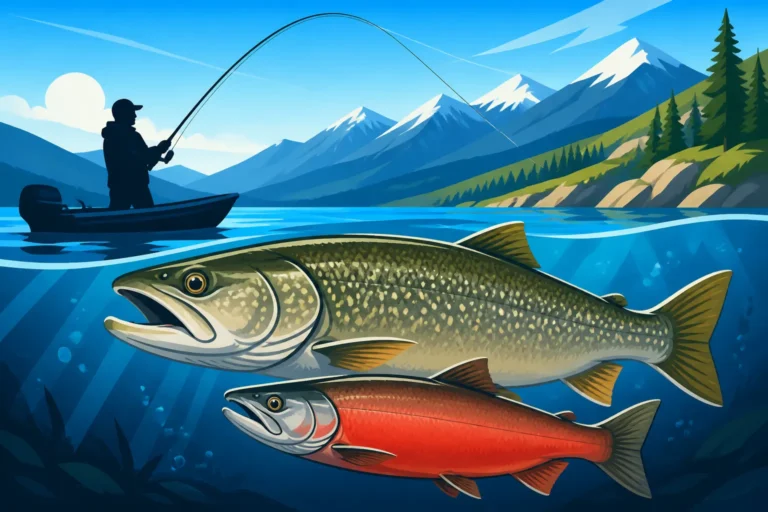
When people talk about salmon fishing in the San Juan Islands, they're typically dreaming of two main species: the mighty Chinook (King) salmon and the acrobatic Coho (Silver) salmon. Both offer exhilarating fights and delicious table fare, but they have distinct seasons, preferences, and require different approaches.
Chinook Salmon: The King of the San Juans
Chinook salmon, often referred to as "Kings" or "Blackmouth" when they are immature residents, are the undisputed royalty of Washington's salmon fisheries. In the San Juan Islands, you'll find both resident Chinook that spend their entire lives in Puget Sound waters, and larger migratory fish passing through on their way to distant rivers. These fish are known for their brute strength, long runs, and deep dives, making them a formidable challenge for any angler. You’ll often find these impressive fish lurking in deeper waters, near structure, or along current breaks where they can ambush baitfish. Knowing How to Tell a Chinook From a Coho can be crucial for adhering to specific regulations.
The peak seasons for Chinook can vary, but generally, late spring through summer sees good numbers of larger migratory fish moving through, while the "Blackmouth" fishery (resident Chinook) can be productive throughout the colder months, especially from late fall into early spring. Techniques often involve deep trolling with downriggers, using large flashers and spoons, or bait such as herring or anchovy. Precision is key when targeting Chinook, as they can be finicky eaters. Many dedicated anglers spend hours studying sonar to locate bait balls and individual fish before dropping their gear.
Coho Salmon: Acrobats of the Open Water
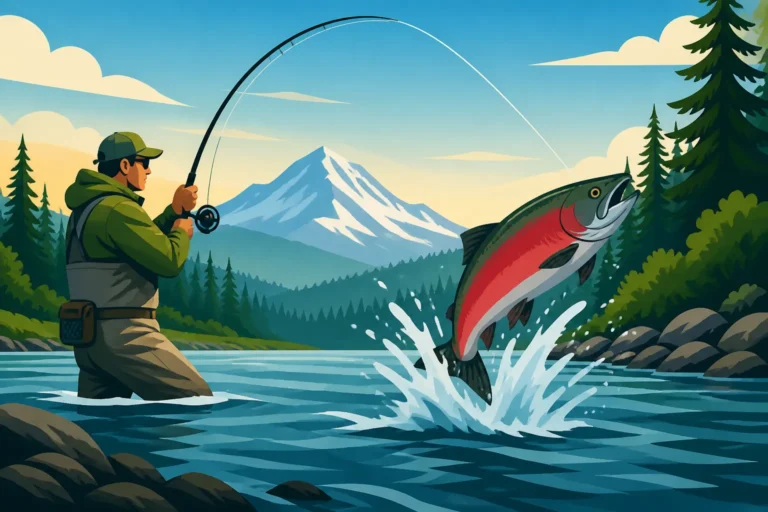
Coho salmon, or "Silvers," provide a completely different but equally thrilling fishing experience. Unlike the deep-diving power of Chinook, Coho are known for their incredible speed, aerial acrobatics, and aggressive strikes, often hitting lures with a ferocity that can startle even experienced anglers. They tend to be found higher in the water column, often chasing baitfish schools near the surface, especially during their peak season. These fish are a blast to catch on lighter tackle, and their unpredictable leaps make for an unforgettable battle.
The prime Coho season in the San Juan Islands typically kicks off in late summer and can extend well into the fall, as large schools move into the area. Techniques often involve faster trolling speeds, using smaller spoons, hoochies, or even plugs that imitate fleeing baitfish. Sometimes, you'll find them actively busting on the surface, offering exciting opportunities for casting or jigging. Areas with strong currents and baitfish concentrations are prime Coho territory. When you're dealing with a hot bite, it's not uncommon to hook into multiple Coho in short succession, making for fast-paced and action-packed trips. Understanding When Coho Salmon Run in Washington can greatly improve your success.
Seasonal Salmon Strategies and Hotspots
Fishing for salmon in the San Juan Islands is a year-round affair, but understanding the seasonal nuances is critical for success.
Spring (March-May): This is often the prime time for "Blackmouth" Chinook, those immature resident Kings. They feed aggressively as water temperatures begin to rise. Anglers often focus on deeper areas, points, and current seams using larger spoons or herring trolled slowly. Some popular spots include parts of Rosario Strait, San Juan Channel, and around the outer edges of the islands where baitfish congregate. This is a time when patiently working a known feeding lane can really pay off.
Summer (June-August): As summer progresses, migratory Chinook start making their way through, heading towards their natal rivers. This is when you might encounter some truly massive fish. Coho salmon also begin to show up in late summer, with numbers building significantly. The fishing can be fast and furious, especially when large schools of baitfish move in. Trolling remains the most popular method, but jigging can also be effective when fish are concentrated. Mid-channel areas, along deeper banks, and near prominent points are good places to start. Remember that Best Time to Fish for Chinook in Washington's Puget Sound also applies to the San Juans.
Fall (September-November): This is typically peak Coho season, with large schools providing incredible action. Chinook fishing can also remain strong, particularly for those later runs. The cooler water temperatures mean fish are often more active throughout the day. Areas closer to river mouths (even those on the mainland that salmon are heading towards) can become productive as fish stage before their final journey. Surface action for Coho can be spectacular, making for exciting light-tackle opportunities.
Winter (December-February): While many anglers pack it in, winter can offer surprisingly good Blackmouth Chinook fishing for those willing to brave the elements. These fish are often found deeper, holding tight to structure. Slow trolling with bait or glow-in-the-dark spoons can be very effective. This is a time for persistence and targeting specific known feeding grounds.
Navigating the regulations for different species in different areas can be tricky. It's essential to consult the WDFW regulations pamphlet for Marine Area 7 (San Juan Islands) before each trip.
Hunting Lingcod in the Island Depths
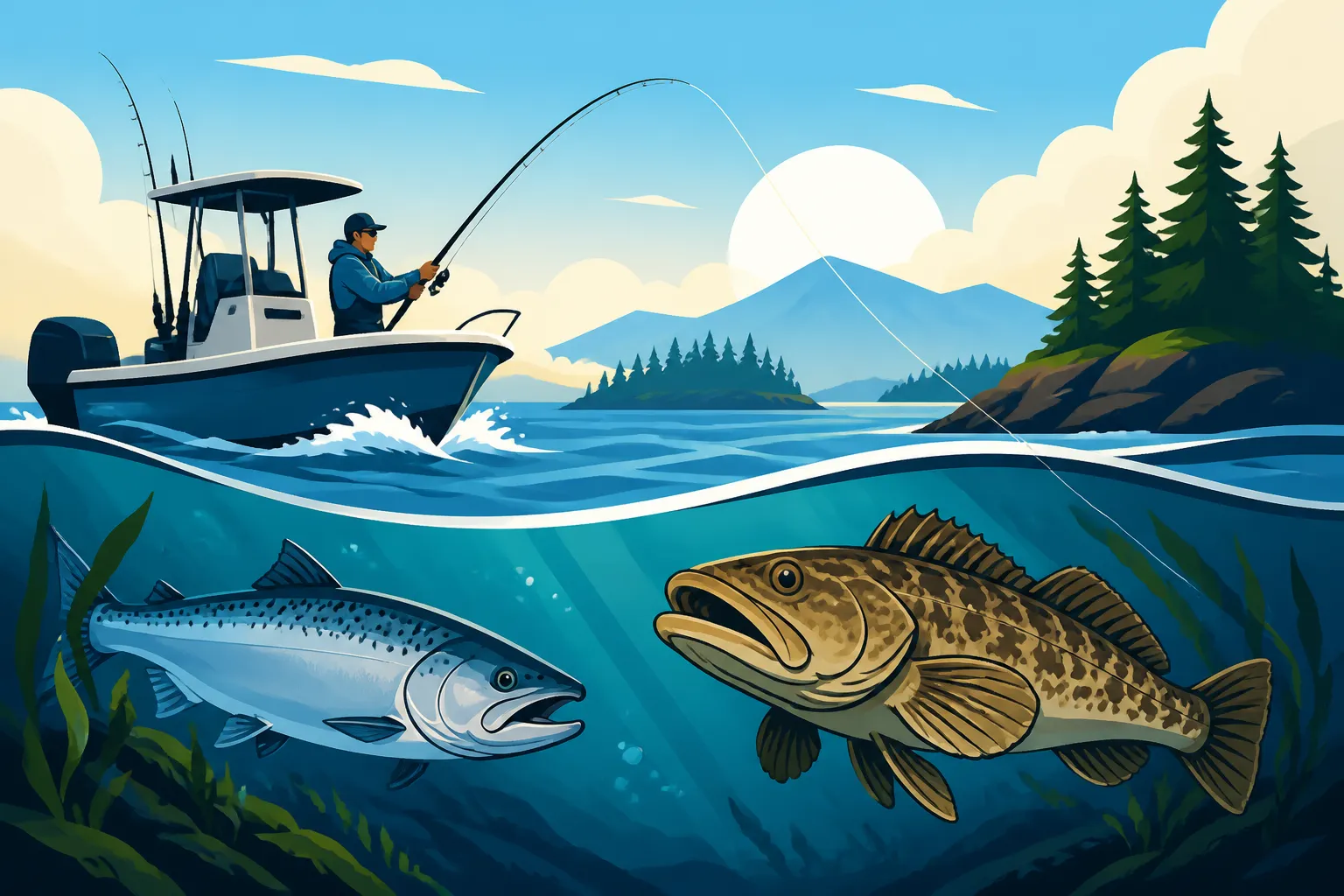
While salmon get a lot of attention, the San Juan Islands are also home to one of Washington's most exciting and hard-fighting bottomfish: the lingcod. These prehistoric-looking predators are prized for their aggressive strikes, impressive size, and delicious white meat. Fishing for lingcod offers a fantastic change of pace from salmon trolling and often provides consistent action.
Lingcod Habitat and Behavior
Lingcod are ambush predators that prefer rocky, high-relief structures. Think jagged ledges, underwater pinnacles, rock piles, and kelp forests. They are incredibly territorial and will fiercely defend their chosen spot. You'll often find them anywhere from 20 to 400 feet deep, though the most popular and accessible fishing depths are typically between 60 and 200 feet. They have large mouths filled with sharp teeth, perfectly adapted for snatching up anything that swims by – especially smaller fish like greenling, rockfish, and even juvenile salmon, as well as octopus and squid. Their behavior is often tied to the tides, as strong currents can dislodge prey and carry it past their hiding spots. They also move to shallower rocky areas to spawn in winter and early spring, making them particularly vulnerable (and thus closed to fishing during that time).
Best Techniques for Lingcod
Lingcod fishing is a hands-on experience, often involving active jigging or bait fishing right on the bottom.
- Jigging: This is perhaps the most popular and effective method. Heavy metal jigs, ranging from 4 to 16 ounces depending on depth and current, are dropped to the bottom and then "worked" with a series of lifts and drops. The idea is to imitate an injured baitfish or a squid. Popular jigs include pipe jigs, P-Line Laser Minnows, and various flutter jigs. A key is to maintain bottom contact, lifting the jig a few feet off the bottom and letting it fall, often pausing briefly. Lingcod strikes can be subtle taps or powerful grabs that nearly rip the rod from your hands.
- Bait Fishing: Using large chunks of herring, squid, or even whole dead baitfish (like Irish lords or sculpins) on a heavy-duty mooching rig or a spreader bar can be very effective. The bait is fished directly on or very near the bottom, often with a large sinker to hold it in place. Many anglers use a large circle hook to ensure a solid hookset and make catch-and-release easier if needed.
- Soft Plastics/Swim Baits: Large paddle-tail swimbaits or grub-tailed plastics rigged on heavy jig heads (often 4-10 ounces) are also excellent for lingcod. Colors like white, chartreuse, or natural baitfish patterns tend to work well. These can be jigged similarly to metal jigs or slowly retrieved along the bottom.
When you feel a bite, set the hook hard! Lingcod have tough mouths. Once hooked, they'll often try to "rock up" and wedge themselves into a crevice, so you need to keep constant pressure and try to reel them up quickly. This is where a stout rod and strong line are essential. For more detailed insights, check out Bottom Fishing for Lingcod and Rockfish off Washington.
Seasonal Lingcod Opportunities
Lingcod season in the San Juan Islands (Marine Area 7) is typically open from mid-spring (often May) through mid-June, though exact dates can vary year to year, so always check the current WDFW regulations. This short, intense season is designed to protect lingcod during their critical spawning period. During this open window, fishing can be exceptional.
- Pre-Spawn/Post-Spawn: The best time is usually right at the opening of the season, when lingcod are still recovering from spawning or are actively feeding before they commit to spawning. They're often hungry and less wary.
- Summer and Fall (Closed Season): While the season is closed, lingcod are still present and feeding. Anglers who are bottom fishing for other species like rockfish (where legal) sometimes accidentally hook lingcod. Always be prepared for catch and release outside the open season, minimizing harm to the fish.
It's crucial to be mindful of bait bans or gear restrictions that may apply, particularly if you're fishing near known salmon migratory routes or in areas with sensitive rockfish populations. Always refer to the latest WDFW pamphlet. Remember, Lingcod: Washington's Toothy Bottomfish are a valuable resource, and responsible fishing ensures their populations remain healthy for future generations.
Essential Gear and Tackle for San Juan Islands Fishing
Having the right gear is paramount for a successful and enjoyable fishing trip in the San Juan Islands. The diverse fishing opportunities for salmon and lingcod mean you’ll need versatile equipment, or specialized setups for each target species. Don’t skimp on quality; these waters can be tough on gear, and a good setup will last you many seasons.
Rods, Reels, and Line for Salmon
For salmon fishing in the San Juans, especially when trolling, you'll want a rod and reel combo that can handle powerful fish and heavy gear.
- Rods: A medium-heavy to heavy action trolling rod, typically 8 to 10.5 feet long, is ideal. Look for rods with a forgiving tip for good bite detection, but plenty of backbone to fight a strong Chinook. Graphite composite rods offer a good balance of sensitivity and power.
- Reels: A high-quality conventional reel is the standard. Look for models with a strong drag system, good line capacity (at least 300 yards of 20-30 lb test), and durable internal components. Reels from brands like Shimano, Daiwa, or Penn are popular choices. Lever drag reels offer precise control, while star drag reels are also very effective.
- Line: Most salmon anglers prefer braided mainline due to its strength-to-diameter ratio and lack of stretch, which provides excellent sensitivity. 30 to 50 lb braid is common. You'll then typically use a fluorocarbon leader of 20 to 40 lb test, depending on water clarity and fish size. Fluorocarbon is nearly invisible underwater, which can be a huge advantage for wary salmon. When Trolling for Salmon in Washington's Puget Sound, having enough line capacity is crucial for those long runs.
Terminal Tackle and Lures for Salmon
The variety of lures and terminal tackle for salmon in the San Juans can be overwhelming, but a few staples will cover most situations.
- Flashers: These are perhaps the most essential piece of terminal tackle for salmon trolling. Flashers rotate and wobble, creating vibration and flash that attract salmon. Popular colors include chartreuse, green, white, and various metallic finishes. Brands like Pro-Troll, Fish Flash, and Kone Zone are common.
- Lures:
- Spoons: Classic metal spoons are highly effective. Popular models include Silver Horde Coho Killers, Coyote Spoons, and Kingfisher Spoons. Experiment with sizes (3.5" to 5") and colors (green/white, blue/silver, chrome, glow).
- Hoochies/Squid Skirts: These soft plastic lures imitate small squid or baitfish and are often fished behind a flasher. Various colors work, but green, blue, pink, and white are perennial favorites. Tip them with a piece of bait for added scent and appeal.
- Plugs: Diving plugs, especially for Chinook, can be very effective. Brands like Tomic or Hot Spot Apex are popular. These lures have their own action and can be fished with or without a flasher, depending on the desired presentation.
- Bait: Fresh or brined herring and anchovy are deadly for salmon. Rig them on double-hook bait rigs designed to impart a natural roll or darting action. Scent (like herring oil or Anise) can also be added.
- Downriggers: These are essential for precisely controlling the depth of your lures and bait. Most charter boats and serious private boaters will have multiple downriggers onboard.
Gear for Lingcod and Bottomfishing
Lingcod fishing requires a more robust, heavier-duty setup to handle the deep water, strong currents, and aggressive fish.
- Rods: A heavy-action conventional rod, typically 6 to 7.5 feet long, is perfect. Look for a rod with a powerful butt section to turn big fish away from structure. Rods rated for 40-80 lb line are common.
- Reels: A sturdy conventional reel with a strong drag and good cranking power is a must. Line capacity for 200-300 yards of 50-80 lb braid is usually sufficient. Again, brands like Penn, Daiwa, and Shimano offer excellent options.
- Line: 50 to 80 lb braided mainline is the standard for lingcod, offering minimal stretch for solid hooksets and the strength to pull fish off the bottom. A shorter, heavier fluorocarbon or monofilament leader (60-100 lb test) is often used to resist abrasion from rocks and lingcod teeth.
- Terminal Tackle:
- Jigs: Heavy metal jigs (4-16 oz) as mentioned earlier are key.
- Jig Heads & Soft Plastics: Heavy-duty jig heads (4-10 oz) paired with large soft plastic swimbaits (6-12 inches) are very effective.
- Bait Rigs: Strong, single or double hook bait rigs with heavy mono or fluorocarbon leaders, designed to be fished directly on the bottom with a heavy sinker. Circle hooks (5/0 to 9/0) are often preferred for their effectiveness and ease of release.
- Sinkers: Pyramid or cannonball sinkers, 8-16 oz or more, are needed to hold bottom in strong currents.
Always bring extra terminal tackle, as snags are common when fishing rocky lingcod habitat. A good pair of pliers or side cutters is also essential for dealing with hooks and wire leaders.
Navigating Regulations and Conservation in the San Juans
Fishing in Washington state, particularly in a complex area like the San Juan Islands, comes with a detailed set of regulations designed to protect fish populations and ensure sustainable fisheries. Ignorance of the rules is never an excuse, and violations can lead to hefty fines or even loss of fishing privileges. It's crucial to understand the requirements before you cast a line.
Washington Fishing Licenses and Endorsements
Before anything else, you absolutely need a valid Washington fishing license. This isn't just a suggestion; it's a legal requirement.
- Types of Licenses: You'll likely need a Saltwater license or a Combination license (which covers both freshwater and saltwater). If you're targeting salmon or steelhead in the Columbia River system (which doesn't apply directly to the San Juans but is relevant for other parts of Washington), you'd also need a Washington's Columbia River Salmon and Steelhead Endorsement, Explained.
- Resident vs. Nonresident: The cost and requirements differ based on your residency status. If you're visiting from out of state, you'll need a Washington Fishing License Guide for Nonresidents.
- Catch Record Card: For salmon and steelhead, you also need a Catch Record Card. This is a vital document for reporting your catch, providing WDFW with critical data for managing fish stocks. Every salmon and steelhead you keep must be recorded immediately on your card. Make sure you understand The Washington Catch Record Card and What It Requires and how to fill it out correctly.
- Who Needs a License: Generally, anyone 15 years or older needs a license. Even if you're planning a catch-and-release trip, the license is still required. There might be exceptions for very young children, but it's always best to check the official WDFW regulations pamphlet for the current year.
You can purchase your license online through the WDFW website, at authorized license dealers, or even via the MyWDFW app. Always carry your license and Catch Record Card with you while fishing.
Specific San Juan Islands Regulations (Marine Area 7)
The San Juan Islands fall under Marine Area 7 in Washington's fishing regulations. This is a critical distinction because regulations can vary significantly between marine areas. What might be legal in Puget Sound's Marine Area 9, for example, could be illegal in Marine Area 7.
- Species-Specific Rules: Pay close attention to season dates, bag limits, and size restrictions for both salmon and lingcod. These dates are often set annually and can be subject to in-season changes based on fisheries data. For instance, there might be specific open dates or bag limits for Chinook, Coho, or other salmon species. For lingcod, the season is typically short and specific.
- Daily and Possession Limits: Understand the difference between a daily limit (how many fish you can keep in one day) and a possession limit (how many fish you can have in your possession, including those at home). How Bag and Possession Limits Work in Washington explains this further.
- Gear Restrictions: Certain gear types, such as single-point barbless hooks, might be required for specific species or in certain areas to minimize harm to released fish. Bait bans can also be implemented.
- Protected Species: Be aware of protected species, such as specific rockfish species or bull trout, which must be immediately released if caught. Know how to identify these fish.
- Emergency Rule Changes: Fishing regulations are not static. WDFW can issue emergency rule changes mid-season due to conservation concerns, higher-than-expected catch rates, or other factors. Always check the WDFW website or hotline before each trip for the most up-to-date information. Learning about Emergency Rule Changes: Why Washington's Rules Shift Mid-Season is important for any angler.
It is your responsibility to know and abide by these rules. Get a copy of the current Washington Sport Fishing Regulations pamphlet and read it thoroughly, paying special attention to Marine Area 7.
Practicing Sustainable Fishing
As anglers, we are stewards of the resource. Practicing sustainable fishing ensures that future generations can enjoy the incredible fisheries of the San Juan Islands.
- Respect Limits: Never exceed your daily or possession limits. These limits are set to maintain healthy fish populations.
- Handle Fish Carefully: If you plan to release a fish, do so quickly and carefully. Keep the fish in the water as much as possible, use a de-hooking tool, and avoid touching the gills or eyes. Consider using circle hooks, which often result in lip hooks, making release easier.
- Use Descending Devices: For bottomfish like lingcod that are caught in deep water, barotrauma can be an issue. If you're releasing a fish that's showing signs of barotrauma (e.g., bulging eyes, distended stomach), use a descending device to return it safely to depth.
- Avoid Sensitive Areas: Be mindful of sensitive habitats, marine protected areas, or spawning grounds.
- Report Violations: If you witness illegal fishing activity, report it to WDFW enforcement. Protecting the resource is a collective responsibility.
Getting on the Water: Charters, Private Boats, and Access
Experiencing the fishing in the San Juan Islands can happen in several ways, each offering its own unique adventure. Whether you prefer the guided expertise of a charter, the independence of your own boat, or even shore-based exploration, there are options for every angler.
Booking a Reputable Fishing Charter
For many, especially those new to the San Juan Islands or without their own boat, a fishing charter is the ideal way to go. A good charter captain brings invaluable local knowledge, all the necessary gear, and ensures you're fishing legally and safely.
- Benefits of a Charter:
- Local Expertise: Captains know the hotspots, bait movements, and tidal patterns. They've spent years learning the nuances of these waters.
- Equipment Provided: No need to invest in expensive rods, reels, downriggers, or specialized tackle. Most charters supply everything, including bait.
- Safety: Experienced captains prioritize safety, navigating challenging waters and monitoring weather conditions.
- Fish Processing: Many charters will clean and bag your catch at the end of the trip, making your post-fishing duties much easier.
- Maximizing Success: With a skilled captain, your chances of catching fish are significantly higher.
- What to Look For:
- Experience and Reputation: Look for captains with a proven track record in the San Juans. Check online reviews and ask for recommendations.
- Licensing and Insurance: Ensure the charter is properly licensed and insured.
- Boat Condition: A well-maintained boat indicates a professional operation.
- Communication: A good captain will be upfront about expectations, target species, and current fishing conditions.
- Booking Platforms: Websites like FishingBooker can be a great resource for finding and comparing local charters. They provide reviews, pricing, and availability, helping you make an informed choice.
- What to Bring: Even on a charter, bring appropriate clothing layers (it can get cold on the water!), rain gear, sunglasses, sunscreen, food and drinks, and your fishing license and Catch Record Card.
- Cost: Puget Sound Salmon Charter Cost in Washington can vary widely based on duration (half-day vs. full-day), type of trip (shared vs. private), and the number of anglers. Budget for a tip for the captain and deckhand as well. For a deeper dive, check out How to Book a Fishing Charter in Washington.
Launching Your Own Boat
For seasoned boaters with appropriate vessels, exploring the San Juan Islands from your own craft offers incredible freedom and flexibility. This is where your navigational skills and knowledge of the area really come into play.
- Boat Requirements: You'll need a boat capable of handling open Puget Sound waters, which can get choppy quickly. A reliable engine, good electronics (GPS, sonar, VHF radio), and safety gear are non-negotiable.
- Launch Ramps: Public and private launch ramps are available on some of the larger islands (e.g., San Juan Island, Orcas Island, Lopez Island) and on the mainland (e.g., Anacortes, Bellingham). Be aware of parking availability and launch fees.
- Navigation: Chartplotters with up-to-date charts are essential. Familiarize yourself with all the channels, reefs, and potential hazards. Understanding the tides and currents is even more critical when you're the one at the helm.
- Mooring and Anchoring: Know the rules for anchoring and mooring in various bays and harbors. Respect private property and environmental regulations (e.g., avoiding anchoring on sensitive eelgrass beds).
- Safety: Always file a float plan, monitor marine weather forecasts, and ensure all your safety equipment (life jackets, flares, first-aid kit, emergency communications) is in good working order.
Fishing with your own boat gives you the freedom to chase hot bites, explore remote spots, and customize your trip exactly how you like it. Many anglers prefer this level of independence, allowing them to truly connect with the solitude and beauty of the San Juans.
Shore and Kayak Fishing Opportunities
While the San Juan Islands are largely a boat-accessed fishery, there are still some limited opportunities for shore and kayak anglers. These options are often dictated by public access points and the specific species you're targeting.
- Shore Fishing: Public docks, piers, and beaches on the larger islands might offer opportunities for catching resident salmon (like small Blackmouth), sea-run cutthroat trout, or various bottomfish species. Casting spoons, spinners, or bait can be effective. Popular spots might include specific state parks or county parks. However, direct access to productive salmon and lingcod grounds from shore is quite restricted due to the deep water and challenging terrain.
- Kayak Fishing: Kayaks offer a fantastic way to access closer-in reefs and kelp beds for lingcod and rockfish (when in season), or to target salmon closer to shore. Kayak anglers must be extremely mindful of safety, tides, and currents. A stable fishing kayak, a good PFD, a marine radio, and knowledge of the area are essential. Launching from public beaches or small boat ramps is common. This method demands more physical effort and a higher level of preparedness, but it offers a unique and intimate experience of these waters.
Regardless of your chosen method, proper planning and respect for the marine environment are key to a successful and memorable San Juan Islands fishing trip.
Planning Your San Juan Islands Fishing Adventure
A trip to the San Juan Islands is more than just a fishing excursion; it's an immersive experience in one of the most beautiful places on earth. Thoughtful planning can make your adventure truly unforgettable, ensuring you hit the peak times for your target species and have comfortable logistics.
Best Times to Visit for Specific Species
Timing is everything when it comes to maximizing your chances of success for specific fish in the San Juan Islands.
- Chinook (King) Salmon:
- Resident "Blackmouth" Chinook: Generally, late fall through early spring (October to April) offers the best opportunities for these immature, resident fish. They feed actively in the cooler waters, and while they might not be as large as migratory Kings, they provide consistent action.
- Migratory Chinook: The summer months, typically June through August, see larger, ocean-bright Chinook salmon moving through the San Juan channels on their way to spawning rivers. This is when you have the best chance at a truly trophy-sized fish. However, seasons can be highly regulated and sometimes short, so check the WDFW rules carefully.
- Coho (Silver) Salmon:
- The prime time for Coho salmon is late summer and early fall, usually from August through October. These fish are known for their aggressive bites and acrobatic fights, often found higher in the water column chasing bait. This period can offer some of the most exciting and fast-paced salmon fishing.
- Lingcod:
- The season for lingcod in Marine Area 7 is typically short and specific, often opening in May and running through mid-June. These are critical dates to mark on your calendar if lingcod is your primary target. Fishing right at the season opener often yields the best results as fish are actively feeding after their spawning period.
It's vital to remember that these are general guidelines, and actual fishing conditions can vary year to year based on weather, bait availability, and fish migration patterns. Always consult the official Washington Sport Fishing Seasons and Emergency Closures for the most accurate and current information before finalizing your trip dates. This helps avoid disappointment due to unexpected closures or restrictions.
Accommodation and Logistics
The San Juan Islands offer a range of accommodation options, from rustic camping to luxurious resorts, across its main islands like San Juan Island (Friday Harbor), Orcas Island (Eastsound), and Lopez Island.
- Accommodation:
- Hotels/Resorts: Friday Harbor and Eastsound offer numerous hotels, inns, and upscale resorts. These are great bases if you're looking for amenities, dining, and easy access to charter boats or shops.
- Vacation Rentals: Many homes and cabins are available for rent, providing more space, kitchens, and a "local" feel, especially useful for groups or families.
- Camping: Several state parks and private campgrounds are available, offering a more budget-friendly and immersive nature experience. Book well in advance, especially during peak season.
- Transportation:
- Ferries: The Washington State Ferries system provides the primary access to the islands from Anacortes. Reservations are highly recommended, especially if you're bringing a vehicle, and are often essential during busy seasons. Check ferry schedules and book far in advance.
- Air Travel: Small commuter airlines and seaplane services offer flights from Seattle (Boeing Field or Lake Union) directly to Friday Harbor or Eastsound, saving time but at a higher cost.
- Getting Around the Islands: Once on an island, you can bring your car (via ferry), rent a car, or use local shuttle services, taxis, or bicycles (popular on Lopez Island).
- Supplies: Most main towns (Friday Harbor, Eastsound) have grocery stores, tackle shops, and other essential services. However, it's always a good idea to bring specialty items or a cooler with provisions, especially if you're staying in a more remote area. If you're planning to cook your catch, ensure your accommodation has appropriate facilities.
Beyond Fishing: Exploring the Islands
While fishing might be the primary draw, the San Juan Islands offer so much more to explore. Integrating other activities can make your trip even more memorable, especially if you're traveling with family or non-anglers.
- Wildlife Viewing: The San Juans are world-renowned for whale watching, particularly orcas. Numerous tours depart from Friday Harbor and other ports. You might also spot seals, sea lions, porpoises, and a wide variety of marine birds.
- Hiking and Biking: Numerous trails and scenic roads offer opportunities for exploring the islands' natural beauty. Moran State Park on Orcas Island boasts Mount Constitution, offering panoramic views of the entire archipelago.
- Kayaking and Paddleboarding: Rent a kayak or paddleboard to explore the calmer bays and shorelines, getting a different perspective of the islands.
- Local Culture and Cuisine: Enjoy farm-to-table restaurants, art galleries, and charming shops in towns like Friday Harbor, Eastsound, and Lopez Village. Many establishments celebrate the local seafood, offering a chance to taste what you might catch yourself!
- Relaxation: Sometimes, simply unwinding on a quiet beach, watching the boats go by, or enjoying a sunset over the water is the perfect antidote to a busy life.
By planning your fishing trip to the San Juan Islands with these considerations in mind, you're not just setting yourself up for a great day on the water, but for an enriching and unforgettable Washington experience. Remember, sometimes booking through services like FishingBooker not only helps you find the right charter, but their local insights might also guide you to good accommodation or dining recommendations.
Disclaimer
Always check the latest Washington Department of Fish and Wildlife (WDFW) regulations before heading out. Fishing seasons, limits, and rules can change frequently due to biological data and in-season management decisions. This guide is for informational purposes only and does not supersede official WDFW regulations.