Spot Shrimp and Where They Live
There's nothing quite like the anticipation of a spot shrimp season opening in Washington. For many of us, it’s a high-stakes, short-window sprint to harvest some of the most delectable shellfish our waters offer. But if you’ve ever tried to chase these elusive beauties, you know the biggest hurdle isn't just the gear or the regulations—it's figuring out where they actually live in this vast aquatic playground. This guide is going to peel back the layers and help you understand the specific habitats and behaviors of Washington’s spot shrimp, so you can increase your chances of finding them and enjoying a truly rewarding harvest.
Understanding Washington's Prized Spot Shrimp
Spot shrimp, or Pandalus platyceros, are a true delicacy, known for their large size, firm texture, and sweet, succulent flavor. They are a highly sought-after species, making their limited seasons some of the most exciting, if not frantic, days on the water for many Washington anglers. The thrill of dropping pots into the deep, dark waters and hoping for a pot full of these beauties is unparalleled.
What Makes Spot Shrimp So Special?
The allure of spot shrimp goes beyond just their incredible taste. For starters, their size is impressive. These aren't the tiny cocktail shrimp you toss into a salad; a large spot shrimp can be several inches long, offering a substantial bite. Their meat is exceptionally sweet and tender, often described as having a buttery quality, which is why chefs and home cooks alike covet them. But it’s not just about the plate; there’s a distinct challenge and reward in pursuing them. The seasons are typically very short, sometimes just a few hours on specific days, making every minute on the water count. This scarcity, combined with their deliciousness, elevates them to a near-mythical status among Washington shellfish enthusiasts. They truly are the kings of the shrimp world in our local waters.
Beyond their culinary appeal, the experience of shrimping itself adds to their specialness. It often involves venturing into deeper, more remote parts of our marine environments, offering glimpses of stunning Washington scenery that land-based activities just can't provide. It’s a full sensory experience—the smell of the salt air, the sound of the gulls, the anticipation as you pull up the pot, and then, finally, the vibrant red and white of a healthy spot shrimp catch. It’s a connection to the wildness of our state that's deeply satisfying. You might also be interested in learning about other local crustaceans in Dungeness Crab and Washington Shellfish.
Identifying Washington's Spot Shrimp
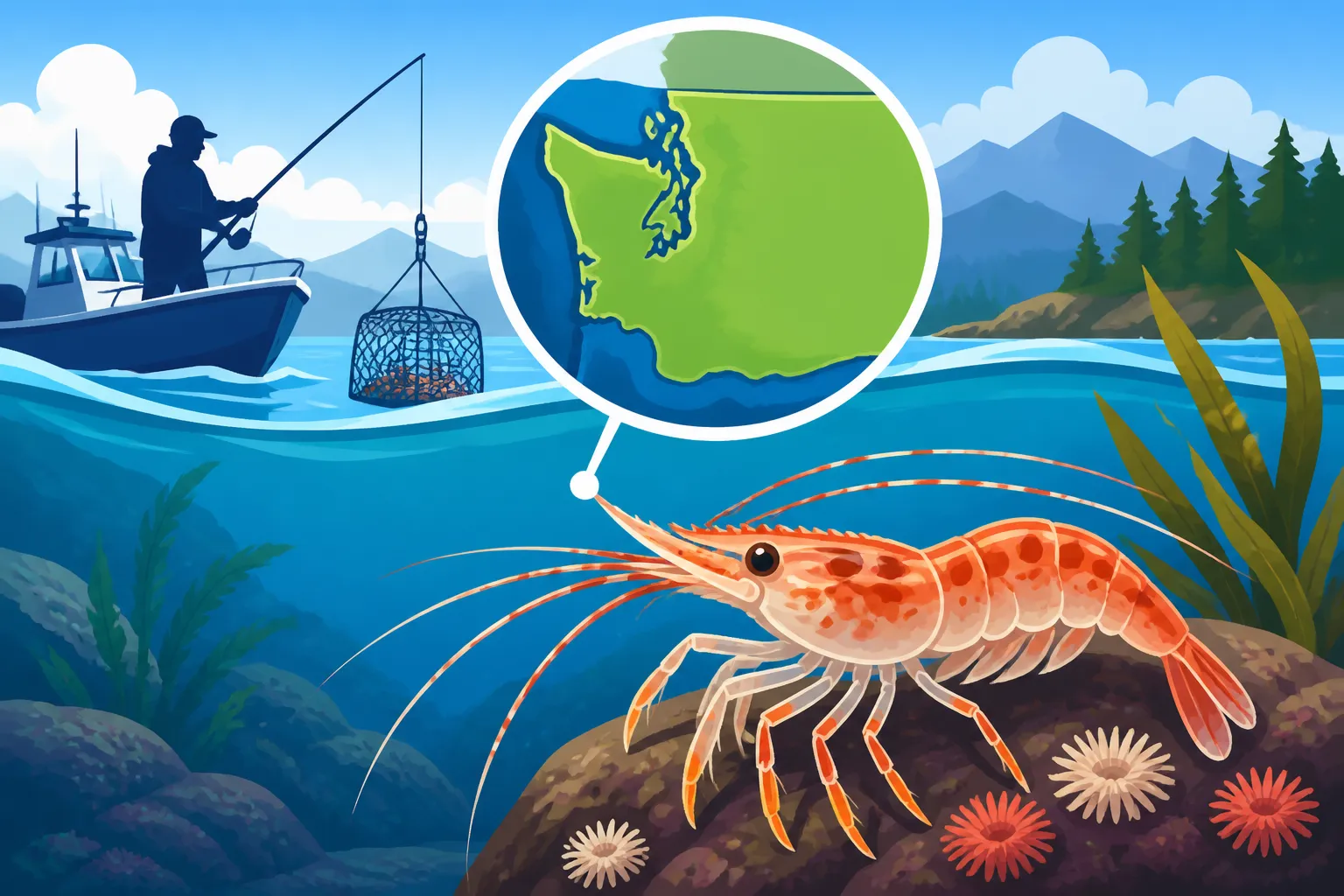
When you're out on the water, you want to be sure you're targeting the right species and adhering to the rules. Spot shrimp are fairly easy to identify once you know what to look for. They are one of the largest shrimp species found in our waters, often reaching lengths of 8 to 10 inches from the tip of their rostrum (the pointy bit on their head) to the end of their tail. Their most distinctive feature, and the one that gives them their name, are the prominent white spots on the first and fifth abdominal segments. These spots are usually quite noticeable against their reddish-orange bodies, which can sometimes appear almost brown depending on their specific diet and habitat.
They also have long antennae, often twice the length of their body, which they use to navigate and forage in their deep-water environment. Their bodies are robust and somewhat flattened, making them excellent swimmers. It’s important to be able to tell them apart from other shrimp species you might encounter, such as Coonstripe shrimp (Pandalus danae) or Pink shrimp (Pandalus jordani), which are generally smaller and lack the distinctive white spots. Proper identification ensures you're staying within regulations and bringing home the specific prize you're after. How Big Hood Canal Spot Shrimp Get provides more detail on their impressive size.
Where Washington's Spot Shrimp Call Home
Spot shrimp aren't just found anywhere; they have very specific preferences for their living arrangements. Understanding these preferences is key to successful shrimping. Think of them as deep-sea connoisseurs, particular about their surroundings. They thrive in environments that offer both protection and abundant food sources, far from the chaotic shallower waters.
The Deep, Dark Waters of Puget Sound and Hood Canal
When we talk about spot shrimp habitat in Washington, two names immediately spring to mind: Puget Sound and Hood Canal. These aren't just large bodies of water; they are complex marine ecosystems with varying depths, currents, and bottom structures that create ideal conditions for spot shrimp. These areas are characterized by deep basins, steep drop-offs, and plenty of underwater features that provide the shelter and feeding grounds these shrimp require. You won't typically find spot shrimp in shallow, sandy bays, for instance; they prefer the mysterious depths.
Specifically, you'll find spot shrimp concentrated in the deeper sections of these waterways, often ranging from 150 to 600 feet, sometimes even deeper. Hood Canal, in particular, is renowned for its spot shrimp populations due to its fjord-like characteristics, offering extensive deep-water habitats with less boat traffic than some parts of the main Puget Sound. Marine Areas like 8, 9, 10, and 11 within Puget Sound, and the entirety of Marine Area 12 (Hood Canal), are classic spot shrimp grounds. The key here is the depth and the structure. These deep basins offer stable temperatures, protection from predators, and a steady supply of nutrients carried by underwater currents. Knowing these general areas and then honing in on specific deep structures within them is what separates a good shrimper from someone just dropping pots randomly. For more specific location insights, check out Spot Shrimp in Hood Canal.
Essential Habitat Characteristics for Spot Shrimp
Spot shrimp aren't just looking for deep water; they're looking for deep water with character. Their preferred habitat is highly structured, rocky, or muddy bottoms, often associated with steep underwater slopes, ledges, and canyons. Imagine an underwater mountain range with plenty of nooks and crannies to hide in and forage around. These features provide vital protection from predators like lingcod and bottomfish, and also offer excellent ambush points for them to catch the smaller organisms they feed on.
Areas with moderate to strong currents are also highly desirable. These currents act like a conveyor belt, bringing a constant supply of detritus, plankton, and other small food particles that spot shrimp filter from the water. Without these currents, the food supply would be stagnant, and the shrimp wouldn't thrive. Conversely, very strong, turbulent currents might be too disruptive, so it's a balance. What you won't find them in are vast, flat, open expanses of sand or soft mud. While some shrimp species prefer these, spot shrimp are structure-oriented. This means that a good electronic depth sounder with a clear bottom imaging capability is an absolute game-changer when you're scouting for prime shrimping grounds. You're essentially looking for underwater topography that screams "shelter and food."
Targeting Spot Shrimp: Gear, Depths, and Timing
Now that we know what spot shrimp are and where they generally live, let's talk about the practicalities of catching them. Success in spot shrimping is a combination of having the right tools, employing smart strategies, and, crucially, understanding the regulatory dance. It's not just about dropping a pot; it's about dropping the right pot in the right place at the right time.
The Right Gear for Deep-Water Shrimping
Spot shrimping requires specialized gear, largely due to the depths involved and the need to efficiently and safely retrieve heavy pots. Your standard crab pot just won't cut it. The primary tool is the shrimp pot itself, which is typically conical or rectangular, often made with a sturdy wire frame and mesh. Key features to look for include:
- Size and Weight: Shrimp pots are generally heavier than crab pots, designed to sink quickly and resist currents in deep water. They also need to be large enough to hold a good quantity of shrimp.
- Entrance Tunnels: These are crucial. Spot shrimp pots have inverted funnels that allow shrimp to enter but make it difficult for them to find their way out.
- Escape Rings: These are mandatory in Washington and allow smaller, juvenile shrimp to escape, ensuring the sustainability of the fishery. Always double-check current regulations for size and placement in Washington Fishing Regulations Every Angler Should Know.
- Bait Jars/Cages: Most shrimpers use a plastic bait jar with holes or a mesh cage inside the pot to hold their bait. This keeps the bait contained and releases scent effectively.
Beyond the pots, you'll need plenty of robust line—often 300 to 600 feet or more, depending on your target depth and the marine area—and sturdy buoys that are clearly marked with your fishing license number. These buoys need to be buoyant enough to hold the weight of your pot and line without sinking. For retrieval, a pot puller is almost essential. Manual pulling from hundreds of feet down is a brutal workout, especially if you're pulling multiple pots. Electric or hydraulic pot pullers, often purchased from marine supply stores or even online marketplaces like Amazon, can save your back and make the experience much more enjoyable. Don't forget a good depth sounder, which you can also find on Amazon, to help you pinpoint those crucial rocky drop-offs.
Best Practices for Setting and Hauling Pots
Setting and hauling shrimp pots effectively involves more than just tossing them overboard. Here’s how to maximize your success:
- Bait Selection: Spot shrimp are voracious eaters. Oily fish like salmon heads or cat food mixed with a scent attractant (many shrimpers have their secret recipes involving fish oil, tuna cat food, or even special shrimp bait pellets) work exceptionally well. The goal is to create a strong scent trail that drifts with the current and lures shrimp into your pot. Pack your bait jars full! You can often find specialty bait ingredients or even pre-made shrimp bait on Amazon if your local tackle shop is out. Best Bait for Spot Shrimp offers more insight into bait choices.
- Strategic Placement: Use your depth sounder and marine charts to identify promising spots: steep drop-offs, underwater reefs, and structure where shrimp can hide. Don't just drop in the middle of a flat bottom. Pay attention to how the current is flowing and drop your pots "up-current" from the structure so the scent trails into prime habitat.
- Soak Times: While some anglers argue for very short soaks (an hour or two), many experienced shrimpers prefer longer soak times, anywhere from 4 to 24 hours, especially if fishing deep. This gives the shrimp more time to find the bait and enter the pot. However, be mindful of commercial vessel traffic if you're leaving pots overnight in busy shipping lanes. Also, remember to check current regulations; specific marine areas might have limits on soak times, similar to How Long to Soak a Crab Pot in Puget Sound often has regulations.
- Careful Hauling: When retrieving, pull your pots slowly and steadily to avoid jarring the shrimp out of the entry funnels. Once the pot is on board, quickly transfer your catch into a cooler filled with ice water. This chills them down immediately, maintaining their quality and ensuring they stay fresh for the trip home. Have a sorting table ready to quickly identify and measure your catch, returning any undersized or non-target species immediately.
Navigating Seasons and Regulations
This is arguably the most critical aspect of spot shrimping: the regulations. Unlike many other fisheries, Washington's spot shrimp seasons are notoriously short, intense, and often change at the last minute based on pre-season test fisheries and population assessments. You absolutely cannot rely on last year's dates.
- Stay Informed: The Washington Department of Fish and Wildlife (WDFW) is your go-to source. They release emergency rules and season updates frequently. Before every single trip, check the WDFW website for the latest rules, open dates, daily limits, and any gear restrictions for the specific marine area you plan to fish. Ignoring this step is the fastest way to a hefty fine and potential loss of your gear. Emergency Rule Changes: Why Washington's Rules Shift Mid-Season and Reading the Washington Sport Fishing Regulations Pamphlet are indispensable resources.
- Daily Limits and Pot Limits: Expect strict daily catch limits, usually measured in pounds or quarts per person. There are also limits on the number of pots you can deploy. These regulations are in place to ensure the sustainability of this popular fishery. Adhere to them without exception.
- Handling the Catch: Once you've harvested your limit, it's best to dispatch the shrimp humanely and get them on ice immediately. Some people twist the heads off right away (be sure to keep the tails if you're measuring by weight/count as required by rule), while others wait until they are ready to process them ashore. The key is rapid cooling to preserve that incredible flavor.
- Responsible Shrimping: Always be mindful of other boaters, sensitive marine habitats, and other wildlife. Retrieve any lost gear if safely possible, and never discard trash or unused bait into the water. This ensures these precious resources remain viable for future generations of shrimpers. Understanding Shrimping Techniques in Hood Canal goes hand-in-hand with understanding the specific rules for those waters.
| Feature | Spot Shrimp Habitat (Ideal) | Less Likely Habitat (Avoid) |
|---|---|---|
| Depth | 150-600+ feet (deeper than most recreational divers) | 0-100 feet (too shallow, exposed to predators) |
| Bottom Type | Rocky, muddy, gravelly bottoms with structure | Flat, expansive sandy or soft mud bottoms |
| Topography | Steep drop-offs, ledges, underwater canyons, reefs | Gradual slopes, featureless plains |
| Current | Moderate to strong currents (bringing food) | Stagnant water (lack of nutrients), excessively turbulent areas |
| Location Example | Deep basins of Hood Canal, parts of central/south Puget Sound | Shallow bays, river mouths with strong silt |
Remember, successful spot shrimping is a combination of knowledge, preparation, and respect for the resource. With the right approach, you'll be enjoying these incredible Washington delicacies in no time. You can also compare shrimping to Crabbing With Pots vs Rings in Puget Sound to understand different shellfish strategies. And make sure you've got your rain gear and durable gloves, which are also often available on Amazon, because you never know what the Washington weather will throw at you!
Disclaimer
This article is for general informational purposes only and does not constitute professional advice. Laws, prices and regulations vary by location and change over time. Consult a qualified professional for guidance on your specific situation.