Is Pink Salmon Good to Eat Fresh?
It's a common dilemma when you're out fishing in Washington: you've landed a beautiful pink salmon, often called a "humpy," and while you're thrilled with the catch, a nagging doubt creeps in. You've heard whispers, perhaps from old-timers or internet forums, that pink salmon aren't really "table fare" compared to their more celebrated cousins. This guide is here to bust those myths and dive deep into why fresh pink salmon is not only good to eat, but can be a delicious, versatile, and sustainable addition to your culinary repertoire.
The Reputation of Pink Salmon: Why the Hesitation?
Let's face it, pink salmon have gotten a bit of a bad rap over the years. Many anglers, especially those focused on species like Chinook or Coho, tend to view pinks as a nuisance or a lesser catch. This perception isn't entirely unfounded, but it often stems from outdated practices and a lack of understanding about how to best prepare them.
Historical Perceptions and Canning Culture
For a long time, pink salmon were primarily associated with commercial canning. If you grew up with canned salmon in your pantry, chances are it was pink salmon. This wasn't because it tasted bad, but because pinks are incredibly abundant and their smaller size made them ideal for processing. This association with canning, however, led many to believe that pinks weren't suitable for fresh consumption. The thought was, "If it's only good for a can, it can't be good fresh, right?" This couldn't be further from the truth. The canning process, by its nature, changes the texture and flavor of the fish, making it a poor benchmark for its fresh qualities. Many a Washington angler has tossed back a perfectly good pink, believing it wasn't worth the effort, missing out on a delicious meal.
Comparing Pinks to Their King and Coho Cousins
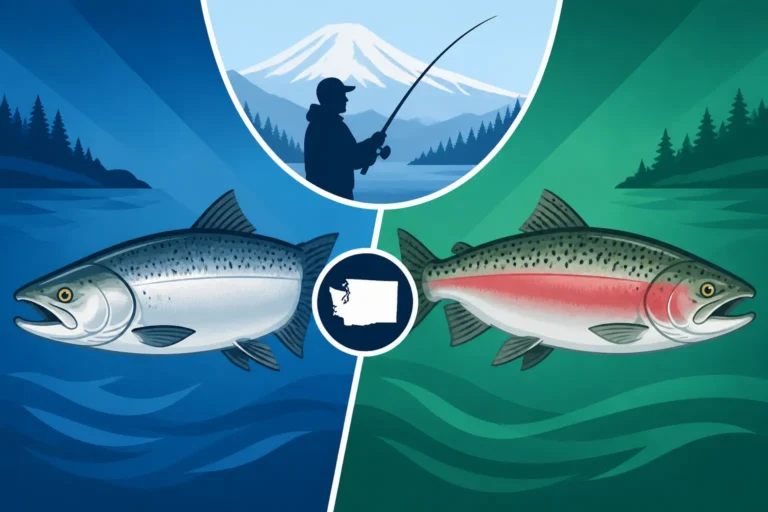
When you put a pink salmon next to a majestic Chinook (King) salmon or a vibrant Coho, it's easy to see why expectations might differ. Chinook are famous for their rich, fatty flesh and deep red color, while Coho offer a firm texture and distinct flavor. Pinks, on the other hand, are smaller, have a lighter, often pinkish-orange flesh, and are generally leaner. Because of this leaner profile, some people worry they'll be dry or less flavorful.
However, this difference isn't a flaw; it's a characteristic. It's like comparing a rich, marbled ribeye to a lean, delicate tenderloin. Both are excellent, but they excel in different preparations. The key is to appreciate pink salmon for what it is and understand how to bring out its best qualities, rather than trying to force it into the same culinary box as a Chinook Salmon: Washington's King of Fish. Every species has its own charm, and pink salmon definitely has a lot to offer when handled right.
What Fresh Pink Salmon Really Tastes Like
So, if all those old ideas aren't quite right, what can you expect when you sit down to a plate of freshly caught Washington pink salmon? Prepare to be pleasantly surprised!
The Flavor Profile: Mild, Delicate, and Versatile
Fresh pink salmon has a remarkably mild and delicate flavor. It's not as intensely "fishy" as some other salmon species, which can actually be a huge advantage. This gentle flavor profile means it's incredibly versatile in the kitchen. It readily absorbs marinades, seasonings, and sauces without being overwhelmed. Think of it as a blank canvas for your culinary creativity.
For families or individuals who are sometimes hesitant about strong fish flavors, pink salmon can be a fantastic entry point. It offers that classic salmon taste without being overpowering. You can season it simply with lemon and dill, or get adventurous with a teriyaki glaze, a spicy rub, or even some fresh pesto. Because it's a leaner fish, cooking methods that help retain moisture and infuse flavor work exceptionally well. The delicate flavor also means you can easily pair it with lighter side dishes, letting the fish shine without competition.
Texture: Flaky vs. Firm
The texture of fresh pink salmon is another point of discussion. It's generally flakier and softer than the firmer flesh of a Chinook or Coho salmon. This doesn't mean it's mushy; rather, it's a tender, easily separated flake that melts in your mouth when cooked correctly. The key here is not to overcook it. Overcooked pink salmon can indeed become dry and less appealing, but that's true for almost any lean fish.
When perfectly cooked, the flakes are moist and tender, breaking apart beautifully with a fork. This flaky texture makes it fantastic for dishes where you want the salmon to fall apart and integrate, like in a salmon salad, tacos, or even a creamy pasta dish. It’s also excellent for grilling or baking where a delicate texture is desired. Understanding this inherent flakiness helps you choose the right cooking methods to celebrate, not fight, its natural characteristics.
The Importance of Freshness
Like all fish, but perhaps even more so with pink salmon, freshness is absolutely paramount. A pink salmon that was caught, bled, and iced quickly will be a vastly different eating experience than one that sat in a warm cooler for hours. The leaner flesh means it can degrade more quickly if not handled properly post-catch.
When you catch a pink salmon, bleed it immediately by cutting the gills or severing the caudal artery, then get it on ice. This rapid cooling halts bacterial growth and preserves the quality of the flesh. If you're buying pink salmon, look for bright, clear eyes, firm flesh that springs back when pressed, and a fresh, oceanic smell – never overtly "fishy." By prioritizing freshness, you ensure that delicate flavor and tender texture truly come through, transforming a sometimes-maligned catch into a culinary delight. Proper care means everything, from the moment it comes out of the water to the moment it hits your plate. This attention to detail is crucial for any wild catch, especially for fish like pink salmon that might have a shorter peak freshness window than fattier species.
Maximizing the Culinary Potential of Pink Salmon
Now that we've cleared up the misconceptions, let's talk about how to make fresh pink salmon truly sing in your kitchen. It's all about choosing the right techniques.
Best Cooking Methods for Pink Salmon
Because pink salmon is leaner and has a more delicate texture, cooking methods that retain moisture and don't involve prolonged, aggressive heat are generally best.
- Baking/Roasting: This is a fantastic option. A whole side of pink salmon, seasoned with herbs, lemon slices, and perhaps a drizzle of olive oil, bakes beautifully at moderate temperatures (around 375-400°F / 190-200°C) until it's just cooked through. It keeps the fish moist and allows flavors to meld.
- Grilling (with care): You can absolutely grill pink salmon, but a few precautions help. Use a fish basket or grill plank (cedar planks are wonderful for adding flavor) to prevent sticking and breaking. Don't overdo the heat, and cook until it flakes easily. The smoky char from the grill adds a lovely dimension to its mild flavor.
- Pan-Searing: A quick pan-sear with a little butter or oil can create a lovely crust while keeping the inside tender. Just be mindful of cooking time; a thin fillet will cook very quickly. This is great for small fillets or portions.
- Poaching/Steaming: These gentle methods are excellent for preserving moisture and highlighting the delicate flavor. Poached pink salmon can then be flaked and used in salads, sandwiches, or even salmon cakes.
- Smoking: While not strictly "fresh," hot smoking pink salmon is incredibly popular in Washington. The smoking process infuses flavor and creates a delicious, moist product that's excellent on its own or flaked into other dishes.
Avoid deep frying, which can make the leaner flesh dry out quickly. Instead, focus on methods that respect its natural characteristics. For more general advice on preparing your catch, check out How to Ship Fish Home From Washington to ensure your fish arrives in prime condition.
Simple Recipes to Try at Home
The versatility of fresh pink salmon means you don't need complicated recipes to enjoy it. Here are a few simple ideas:
- Lemon-Herb Baked Pink Salmon: Place fillets on a baking sheet. Drizzle with olive oil, sprinkle with salt, pepper, garlic powder, and fresh dill or parsley. Top with lemon slices. Bake at 375°F (190°C) for 12-18 minutes, depending on thickness, until it flakes easily.
- Quick Salmon Tacos: Pan-sear or grill pink salmon fillets until cooked. Flake the cooked fish into warm tortillas with shredded cabbage, a squeeze of lime, and a simple crema or salsa. The mild fish is perfect with vibrant taco toppings.
- Salmon Salad Sandwich: Poach or bake a fillet, then let it cool. Flake the salmon and mix with mayonnaise, chopped celery, red onion, a squeeze of lemon, and fresh herbs (like chives or parsley). Serve on toasted bread or crackers. It's a fantastic alternative to tuna salad.
- Maple-Glazed Pink Salmon: Brush fillets with a mixture of maple syrup, a little soy sauce, and minced garlic before baking or grilling. The sweetness and umami notes complement the salmon beautifully.
- Pink Salmon Patties/Cakes: Flake cooked pink salmon and mix with breadcrumbs, an egg, diced bell peppers, and seasonings. Form into patties and pan-fry until golden brown. Serve with a dollop of tartar sauce. This is an excellent way to use any leftover salmon or smaller pieces.
These recipes highlight how fresh pink salmon, with its mild flavor and flaky texture, can be transformed into a variety of satisfying meals.
How to Handle and Store Fresh Pink Salmon for Optimal Flavor
As mentioned, proper handling is crucial. From the moment it's caught, quick and careful attention will pay dividends in flavor.
- Bleed Immediately: As soon as you catch a pink salmon, bleed it. This removes blood from the flesh, improving both flavor and appearance.
- Ice Down Promptly: Get the fish on ice as quickly as possible. This slows bacterial growth and keeps the flesh firm. A cooler full of ice is your best friend when fishing in Washington.
- Fillet and Skin (Optional): Once home, fillet the fish. You can leave the skin on for grilling or baking, as it helps hold the fillet together and crisps up nicely. Many prefer to remove it for a milder flavor, especially if pan-searing.
- Refrigerate: If you plan to eat it within a day or two, store the fresh fillets in the coldest part of your refrigerator, ideally on a bed of ice, in a sealed container or wrapped tightly in plastic wrap.
- Freeze for Longer Storage: For longer storage, vacuum-seal the fillets and freeze them. This prevents freezer burn and maintains quality for several months. For tips on preserving your catch, consider resources like Records You Should Keep With Your Fish Fillets to ensure all your hard work on the water translates into great meals. Remember, a vacuum sealer can be purchased from retailers like Amazon, and it's an invaluable tool for extending the life of your catch. Good quality freezer bags are also available on Amazon and make a difference.
- Thawing: Thaw frozen salmon slowly in the refrigerator overnight for best results. Avoid thawing at room temperature, which can compromise texture and safety. If you need it quicker, submerge the vacuum-sealed package in cold water.
By following these simple steps, you'll ensure that your fresh pink salmon always reaches its delicious potential, turning a productive day on the water into a rewarding experience at the dinner table.
The Nutritional Benefits of Pink Salmon
Beyond its culinary appeal, fresh pink salmon is also a powerhouse of nutrition, making it a smart choice for any health-conscious angler.
Lean Protein and Omega-3s
Despite being leaner than Chinook, pink salmon is still an excellent source of high-quality, complete protein. Protein is essential for muscle repair, growth, and overall body function. For anglers who spend their days out on the water, having a good source of lean protein is vital for recovery and energy.
Furthermore, pink salmon contains beneficial omega-3 fatty acids, albeit in slightly lower concentrations than fattier salmon species. These essential fats are well-known for their cardiovascular health benefits, including supporting heart and brain health, and reducing inflammation. Even in smaller amounts, incorporating pink salmon into your diet regularly contributes to your overall intake of these crucial nutrients. It’s a win-win: delicious and good for you! If you're looking to explore the different nutritional profiles of various salmon, it's worth learning about Chinook vs Coho in Washington: Telling Them Apart and how their fat content can influence flavor and health benefits.
Sustainable Choice for Your Table
One of the most compelling reasons to embrace pink salmon is its sustainability. Pink salmon populations in Washington are generally robust, and their runs are often incredibly abundant, particularly in odd-numbered years when they return in massive numbers to Puget Sound and its tributary rivers. This abundance means that harvesting pink salmon typically has a lower environmental impact compared to some other, more pressured species.
Choosing to catch and consume pink salmon helps diversify the fishing pressure away from less abundant stocks, contributing to a healthier overall ecosystem. By enjoying what nature provides in abundance, you're not only feeding yourself and your family delicious, healthy food, but you're also making a responsible choice as a steward of Washington's fisheries. If you're interested in learning more about sustainable fishing, understanding Washington Fishing Regulations Every Angler Should Know is a great start, as these regulations are often designed with sustainability in mind. You can find essential fishing gear to support your sustainable angling efforts, like high-quality fishing line and hooks, on Amazon.
| Salmon Species | Primary Flavor Profile | Typical Texture | Fat Content | Common Culinary Uses |
|---|---|---|---|---|
| Pink Salmon | Mild, delicate, versatile | Flaky, tender, softer | Lean | Baking, poaching, smoking, salmon patties, tacos |
| Chinook Salmon | Rich, buttery, strong "salmon" flavor | Firm, meaty, succulent | High | Grilling, roasting, sashimi, smoking |
| Coho Salmon | Distinct, medium-strong, clean | Firm, medium-flaky | Medium | Grilling, pan-searing, baking, smoking |
| Sockeye Salmon | Robust, intense, distinct | Firm, very red, less flaky | Medium | Grilling, baking, smoking, often canned for color |
| Chum Salmon | Mild, sometimes watery, can be earthy | Firm, coarser, less delicate | Lean | Canning, smoking, fish cakes, bait |
In conclusion, the next time you hook a pink salmon in Washington, don't hesitate. Embrace it! With a little care in handling and the right cooking approach, you'll discover that fresh pink salmon is not just good, it's genuinely delicious. It’s a mild, flaky, and healthy option that truly deserves a place on your plate. Enjoy the bounty of Washington's waters!
Disclaimer
This article is for general informational purposes only and does not constitute professional advice. Laws, prices and regulations vary by location and change over time. Consult a qualified professional for guidance on your specific situation.