Half-Pounder Steelhead, Explained
There’s a common term that gets tossed around in steelhead circles: "half-pounders." If you’ve heard it and scratched your head wondering what exactly it means, or how these smaller fish fit into the larger picture of Washington’s incredible steelhead runs, you're not alone. This guide aims to clear up the mystery, explaining what half-pounder steelhead are, why they're unique, and how this concept relates to the diverse steelhead fisheries we cherish here in Washington State.
Understanding the "Half-Pounder" Phenomenon
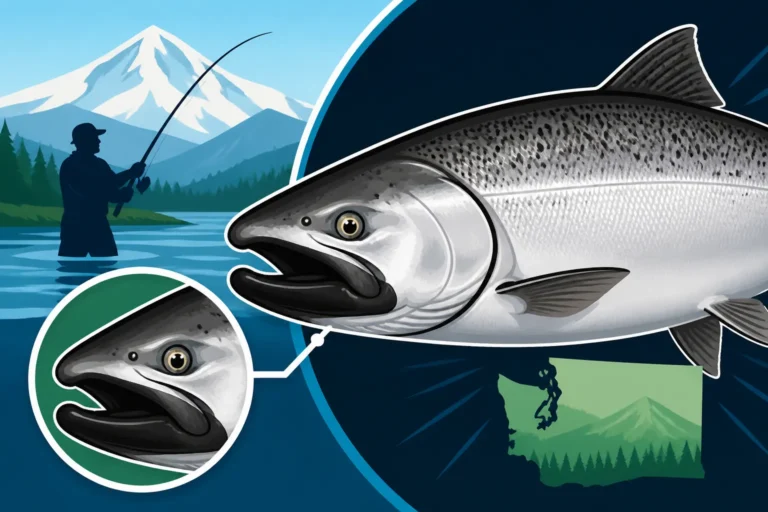
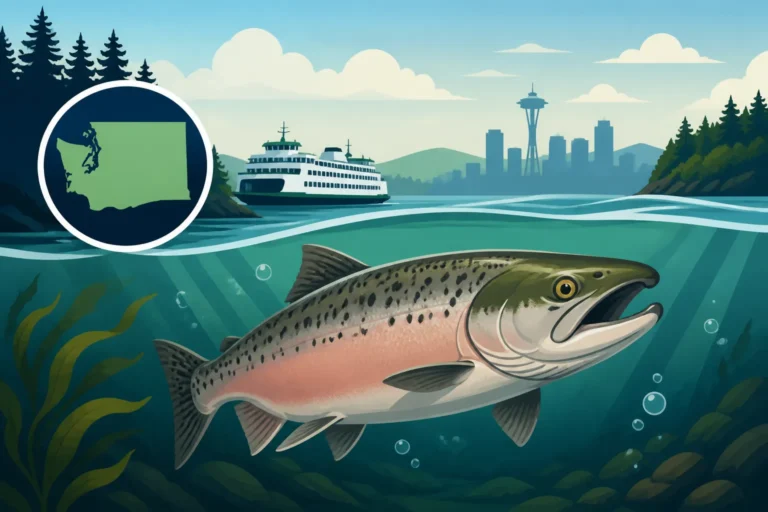
When anglers talk about "half-pounder steelhead," they're referring to a distinct life history strategy exhibited by certain populations of ocean-going rainbow trout, commonly known as steelhead. The term itself is a bit of a clue: these are typically immature fish, often weighing around a half-pound (though they can range from a quarter-pound up to a couple of pounds), that return to their natal rivers from the ocean much earlier than their larger, more mature counterparts.
The Life Cycle of a Half-Pounder
Unlike the robust summer steelhead or formidable winter steelhead that spend a year or more growing significantly in the saltwater environment, half-pounders have a truncated ocean residence. They might spend only a few months, typically less than a year, in the marine environment before making an early return to freshwater. They don't spawn upon this initial return. Instead, they linger in the river system, feeding and growing, sometimes over-wintering, before heading back out to the ocean for another, longer growth period. This makes them repeat migrators even before their first spawning event, a unique adaptation among an already incredible species. Their return to the ocean for further growth is a crucial part of their life cycle, allowing them to gain the size and maturity needed for successful spawning in subsequent years.
Where You Find the Classic Half-Pounder Runs
Historically and most famously, the true "half-pounder" phenomenon is associated with specific river systems in Southern Oregon, particularly the Rogue and Umpqua rivers. These rivers have robust populations of steelhead that exhibit this distinct early-returning behavior. Anglers travel from far and wide to experience these unique fisheries, where the river can be teeming with these smaller, feisty fish. In Washington, while we have diverse steelhead populations, the classic "half-pounder" run, as defined by the Rogue River model, isn't a dominant feature of our steelhead landscape. However, the concept of smaller, early-returning juvenile steelhead certainly exists, and the term might be used colloquially by some anglers who are familiar with the Oregon phenomenon or encounter smaller, precocious fish in Washington's rivers. It’s a good example of the incredible diversity within the species Steelhead: Washington's Ocean-Run Rainbow Trout.
Half-Pounder Characteristics and Why They're Unique
These smaller steelhead aren't just mini versions of their bigger relatives; their behavior and role in the fishery are quite distinct. Their early return means they're often available to anglers when other steelhead runs might be sparse, providing a unique fishing opportunity.
Their Role in the Ecosystem
From an ecological standpoint, half-pounders play an important role. By returning early, they help disperse nutrients from the ocean into the freshwater system. Their presence also provides a food source for larger predators within the river, contributing to the overall biodiversity and health of the aquatic ecosystem. Their early return also suggests a strategy to avoid certain oceanic predators or capitalize on specific freshwater food sources that might be abundant in the late summer and early fall. This diversity in life history helps ensure the resilience of the steelhead population against environmental changes. Imagine how many different survival bets a species places when some individuals mature quickly and return early, while others commit to a longer ocean journey for greater size!
Angling for These Smaller Steelhead
Fishing for half-pounders, or smaller, early-returning steelhead in general, often calls for a different approach than targeting their larger, more elusive brethren. These fish are typically more aggressive and less wary, making them a fantastic target for fly anglers and those using lighter conventional tackle. Because of their smaller size, they offer a thrilling fight on lighter rods, perfect for those who appreciate the finesse of catching a spirited fish. Many anglers find the sheer numbers of these fish, when present, to be a lot of fun, allowing for more hook-ups and active fishing. For gear, think lighter fly rods in the 5-7 weight range, or spinning rods that handle 6-10 pound line. Small spoons, spinners, or weighted flies mimicking small baitfish or nymphs can be incredibly effective. You can find a vast array of appropriate tackle, from rods to various lures and flies, on platforms like Amazon, making it easy to prepare for such a trip.
Are There "Half-Pounders" in Washington?
While the classic "half-pounder" term is most strongly associated with specific Oregon rivers, it’s fair to ask how this phenomenon relates to Washington’s diverse steelhead populations.
Washington's Steelhead: Different Categories, Similar Behaviors?
Washington's steelhead are generally categorized into Winter vs Summer Steelhead Runs in Washington, Explained. Summer steelhead enter rivers in spring and summer, maturing and spawning the following spring. Winter steelhead enter rivers in fall and winter, spawning shortly after. Both categories can have fish that return after varying durations at sea. It's not uncommon to encounter "grilse" – salmon or steelhead that return to spawn after only one year at sea, often smaller than average. These grilse share a similar characteristic with half-pounders in their abbreviated ocean stay, though grilse are typically returning to spawn, while half-pounders are returning to "stage" and grow further.
Some Washington rivers, especially those with strong wild steelhead components, might see early returns of smaller, immature steelhead, particularly in late summer or early fall. These fish might be colloquially referred to as "half-pounders" by local anglers who notice their similar size and behavior to the more famous Oregon runs. While not an official designation by the Washington Department of Fish and Wildlife (WDFW), the life history strategy of a quick ocean trip followed by a return to freshwater to feed and grow before a later spawning migration is a fascinating adaptation that steelhead can exhibit in various forms. For instance, on rivers like the Hoh or Sol Duc, you might encounter various sizes of steelhead, and sometimes the younger ones fit this description, even if they aren't strictly "half-pounders" in the Rogue River sense Fishing the Hoh River's Winter Steelhead Season.
| Characteristic | Classic "Half-Pounder" (e.g., Rogue River) | Typical Washington Steelhead (Summer/Winter) |
|---|---|---|
| Ocean Residence | Short (few months to <1 year) | Longer (1-3+ years, depending on run type) |
| Size on Return | 0.5 – 2 lbs (immature) | 5 – 20+ lbs (mature or maturing) |
| Return Timing | Late summer / Early fall | Summer runs: Spring-Summer; Winter runs: Fall-Winter |
| Purpose of Return | Growth/Staging (not spawning) | Maturation/Spawning (or "staging" for spawning) |
| Re-entry to Ocean | Yes, typically | Yes, for kelts (post-spawn); rarely for immature |
| Common Terminology | "Half-Pounder" | "Summer Steelhead," "Winter Steelhead," "Kelt" |
Distinguishing Smaller Steelhead from Resident Rainbow Trout
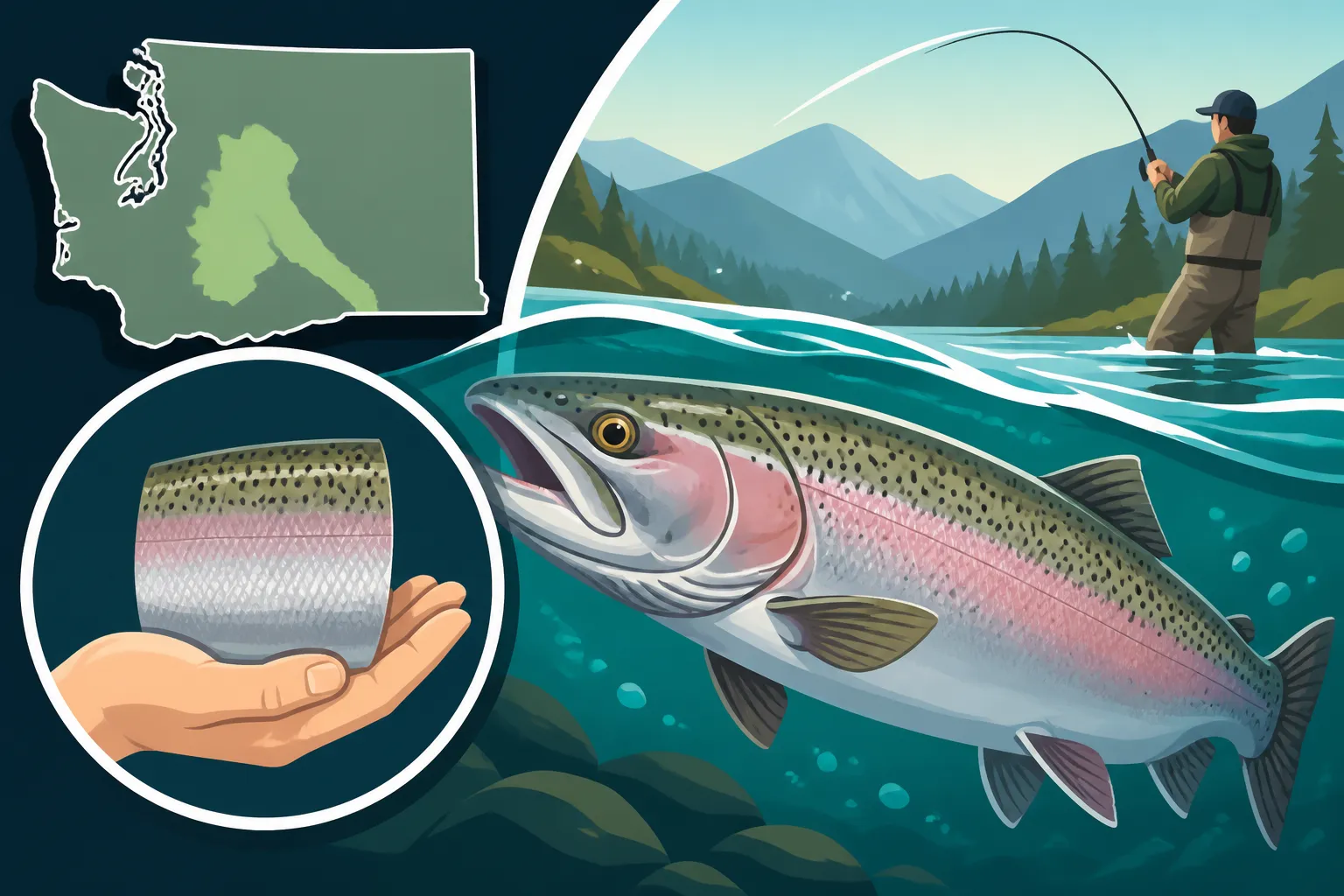
It’s crucial to understand the difference between smaller steelhead and resident rainbow trout. Steelhead are anadromous, meaning they migrate to the ocean, while resident rainbow trout complete their entire life cycle in freshwater Steelhead vs Rainbow Trout: What's the Difference?. A small steelhead might look very similar to a large rainbow trout. Often, steelhead, even young ones, will have a more silvery appearance when they first enter freshwater, reflecting their recent time in saltwater. Resident rainbows tend to have more pronounced colors and parr marks (vertical bars on their sides, often fading in larger fish). Knowing the specific regulations for the river you're fishing is paramount, as rules often differentiate between wild steelhead, hatchery steelhead Wild Steelhead vs Hatchery Steelhead in Washington, and rainbow trout, particularly regarding retention and size limits. Always refer to Reading the Washington Sport Fishing Regulations Pamphlet before heading out.
Fishing for Smaller Steelhead and Their Conservation
Whether you're targeting true half-pounders in their classic habitat or just enjoying the pursuit of any smaller, spirited steelhead in Washington, it's important to understand the angling techniques and conservation efforts that ensure their future.
Preferred Gear and Techniques
When pursuing these lively fish, finesse often trumps brute force. Lighter gear not only makes the fight more enjoyable but is also more appropriate for smaller fish and lighter presentations. A sensitive spinning rod with 4-6 lb test fluorocarbon or monofilament line, paired with small inline spinners, spoons, or even tiny jigs tipped with bait, can be incredibly effective. Fly anglers will love the action a 5 or 6-weight rod provides, casting small streamers, nymphs, or even dry flies in specific conditions. These smaller steelhead are often found in riffles, runs, and the heads of pools where they can ambush prey. Best Spoon Size for Washington Steelhead can make a difference, as can the careful selection of fly patterns, which you can easily research and purchase on Amazon.
Regulations and Conservation Efforts
Even though they might be smaller, these fish are still steelhead, and are often considered a critical part of the overall steelhead population dynamic. Therefore, they are subject to strict regulations aimed at protecting wild runs. Many Washington rivers have specific rules for steelhead, including catch-and-release only periods, bait restrictions, and barbless hook requirements, especially for wild fish. Always check the current Washington Fishing Regulations Every Angler Should Know for the specific river and section you plan to fish. The daily limit for steelhead can vary widely, and it's imperative to know if you can even keep a wild steelhead in your target area Daily Steelhead Limit in Washington. Catch-and-release best practices, such as minimizing handling, keeping the fish in the water, and using appropriate release tools, are crucial for ensuring these young fish survive to return to the ocean and contribute to future spawning runs.
The Future of These Unique Runs
The presence of half-pounders or similar early-returning steelhead is a sign of a healthy and diverse steelhead population. These fish represent a valuable genetic strategy for survival, allowing for multiple chances at spawning and contributing to the species' resilience. Conservation efforts, habitat restoration, and responsible angling practices all play a vital role in protecting these unique life histories. As climate patterns shift and ocean conditions change, understanding and conserving the full spectrum of steelhead life cycles, including these smaller, early-returning individuals, becomes even more important for the long-term health of Washington's fisheries.
Disclaimer
This article is for general informational purposes only and does not constitute professional advice. Laws, prices and regulations vary by location and change over time. Consult a qualified professional for guidance on your specific situation.