How to Identify a Blackmouth Chinook
It’s a common scenario for anglers in Washington: you're out on the water, you feel that powerful tug, and as you bring in your catch, you start to wonder, "Is this a migratory Chinook or one of those special Puget Sound Blackmouth?" Distinguishing between these prized salmon can be tricky, but knowing the tell-tale signs is crucial for proper identification, adherence to regulations, and truly appreciating the unique fish in our local waters. This guide will walk you through the distinct characteristics of a Blackmouth Chinook, helping you become a more informed and confident angler.
What Exactly Is a Blackmouth Chinook?
The term "Blackmouth" is one you'll hear often around Puget Sound, and it can sometimes lead to a bit of confusion. It's not a separate species of salmon, but rather a specific life history stage of the mighty Chinook salmon, particularly those that choose to spend their entire juvenile and feeding lives within the sheltered waters of Puget Sound, rather than migrating out to the vast Pacific Ocean. These are our local kings, and they have a distinct charm and challenge that draws many anglers.
The "Resident" King Salmon of Puget Sound
Imagine a Chinook salmon that decides the local neighborhood is just too good to leave. That's essentially a Blackmouth. While most Chinook salmon embark on epic migrations into the Pacific Ocean, traveling thousands of miles to feed and grow before returning to their natal rivers, a segment of the population, particularly those originating from Puget Sound river systems, opts for a more localized existence. These are often referred to as "resident" Chinook, and "Blackmouth" is the popular angler's term for them. They typically feed on baitfish like herring and candlefish within the protected marine areas of Puget Sound, growing strong and feisty without ever making that long ocean journey. Their presence provides incredible fishing opportunities right in our backyard.
Distinguishing Blackmouth from Migratory Chinook
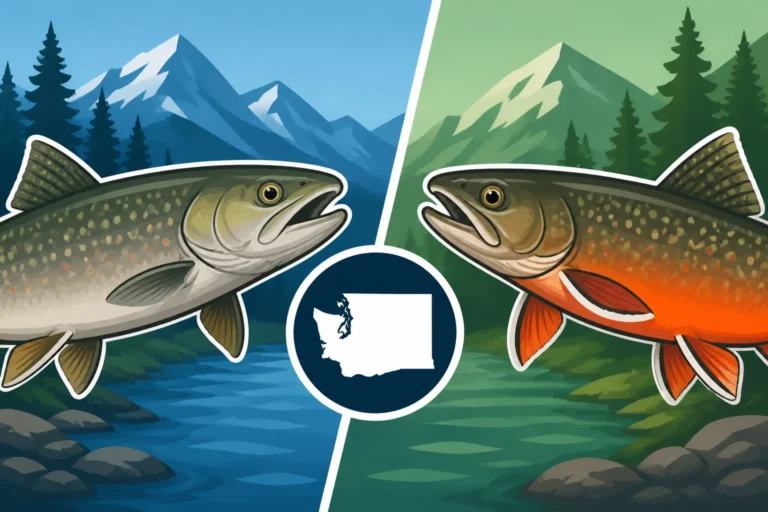
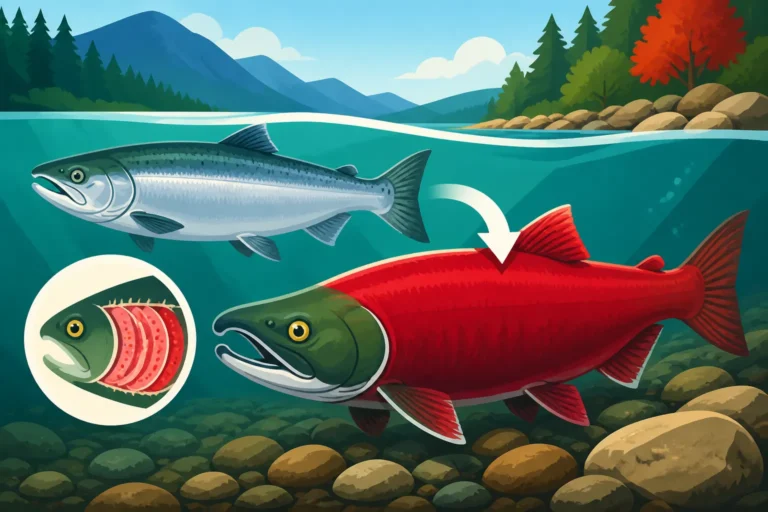
While genetically they are all Chinook, their life paths lead to some noticeable differences. Migratory Chinook, those that venture out into the ocean, are often much larger, having had access to the richer, more abundant food sources of the open sea. They also tend to have a brighter, more chrome-like appearance due to their time in the deeper, saltier waters. Blackmouth, on the other hand, while still growing to respectable sizes, are typically smaller on average than their ocean-roaming counterparts. They also tend to have a slightly darker, more mottled coloration, which we'll delve into in more detail shortly. Understanding these behavioral differences is key to appreciating why they look and act a bit differently. You might be interested in a broader overview of how to tell various salmon apart by checking out How to Tell a Chinook From a Coho.
Physical Characteristics: Your Visual Checklist
When you have a fish in hand, there are several key visual cues that will help you identify whether you're holding a Blackmouth Chinook or another type of salmon. Pay close attention to these details, as they are often the most definitive indicators.
Mouth and Gumline Clues
This is where the "Blackmouth" name truly comes from, and it's your number one identifier.
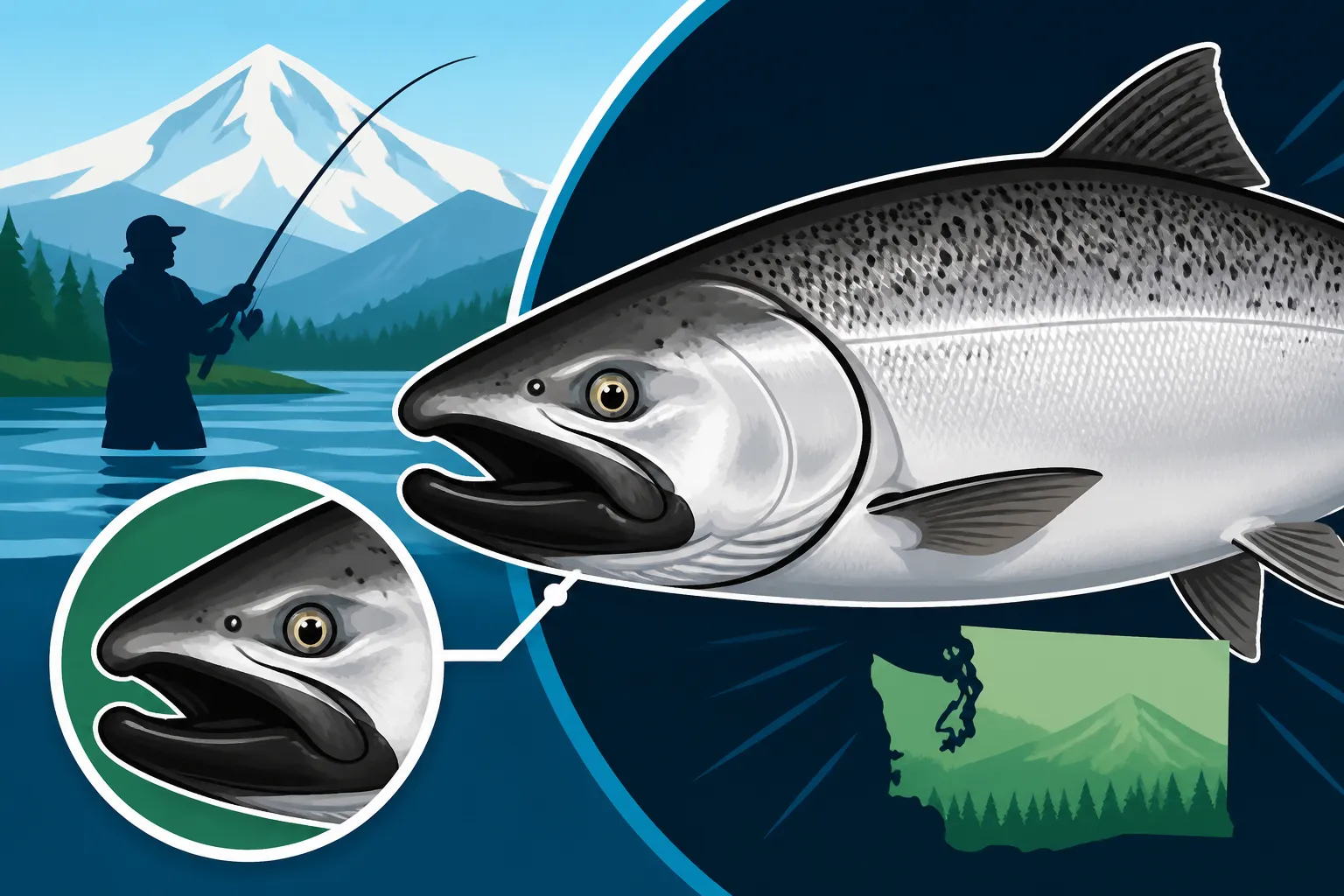
When you gently lift the gill plate and examine the inside of the fish's mouth, a true Blackmouth Chinook will have a distinctly black gumline, both on the upper and lower jaws. This is in contrast to some other salmon species, like Coho, which have a white gumline on the lower jaw, or Chum, which have no black spotting in the mouth.
Not only will the gumline be black, but you'll also notice a general dark or blackish coloration extending into the mouth and even along the tongue. This consistent dark pigmentation is what gives them their common name and is the most reliable feature to look for. It's a hallmark that sets them apart immediately from other salmon you might encounter in Washington waters. Getting a good look inside the mouth is paramount when trying to distinguish these fish.
Tail and Caudal Fin Details
While the mouth is critical, the tail can also offer valuable clues. Chinook salmon, including Blackmouth, generally have a broad, forked tail with heavy spotting on both lobes.
For Blackmouth specifically, these spots are often irregularly shaped and tend to be more pronounced on the upper lobe, but they will be present across the entire fin. The overall shape of the caudal fin (tail fin) is typically more squared or slightly concave compared to the deeply forked tails of some other species like Sockeye. This tail shape, combined with the presence and pattern of spots, helps solidify your identification. Always take a moment to observe the tail pattern alongside the mouth features.
Body Shape and Coloration
Blackmouth Chinook generally possess a robust, powerful body shape, indicative of a strong swimmer. They are deep-bodied and muscular, built for cruising the currents of Puget Sound.
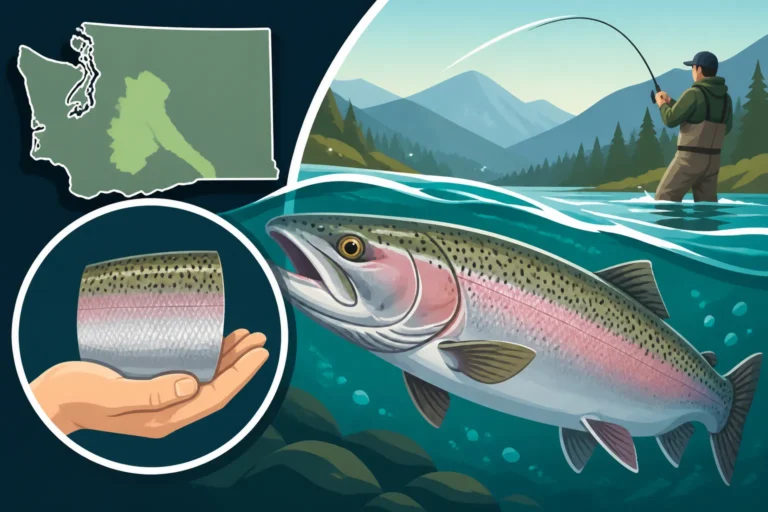
Their coloration can be a bit more variable than their ocean-migratory cousins. While a fresh ocean-run Chinook might be bright silver or "chrome," a Blackmouth often exhibits a slightly darker, steel-blue to greenish-black hue on its back, fading to silvery sides and a white belly. You might also notice a scattering of small, dark spots along the back and upper sides, though these are less prominent than the distinctive tail spots. Their overall appearance tends to be a bit less flashy than a "bright" ocean king, reflecting their more sedentary life within the sound. Learning to recognize these subtle differences in overall color and body shape will help you identify How to Identify a Washington Chinook Salmon more accurately.
Here's a quick comparison table to help you keep these distinctions straight:
| Feature | Blackmouth Chinook (Resident) | Migratory Chinook (Ocean-Run) | Other Salmon (e.g., Coho) |
|---|---|---|---|
| Gumline | Entirely black on both upper and lower jaws | Entirely black on both upper and lower jaws | White on lower jaw (Coho), no spots (Chum) |
| Mouth Color | Generally dark/black inside mouth and tongue | Generally dark/black inside mouth and tongue | White or grey |
| Tail Shape | Broad, slightly forked to almost square | Broad, slightly forked to almost square | Slightly forked to pointed (Coho), deeply forked (Sockeye) |
| Tail Spotting | Heavy, irregular spots on both lobes | Heavy, irregular spots on both lobes | Spots only on upper lobe (Coho), no spots (Chum, Sockeye) |
| Body Color | Steel-blue to greenish-black back, silvery sides, often slightly darker overall | Bright chrome silver, dark back, silvery sides | Blue-green back, bright silver sides (Coho) |
| Size | Typically smaller (5-20 lbs), though can be larger | Often larger (15-50+ lbs), can be immense | Generally smaller (Coho 7-15 lbs) |
| Habitat | Spends entire life within Puget Sound | Migrates to open ocean to feed, returns to rivers | Varies by species |
Behavior and Habitat: Where and When to Find Them
Understanding where and when to look for Blackmouth Chinook is just as important as knowing what they look like. Their resident nature means they stick to specific areas within Puget Sound, offering consistent opportunities for anglers throughout much of the year.
Preferred Habitats in Puget Sound
Blackmouth Chinook are creatures of structure and current. Within Puget Sound, you'll often find them congregating around rocky points, ledges, submerged reefs, and areas with strong tidal currents that bring baitfish to them. They tend to prefer depths where they can ambush prey, often hanging around transition zones where shallow waters drop off into deeper channels. Good places to search include the numerous marine areas of Puget Sound, particularly those with access to herring and candlefish populations. Areas like the eastern side of Whidbey Island, near Possession Bar, and various points around the San Juan Islands are classic Blackmouth haunts. When considering your next trip, research specific marine areas that are known for holding these resident fish. You might want to check out Puget Sound Salmon Closures: What Washington Anglers Need to Know to understand fishing regulations for these areas.
Seasonal Movements and Feeding Habits
Unlike their migratory counterparts who are often focused on their spawning runs, Blackmouth Chinook are generally in a constant feeding mode. This means they can be caught year-round, although certain seasons are historically more productive. Fall, winter, and early spring are prime times for Blackmouth in Puget Sound. During these cooler months, they tend to move into shallower waters to feed on baitfish, making them more accessible to anglers. As the water warms in late spring and summer, they often retreat to deeper, cooler waters, though they can still be caught. Their diet primarily consists of smaller baitfish like herring, sandlance (candlefish), and juvenile salmon. Understanding these feeding patterns and seasonal movements is critical to successful Trolling for Salmon in Washington's Puget Sound for these fish. Keep an eye on local fishing reports and talk to bait shop owners; they're often a wealth of up-to-date information on where the Blackmouth are biting.
Size and Growth Rates
While they are still powerful fish, Blackmouth Chinook typically do not reach the colossal sizes of ocean-migratory "King" salmon that have spent years in the nutrient-rich Pacific. Most Blackmouth caught in Puget Sound range from about 5 to 20 pounds, with fish over 20 pounds considered trophy-class. They grow steadily within their resident habitat, feeding consistently. A 10 to 15-pound Blackmouth is a fantastic catch and provides an exhilarating fight on appropriate tackle. Don't let the average size fool you; these fish are known for their strength and often put up a tenacious battle, making them a highly sought-after sportfish in Puget Sound. For more on their typical size, you can refer to How Big Washington Chinook Salmon Get.
Why Correct Identification Matters: Protecting the Resource
Beyond the satisfaction of knowing what you've caught, accurate identification of Blackmouth Chinook is critically important for conservation and adherence to Washington's fishing regulations. Mistaking one fish for another can lead to legal issues and, more importantly, can harm fragile fish populations.
Understanding Bag and Possession Limits
Washington State's fishing regulations are incredibly detailed and often differentiate between specific species and even different life stages within the same species. Bag limits for Chinook salmon can vary significantly depending on the marine area, the time of year, and whether the fish is considered a "hatchery" or "wild" Chinook. Sometimes, there are specific rules for "Blackmouth" or "resident Chinook" in certain areas to protect local stocks. For example, a legal Blackmouth might be identified by its size and, crucially, the absence of an adipose fin clip (indicating it's a wild fish) which might require immediate release in some areas. Always, and I mean always, consult the most current Washington Sport Fishing Regulations pamphlet or the WDFW website before heading out. Reading the Washington Sport Fishing Regulations Pamphlet is a non-negotiable step for any responsible angler. Misidentifying your catch could mean unknowingly exceeding a limit or keeping a fish that should have been released, both of which carry consequences. You can often find compact, waterproof copies of the regulations at local tackle shops or even order them online from places like Amazon to keep on your boat.
Avoiding Misidentification and Potential Violations
The state has very specific rules designed to protect wild, naturally spawning salmon populations, which are often at lower numbers than hatchery-raised fish. Hatchery Chinook, which are often adipose fin-clipped (meaning a small, fleshy fin on their back was removed as a juvenile), are generally allowed to be kept, while unclipped wild Chinook often must be released. However, regulations can be complex, especially with resident Blackmouth. Some areas might allow retention of a certain size of unclipped Blackmouth, while others might not. If you fail to correctly identify a Blackmouth or mistake a wild migratory Chinook for a hatchery Blackmouth (or vice-versa), you could face significant penalties. This could range from fines to the loss of fishing privileges. Knowing the distinct visual cues of a Blackmouth, combined with checking for an adipose fin clip, is your best defense against accidental violations. It's a skill that takes practice, but it's essential for ethical angling. Understanding How Bag and Possession Limits Work in Washington is key to staying legal.
Conservation and Responsible Angling
Ultimately, learning to identify a Blackmouth Chinook correctly is about being a responsible steward of Washington's incredible natural resources. These fish are a vital part of the Puget Sound ecosystem, and their continued health depends on careful management and respectful angling practices. By knowing what you've caught, you contribute to better data collection (if catch reporting is required) and ensure that precious wild stocks are protected. If you catch a fish that needs to be released, handle it with extreme care to maximize its chances of survival. Good release practices, like keeping the fish in the water as much as possible, using barbless hooks, and minimizing handling time, are paramount. Whether you're targeting them for the dinner table or for the thrill of the fight, knowing your Blackmouth is a mark of a truly dedicated and responsible Washington angler. Always check the current Washington Fishing Regulations Every Angler Should Know before each trip.
Disclaimer
This article is for general informational purposes only and does not constitute professional advice. Laws, prices and regulations vary by location and change over time. Consult a qualified professional for guidance on your specific situation.