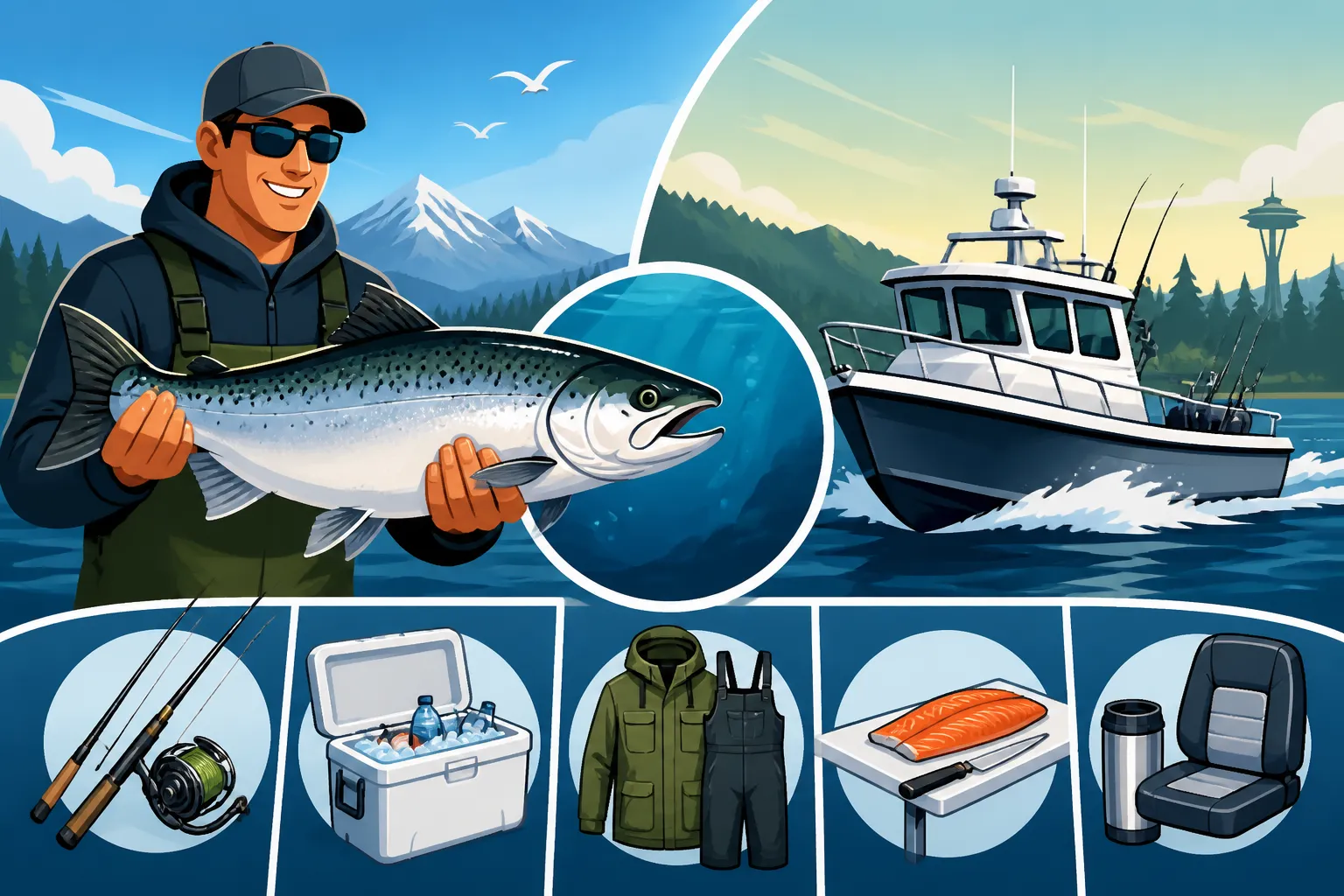
What’s Included in a Washington Puget Sound Salmon Charter
Deciding to book a salmon charter in Washington's iconic Puget Sound is a fantastic way to experience some incredible fishing, but for many folks, the process of figuring out what exactly you're paying for can feel a bit murky. It's totally understandable to wonder if your hard-earned money covers everything, or if you'll be hit with unexpected costs once you're out on the water. This guide is here to clear up that confusion, detailing precisely what's typically included in a Washington Puget Sound salmon charter, and just as importantly, what you'll usually need to bring or budget for separately.
Understanding Your Charter Fee's Core Inclusions
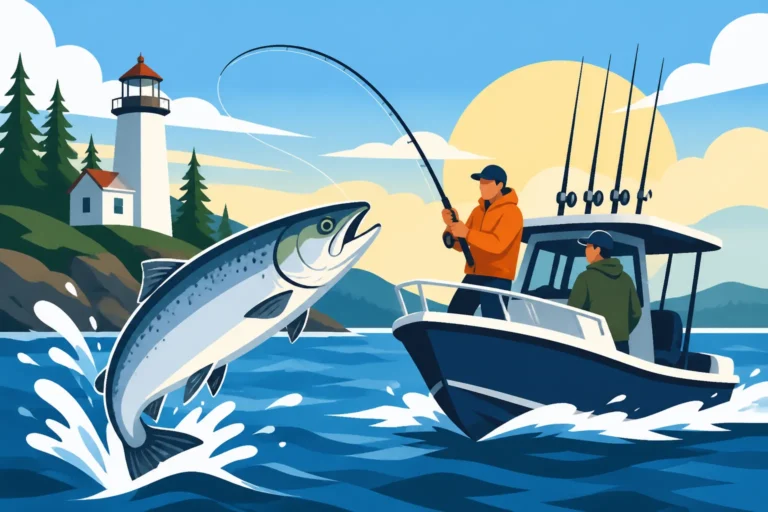
When you book a Puget Sound salmon charter, you're essentially securing an experience that bundles the expertise of a seasoned captain with the necessary equipment and operations to get you fishing safely and effectively. It’s more than just a boat ride; it’s a guided adventure designed to put you on fish.
The Boat and Experienced Crew
First and foremost, your charter fee covers the use of the fishing vessel itself. These aren't just any boats; they're typically well-maintained, comfortable, and equipped with the specialized gear needed for salmon fishing in Puget Sound's diverse waters. You'll be on a boat designed for navigating the currents, chop, and depths of areas like Possession Bar, Saratoga Passage, or the waters near the San Juan Islands.
More importantly, you're paying for the invaluable knowledge and experience of the captain and, often, a deckhand. These professionals spend countless hours on the water, tracking salmon movements, understanding tides, and knowing exactly where the fish are likely to be biting. They handle all the navigation, operate the boat, and ensure everyone's safety. This isn't just about driving; it's about interpreting sonar, understanding bait ball movements, and making split-second decisions that can turn a slow day into a memorable one. Their expertise is truly the cornerstone of a successful charter trip, saving you years of trial and error.
Fuel, Safety Equipment, and Insurance
It might seem obvious, but a significant portion of your charter fee goes towards the operational costs of running the boat, with fuel being a major factor. Depending on where the fish are, a charter might cover quite a few miles across Puget Sound, from the shipping lanes to more remote bays and islands. The cost of fuel, especially for larger, powerful fishing vessels, is substantial and is always factored into the price you pay.
Beyond getting you to the fishing grounds, safety is paramount on any reputable charter. Your fee covers all the required safety equipment on board, which includes coast guard-approved life jackets for every passenger, flares, first-aid kits, communication devices, and other emergency gear. Captains are legally mandated to have these items, and their proper maintenance and readiness are part of the service you receive. You're also covered by the charter's commercial insurance, providing peace of mind in case of unforeseen incidents. This comprehensive approach to safety means you can focus on the thrill of the catch rather than worrying about the unexpected.
Essential Gear and Tackle Provided Onboard
One of the biggest advantages of booking a Puget Sound salmon charter, especially for beginners or those visiting from out of state, is that you don't need to bring your own specialized fishing equipment. The charter typically supplies everything you'll need to actually hook a salmon.
Rods, Reels, and Terminal Tackle
Imagine showing up to fish in Puget Sound without a suitable rod and reel – it’s a non-starter! Fortunately, your charter will provide high-quality rods and reels specifically chosen for salmon fishing. These aren't just any setups; they're often matched perfectly for trolling, mooching, or jigging for Chinook (King) and Coho (Silver) salmon in these waters. You'll likely use gear that can handle the powerful runs of a 20-pound King or the acrobatic leaps of a feisty Coho.
Along with the rods and reels, all the necessary terminal tackle is included. This means leaders, swivels, weights, and, crucially, hooks. You won't have to worry about tying complex knots or wondering if you have the right strength line; the crew will handle it all. If a line breaks or a hook gets snagged, they'll quickly re-rig your setup so you can get back to fishing with minimal downtime, which is a huge bonus when every minute on the water counts.
Bait and Lures
Salmon, particularly in Puget Sound, can be quite particular about what they'll strike. A good charter knows this and stocks a variety of proven baits and lures to entice them. Often, this includes fresh or brined herring, which is a perennial favorite for trolling or mooching for Chinook. You might also see anchovies or other baitfish used. The quality and freshness of the bait can make a real difference, and charter operators invest in securing the best.
In addition to natural bait, charters will have an array of artificial lures, such as spoons, hootchies, and flashers. These items come in countless colors and designs, and the captain knows which ones are currently performing best in specific areas or conditions. For example, during certain times of the year, bright green hootchies might be the hot ticket for Coho, while a chrome spoon could be irresistible to a feeding Chinook. Trolling Herring for Puget Sound Chinook in Washington describes a common and effective technique used with provided bait. The crew will select and rig these lures expertly, saving you the expense and guesswork of buying a tackle box full of options you might only use once.
Specialized Equipment like Downriggers
Trolling for salmon in Puget Sound often requires getting your bait or lure down to specific depths where the fish are holding, sometimes 50, 100, or even 200 feet deep. This is where specialized equipment like downriggers comes in. Your charter will have a full setup of high-quality downriggers, allowing multiple lines to be fished at precise depths simultaneously.
The crew will manage the downriggers, deploying your lines, monitoring the depth, and resetting them after a fish strikes. This equipment can be expensive to own and complicated to operate if you're not familiar with it, making its inclusion in the charter fee a significant value. These devices are essential for effective salmon trolling and are just one more example of how a charter provides the necessary tools for success that most anglers wouldn't have readily available.
Licensing and Catch Record Keeping: Your Responsibilities and the Charter's Role
While the charter provides much of the physical fishing infrastructure, there are crucial legal requirements that remain your personal responsibility. Understanding these beforehand prevents any last-minute scramble or, worse, potential fines.
Your Personal Fishing License
This is perhaps the most critical item you, as the angler, are solely responsible for. Every single person on the boat who plans to fish, regardless of age, must have a valid Washington fishing license. This isn't something the charter provides; it's a personal permit issued by the state. You'll need to decide between a freshwater, saltwater, or combination license, depending on where your trip might take you, though a Puget Sound salmon trip will definitely require a saltwater endorsement or a combination license.
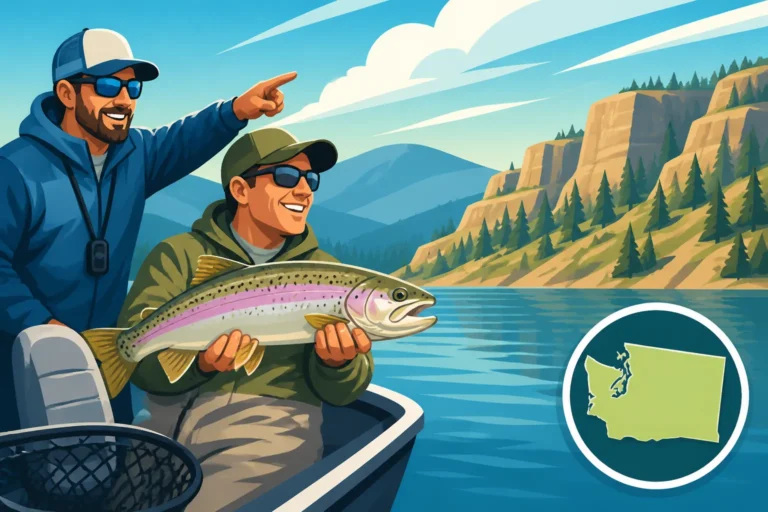
Many charter companies will remind you of this requirement when you book, but it's ultimately up to you to purchase it in advance. You can typically buy these online through the Washington Department of Fish and Wildlife (WDFW) website, or at licensed vendors like sporting goods stores. Make sure your license is valid for the specific dates of your trip. Don't forget, if you're visiting from out of state, you'll need a nonresident license. Washington Fishing License Guide for Nonresidents provides excellent information on this. Showing up without one means you simply cannot fish, and that's a disappointment no one wants on their fishing day.
Catch Record Cards (CRCs)
In Washington, when you target certain species like salmon, steelhead, and halibut, you're required to possess a Catch Record Card (CRC). This card is a vital tool for WDFW to monitor harvest rates and manage fish populations. Just like your fishing license, the CRC is your personal responsibility. You'll typically receive one when you purchase an annual license, or sometimes when you buy a short-term license that includes salmon.
The important thing to remember is that it's your job to accurately and immediately record any salmon you retain on your CRC. The charter captain and crew will certainly remind you and can guide you on how to fill it out correctly, but the act of recording and the accuracy of the information fall on you. Failure to properly record your catch can lead to citations, even if you had a valid license and the fish was legal to keep. It's a key part of responsible angling in Washington. The Washington Catch Record Card and What It Requires delves deeper into these requirements.
Catch Care and Processing: From Water to Cooler
So, you've landed that beautiful Puget Sound Chinook – now what? A good charter provides a clear plan for handling your catch, ensuring it stays fresh and ready for your dinner table.
Onboard Cleaning and Storage
Once a salmon is brought aboard and deemed a legal keeper, the crew typically takes over. They are usually very efficient at bleeding and gutting the fish, which is a crucial step in preserving the quality of the meat. Bleeding immediately helps remove lactic acid from the flesh, resulting in a cleaner taste and better texture. Gutting also helps cool the fish down quickly.
After cleaning, your fish will be stored properly on ice in coolers on the boat. This immediate care ensures that your salmon remains in prime condition throughout the rest of your trip. You won't have to worry about your prize catch spoiling in the sun; the charter is equipped to keep it cold and fresh until you're back on shore. This meticulous handling is a hallmark of professional charter operations and a significant benefit to you as the angler.
Filleting and Packaging on Shore
Once you're back at the dock, many charters offer the service of filleting your catch for you. This is a huge convenience, as filleting a large salmon requires skill and the right tools. The crew will expertly clean, debone, and skin your fish, turning it into beautiful, ready-to-cook fillets. This service is often included in the charter price, but it's always a good idea to confirm this when booking, as some operations might charge a small additional fee or only offer basic gutting.
After filleting, the fish will usually be placed into bags, ready for you to take home. While the charter ensures the fish is in an easily transportable state, the responsibility for long-term storage, such as vacuum-sealing or freezing, typically shifts to you once you leave the dock. Knowing your fish will be professionally prepared takes a lot of the post-fishing work off your plate, letting you enjoy the experience from start to finish.
What's Not Typically Included (and why it matters)
While charters are quite comprehensive, there are a few key things that are almost universally not included. Being aware of these upfront will save you from any surprises and ensure a smooth, enjoyable trip.
Your Fishing License and Endorsements
As mentioned, your personal fishing license is always your responsibility. Don't fall into the trap of thinking the charter will magically cover this. It's a state requirement, tied to you as an individual. This includes any necessary endorsements, like the Columbia River Salmon and Steelhead endorsement if you were fishing that specific waterway (though not typically needed for most Puget Sound salmon charters, unless you cross into specific management areas).
It’s paramount to purchase your license well in advance of your trip. Imagine driving for hours, arriving at the dock in the early morning, only to realize you can't fish because you don't have a license. It's a common oversight that leads to immense disappointment. Be proactive and secure your license a few days or even weeks before your scheduled charter, confirming it's valid for saltwater salmon fishing in Washington. Check the WDFW website for the most up-to-date requirements and purchase options.
Food, Drinks, and Personal Items
While the charter provides the fishing essentials, you are generally responsible for your own creature comforts. This means bringing your own food, snacks, and drinks for the day. A typical salmon charter can last anywhere from 5 to 8 hours, and you'll definitely get hungry and thirsty out on the water. Pack enough sustenance to keep your energy up!
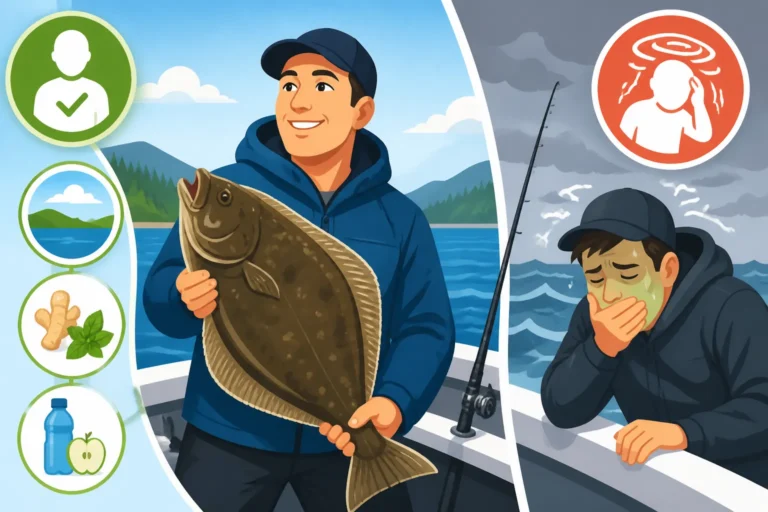
Beyond food, think about personal comfort and protection from the elements. This includes appropriate clothing layers, as Puget Sound weather can change quickly. Rain gear, sunglasses, sunscreen, and a hat are highly recommended, even on what looks like a sunny day. A small bag for your personal items is usually fine, but confirm space availability with your captain if you have larger items. Consider seasickness medication if you're prone to it, and take it before you board. What to Bring on a Washington Fishing Charter provides an excellent checklist to help you prepare.
Gratuities for the Crew
Tipping is customary in the charter fishing industry, much like in restaurants or other service-based businesses. The captain and deckhand work incredibly hard to ensure you have a safe, successful, and enjoyable trip. This includes preparing the boat, rigging lines, baiting hooks, netting fish, cleaning your catch, and generally providing top-notch service.
A common guideline for gratuities is 15-20% of the total charter fee. This should be given directly to the captain or deckhand at the end of the trip. If you had an exceptional experience, feel free to tip more. It's a way to acknowledge their effort and skill, and it's a significant part of their income. Always factor this into your budget when planning a charter trip. Tipping Etiquette for Washington Fishing Guides offers more insight into this important practice.
Making the Most of Your Puget Sound Salmon Charter
Booking a charter is an investment in a memorable experience. A little preparation and clear communication can enhance your trip exponentially.
Pre-Trip Communication is Key
Don't be shy about asking questions when you're booking your charter or in the days leading up to your trip. This is your chance to clarify any uncertainties about what's included or expected. Good questions might include:
- "What type of salmon are we typically targeting this time of year?"
- "What should I wear for the weather forecast?"
- "Is filleting included, or is there an extra charge?"
- "Where exactly do we meet, and what time?"
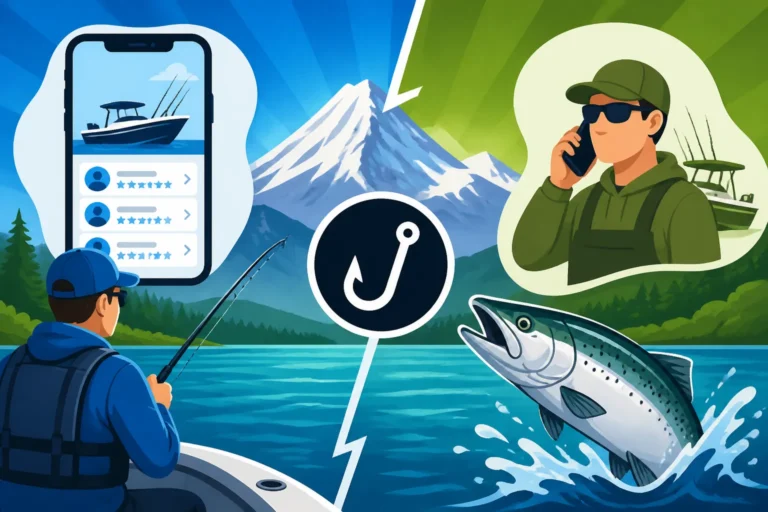
Platforms like FishingBooker often provide detailed descriptions of what's included in each charter listing, but a quick call or email to the captain can provide personalized insights and alleviate any lingering doubts. Clear communication ensures everyone is on the same page and helps the captain tailor the trip as much as possible to your group's experience level and expectations.
Understanding the Day's Plan
On the morning of your trip, listen carefully to the captain's briefing. They'll likely explain the plan for the day – where they intend to fish, what techniques they'll be using, and what the current fishing conditions are like. This isn't just idle chatter; it's vital information that helps you understand the rhythm of the day and how you can best participate.
Fishing in Puget Sound can be dynamic. Washington's Puget Sound Fishing Spots for Salmon and Bottomfish highlights how diverse these waters can be. The captain might adjust plans based on current reports, tide changes, or even unexpected fish movements. Be flexible and trust their judgment. They are doing everything they can to put you on fish and ensure a great time. Knowing what to expect and being prepared for changes will make for a more relaxed and enjoyable outing.
Summary of Inclusions and Exclusions
To make things even clearer, here's a quick table summarizing what you can generally expect to be included and excluded from your Washington Puget Sound salmon charter fee.
| Typically Included | Typically Not Included |
|---|---|
| Guided fishing experience with experienced captain | Your personal Washington fishing license and endorsements |
| Use of the fishing vessel (boat) | Food, snacks, and beverages |
| Fuel and operational costs of the boat | Gratuities for the captain and crew (15-20% customary) |
| All necessary safety equipment (life jackets, flares) | Foul weather gear (rain suits, waterproof boots) |
| Quality rods, reels, and terminal tackle | Motion sickness medication |
| Fresh bait and a selection of effective lures | Sunscreen, hat, sunglasses |
| Downriggers and other specialized fishing gear | Special personal snacks or dietary items |
| Onboard fish cleaning (bleeding, gutting, icing) | Extended fish processing (e.g., vacuum sealing) |
| Basic filleting of your catch on shore |
This table serves as a general guide, but remember that specific inclusions can vary slightly from charter to charter. Always review the details provided by your chosen charter operator or on booking platforms like FishingBooker before you finalize your trip.
Final Thoughts on Booking Your Adventure
Booking a Puget Sound salmon charter is an exciting way to target one of Washington's most prized fish species. Whether it's the thrilling fight of a Chinook Salmon: Washington's King of Fish or the acrobatic leaps of a Coho, the experience is truly unforgettable. By understanding what your charter fee covers and what you're responsible for, you can approach your trip with confidence and focus entirely on the joy of fishing.
Remember to get your license, pack smart, and communicate with your captain. The waters of Puget Sound are stunning, and with a knowledgeable guide, you're set for an incredible day on the water, chasing those chrome beauties.
Disclaimer
This article is for general informational purposes only and does not constitute professional advice. Laws, prices and regulations vary by location and change over time. Consult a qualified professional for guidance on your specific situation.