Carrying Your Washington Fishing License: Paper, Phone or the MyWDFW App
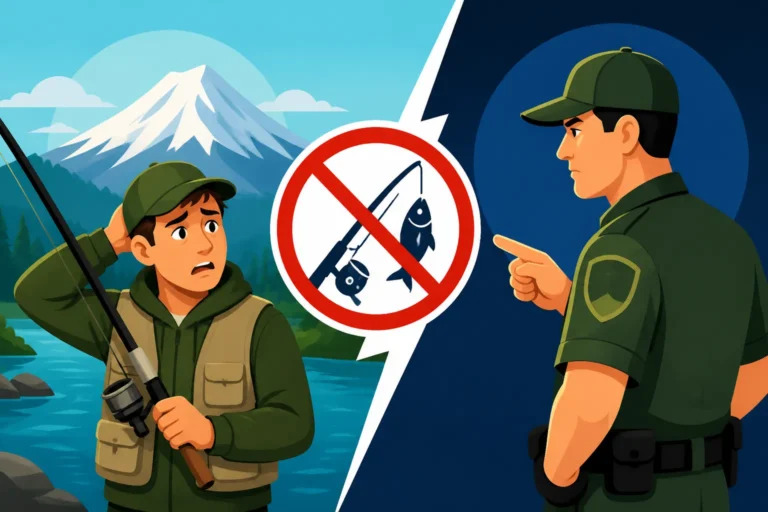
We've all been there: standing on the riverbank or the boat ramp, excited for a day of fishing, when that little voice in your head asks, "Did I remember my license?" In Washington, simply having purchased a license isn't enough; you need to carry it in a legally acceptable way. This guide will walk you through all the valid options for carrying your Washington fishing license, from the tried-and-true paper copy to modern digital solutions, ensuring you're always ready for inspection and focused on the fish.
The Evolution of Fishing Licenses in Washington
Fishing in Washington has always required a license, but how we carry and display that proof has certainly changed with the times. Gone are the days when a crumpled paper license tucked into a wallet was your only option. Today, technology offers convenient alternatives, but it’s crucial to understand what’s truly legal and what might land you in a sticky situation with a WDFW enforcement officer. The state has worked hard to blend tradition with innovation, aiming to make it easier for anglers while maintaining regulatory integrity.
The Traditional Paper License: Still Valid, Still Reliable
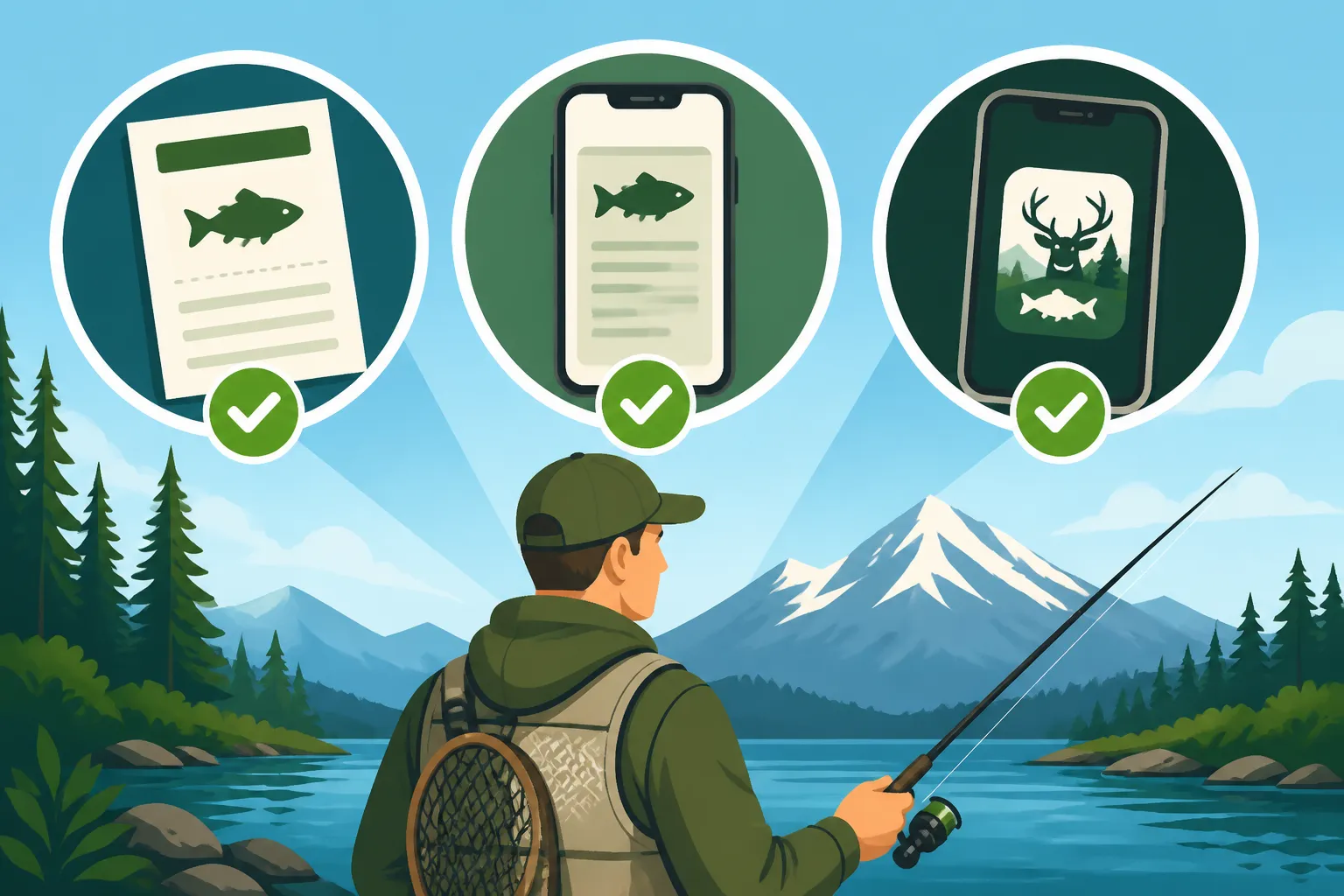
For many seasoned anglers, the paper license is the gold standard. It’s what we grew up with, and there’s a certain comfort in having a physical document in your possession. When you purchase your Washington fishing license online or from a local vendor, you'll typically receive a printed copy. This physical license clearly displays your name, license type, unique license ID, and the valid dates. There’s no need to worry about battery life, signal strength, or accidental screen cracks when you have a paper copy readily available. It’s a tangible piece of proof that wardens understand immediately. However, paper has its drawbacks, particularly in Washington’s often wet and wild environments. That pristine sheet of paper can quickly become a soggy mess if not properly protected. Many anglers swear by laminating their paper licenses or keeping them in a waterproof pouch, easily found on sites like Amazon, to ensure they remain legible throughout the season.
The Digital Revolution: Your License on Your Phone
The advent of smartphones has transformed many aspects of our lives, and fishing is no exception. Washington State now allows anglers to carry their fishing license digitally on their mobile device. This means you can display a clear, readable image of your license on your phone or tablet when asked by a WDFW officer. The convenience here is undeniable. Most of us carry our phones everywhere, so having your license stored there eliminates one more item to remember. Imagine arriving at your favorite fishing hole on the Skagit River and realizing you left your wallet at home, but your phone is right in your pocket. As long as your digital license is easily accessible and clearly visible, you're usually good to go. However, this convenience comes with conditions. The image must be clear, complete, and displayed on a functioning device. A cracked screen, a dead battery, or a blurry screenshot simply won't cut it. This option is a fantastic step forward, but it places some responsibility on the angler to ensure their device is always ready. You'll want to make sure your screen is clean and your battery is charged, especially on those long days out.
The MyWDFW App: A Modern Angler's Best Friend
Taking the digital option a step further, the Washington Department of Fish and Wildlife (WDFW) developed the MyWDFW app, an integrated solution for managing your fishing experience. This app is more than just a place to store your license; it's designed to be a comprehensive tool for anglers. Through the MyWDFW app, you can easily access and display your current fishing licenses, endorsements, and even your catch record cards. It centralizes all your necessary documents in one user-friendly interface. Think of it as your portable WDFW office. The app is generally reliable, and because it’s an official WDFW product, wardens are very familiar with its display format. It also offers other useful features, like quick access to regulations and reporting capabilities. For those who embrace technology, this app streamlines the process of compliance and makes managing your fishing documentation much simpler. Having an app like this means that if you're ever questioned about your license or even need to reference certain Washington Fishing Regulations Every Angler Should Know, the information is literally at your fingertips.
Understanding Legal Requirements for Carrying Your License
It's one thing to know what options exist for carrying your license, but it's another to understand the precise legal requirements. The nuances can be tricky, and misinterpretations can lead to citations. Washington law is quite clear, but it often uses terms that might not mean what you think they do in a casual context. Understanding these specific legal expectations is paramount to a smooth fishing experience and avoiding unnecessary interactions with law enforcement.
"Immediately Available for Inspection": What That Means in Practice
The phrase "immediately available for inspection" is key in Washington fishing regulations. It doesn't just mean your license is somewhere in your boat or tackle box; it means you can produce it quickly and easily for a WDFW officer upon request. If you're asked for your license, you shouldn't have to rummage through a cluttered backpack for five minutes or spend time trying to find an old screenshot on your phone. For a paper license, this means it should be in an accessible pocket, a clear-view lanyard, or a designated compartment in your fishing vest. For a digital license, your phone should be charged, unlocked, and the license image or app display ready to show. Imagine a scenario where a warden pulls up to your boat on the Columbia River. They expect you to present your license without significant delay. This isn't about being difficult; it's about efficient enforcement and ensuring everyone on the water is compliant. Being prepared means your license is essentially at arm's reach.
Why Proof of Identity Matters
Your fishing license is tied directly to you, the individual angler. Therefore, alongside your license, WDFW officers have the right to request proof of identity. This is particularly important for verifying residency status, especially if you hold a resident license rather than a Washington Fishing License Guide for Nonresidents or have taken advantage of specific discounts. A valid state-issued ID, like a driver's license, is the most common and accepted form of identification. If you're a non-resident, your home state ID will suffice. The officer needs to confirm that the name on the license matches the person presenting it. This prevents people from sharing licenses, which is a serious violation. So, when you're preparing for your trip, remember that it's not just your fishing license you need; your personal identification is equally important to validate your claim to that license. This also reinforces the importance of knowing ID You Need to Buy a Washington Resident License.
Special Considerations for Catch Record Cards
While your general fishing license is crucial, many fisheries in Washington, especially those targeting salmon, steelhead, sturgeon, or halibut, also require a separate document: the Catch Record Card. This isn't just an optional piece of paper; it's a critical tool for fishery management. Just like your main fishing license, your catch record card must be immediately available for inspection. Moreover, it requires you to immediately record your catch as soon as you retain a salmon, steelhead, or other species designated on the card. Forgetting to carry your catch card, or failing to record a fish before moving locations or returning to the dock, can lead to serious fines. The good news is that the MyWDFW app often allows for Electronic Catch Record Cards and the Fish Washington App, providing another digital solution. However, always double-check if a paper catch card is specifically required for certain fisheries or if the digital version is accepted in all areas you plan to fish. You can find out more by understanding The Washington Catch Record Card and What It Requires.
Pros and Cons of Each Method
Deciding how to carry your fishing license in Washington really boils down to personal preference and what makes the most sense for your fishing style and the conditions you often face. Each method has its distinct advantages and disadvantages, and being aware of these can help you choose the best approach or even encourage a hybrid strategy. There’s no single right answer for everyone, as a seasoned Puget Sound salmon angler might have different needs than someone fly-fishing a mountain lake in Eastern Washington.
Advantages and Disadvantages of Paper Licenses
The traditional paper license offers a straightforward, no-frills approach that many anglers appreciate.
Advantages:
- Universal Acceptance: Every WDFW officer understands and accepts a paper license without question. There are no technical glitches, dead batteries, or reception issues to worry about.
- Durability (if protected): When properly laminated or placed in a sturdy waterproof holder, a paper license can withstand the elements and rough handling better than a delicate smartphone. Many anglers purchase these waterproof cases from retailers like Amazon.
- No Dependency on Technology: You don't need a charged phone, a signal, or a working app. It's a completely independent form of proof. This is a huge plus if you're fishing in remote areas with no cell service.
- Easy to Reference: For older anglers or those who prefer physical documents, reading dates and details on a paper license can be easier than squinting at a small screen in bright sunlight.
Disadvantages:
- Vulnerability to Damage: Without protection, paper can easily get wet, torn, or smudged, rendering it illegible. A license that can't be read is effectively no license at all.
- Can Be Misplaced: It's another small piece of paper to keep track of, and it can easily slip out of a pocket or get lost if not securely stored.
- Renewal Process: While buying is easy, tracking the Washington Annual Fishing License Validity Period for paper licenses means you have to remember to print a new one each year.
The Convenience and Pitfalls of Digital Licenses
Carrying your license as a clear image on your phone offers unparalleled convenience for the modern angler.
Advantages:
- Always on Hand: Most people carry their smartphone everywhere, making it highly unlikely you'll forget your license if it's stored digitally.
- Environmentally Friendly: Reduces paper waste, appealing to eco-conscious anglers.
- Quick Access: A well-organized phone can display your license with just a few taps.
- Legal Acceptance: Washington law explicitly states that displaying a digital image on your phone is legal, answering the common question, "Can You Show Your License on Your Phone in Washington?"
Disadvantages:
- Battery Dependency: A dead phone battery means no license to show. This is a significant risk on long days, cold weather, or multi-day trips where charging might be an issue.
- Screen Damage: A cracked screen can make your license unreadable, and phone screens are notoriously fragile.
- Legibility Issues: Glare, bright sunlight, or a small screen size can make it difficult for an officer to clearly read all the details.
- No Signal in Remote Areas: While your license is stored locally, sometimes accessing a specific email or cloud service to retrieve it might require a signal, which isn't always available in prime fishing spots.
Weighing the Benefits of the MyWDFW App
The official MyWDFW app takes the digital license concept and integrates it further into the WDFW ecosystem.
Advantages:
- Official and Reliable: Developed by WDFW, the app is specifically designed for displaying licenses and is recognized by enforcement officers. You can learn more about What the MyWDFW App Is Used For to maximize its utility.
- Integrated Features: Beyond licenses, the app can host catch record cards, provide access to regulations, and sometimes even facilitate catch reporting. It's a one-stop shop for many regulatory needs.
- Auto-Updates (Sometimes): When you renew your license, the app usually updates automatically, saving you the hassle of printing a new one or saving a new image.
- Streamlined Verification: Because it's an official app, the information is typically presented in a consistent, easy-to-verify format for wardens.
Disadvantages:
- App Glitches/Updates: Like any software, the app can experience bugs, require updates, or have compatibility issues that might prevent you from accessing your license at a critical moment.
- Requires Installation and Storage: You need to download and install the app, which takes up space on your phone and requires an internet connection for initial setup and updates.
- Learning Curve: Some users might find navigating a new app more cumbersome than simply showing a photo or a piece of paper.
- Still Relies on Phone Functionality: All the disadvantages of a general digital license (battery, screen damage) still apply to the app.
Here's a quick comparison table to help you visualize the choices:
| Feature | Paper License | Phone Image (Screenshot/Photo) | MyWDFW App |
|---|---|---|---|
| Legal Status | Fully Legal & Accepted | Fully Legal & Accepted (must be clear & readable) | Fully Legal & Accepted (preferred digital method) |
| Durability | High (if protected/laminated) | Low (phone screen vulnerability) | Low (phone screen vulnerability) |
| Battery Life | Not Applicable | Critical | Critical |
| Accessibility | Immediate (if stored well) | Quick (if phone is charged & unlocked) | Quick (if app is launched & phone is charged) |
| Reliability | High (physical document) | Medium (prone to phone issues) | Medium-High (app/phone issues possible) |
| Catch Card | Separate Paper Card or Digital (if allowed) | N/A (requires separate document/app) | Integrated (for most species/cards) |
| Convenience | Medium (needs careful storage) | High (always with phone) | High (integrated features) |
| Cost | Minimal (for printing/laminating supplies) | None (assuming you have a phone) | None (free app, assuming you have a phone) |
Practical Tips for Ensuring Compliance
It’s one thing to know the rules and your options, but putting that knowledge into practice is where the real work happens. Nobody wants their peaceful day of fishing interrupted by a citation, especially for something as easily preventable as a license issue. By taking a few proactive steps, you can ensure you’re always compliant and ready for any interaction with WDFW enforcement, leaving you free to focus on landing that trophy fish.
Safeguarding Your Digital License Against Tech Issues
Choosing to carry your license digitally is a smart move for many, but it requires a bit of foresight. Don't let technology let you down at the worst possible moment.
- Charge Your Phone: This might seem obvious, but it’s the number one reason digital licenses fail. Always start your fishing day with a fully charged phone. For longer trips or multi-day excursions, invest in a portable power bank, easily available from any electronics retailer or Amazon. Having a backup charging solution can save your day.
- Take a Screenshot (or multiple): Even if you use the MyWDFW app, having a separate screenshot of your license stored in your photo gallery is a wise backup. If the app decides to act up due to an update or a bug, you still have an easily accessible image.
- Protect Your Device: Washington weather can be unpredictable. Rain, splashes, or accidental drops are common. Use a waterproof and rugged phone case to protect your device, ensuring its screen remains intact and visible. There are many options out there designed for outdoor enthusiasts.
- Know Your Phone: Make sure you know exactly where your license screenshot is, or how to quickly navigate to it in the MyWDFW app. Fumbling through dozens of photos or apps under pressure isn’t "immediately available."
Protecting Your Paper License from the Elements
If you prefer the tangible security of a paper license, it needs adequate protection to remain legible and valid. Washington’s damp climate is not kind to paper.
- Laminate It: This is perhaps the best protection for a paper license. A laminated license is waterproof, tear-resistant, and much more durable. You can usually get this done cheaply at office supply stores, or buy a personal laminator for home use if you often need to protect documents.
- Waterproof Pouch/Holder: If laminating isn't an option, a small, clear, waterproof pouch or a hard plastic holder works wonders. These are inexpensive and can be found in fishing tackle shops or online. Make sure it has a secure seal to prevent water intrusion.
- Designated Spot: Keep your protected paper license in a consistent, easily accessible spot. A zippered pocket in your fishing vest, a tackle box compartment, or a dedicated slot in your wallet are all good choices. Avoid tossing it loosely into a bag where it can get crumpled or lost.
- Consider a Lanyard: For ultimate accessibility, a waterproof ID holder on a lanyard can be worn around your neck, ensuring your license is always visible and literally "immediately available."
Best Practices for Dual Carry (Paper and Digital)
For the ultimate peace of mind, many experienced anglers adopt a dual-carry strategy. This involves having both a protected paper license and a digital copy on your phone.
- Redundancy is Key: If your phone battery dies or gets wet, you have the paper backup. If you accidentally leave your paper license at home, you have the digital copy. This redundancy practically eliminates the risk of being caught without a valid license.
- Balance Convenience and Security: Use your digital license for quick checks or when you're just running out for a short trip. For longer, more remote, or wetter excursions, ensure your protected paper license is also with you.
- Keep Both Updated: Whichever method you primarily use, always ensure both copies reflect your current, valid license information. This means updating screenshots if you renew, or printing a new paper copy. Remember to verify the correct Resident vs Nonresident Fishing Licenses in Washington status, as well as any specific endorsements you might need.
Common Misconceptions and What to Avoid
Even with the best intentions, it's easy to fall prey to common misunderstandings about fishing license requirements. These aren't obscure regulations but rather points that anglers frequently get wrong, often leading to fines or uncomfortable encounters with WDFW officers. Clearing up these misconceptions can save you a lot of grief and ensure your time on the water is truly enjoyable.
The Myth of "Just Knowing Your License Number"
A widespread misconception among some anglers is that simply knowing your WDFW customer ID or license number is enough if you're ever stopped. The thought process often goes, "They can just look me up, right?" While it's true that wardens have access to databases, the law explicitly states your license must be immediately available for inspection. This means you must present a physical or digital copy. You cannot simply recite your ID number and expect the officer to do the work of verifying it on the spot. Imagine if every angler claimed to have a license but couldn't produce it; enforcement would become impossible. The onus is on you, the angler, to provide proof. Failing to present a valid license or an acceptable digital image can result in penalties, even if you genuinely purchased one. Don't rely on being "in the system"; carry your proof.
Assuming a Photo of Your License is Always Enough
While Washington does permit carrying a digital image of your license on your phone, there’s a critical caveat: it must be a clear and legible image of your actual license. This means it needs to show all the details: your name, license number, type of license, issue date, and expiration date. A blurry photo taken in poor light, a cropped image that omits vital information, or a picture of an expired license will not suffice. WDFW officers need to be able to quickly verify all the pertinent details. Furthermore, ensure the image is easily accessible, not buried deep in your phone's memory. While the state is progressive in allowing digital licenses, it’s not a free pass for poorly presented or incomplete information. Make sure your screenshot is clear and unambiguous.
Forgetting Endorsements and Catch Cards
Your general freshwater or saltwater fishing license is just one piece of the puzzle for many fisheries in Washington. Many specific species or fishing methods require additional endorsements or documents. Forgetting these can be just as problematic as forgetting your main license. For instance, if you're fishing for salmon or steelhead in the Columbia River, you'll likely need a separate Washington's Columbia River Salmon and Steelhead Endorsement, Explained. Similarly, if you're targeting those species, or halibut, sturgeon, or even some shellfish, you'll need a When a Catch Record Card Is Required in Washington, which must be carried and filled out correctly. These aren't optional extras; they're integral parts of your legal fishing authorization. An officer checking your license will also verify you have the correct endorsements and catch cards for the species you're targeting. Always review your intended species and fishing location with the current regulations to ensure you have all the necessary paperwork, whether digital or physical, before you head out. A quick check of Washington Fishing Regulations Every Angler Should Know can save you a headache.
Disclaimer
The information provided in this guide is for general informational purposes only and is not intended as legal advice. Fishing regulations in Washington State can change frequently, especially with emergency rule changes. Always consult the official Washington Department of Fish and Wildlife (WDFW) website and the most current fishing regulations pamphlet before heading out on the water. It is the individual angler's responsibility to know and follow all applicable laws and regulations.