Booking a Guide for Ice Fishing in Eastern Washington
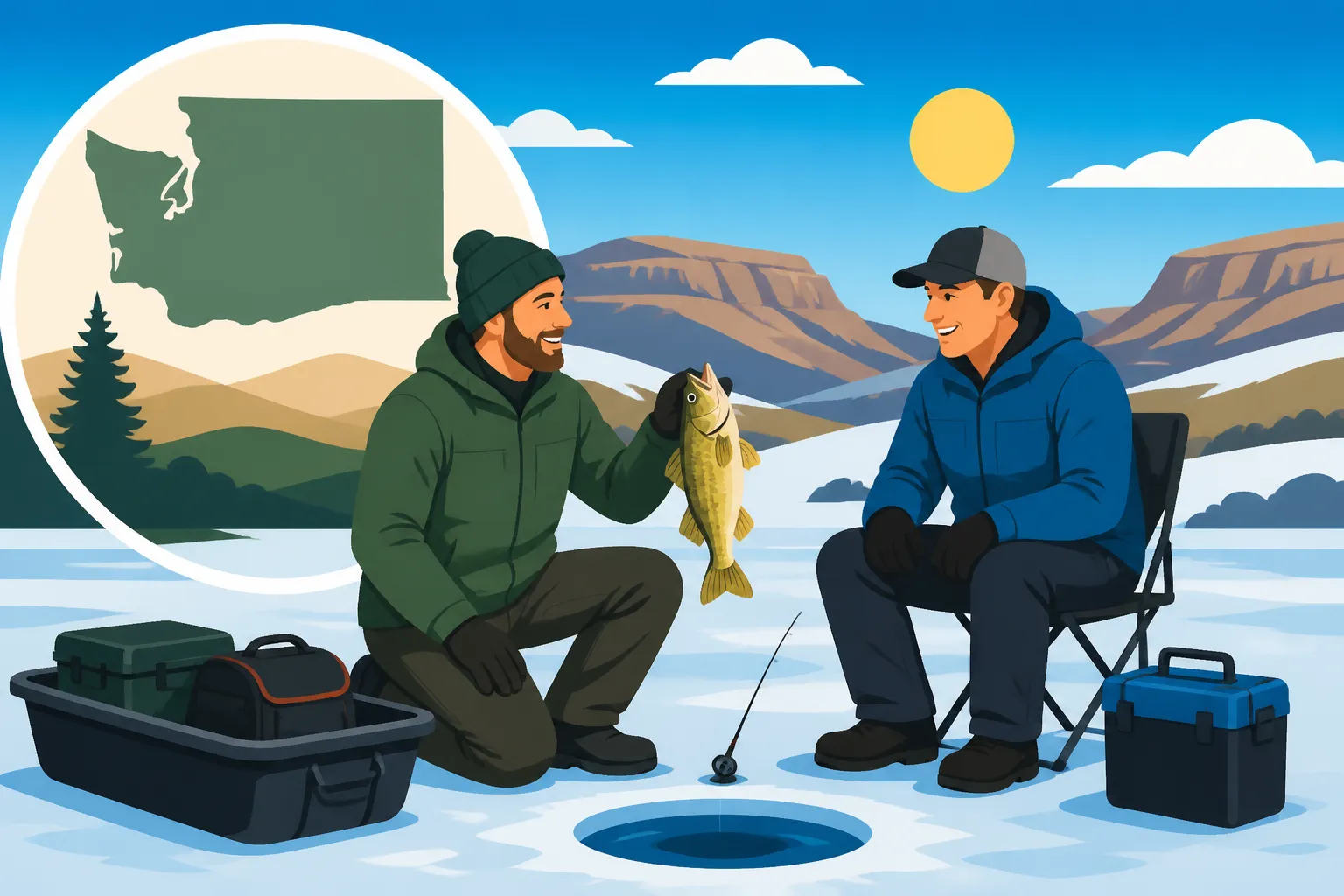
The idea of ice fishing in Eastern Washington can be incredibly exciting, picturing those vast, frozen landscapes and the thrill of pulling a fish through a hole in the ice. But let's be real: for many, especially those new to the game or unfamiliar with the unique challenges of the Pacific Northwest's colder climes, it feels like an insurmountable hurdle. From deciphering what gear you even need to knowing where the ice is safe and fish are biting, it's a lot to navigate. This comprehensive guide is here to demystify the process of booking a reputable guide for ice fishing in Eastern Washington, ensuring your frosty adventure is both safe and successful.
The Unique Appeal and Challenges of Eastern Washington Ice Fishing
Eastern Washington offers a genuinely unique ice fishing experience, far removed from the bustling saltwater scenes of Puget Sound or the major salmon rivers. It's a different kind of quiet, a different kind of focus, and frankly, a different kind of cold. But getting started on your own can feel like trying to solve a puzzle with half the pieces missing.
Why Consider a Guided Ice Fishing Trip?
For newcomers and even seasoned anglers unfamiliar with a new region, a guided ice fishing trip isn't just a luxury; it's often a smart investment. Think about it: ice fishing comes with inherent risks and requires specialized knowledge that's hard to gain overnight.
First and foremost, safety is paramount. A good guide knows the ice conditions intimately. They understand how thickness varies, where spring-fed areas might create thin spots, and how recent weather patterns affect stability. They have the experience to assess risks that an inexperienced angler simply wouldn't recognize. Beyond just ice safety, they're equipped for cold weather emergencies, from minor frostbite to more serious situations, and they know the fastest routes to safety if needed. This peace of mind alone is worth its weight in gold, allowing you to focus on the fishing rather than constantly worrying about your footing.
Secondly, a guide provides unparalleled local expertise. Eastern Washington boasts numerous lakes and reservoirs, each with its own quirks, depths, and preferred fish species. A guide lives and breathes these waters. They know which lakes are producing, what depths the fish are holding at, and which baits or lures are currently most effective. They've spent countless hours on the ice, figuring out patterns, and understanding the subtle cues that indicate a hot bite. This kind of knowledge shortens the learning curve dramatically, turning what could be a frustrating day of trial and error into a productive and enjoyable outing. They know the secret spots, the subtle contours of the lake bottom that hold fish, and how to adapt to changing conditions in real-time.
Lastly, and this is a big one for many, is the equipment. Ice fishing requires a significant investment in specialized gear: an auger to drill holes, a portable shelter to escape the wind and cold, heaters, fish finders (flashers or sonar) to locate fish, specialized rods, reels, and tackle designed for ice conditions. A guide provides all of this. You don't need to buy, transport, or maintain any expensive equipment. You simply show up, often with little more than your warm clothes and a packed lunch, and step into a fully set up, warm, and fish-ready ice shelter. This removes a huge barrier to entry for many who might otherwise be intimidated by the cost or logistics of acquiring all the necessary gear. It's truly a hassle-free way to experience the sport.
The Specifics of Eastern Washington's Ice Fishing Scene
Eastern Washington's diverse geography and climate create a varied ice fishing landscape, quite distinct from other regions. Unlike the vast, deep lakes often found in the Midwest, Washington's ice fishing scene typically centers around a mix of large reservoirs, smaller lakes, and even some high-mountain lakes when conditions are right.
The primary target species often include rainbow trout, which are stocked heavily in many lakes and provide consistent action, especially for families and beginners. You'll also find kokanee, the landlocked sockeye salmon, which are a blast to catch on light tackle and make for excellent eating. For those looking for a bigger challenge, walleye are a prized catch, particularly in the larger Columbia River reservoirs like Lake Roosevelt. These cunning fish require a bit more finesse and patience but offer a rewarding fight and are absolutely delicious. Then there are the plentiful perch and crappie, which can offer non-stop action, especially for kids, and are a fantastic way to fill a cooler. Knowing which species are biting in which lake at what time of year is key, and this is where a guide’s expertise truly shines.
Conditions can vary wildly across Eastern Washington. Early season ice, often in December, might see stable ice on smaller, shallower lakes, while larger, deeper bodies of water like Lake Roosevelt might not freeze reliably until January or even February, if at all. The weather can also be unpredictable. Days can be surprisingly mild and sunny, perfect for being out on the ice, but sudden cold snaps, heavy snow, or high winds can roll in quickly. A good guide will monitor forecasts, have backup plans, and prioritize your safety and comfort above all else. They understand the nuances of a light snowfall versus a blizzard, and they know how to make the most of whatever Mother Nature throws at you.
Finding Your Ideal Ice Fishing Guide in Washington
Once you've decided a guided trip is the way to go, the next step is finding someone reliable and experienced. This isn't just about finding anyone with a fishing license; it's about finding a professional who prioritizes safety, provides a great experience, and, of course, helps you catch fish!
Key Qualities of a Top-Tier Ice Fishing Guide
When vetting potential guides, there are several key qualities that distinguish the best from the rest. First, experience is non-negotiable. Look for guides who have been operating in Eastern Washington specifically for many seasons. They should have a deep understanding of the local lakes, the specific nuances of different ice conditions, and a proven track record of successful trips. This isn't a sport where you want someone learning on the job with your safety at stake.
Next, local knowledge goes hand-in-hand with experience. A top guide isn't just familiar with the lakes; they're intimately connected to the local fishing community and the natural environment. They know recent fish movements, bait preferences, and often even have insight into upcoming weather patterns specific to their operational area. They'll be able to talk confidently about Ice Fishing Gear for Eastern Washington Lakes and how to effectively use it. This localized understanding is invaluable for putting you on fish consistently.
Safety protocols and equipment are paramount. Does the guide clearly communicate their safety plan? Do they carry appropriate safety gear like ice picks, throw ropes, and a first-aid kit? Are their shelters well-maintained, and do they have reliable heating? A professional guide will have all necessary licenses and permits, including Coast Guard credentials if operating on larger, navigable waters. Don't be shy about asking these questions; your safety depends on it.
Finally, consider their communication style and personality. A good guide is not just a fishing expert but also a patient teacher and an enjoyable companion for the day. They should be willing to explain techniques, answer questions, and adapt the trip to your skill level and preferences. Many people find their best fishing experiences are with guides they genuinely enjoy spending time with, rather than just someone who knows how to find fish.
Questions to Ask Before Booking Your Guide
Before you commit to a guide, arm yourself with a list of questions. This helps manage expectations and ensures you're getting the experience you desire.
Start with the basics: "What's included in the trip price?" This is crucial for understanding the total cost and avoiding surprises. Does it cover bait, tackle, heated shelter, and the use of specialized electronics like fish finders? Does it include Ice Fishing Gear for Eastern Washington Lakes or do you need to bring anything specific? Clarify if snacks or beverages are provided, or if you should bring your own.
Ask about the typical target species for the time of year you're booking. "What fish are most active on the lakes you guide in [Month]?" This helps align your expectations with what's realistic. If you're dead set on walleye, but the guide says perch are the main bite, you'll know beforehand. Also inquire about their fishing philosophy: "Is your focus on catching a limit, or on the overall experience and teaching?" Some guides are meat-hogs, others are educators, and some strike a balance. Knowing their approach helps you choose the right fit.
It's also important to understand their cancellation policy, especially concerning weather and ice conditions. "What happens if the ice isn't safe, or if a blizzard rolls in?" Reputable guides will have clear policies for rescheduling or refunds in these situations. No one wants to be caught off guard if Mother Nature intervenes. You want to ensure you know the rules regarding a situation where the guide has to cancel for safety reasons.
Lastly, ask about group size and trip duration. "How many anglers do you typically take out? Is it a private trip or a shared charter?" And, "How long is a typical trip, from start to finish?" This helps you plan your day and ensures you're comfortable with the group dynamic.
Where to Look for Reputable Guides
Finding a quality ice fishing guide in Eastern Washington involves a few avenues. One excellent starting point is online booking platforms like FishingBooker. These sites aggregate guides from various regions, allowing you to compare services, read reviews from past clients, and often filter by target species or location. The review sections are goldmines for insights into a guide's personality, professionalism, and fishing success. Look for guides with consistently high ratings and detailed feedback that mentions safety, good equipment, and a positive attitude.
Beyond online platforms, local tackle shops and sporting goods stores in Eastern Washington are fantastic resources. The staff often know the local guides personally and can offer unbiased recommendations based on current fishing conditions. Places like those around Spokane, Wenatchee, or even smaller towns near popular fishing lakes will have knowledgeable folks behind the counter. They might also have business cards or flyers for local guides.
Word-of-mouth referrals from other anglers are incredibly valuable. If you know someone who has had a great guided ice fishing trip in the area, ask them for their guide's contact information. Personal endorsements often lead to the best experiences. Finally, don't overlook social media groups dedicated to Washington fishing. Many guides maintain active pages, and you can often see their recent catches, read comments, and even ask for recommendations from the community. A quick search on FishingBooker for "Eastern Washington ice fishing guides" or checking with local spots in Coulee City or Colville could quickly point you in the right direction.
What to Anticipate on a Guided Ice Fishing Adventure
Stepping out onto the ice for the first time with a guide can be a bit of an unknown. Knowing what to expect can help you prepare mentally and physically for a memorable day.
Essential Gear and Equipment Provided by Guides
One of the biggest advantages of a guided trip is the access to high-quality, specialized ice fishing gear without the personal investment. Your guide will typically provide almost everything you need from the moment you step out of your vehicle onto the snow-covered ice.
This usually starts with portable ice shelters, often pop-up shanties or flip-over shelters, which are surprisingly roomy and, most importantly, heated. These shelters are crucial for escaping the biting wind and keeping warm, making the experience comfortable even on the coldest days. Inside, you'll often find comfortable seating, which is a welcome relief compared to perching on a five-gallon bucket.
For drilling holes, guides come equipped with powerful ice augers, either gas-powered, propane, or increasingly, electric models. These make quick work of even thick ice, allowing you to move quickly to new spots if the fish aren't biting where you started. You won't have to worry about breaking a sweat hand-drilling through a foot of ice!
Next up are the fish finders or flashers. These electronic devices are critical for locating fish under the ice, showing you their depth and even how they react to your bait. Guides use these constantly to identify promising locations and help you understand how fish are behaving. Many guides will also provide a small, specialized ice fishing rod and reel setup, designed for sensitivity and handling fish in tight quarters. They'll also have a variety of baits and lures tailored to the specific species and conditions, from jigs tipped with wax worms to spoons and soft plastics for walleye. They'll even show you how to execute techniques like Jigging Through the Ice for Trout. All you generally need to bring is yourself, your warm layers, and maybe some snacks.
Common Target Species in Eastern Washington
Eastern Washington's diverse waters offer a rich bounty of species for ice anglers. When discussing your trip with a guide, you'll likely focus on a few key players.
Rainbow trout are a perennial favorite and are widely stocked by the WDFW in many lakes throughout the region. They offer consistent action and are often the best bet for a productive day, especially for those new to ice fishing. Lakes like those near Spokane, or even some smaller private ponds, are prime rainbow trout territory. They're often caught jigging small spoons or baited hooks just off the bottom or suspended in the water column.
For those seeking a unique challenge and delicious table fare, kokanee salmon are a popular target. These landlocked sockeye are found in deeper, colder lakes and require a bit more finesse, often caught using small jigs or lures tipped with corn. Lake Roosevelt in Washington for Kokanee and Walleye is a prime spot, as is Lake Chelan. The fight of a kokanee on light tackle is exhilarating, and their bright red flesh is a treat.
The hard-fighting walleye draw dedicated anglers to the larger reservoirs, particularly Lake Roosevelt in Washington for Kokanee and Walleye and Banks Lake in Washington for Walleye and Smallmouth Bass. These predatory fish are often targeted using larger jigs, spoons, or tip-ups with live bait. Walleye fishing can be slower, but the reward of a big golden walleye is undeniable. Guides who specialize in walleye will have specific techniques and locations dialed in.
Finally, don't overlook perch and crappie. These panfish are abundant in many Eastern Washington lakes, including Potholes Reservoir in Washington for Walleye and Crappie, and can provide non-stop action, making them perfect for family trips or a fun day when other species are finicky. They are typically caught on small jigs and often travel in schools, so once you find them, the action can be fast and furious.
Navigating Weather and Ice Conditions
Ice fishing, by its very nature, is subject to the whims of Mother Nature, and a key role of your guide is to manage these variables responsibly. Ice conditions are the primary concern. A professional guide constantly monitors ice thickness and quality, using specialized tools and local knowledge to ensure safety. They know that ice can vary dramatically even on the same lake, influenced by currents, springs, and snow cover. They won't take risks, and if conditions are questionable, they'll make the difficult but correct decision to cancel or reschedule. This is why asking about their cancellation policy for safety is so vital.
Weather is another major factor. Eastern Washington winters can bring everything from crisp, sunny days to fierce blizzards with heavy snowfall and biting winds. Your guide will keep a close eye on the forecast, advising you on appropriate clothing – think layers, waterproof outerwear, and insulated boots – to stay warm and comfortable. They will also be equipped with heated shelters that can make a huge difference in comfort, allowing you to take breaks from the elements.
It's important to be flexible. Sometimes, despite the best planning, an unexpected cold front or heavy snowfall might make a planned lake unfishable or unsafe. A good guide will often have contingency plans, suggesting an alternative lake or species that might be more accessible or productive under the circumstances. The goal is always to provide a safe, enjoyable, and successful trip, even if it means adjusting the original plan. They'll also be transparent about what an emergency rule change actually modifies if conditions suddenly require it.
Premier Eastern Washington Ice Fishing Destinations for Guides
Eastern Washington is dotted with fantastic ice fishing opportunities, each with its own character and prime species. Guides often specialize in particular bodies of water, given the unique challenges and opportunities each presents.
Lake Roosevelt and Its Walleye Potential
Lake Roosevelt, a massive reservoir on the Columbia River, is a crown jewel of Eastern Washington fishing, and during the winter, it becomes a major draw for ice anglers, particularly those chasing walleye. This immense body of water offers vast stretches of frozen real estate when conditions are right, providing ample room for anglers and fish to spread out.
Walleye in Lake Roosevelt can grow to impressive sizes, offering a thrilling fight through the ice. Guides who operate here have spent years learning the subtle contours of the lake bottom, identifying underwater humps, points, and old river channels where walleye congregate. They'll use their specialized electronics to pinpoint schools of fish and instruct you on the best jigging techniques or tip-up setups to entice a bite. Beyond walleye, Lake Roosevelt in Washington for Kokanee and Walleye also holds good numbers of kokanee and rainbow trout, offering diverse opportunities depending on the day's bite. The sheer size and depth of Roosevelt mean that safe ice can be a challenge to predict and confirm, making a guide's expertise here absolutely invaluable. They know precisely where the most reliable ice forms and how to safely access it.
Banks Lake and Potholes Reservoir for Bass and Walleye
Further south and west, Banks Lake and Potholes Reservoir offer different, but equally exciting, ice fishing experiences, especially for anglers keen on walleye, smallmouth bass, and panfish.
Banks Lake in Washington for Walleye and Smallmouth Bass is a long, narrow reservoir famous for its trophy-sized smallmouth bass in the warmer months, but in winter, it can offer up fantastic ice fishing for walleye, perch, and even some robust smallmouth through the hard water. Guides on Banks Lake understand the unique structures of the reservoir, including the submerged rocks and ledges that hold fish. They'll often focus on specific bays or shallower areas that freeze more reliably and concentrate fish.
Potholes Reservoir in Washington for Walleye and Crappie is another Eastern Washington gem, renowned for its incredible walleye and crappie fishing. The "dunes" area of Potholes, with its flooded islands and intricate underwater structure, creates prime habitat for these species. Ice fishing here, especially for crappie, can be fast-paced, with anglers often catching large numbers of fish once a school is located. Guides working Potholes are experts at navigating its complex underwater landscape, often utilizing portable shelters that can be moved quickly to follow schooling fish. For both Banks Lake and Potholes, a guide's experience with the specific patterns of these waters significantly increases your chances of success.
Smaller Lakes and Ponds for Trout and Panfish
While the big reservoirs get a lot of attention, Eastern Washington also boasts a multitude of smaller lakes and ponds that offer fantastic, often less crowded, ice fishing for rainbow trout, perch, and crappie. These waters are often the first to freeze solid and remain safe throughout the winter, making them ideal for early-season trips or for those looking for consistent action.
Lakes in areas like Ferry County, Stevens County, or even some of the smaller lakes scattered throughout Spokane County, are regularly stocked with rainbow trout, providing excellent opportunities for both seasoned and novice anglers. Many of these smaller lakes are perfect for a family outing, where the focus is less on trophy fish and more on constant bites and making memories. Guides who operate on these waters often have a strong community connection and can provide a more intimate, personalized experience. They know the subtle differences between each small lake – which ones have the best perch, which are best for a quick limit of trout, or where you might find some surprisingly large crappie. These trips are often less about the vast expanses and more about targeting specific submerged features like weed beds or drop-offs in a contained environment. The simplicity and accessibility of these smaller lake ice fishing experiences are truly part of their charm.
Preparing for Your Guided Ice Fishing Trip
Even with a top-notch guide handling most of the logistics, a little preparation on your part will go a long way in ensuring you have the best possible experience. Knowing what to bring and understanding the local regulations will set you up for success.
Understanding Washington Fishing Licenses and Endorsements
This is probably the most crucial piece of personal preparation. Before you even think about stepping onto the ice, you need to have the correct Washington fishing license. Even if you're with a guide, you are personally responsible for holding a valid license.
For ice fishing in Eastern Washington, you will almost certainly need a freshwater fishing license. If you plan on fishing for species like trout, walleye, perch, or kokanee, this is your ticket. It's important to distinguish between a freshwater, saltwater, or combination license. A freshwater license covers most inland ice fishing. You'll also need to consider your residency status. Are you a Washington resident or an out-of-state angler? Resident vs Nonresident Fishing Licenses in Washington often have different fee structures and options. For our non-resident friends, be sure to look into a Washington Fishing License Guide for Nonresidents to understand your specific requirements.
There are various duration options available, from annual licenses for frequent anglers to short-term options like a one-day or three-day license, which might be perfect for a single guided trip. You can find more details on Washington's Annual, Short-Term and Combination License Options.
It's also important to remember that even kids need to be accounted for. While very young children might be exempt, older kids usually require their own license. Don't assume; always check Do Kids Need a Fishing License in Washington? to confirm the current regulations for minors. You can easily purchase your license online through the WDFW website, at a local tackle shop, or through a licensed dealer. Make sure to have it with you, either as a physical printout or digitally on your phone via the MyWDFW App. For more on this, check out Carrying Your Washington Fishing License: Paper, Phone or the MyWDFW App. Your guide will likely remind you, but it's your responsibility to arrive with it.
What You'll Need to Bring Personally
While your guide provides the specialized gear, there are a few personal items you absolutely need to bring to ensure your comfort and safety. The most important rule for ice fishing is dress in layers. The weather can change quickly, and you'll want to be able to add or shed clothing as needed. Start with a moisture-wicking base layer, add insulating middle layers (fleece or down), and top it off with a waterproof and windproof outer shell. Insulated, waterproof boots are non-negotiable – cold, wet feet will ruin your day faster than anything else. Don't forget a warm hat, gloves or mittens (preferably waterproof), and a neck gaiter or balaclava to protect your face from the wind.
Beyond clothing, a small backpack is handy for carrying personal items. Pack plenty of snacks and drinks. Hot coffee, tea, or cocoa in a thermos can be a game-changer on a cold day, and high-energy snacks like granola bars, nuts, or sandwiches will keep you fueled. Bring a good pair of sunglasses to protect your eyes from the glare off the snow and ice, and sunscreen, as the reflection can lead to unexpected sunburns. A small towel for drying hands and a plastic bag for any trash are also good ideas. Don't forget your camera or phone to capture those memorable catches! If you're wondering what else to pack, you might find some crossover advice in What to Bring on a Washington Fishing Charter, which covers general fishing trip essentials.
The Booking Process and Cancellation Policies
Booking your guided ice fishing trip typically involves a few straightforward steps. Once you've identified a guide you'd like to fish with, either through an online platform like FishingBooker or a local referral, you'll reach out to them directly. This initial contact is your chance to ask all those important questions we discussed earlier.
Guides often operate on a first-come, first-served basis, especially during peak ice fishing season, so booking well in advance is highly recommended. Many guides require a deposit to secure your date, with the balance due on the day of the trip. Make sure you understand their preferred payment methods.
It's absolutely critical to clarify the guide's cancellation and refund policy before you finalize your booking. This isn't just about your schedule changing; it's mostly about unpredictable ice and weather conditions. What happens if the guide has to cancel due to unsafe ice or a severe weather warning? Will you receive a full refund, or can you reschedule for a different date? What if you need to cancel due to unforeseen circumstances on your end? Good guides will have fair and transparent policies, but they will vary. Some might offer a full refund if they cancel, while others might offer to reschedule within a certain timeframe. Don't hesitate to get these details in writing or in an email confirmation. This ensures clarity and prevents any misunderstandings should plans need to change.
Making the Most of Your Guided Ice Fishing Experience
A guided trip is more than just a means to an end; it's an opportunity to learn, grow, and truly immerse yourself in the sport. By approaching it with an open mind and a willingness to engage, you'll get far more out of your day on the ice.
Learning Opportunities and Skill Development
One of the greatest benefits of fishing with a guide is the incredible learning opportunity it presents. Think of your guide as a personal instructor. They're not just there to put you on fish; they're there to teach you how to fish. Take advantage of their expertise!
Ask questions. Lots of them. How do they read the fish finder? What subtle twitches of the rod indicate a bite? Why did they choose that specific lure or bait? What makes one spot better than another? A good guide loves to share their knowledge and will patiently explain techniques like Jigging Through the Ice for Trout, knot tying, bait presentation, and even how to properly handle and release fish. Pay attention to how they set up their gear, how they drill holes, and how they interact with the environment. You'll gain insights into everything from reading ice conditions to understanding fish behavior, which will serve you well on future independent trips.
This hands-on instruction is invaluable, allowing you to develop new skills or refine existing ones. You might learn about different jigging cadences for walleye, how to spot subtle bites from perch, or the best way to rig for kokanee. This kind of practical education, tailored to real-time conditions, is something you simply can't get from reading a book or watching videos.
Tipping Your Guide and Post-Trip Etiquette
As with any service industry, tipping your guide is customary and a great way to show your appreciation for their hard work and expertise. A typical gratuity for a guided fishing trip generally ranges from 15-20% of the trip's total cost, assuming you had a good experience. If your guide went above and beyond, provided exceptional instruction, or worked extra hard in challenging conditions, consider tipping more. If the experience was subpar, you can adjust accordingly, but remember that fish sometimes simply don't cooperate, which isn't always the guide's fault.
It's best to tip in cash at the end of the trip, directly to the guide. This allows them to receive the full amount immediately. Even if you booked through a platform like FishingBooker, the tip is generally handled separately and personally.
Beyond tipping, a simple "thank you" goes a long way. If you had a truly fantastic time, consider writing a positive review on the platform you used (like FishingBooker), the guide's website, or social media. Positive reviews are incredibly helpful for guides, helping them attract new clients and build their reputation. You might also want to offer to help pack up some of the gear, especially if it's been a long day. This shows respect for their efforts and acknowledges the physical demands of their job. Remember, a good guide often becomes a friend and a valuable resource for future fishing adventures, so fostering a positive relationship is always a good idea.
| Ice Fishing Trip Considerations | DIY Angler | Guided Trip |
|---|---|---|
| Ice Safety & Knowledge | Self-taught, risky | Expert assessment, safe |
| Gear & Equipment | Purchase/rent expensive items | All provided (shelter, auger, electronics, rods) |
| Local Fishing Expertise | Trial and error, research | Immediate access to hot spots, proven techniques |
| Species Targeted | Limited by own knowledge | Guide advises best targets, adapts to bite |
| Cost Investment | High initial gear cost | Per-trip fee, no gear ownership |
| Comfort & Convenience | Haul/set up own gear, brave elements | Heated shelter, minimal personal hauling |
| Learning Opportunity | Slow, often frustrating | Direct instruction, rapid skill development |
| Ideal For | Experienced, well-equipped | Beginners, those new to area, desire comfort |
Disclaimer
This article is for general informational purposes only and does not constitute professional advice. Laws, prices and regulations vary by location and change over time. Consult a qualified professional for guidance on your specific situation.