Westport Halibut Charter Cost
Dreaming of hauling in a massive Pacific Halibut off the Washington coast? It's an incredible, bucket-list experience for many anglers, but let's be real – the cost of a charter can be a big question mark. Many folks find themselves wondering exactly what they're signing up for financially before committing to a trip out of Westport. This guide will break down what goes into Westport halibut charter pricing, helping you understand the investment and plan your deep-sea adventure without any unexpected surprises.
Understanding the Baseline Westport Halibut Charter Costs
When you first start looking into a halibut charter out of Westport, you'll quickly realize that there isn't one single, flat fee. The price you pay for your spot on a boat, or for the entire boat itself, is the primary cost, but it's just the starting point. Halibut fishing is a highly sought-after experience, and due to strict regulations and limited seasons, these trips tend to command a premium compared to some other types of fishing charters.
Most Westport halibut charters operate as full-day excursions. This isn't like a quick two-hour bass trip on a lake; you're heading out into the Pacific Ocean, often many miles offshore, to depths where these magnificent flatfish reside. The travel time alone makes a full-day commitment necessary, which naturally impacts the price. A full-day trip means more fuel, more time for the captain and deckhands, and a greater opportunity for you to actually get on the fish. For a detailed look at what these trips entail, you can check out How Long Does a Washington Halibut Charter Trip Take?.
The core of the cost structure usually comes down to whether you're joining a "shared" trip or booking a "private" charter. A shared trip means you pay a per-person rate and join other anglers on the boat. This is typically the most budget-friendly way to get out on the water. Private charters, on the other hand, mean you're paying for the entire boat, regardless of how many people are in your group (up to the boat's capacity, of course). While a private charter costs significantly more upfront, if you have a larger group of friends or family, it can sometimes work out to a comparable per-person cost, plus you get the boat all to yourselves, allowing for more flexibility and a personalized experience.
Factors That Influence Your Halibut Charter Price
Several key elements come into play when determining the final price of a Westport halibut charter. These factors can create a pretty wide range in quoted costs, so understanding them will help you evaluate different options and find a trip that fits your budget and expectations.
Trip Duration and Type
As mentioned, halibut trips are almost always full-day affairs from Westport. The sheer distance to prime halibut grounds and the time it takes to target these deep-water dwelling fish necessitates a longer day on the water. Shorter, half-day options for halibut are exceedingly rare, if they exist at all, because they simply wouldn't offer enough time to make the trip worthwhile.
Beyond duration, the distinction between a shared (open boat) and a private charter is paramount for pricing. Shared charters divide the operating costs among multiple individuals, making the per-person rate more accessible. These trips are fantastic for solo anglers, couples, or small groups who don't mind fishing alongside other enthusiasts. Private charters, where you book the entire boat, offer exclusivity, allowing your group to dictate the pace, target species (within limits, of course), and general atmosphere. This bespoke experience comes at a higher total cost, but it can be ideal for corporate outings, family reunions, or serious angling groups seeking focused attention from the crew. You might want to consider Half-Day vs Full-Day Salmon Charters for other species if you're looking for shorter options, but for halibut, full-day is the standard.
Boat Size, Amenities, and Crew Experience
Just like hotels or cars, not all charter boats are created equal. The size of the vessel plays a role, with larger, more stable boats often costing a bit more to operate and book. More significant than size for many anglers are the amenities offered. Some boats are bare-bones, no-frills fishing machines, focused purely on getting you to the fish. Others might offer heated cabins, larger heads (bathrooms), comfortable seating, advanced electronics, and even hot coffee or snacks. These creature comforts can make a long day on the ocean much more pleasant, especially during cooler weather, and they are often reflected in the price.
The experience and reputation of the captain and crew also carry significant weight. Westport is home to many seasoned captains who have spent decades navigating the Pacific and learning the subtle nuances of halibut fishing. A captain with a long-standing track record of success, excellent customer service, and a deep understanding of the local fishery often commands a higher price. Their expertise can mean the difference between a memorable trip with fish in the box and a long, fruitless day. Reputable charter operations invest in top-tier safety equipment, well-maintained vessels, and experienced, professional deckhands, all of which contribute to the overall value and price point of the trip. You can often find reviews and compare different charters on platforms like FishingBooker to gauge their reputation.
Prime Season vs. Shoulder Season
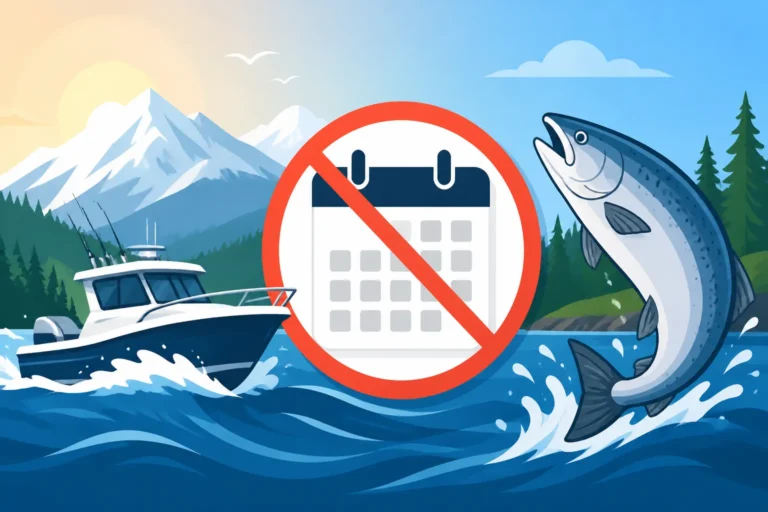
Halibut fishing off the Washington coast is highly regulated, with specific seasons and often limited fishing days. These seasons are typically set based on quotas and stock assessments, making the available days precious. Because of this, "prime season" for halibut isn't just a marketing term; it refers to those highly anticipated, often very short windows when fishing is open.
During these peak halibut days, demand is incredibly high. Charters often book up months in advance, and prices are usually at their highest. If you're flexible with your dates, sometimes catching the very beginning or very end of a halibut season (if dates are extended or if there's a specific "shoulder" opportunity) might offer a slight pricing advantage, though this is less common for halibut compared to other species like salmon. Always check the official WDFW regulations for the most current information, which might include specific details like Washington's 2026 Halibut Fishing Days. Booking early, especially through a service like FishingBooker, is almost always recommended to secure your spot during these high-demand periods.
Inclusions and Exclusions
This is a critical area where quoted prices can be deceiving, so always ask for a clear list of what's included. Some Westport halibut charters offer an "all-inclusive" price that covers tackle, bait, and even basic fish cleaning and bagging. Others might quote a lower base price but then charge extra for these essentials.
Common inclusions often are:
- The boat ride itself and the captain's guidance.
- Fishing rods and reels.
- Basic bait and terminal tackle (hooks, weights).
Common exclusions (or extra charges) can be:
- Your Washington fishing license (this is always your responsibility).
- Specialized gear like descending devices for rockfish, if applicable (though often provided if required).
- Advanced fish processing beyond a basic gut-and-gill.
- Food and drinks (though some charters provide water or coffee).
- Tips for the crew (which are customary and expected).
Understanding these details upfront prevents sticker shock later. If a charter seems significantly cheaper than others, double-check what you'll need to bring or pay for separately.
Beyond the Charter: Additional Costs to Consider
Booking the charter is just one part of your overall investment in a Westport halibut fishing trip. To avoid unpleasant surprises, it's essential to factor in all the ancillary expenses that contribute to the total cost of your adventure.
Fishing License and Endorsements
This is perhaps the most fundamental additional cost, and it's absolutely non-negotiable. Every angler in Washington, regardless of whether they're a resident or non-resident, needs a valid fishing license to participate in a charter. For halibut, you'll generally need a valid saltwater license, and for some areas, specific endorsements might apply (though less common directly for ocean halibut).
You'll need to purchase your license before you step on the boat. Charters rarely, if ever, sell licenses onboard. It’s always best to get this squared away well in advance. For non-residents, the cost will be higher than for Washington residents, so be sure to understand the distinction. You can find more information in our guides on Washington Fishing License Guide for Nonresidents and Resident vs Nonresident Fishing Licenses in Washington. Make sure to carry your license with you, whether it's a physical copy or accessible on your phone via the MyWDFW App.
Tips for the Crew
Tipping is a customary and highly appreciated part of charter fishing culture. The deckhands work incredibly hard throughout the day – preparing bait, untangling lines, gaffing fish, assisting with releases, keeping the boat clean, and ensuring your overall safety and enjoyment. While the captain sets the price for the trip, the crew's income often heavily relies on tips.
A general guideline for tipping a charter crew is around 15-20% of the total charter fee. If you had an exceptional experience, saw the crew go above and beyond, or if they worked tirelessly to put you on fish, consider tipping at the higher end of that range. This tip is typically given directly to the deckhand at the end of the trip. Factor this into your budget from the outset. For more details on this important etiquette, refer to How Much to Tip a Washington Charter Captain.
Fish Processing and Shipping
Catching a giant halibut is an incredible feat, but then you're faced with the logistics of getting that delicious fish from the boat to your dinner table. Most charters will perform a basic gut-and-gill or cut your fish into large sections for transport. However, if you want your catch filleted, skinned, vacuum-sealed, or flash-frozen, you'll likely need to use a professional fish processor in Westport. These services come with their own fees, which vary based on the size of your fish and the level of processing desired.
If you're traveling from out of state or simply don't want to haul a cooler full of fish home, shipping is another consideration. Processors can often package your fish for airline travel or arrange for overnight shipping to your home address. This can add a significant cost, depending on the weight of your fish and the shipping distance. It's a fantastic convenience, but one that needs to be budgeted for. Our guide on How to Ship Fish Home From Washington has more information on these options.
Travel, Lodging, and Food
Westport is a classic coastal fishing town, and getting there and staying there will be part of your overall expenditure. Consider the cost of fuel for your drive, or airfare if you're flying into a major airport like Seattle-Tacoma (Sea-Tac) and then driving down.
Once in Westport, you'll need lodging. Options range from budget motels to vacation rentals, and prices will fluctuate based on the season and local events. Booking accommodations in advance, especially during prime halibut season, is crucial. Finally, don't forget meals and snacks. While some charters might provide basic refreshments, you'll want to plan for breakfast, lunch (if not provided on the boat), and dinner, plus any extra drinks or snacks you want for the day on the water. A good lunch and plenty of water are essential for a full day of Pacific Halibut Fishing on the Washington Coast.
Gear and Apparel
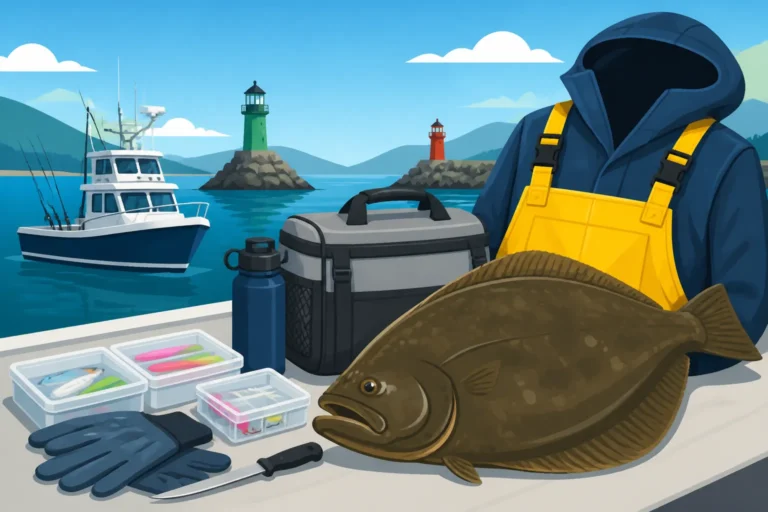
While most charters provide the necessary fishing rods, reels, and tackle, you are responsible for your personal comfort and safety. The Pacific Ocean can be unpredictable, even on a sunny day. Investing in proper rain gear, waterproof boots, and layers of warm clothing is highly recommended. What to Bring on a Washington Fishing Charter can give you a comprehensive packing list.
Sunscreen, sunglasses, a hat, and motion sickness medication (if you're prone to seasickness, which is quite common on the ocean – see Is Seasickness Common on Washington Ocean Charters?) are also important personal items to factor in. While not always a direct monetary cost if you already own these items, they are necessary for an enjoyable and safe trip.
| Cost Category | Description | Typical Cost Impact (Relative) |
|---|---|---|
| Charter Fee | Per-person rate for shared trip OR flat rate for private boat. Includes boat, captain, basic gear/bait. | Highest |
| Fishing License | Mandatory state license. Varies for resident/non-resident, duration (annual/short-term). | Moderate |
| Crew Tip | Customary gratuity for deckhands (15-20% of charter fee). | Moderate |
| Fish Processing | Filleting, vacuum-sealing, freezing at a local processor. Optional. | Varies by catch size |
| Fish Shipping | Overnight shipping or airline packaging for processed fish. Optional. | Varies by weight/distance |
| Travel (Fuel/Airfare) | Getting to/from Westport. | Varies by distance |
| Lodging | Overnight stays in Westport. | Varies by type/season |
| Food & Drink | Meals, snacks, non-alcoholic beverages. | Moderate |
| Personal Gear/Apparel | Rain gear, warm layers, sunscreen, motion sickness meds. Optional (if not already owned). | Low to Moderate |
Making Your Westport Halibut Trip More Affordable
Halibut fishing can be a significant investment, but there are definitely strategies you can employ to make the experience more accessible without sacrificing too much of the thrill. With a little planning and flexibility, you can reel in that dream halibut without breaking the bank.
Go with a Group on a Shared Charter
This is hands-down the most effective way to reduce the individual cost of a halibut charter. Shared charters, also known as "open boats," allow multiple individuals or small groups to book spots on the same vessel. The total cost of operating the boat for the day is then divided among all the paying passengers, significantly lowering the per-person rate compared to booking a private boat.
If you're a solo angler, a couple, or a small family, joining a shared trip is an excellent option. You'll get to meet new people who share your passion for fishing, and you might even pick up some new tips and tricks from fellow anglers or the crew. Many charters, including those you might find listed on FishingBooker, specialize in putting together these shared trips. Just be prepared that you'll be fishing alongside others, which means less control over specific details, but it's a small trade-off for the substantial savings. For further reading, check out Shared vs Private Fishing Charters in Washington.
Book in Advance (Especially for Halibut)
While this tip isn't about getting a direct discount, it's crucial for securing the best value and avoiding last-minute premium pricing or, worse, not finding a spot at all. Halibut seasons in Washington are notorious for being short and popular, with specific dates often announced well in advance. These prime dates fill up incredibly fast.
By booking your trip well in advance – often months out – you secure your spot at the current rate and have the widest selection of reputable charters and preferred dates. Waiting until the last minute might leave you with limited, more expensive options, or necessitate booking with a less established charter. Platforms like FishingBooker are excellent for seeing availability and comparing options early. Being proactive means you can plan your other travel logistics more efficiently too, potentially saving on lodging or travel by booking those in advance as well. To learn more about securing your spot, see How to Book a Fishing Charter in Washington.
Off-Peak or Shoulder Season Opportunities (If Available)
For halibut, "off-peak" or "shoulder season" is less about saving money and more about finding any availability outside the intensely booked prime days. Because the halibut season itself is often quite short and tightly regulated, opportunities to fish outside these core dates at a reduced price are rare. However, if WDFW announces extended dates or there are specific windows that fall outside the absolute peak demand, these might present slightly less expensive options or simply be easier to book.
Keep a very close eye on the official WDFW regulations and announcements for Washington Sport Fishing Seasons and Emergency Closures for any variations in the halibut schedule. Sometimes, a charter might have a last-minute cancellation during these less busy (but still legal) periods, which could offer an unexpected opening. It's not a guaranteed savings strategy for halibut, but it's always worth considering if flexibility is key for your budget. For other species, understanding Washington Fishing Seasons: A Month-by-Month Guide can definitely help identify off-peak savings.
Ask About All-Inclusive Packages or Specials
When comparing charters, don't just look at the base price. Dig into what's included. Some charters, particularly if they are part of a larger lodge or outfitter, might offer "all-inclusive" packages that bundle the charter fee with things like lunch, soft drinks, fish cleaning, or even lodging if you're staying multiple nights. While the upfront cost might seem higher, when you break down the individual components, it could actually save you money compared to paying for each item separately.
It never hurts to inquire directly with the charter operator about any specials they might be running, especially if you're booking for a larger group or during a slightly less competitive time (again, this is rare for prime halibut dates but worth asking). Some might offer small discounts for military personnel, seniors, or returning customers. A direct conversation can often reveal options that aren't advertised online.
Always remember that while saving money is great, the quality and safety of your charter should be paramount. A slightly higher price often reflects a more experienced crew, better-maintained equipment, and a safer, more enjoyable overall experience.
Disclaimer
This article is for general informational purposes only and does not constitute professional advice. Laws, prices and regulations vary by location and change over time. Consult a qualified professional for guidance on your specific situation.