Booking a Guide for the Cowlitz River in Washington
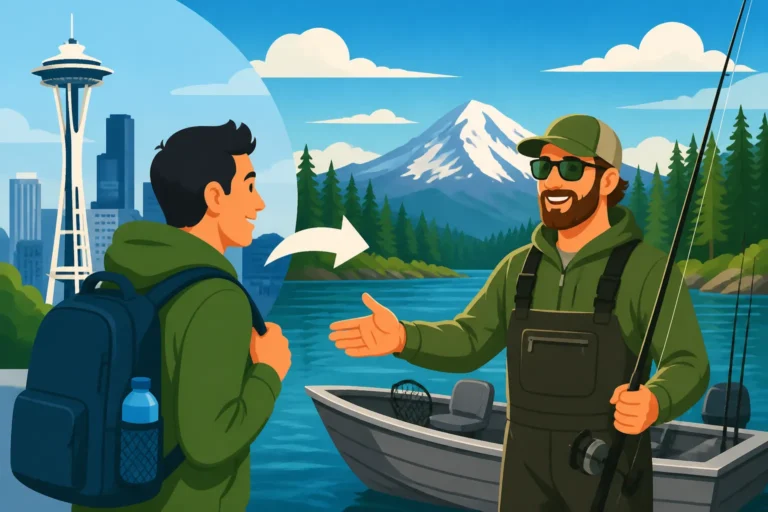
One of the most common frustrations for anglers looking to tackle Washington's legendary Cowlitz River is the sheer complexity of figuring out where to go, what to use, and how to navigate the ever-changing conditions and regulations. It’s a river that can be incredibly rewarding, but it also demands a deep understanding of its nuances, which can feel impossible for those without local knowledge. This comprehensive guide is designed to walk you through everything you need to know about booking a reputable fishing guide for the Cowlitz River, ensuring you have the best possible chance at a successful and enjoyable trip, no matter your experience level.
Why the Cowlitz River is a Prime Destination for Guided Trips
The Cowlitz River, often referred to as "The Salmon and Steelhead Factory," holds a special place in the hearts of Washington anglers. Flowing from the Cascade Mountains and joining the mighty Columbia, it's a vibrant artery of fish life, primarily due to the active hatchery programs that support robust returns of salmon and steelhead. But its dynamic nature—from fluctuating water levels to specific fishing sections opening and closing—makes it a challenging river to approach without expert guidance.
Understanding the Cowlitz's Legendary Runs
The Cowlitz River is famous for its nearly year-round fishing opportunities, thanks to strong returns of both salmon and steelhead. Anglers flock here for spring Chinook, a highly prized and delicious salmon, as well as summer and winter steelhead runs. When Chinook Salmon Run in Washington's Puget Sound details how these runs operate in other areas, but on the Cowlitz, hatchery operations mean there's often a consistent presence. You might be targeting powerful chrome-bright steelhead one season, and then the next, you're hoping for a fat coho. This consistent influx of fish, bolstered by the hatchery, ensures that even when other rivers are slow, the Cowlitz often has action. However, pinpointing when and where these runs are concentrated is half the battle, and that's where a guide's daily intel becomes invaluable.
The Advantages of a Guide on a Dynamic River
Fishing the Cowlitz isn't like casting a line into a placid lake. It's a powerful, constantly changing river with numerous access points, drift boat launches, and stretches that can fish entirely differently depending on water height, temperature, and recent fish migration. Without a guide, you could spend hours driving between spots, second-guessing your gear, and ultimately missing out on prime opportunities. A seasoned Cowlitz guide knows the river like the back of their hand—they understand the subtle eddies where steelhead hold, the deep runs where Chinook stack up, and which bait or lure is producing on any given day. They also navigate the boat, handle the complex rigging, and even provide valuable instruction, freeing you up to simply focus on fishing and enjoying the experience. This local expertise saves you time, frustration, and significantly increases your chances of hooking into some incredible fish.
Popular Fish Species Targeted on the Cowlitz
While the Cowlitz is best known for its salmon and steelhead, it's also home to other species that can occasionally be targeted or caught incidentally. The main draw, however, are the "big four" anadromous species:
- Chinook Salmon: These "kings" are the giants of the salmon world, known for their powerful fights and delicious meat. The Cowlitz sees strong spring and fall Chinook runs, with anglers often targeting them by back-trolling plugs, bait, or bobber dogging.
- Coho Salmon: Also known as silvers, coho are acrobatic fighters that provide thrilling action, especially in late summer and fall. They're often caught on spinners, spoons, or drifted bait. Coho Salmon Fishing in Washington discusses this species more broadly.
- Steelhead: Both winter and summer steelhead make their way into the Cowlitz. These ocean-run rainbow trout are incredibly strong and challenging to catch, making them a top prize for many anglers. Guides often use drift fishing, bobber and jig, or side-drifting techniques.
- Chum Salmon: While not as heavily targeted as Chinook or coho for their table fare, chum salmon provide a good fight, especially in the fall. They're an important part of the river's ecosystem and can be a fun bonus catch.
Additionally, resident trout and even smallmouth bass can be found in certain sections, though most guided trips focus on the migratory salmon and steelhead that make the Cowlitz legendary.
What to Consider Before Booking Your Cowlitz River Guide
Booking a guide isn't just about finding someone with a boat; it's about finding the right someone for your trip. The Cowlitz attracts a variety of guides, each with their own style, specialties, and personality. Taking the time to consider a few key factors will ensure you have a much more enjoyable and productive outing.
Key Factors in Choosing the Right Guide
When you're sifting through potential guides for your Cowlitz adventure, don't just jump at the first available slot. Think about what you really want from your trip. Are you a complete beginner who needs a lot of hands-on instruction, or are you an experienced angler looking for someone to put you on fish without much fuss? Do you prefer a quiet, intimate experience, or are you okay with a more boisterous group? Consider their communication style during the booking process—are they prompt, clear, and friendly? Pay attention to reviews on platforms like FishingBooker or their social media, but also take some with a grain of salt. A guide's reputation for safety, reliability, and putting in the effort to find fish is paramount. Don't be afraid to call them and have a chat; a quick conversation can tell you a lot about their demeanor and if they're a good fit for you.
Understanding Guide Specialties and Experience
Many Cowlitz River guides specialize. Some might be absolute masters of winter steelhead, knowing every nook and cranny where those elusive fish hold. Others might excel at spring Chinook, focusing on specific techniques and stretches of the river when those runs are strong. If you have a particular species or season in mind, make sure your chosen guide has a strong track record in that area. Ask about their years of experience on the Cowlitz specifically, not just general guiding experience. The Cowlitz is unique, and local knowledge is key. You might also find guides who focus on different fishing styles, such as drift boat fishing, power boat fishing, or even bank fishing for those who prefer to stay on solid ground. Make sure their specialty aligns with your expectations. Booking a Guide for the Cowlitz River in Washington is a topic we're covering, but it's important to differentiate between general guiding and Cowlitz-specific expertise.
Preparing for Your Guided Trip
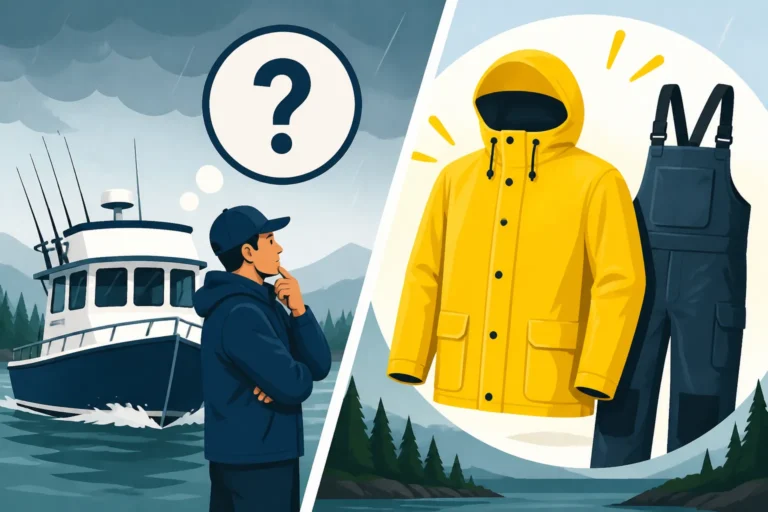
Once you've booked your guide, preparation is key to a smooth and enjoyable day. Most guides will provide a list of recommended items, but generally, you'll want to bring appropriate layers of clothing (Washington weather is notoriously unpredictable!), rain gear, sunglasses, a hat, and sunscreen. Comfortable, waterproof boots are often a good idea for boat access or if you'll be wading a bit. Don't forget your Washington fishing license and any necessary endorsements—your guide can't provide this for you, and without it, you won't be able to fish. It's also wise to bring snacks, drinks, and a small cooler for your catch. Always confirm with your guide if they provide lunch or water. A camera is great for capturing memories, but make sure it's waterproof or well-protected. Over-preparing is always better than under-preparing when it comes to a day on the water.
The Booking Process: From Research to Confirmation
Navigating the booking process can feel a bit daunting, especially if you're new to guided fishing trips. Knowing where to look, what questions to ask, and what to expect financially will make the experience much smoother.
Where to Find Reputable Cowlitz River Guides
Finding a good guide starts with good research. Word-of-mouth recommendations are excellent, so ask fellow anglers or check local tackle shops in towns like Toledo or Castle Rock. Online, dedicated guiding service websites are a common starting point. Many guides also have their own personal websites or active social media pages where they post recent catches and availability. For a broader selection and to read verified reviews, platforms like FishingBooker are incredibly useful. You can often filter by location, target species, and even boat type, making it easier to compare multiple guides side-by-side. While FishingBooker can streamline the initial search, always try to make direct contact with the guide to ask specific questions and get a feel for their personality.
Asking the Right Questions Before You Commit
Once you've identified a few potential guides, it's time to ask the right questions. Don't be shy; a good guide will appreciate your thoroughness. Here's a table of crucial questions to ask:
| Question | Why It's Important |
|---|---|
| What's your experience on the Cowlitz? | Ensures they have specific, relevant local knowledge. |
| What species do you primarily target? | Confirms their specialty aligns with your fishing goals. |
| What techniques do you typically use? | Helps you understand the style of fishing and if it's something you're interested in. |
| What's included in the trip price? | Clarifies what gear, bait, and amenities are provided (e.g., Does Washington Charters Include Rods and Bait?). |
| What do I need to bring? | Ensures you arrive prepared with personal items, clothing, and licenses. |
| What's your cancellation policy? | Crucial for understanding what happens if weather or unforeseen circumstances arise. |
| How many people can you accommodate? | Important for group bookings and understanding the boat's capacity. |
| Do you clean and bag the fish? | Important for post-trip logistics and knowing what to expect from your guide. |
| What happens if the river is unfishable? | Discusses contingencies for high water, closures, or other adverse conditions. |
| What are the current regulations/limits? | A good guide will be up-to-date and transparent about legal harvest rules. |
These questions will help you gather essential information and ensure there are no surprises on the day of your trip.
Understanding Deposits, Cancellations, and What's Included
Most reputable guides will require a deposit to secure your booking. This is standard practice and protects both you and the guide. Ensure you understand the refund policy for this deposit, especially concerning cancellations due to weather, river conditions, or personal emergencies. Some guides might offer a full refund for guide-initiated cancellations (like unsafe weather), while others may offer a reschedule or a partial refund. Knowing Cancellation Policies for Washington Charters is vital.
Additionally, get a clear breakdown of what's included in the stated price. Does it cover all fishing tackle, bait, and fuel? Are snacks and drinks provided, or should you bring your own? What's Included in a Washington Puget Sound Salmon Charter gives a good general idea for charters, but river guides might have slightly different inclusions. Always confirm if fish cleaning and bagging is part of the service or an additional charge. Transparent communication about these details upfront prevents any misunderstandings later.
What to Expect On Your Guided Cowlitz River Adventure
Once you’ve booked your guide and packed your gear, the real excitement begins! Knowing what a typical day looks like can help manage expectations and allow you to fully immerse yourself in the experience.
Typical Day on the Water with a Cowlitz Guide
Your Cowlitz River guided trip will typically start bright and early. Most guides prefer to be on the water at first light, as this is often when fish are most active. You'll meet your guide at a predetermined boat launch—perhaps a well-known spot near Toledo or Castle Rock. After a quick safety briefing and confirmation of your licenses, you'll climb into the boat, often a comfortable drift boat or a larger power boat, depending on the river section and target species.
The guide will take you to their chosen fishing spots, which might involve a short boat ride or a longer drift downriver. They'll set up all the gear, often a spread of rods with different baits or lures, and explain the techniques they're using. You'll spend the morning actively fishing, with your guide constantly adjusting depth, bait, or location based on current conditions and fish activity. Lunch is usually a quick break on the water, often a sandwich or snack you've brought along, before continuing the pursuit. The afternoon will continue with fishing, perhaps exploring new spots or revisiting productive ones. The trip usually concludes by mid-afternoon, allowing time for fish processing and your journey home. The pace can be fast and exciting when the bite is on, or a patient waiting game when it's slower, but a good guide will make sure you’re comfortable and engaged throughout.
Gear, Techniques, and Local Insights You'll Gain
One of the biggest benefits of hiring a Cowlitz guide is the access to their specialized gear and techniques. You won't need to worry about buying expensive rods, reels, or an endless array of lures. Guides come equipped with high-quality tackle perfectly suited for the river and the target species. They'll show you how to properly cast, set the hook, and fight fish in the strong current. You'll likely learn about techniques such as "drift fishing" with various weights and baits, "bobber dogging" for salmon, or "side-drifting" for steelhead. These are often nuanced methods that are difficult to master without hands-on instruction.
Beyond the techniques, you'll gain invaluable local insights. A good guide will share observations about water levels, clarity, recent fish counts, and how these factors influence fish behavior. They might point out specific structure, talk about the history of the river, or explain why Emergency Rule Changes: Why Washington's Rules Shift Mid-Season happen and how they impact fishing. This knowledge transfer is a huge part of the value of a guided trip, equipping you with skills and understanding that you can apply to future fishing adventures, even on your own.
Maximizing Your Experience and Tipping Etiquette
To get the most out of your guided trip, be an active participant. Listen to your guide's instructions, ask questions, and be open to trying new techniques. Be on time, prepared, and respectful of the guide's boat and equipment. Fishing can be unpredictable, so maintain a positive attitude even if the bite is slow—your guide is working just as hard, if not harder, to find fish.
Regarding tipping, it's customary to tip your guide, much like you would a server or other service professional. A typical range for a fishing guide is 15-20% of the trip cost, provided you had a good experience. If your guide went above and beyond—like working extra hard in tough conditions, being exceptionally patient, or providing excellent instruction—consider tipping at the higher end. You can typically give the tip directly to the guide at the end of the trip, usually in cash. How Much to Tip a Washington Charter Captain provides further insight into this practice. Remember, a tip is a gesture of appreciation for their hard work and expertise.
Licenses, Endorsements, and Regulations for the Cowlitz
Navigating Washington's fishing regulations can be a headache, and the Cowlitz River, being a major fishery, often has specific rules. Understanding what licenses you need and how to abide by local rules is crucial for a legal and enjoyable trip.
Essential Washington Fishing Licenses and Endorsements
Before you even step foot on a boat or riverbank, you must have the appropriate Washington fishing license. For the Cowlitz River, which is freshwater, you'll typically need a Washington Freshwater Fishing License. If you plan to fish for salmon and steelhead, which are the primary targets on the Cowlitz, you will also need to purchase the Columbia River Salmon and Steelhead Endorsement. This endorsement is specific to the Columbia River and its tributaries, including the Cowlitz, and is non-negotiable for targeting these species.
Even if you’re fishing with a guide, you are personally responsible for having your own valid license and endorsement. Your guide cannot provide this for you. You can purchase these online, at licensed dealers, or through the MyWDFW app. Ensure your license covers the dates of your trip. Who Needs the Columbia River Endorsement in 2026 and Washington Freshwater License Cost are good resources to check current requirements and pricing. Do not leave this until the last minute!
Navigating Cowlitz-Specific Rules and Emergency Changes
The Cowlitz River, like many active fisheries, is subject to regulations that can change frequently, sometimes even mid-season, based on fish returns and conservation goals. This can be incredibly frustrating for anglers. For instance, specific stretches might open or close, bait might be banned, or daily limits adjusted.
Your guide will be the most up-to-date source on current regulations, as they check these rules daily. However, it's a good practice to familiarize yourself with the Washington Department of Fish and Wildlife (WDFW) website yourself, especially the "Emergency Rules" section, before your trip. Where Washington Posts Fishing Rule Changes can guide you to the official sources. Knowing the basics of How Bag and Possession Limits Work in Washington and Barbless Hook Requirements on Washington Rivers will also serve you well, as these can often be in effect on the Cowlitz depending on the season and target species. Never rely solely on hearsay; always confirm rules with official sources or your guide.
The Importance of Your Catch Record Card
For salmon, steelhead, and halibut in Washington, a Catch Record Card (CRC) is mandatory. This small paper card, which comes with your fishing license, is a critical tool for fishery management. Every time you catch and keep a salmon or steelhead on the Cowlitz, you must immediately record it on your CRC. This includes the species, date, location (e.g., Cowlitz River), and whether it was an adipose fin-clipped hatchery fish or a wild fish.
Failure to properly fill out your CRC is a violation, even if you have a license and are within your daily limit. Your guide will assist you with this, showing you exactly how to mark your catch correctly. At the end of the season, or if you fill the card, you are required to return it to WDFW, even if you didn't catch anything. This data helps biologists manage fish populations for future generations. The Washington Catch Record Card and What It Requires provides a full breakdown of this essential regulation.
Troubleshooting Common Concerns and Making the Most of It
Even with the best guide, fishing trips can present unexpected challenges. Knowing how to approach common concerns can help ensure your trip remains enjoyable and productive.
Dealing with Weather and Water Conditions
Washington weather is famously fickle, and river conditions can change on a dime. High water from heavy rains can make the Cowlitz muddy and swift, or low, clear water might make fish spooky. These conditions directly impact fishing success. A good guide constantly monitors weather forecasts and river levels. If conditions are truly unfishable and unsafe, your guide will typically contact you in advance to reschedule or discuss alternatives. It's rare for a guide to put clients in unsafe conditions.
If the weather is just unpleasant (e.g., cold, rainy, windy), remember that fish don't stop biting just because we're uncomfortable! Dress in layers, wear good rain gear, and trust your guide's expertise. They know how to fish in varying conditions and will adapt their strategies. Your positive attitude can make a huge difference to the overall enjoyment of the day, even if you're bundled up. Sometimes, a little rain actually turns the fish on!
Solo Anglers and Group Dynamics
Many people wonder if they can book a guided trip as a solo angler or how group dynamics work on a shared charter. Yes, solo anglers are absolutely welcome! While a private trip will typically cost more as you're covering the full boat fee, some guides or services like FishingBooker might offer "open boat" or "shared trip" options where you pay a per-person rate and share the boat with other anglers. This is a great way to reduce costs and meet new fishing buddies.
If you're part of a group, communication is key. Discuss your expectations with your guide beforehand. A good guide will manage the boat and fishing opportunities fairly, ensuring everyone gets a chance to cast and reel in fish. If you have specific preferences (e.g., someone needs more help, someone wants to try a particular technique), communicate this kindly to your guide. Respect for fellow anglers and the guide creates a harmonious and successful outing. Can You Fish Solo With a Guide in Washington? confirms that solo trips are indeed an option.
Post-Trip Logistics: Fish Processing and Transport
After a successful day on the Cowlitz, you'll likely have some delicious fish to take home. Most guides will offer to clean and fillet your fish for you as part of their service, or for a small additional fee. Always clarify this detail when booking. They'll typically bag the fillets in plastic bags, ready for your cooler. Bring a cooler with ice—a good-sized one if you anticipate a limit of salmon or steelhead!
If you're traveling a significant distance, especially flying, think about how you'll transport your catch. You can often freeze fillets solid, then pack them in an insulated cooler or a dedicated fish box for travel. Some guides or local fish processors might offer vacuum-sealing or shipping services, which can be invaluable for out-of-state visitors. If you plan to fly, check airline regulations regarding coolers and frozen seafood well in advance. How to Ship Fish Home From Washington and How to Package Fish for the Flight Home offer more specific advice on this front. Don't let your hard-won catch go to waste because of poor planning!
Disclaimer
This article is for general informational purposes only and does not constitute professional advice. Laws, prices and regulations vary by location and change over time. Consult a qualified professional for guidance on your specific situation.