Half-Day Washington Charter Cost
It can be incredibly frustrating when you're planning a fishing trip to Washington, especially if you're looking for a quick, exciting outing, and the costs feel like a mystery. You see full-day charters advertised, but what if you just want a taste of the action without committing an entire day or budget? This guide will demystify the typical costs associated with booking a half-day fishing charter in Washington State, helping you understand what drives the price and how to find the best fit for your adventure.
What Even Is a Half-Day Charter in Washington?
When you hear "half-day charter," it might seem straightforward, but in the world of Washington fishing, it's good to understand the nuances. It's more than just cutting a full day's trip in half; it's a specially designed experience catering to different needs and expectations. Charters, whether on Puget Sound for salmon or off the coast for bottomfish, offer a fantastic way to access prime fishing grounds without owning a boat or knowing all the local secrets.
Typical Duration and What It Covers
Generally, a half-day fishing charter in Washington will run anywhere from four to six hours. This isn't a hard and fast rule, as some operators might offer slightly shorter or longer options depending on the target species and travel time to the fishing grounds. For instance, a quick Puget Sound salmon trip might be closer to four hours, while a bottomfishing excursion that requires a bit more run time to specific reefs could extend to five or six.
What's typically included in that cost? Most reputable charters will provide all the necessary fishing gear, including rods, reels, and tackle. Bait, which can be a significant expense if you're buying it yourself, is also usually covered. Your experienced guide will handle navigating the waters, setting up spreads, and knowing where the fish are biting—or at least where they should be biting! They'll often offer instruction, help you bait hooks, and assist with landing fish. Some charters might even include basic snacks or bottled water, though this varies. The key is to clarify these details upfront when you're considering a booking. You can learn more about what to expect by reading What's Included in a Washington Puget Sound Salmon Charter.
When Half-Day Trips Make Sense
Half-day charters are a fantastic option for several reasons, and understanding these can help you decide if it's the right choice for your Washington fishing adventure. Firstly, they are often perfect for beginners or families with young children. A full day on the water can be a lot for someone new to fishing or for little ones with shorter attention spans. A half-day provides a concentrated burst of fun without the potential for fatigue or boredom to set in.
Secondly, if you're on a tight schedule or have other plans for your day, a half-day trip allows you to fit fishing into a packed itinerary. Perhaps you want to spend the afternoon exploring a local town like Westport or Friday Harbor, or you have an evening dinner reservation. These shorter trips offer flexibility. Finally, for anglers looking to target a specific species that can be found relatively close to the harbor, a half-day trip can be incredibly productive. For example, if the coho are running hot just outside a Puget Sound marina, a quick, focused trip can yield excellent results without the need for an extended journey.
Factors Influencing Half-Day Charter Costs
The cost of a half-day charter isn't a flat fee across the board in Washington. It's influenced by a dynamic mix of factors, much like booking a hotel or a flight. Understanding these elements will help you anticipate the expenses and budget effectively for your outing. It’s not just about the boat and the guide; it’s about where you’re going, what you’re fishing for, and who you’re going with.
Target Species and Location
The type of fish you're hoping to catch and where you plan to chase them plays a huge role in the charter's price. For instance, a half-day bottomfishing trip for lingcod or rockfish in certain areas of Puget Sound might have a different cost structure than a half-day focused on trolling for salmon. The gear, bait, and specific knowledge required can differ.
Location is also critical. Charters operating out of major hubs or prime fishing spots like Ilwaco, Westport, or in the heart of Puget Sound can sometimes command higher prices due to demand, operational costs in those areas, and the reputation of the local fisheries. Getting to the fish in some offshore areas might require more fuel or specialized equipment, even for a shorter trip. For example, a half-day trip to a nearby reef for halibut might be possible, but typically Pacific Halibut Fishing on the Washington Coast is often a full-day commitment due to travel time to offshore grounds. Likewise, salmon fishing in busy marine areas of Puget Sound can influence pricing.
Type of Vessel and Guide Experience
Just like cars, fishing boats come in all shapes and sizes, and the type of vessel can certainly impact the charter cost. A smaller, simpler center console boat might have lower operational costs than a larger, more comfortable cabin cruiser equipped with advanced electronics and amenities like a heated cabin or a marine head. These larger, more luxurious vessels often come with a higher price tag, even for a half-day excursion.
The guide's experience and reputation are also significant factors. Highly sought-after guides with years, or even decades, of local knowledge, a proven track record, and excellent customer reviews can often charge more. They know the subtle nuances of the tides, the currents, and the fish movements, which can make all the difference between a slow day and a successful one. While a newer guide might offer a more budget-friendly option, a seasoned veteran often brings invaluable expertise that many anglers are willing to pay a premium for. When vetting potential guides, it's wise to consider their experience. How to Vet a Washington Fishing Guide can help you make an informed decision.
Seasonality and Demand
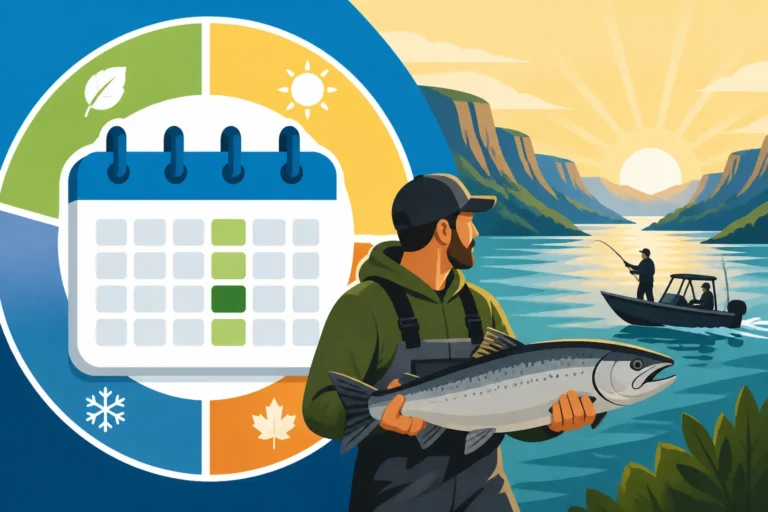
Washington's fishing seasons are complex and highly regulated, with specific times of year offering prime opportunities for different species. This seasonality directly impacts charter pricing. During peak seasons for popular species like Chinook (King) salmon, Coho (Silver) salmon, or halibut, demand for charters skyrockets. When everyone wants to be on the water, prices naturally tend to be higher. For instance, the summer months in Puget Sound are often bustling with salmon activity, making charters more expensive.
Conversely, during off-peak seasons or shoulder months, when fishing might be slower or focused on less popular species, you might find more competitive pricing. Always remember that Washington Sport Fishing Seasons and Emergency Closures can change quickly, so it’s essential to check the latest rules before planning. Booking your trip well in advance, especially during prime fishing windows, is always a good idea to secure your spot and potentially avoid last-minute price surges.
Here's a quick overview of how these factors generally influence half-day charter costs:
| Factor | Lower Cost Tendencies | Higher Cost Tendencies |
|---|---|---|
| Target Species | More common bottomfish, resident trout in lakes | Salmon (especially Chinook), Halibut, highly sought-after species |
| Location | Less-trafficked local lakes, smaller river systems | Major Puget Sound marine areas, coastal ports (Westport, Ilwaco) |
| Vessel Type | Smaller open boats, less amenities | Larger cabin cruisers, newer vessels, more amenities |
| Guide Experience | Newer guides, less established operations | Highly experienced, reputable guides with strong track records |
| Season & Demand | Off-season, weekdays, colder months | Peak season (summer salmon, halibut), weekends, holidays |
Understanding the Price Structure: Per Person vs. Flat Rate
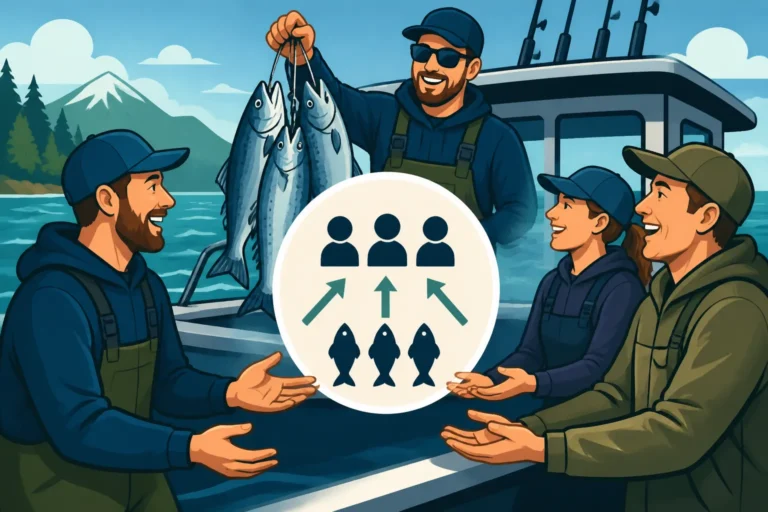
When you start researching half-day charters in Washington, you'll quickly notice that pricing isn't always presented in the same way. Charters typically offer two main payment structures: per-person pricing or a flat rate for the entire boat. Each has its advantages and disadvantages, depending on the size of your fishing party and your preferences.
Per-Person Pricing
Many half-day charters, especially those that cater to a broader range of anglers, operate on a per-person pricing model. This means you pay a set amount for each individual joining the trip. For example, a charter might advertise a rate per person, often with a minimum number of anglers required to make the trip viable, or a maximum number of passengers the boat can legally carry.
This structure is often ideal for solo anglers, pairs, or small groups who don't want to shoulder the entire cost of the boat themselves. You'll be joining a "shared charter" with other individuals or small groups, potentially making new fishing buddies in the process. The main pro here is affordability per individual. The con, however, is that you might be sharing the boat with strangers, and the group dynamic or fishing preferences might not perfectly align with yours. Also, the guide might split their attention among more anglers. It's a great way to experience guided fishing without the full financial commitment.
Flat-Rate for the Boat
On the other hand, some charters, particularly those offering more personalized experiences, will quote a flat rate for the entire boat. This means you're booking the vessel and the guide exclusively for your party, up to the boat's legal capacity. So, whether there are two of you or six (the typical maximum for a "six-pack" charter boat), the price remains the same.
This option is fantastic for private groups, families, or corporate outings where you want exclusive access to the boat and the guide's attention. The main benefit is privacy and the ability to tailor the trip more closely to your group's interests. You might have more say in the target species (within reason and regulation), the specific spots fished, or even the pacing of the day. The downside is that for smaller groups (e.g., just two people), the per-person cost can be significantly higher than a shared trip. However, for a group of four or more, a flat-rate boat can often become quite competitive in terms of individual cost, sometimes even offering better value than individual tickets on a shared charter.
Additional Costs to Budget For
While the base charter cost covers a lot, it’s crucial to remember that there are almost always additional expenses you’ll want to budget for to avoid any surprises. These can significantly add to your overall outlay.
- Fishing Licenses and Endorsements: Every angler, regardless of whether they're on a charter or not, needs a valid Washington fishing license. Depending on what you're targeting (salmon, steelhead, etc.) and where you're fishing (e.g., the Columbia River), you might also need specific endorsements. These are never included in the charter fee. You’ll need to purchase these separately before your trip. Do You Need a License Before a Washington Charter Trip? is a helpful resource.
- Bait Upgrades/Specialty Tackle: While basic bait and tackle are included, some anglers might want specific live bait, premium lures, or specialized rigs not typically covered. Discuss this with your guide beforehand.
- Fish Processing: After a successful trip, you'll need to decide what to do with your catch. Many charters will clean and bag your fish for transport, but some might charge a small fee for this service. If you want your fish filleted, vacuum-sealed, or smoked, you'll likely need to arrange this with a local processor, which will be an additional cost.
- Tips for the Crew: Tipping your guide and deckhand (if applicable) is customary and highly encouraged in the charter fishing industry, much like tipping in a restaurant. A typical tip ranges from 15-20% of the charter cost, depending on the service and success of the trip. This is a significant expense to factor in. You can find more details in Tipping Etiquette for Washington Fishing Guides.
- Food and Drink: While some charters provide water and light snacks, it's always a good idea to bring your own drinks, sandwiches, and snacks to keep your energy up during the trip.
- Transportation and Accommodation: Don't forget the costs associated with getting to the marina and potentially staying overnight if you're traveling from out of town.
How Half-Day Costs Compare to Full-Day Trips
It might seem logical to assume that a half-day charter would simply be half the cost of a full-day trip. However, in reality, this is rarely the case. There's a particular economic dynamic at play in the charter business that often makes the per-hour cost of a half-day trip disproportionately higher than its full-day counterpart.
The "Value" Proposition
When a charter boat leaves the dock, many of its operational costs are fixed, regardless of whether it's out for four hours or eight. Think about it: the boat still needs to be fueled up, the engine started, the lines cast off, and the captain and crew are still committing a significant portion of their day. There's also the administrative overhead, maintenance, and insurance that are spread across all trips.
Because of these fixed costs, a half-day trip often represents about 60-75% of the cost of a full-day trip, rather than a straight 50%. So, while the absolute dollar amount for a half-day trip will always be less than a full-day trip, the per-hour cost is generally higher. This isn't a trick; it's just the reality of operating a vessel and providing a guided service. Anglers often find that for just a bit more money, they can get twice the time on the water, which can feel like a better value. You can further explore this comparison in Half-Day vs Full-Day Salmon Charters.
When to Splurge for a Full Day
Despite the higher per-hour cost, half-day trips are still an excellent option for many. But there are definitely times when stretching your budget for a full-day excursion makes more practical sense.
One major consideration is travel time to the fishing grounds. If your target species, like certain offshore halibut populations or specific salmon runs, requires an hour or more to reach the prime fishing spots, a half-day trip will leave you with very little actual fishing time. A full day ensures you maximize your time where the fish are.
Secondly, for less experienced anglers who might need more time to get comfortable with the techniques, or for groups where everyone wants ample opportunity to catch fish, a full day provides that extra window. It allows for more experimentation, more chances, and less pressure to perform quickly. Finally, if your goal is to have a truly immersive experience, explore more of Washington's stunning waterways, and perhaps target multiple species if regulations allow, a full day simply offers more opportunities and a more relaxed pace. For a complete picture of guided trip costs, refer to What a Washington Guided Fishing Trip Costs.
Finding and Booking Your Half-Day Charter
So, you've decided a half-day charter is the right call for your Washington fishing adventure. Now comes the exciting part: finding and booking your trip! While it might seem daunting with so many options, a little research and a clear understanding of what to look for will help you secure a great experience.
Researching Reputable Operators
The first step is to seek out reputable operators. Word-of-mouth recommendations are golden, so ask around if you know anyone who's fished in Washington recently. Online reviews on platforms like Google, Yelp, or dedicated fishing forums can also provide valuable insights into a guide's professionalism, the quality of their gear, and their success rates. Look for consistency in positive feedback regarding safety, communication, and overall experience.
Once you have a few potential operators in mind, don't hesitate to call them directly. This is your chance to ask crucial questions:
- What's their standard half-day duration?
- What species are they targeting during your desired dates?
- What is their cancellation policy, especially for weather?
- What's their policy on keeping fish and any cleaning services?
- Most importantly, what is their exact pricing for a half-day trip for your group size?
Open communication upfront helps set clear expectations and ensures there are no surprises on the day of your trip. Don't forget to ask about what you should bring, such as appropriate clothing or any specific items like a cooler for your catch. What to Bring on a Washington Fishing Charter offers a comprehensive packing list.
Using Online Platforms
In today's digital age, online booking platforms have made it easier than ever to find and compare fishing charters. A great example of such a platform is FishingBooker, which lists numerous Washington charters and allows you to filter by location, trip duration (including half-day options), target species, and even boat type. These platforms often feature detailed profiles for each captain, complete with photos, customer reviews, and transparent pricing.
Using platforms like FishingBooker can be incredibly convenient because you can often see availability in real-time and book instantly. They also provide a centralized place to compare different operators side-by-side, making your research much more efficient. Just remember that while these platforms are convenient, a quick follow-up call to the captain to confirm specific details and ask any lingering questions is always a good practice. Many guides appreciate direct communication.
What to Confirm Before Booking
Before you finalize that booking, take a moment to double-check a few critical details. This will help prevent any misunderstandings and ensure your half-day charter goes smoothly.
- Inclusions and Exclusions: Get a clear list of what is covered in the price (e.g., tackle, bait, basic fish cleaning) and what is not (e.g., license, tip, specialized bait).
- Cancellation Policy: Understand the guide's policy regarding cancellations due to weather, mechanical issues, or if you need to reschedule. Cancellation Policies for Washington Charters can provide general information, but always confirm with your specific operator.
- Meeting Point and Time: Confirm the exact marina or dock where you'll meet, and the precise departure time. Punctuality is key for charter trips.
- Legal Requirements: Ensure you understand your responsibilities regarding licenses, endorsements, and catch limits. While your guide is an expert, ultimately, you are responsible for fishing legally. Always review Washington Fishing Regulations Every Angler Should Know before your trip.
By taking these steps, you'll be well-prepared to book a fantastic half-day fishing charter in Washington, ready to enjoy the thrill of the catch without the hassle of planning every detail yourself.
Disclaimer
This article is for general informational purposes only and does not constitute professional advice. Laws, prices and regulations vary by location and change over time. Consult a qualified professional for guidance on your specific situation.