How Far Offshore an Albacore Charter Goes
One of the biggest head-scratchers for anglers dreaming of landing an Albacore tuna off the Washington coast is just how far out into the Pacific Ocean these elusive fish roam. It’s not like trolling for salmon in Puget Sound where you can often see land; offshore Albacore fishing is a whole different ballgame that demands a sturdy boat, keen navigation, and a deep understanding of marine conditions. This guide will help demystify those long-distance ventures, explaining why these powerful fish are found so far from shore and what that means for your charter experience.
The Lure of the Open Ocean: Why Albacore Go So Far Out
Albacore tuna are true pelagic fish, meaning they live in the open ocean, far from coastal waters. They’re constantly on the move, driven by their search for food and optimal water temperatures. Unlike salmon that return to rivers or bottomfish that cling to rocky reefs, Albacore are creatures of the vast, blue expanse, and understanding their habitat is key to comprehending the distances involved in chasing them.
Tracking the Warm Water Currents
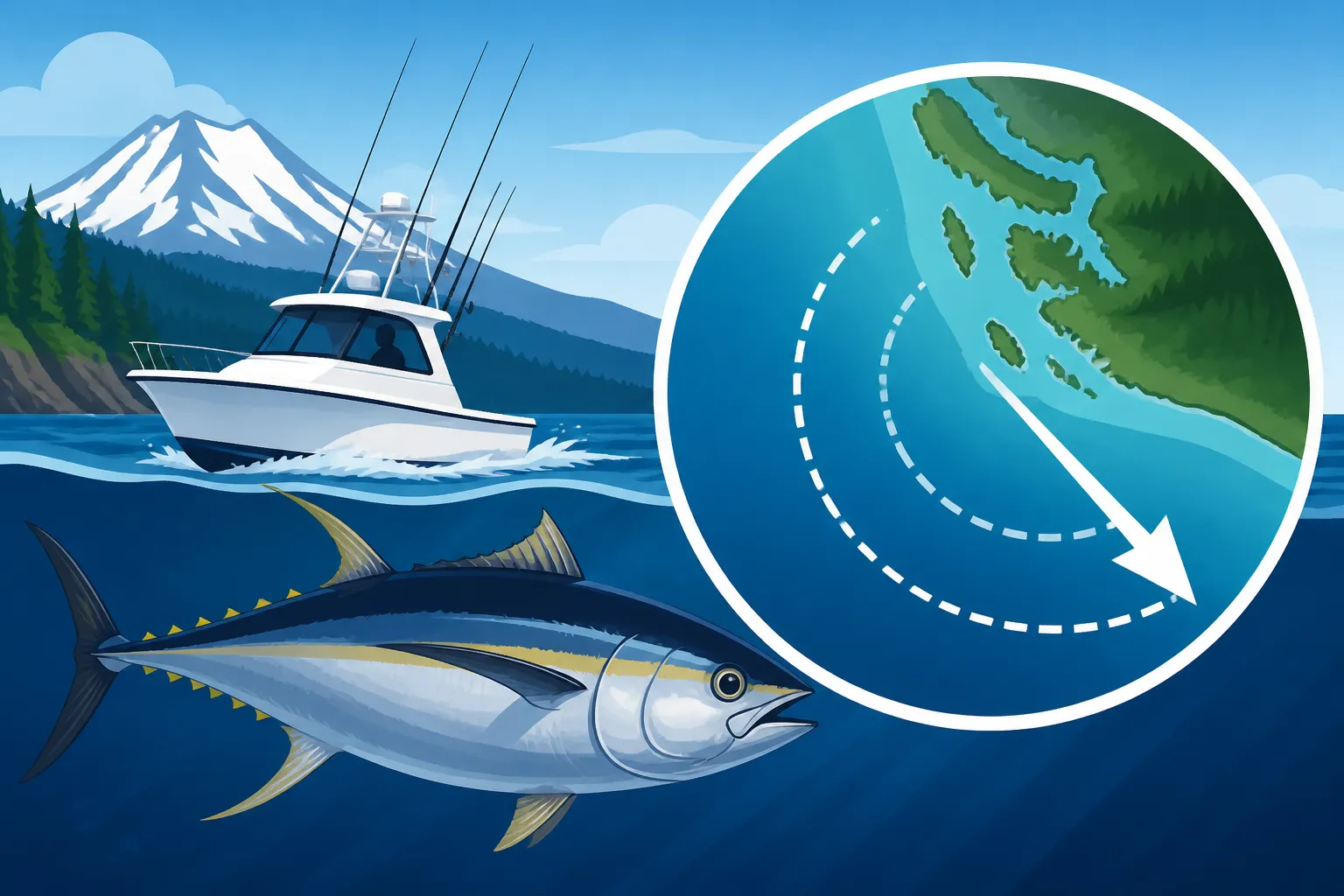
The primary driver for Albacore tuna migration and location is water temperature. These fish thrive in warmer waters, typically between 58 and 72 degrees Fahrenheit (14-22 Celsius). The waters directly off the Washington coast are often cooler, especially with upwelling phenomena that bring nutrient-rich, colder water to the surface closer to shore. To find the consistent warm water they prefer, Albacore often follow oceanic currents that push warmer water northward along the coast. These currents, sometimes referred to as the "blue water" or "tuna grounds," are usually found many miles offshore.
Think of it like this: imagine trying to find a warm, sunny spot on a chilly day. You'd keep moving until you found that perfect patch of sunlight. Albacore do the same, but on a grander, oceanic scale. They're not just looking for "warm"; they're looking for that optimal band of warmth that holds the most promising food sources. This often means running well past the continental shelf, into true deep-sea territory where the ocean floor drops off dramatically.
Forage and Food Chains in the Deep Blue
Albacore tuna are voracious predators, and their diet consists primarily of small schooling baitfish like anchovies, sardines, and squid. These baitfish, in turn, are attracted to nutrient-rich waters that support the plankton they feed on. While coastal areas have nutrients, the vast open ocean has its own ecosystems, with thermal breaks, current lines, and upwellings creating convergences where food concentrates.
When you're far offshore, you're not just looking for tuna; you're looking for signs of a thriving ecosystem. That might mean spotting diving birds, which are often feeding on the same baitfish that tuna are pursuing from below. It could mean finding bait balls on the sonar, or even seeing other marine life like dolphins or whales, which are also indicators of a healthy food chain. The tuna are out there because their dinner is out there, and their dinner is out there because that's where the oceanic conditions are just right for their survival. It’s a complex, beautiful dance of marine life, and it typically unfolds far from the sight of land.
Typical Distances for Washington Albacore Charters
So, just how far is "far" when we're talking about Washington Albacore charters? It's not a simple, fixed number. The distance can vary significantly day by day, and even hour by hour, depending on a host of environmental factors. However, we can give you a realistic expectation of the distances involved and what influences them.
Understanding "Offshore" in the Washington Context
For Albacore tuna in Washington, "offshore" generally means anywhere from 20 to 60 miles from the nearest coastal port. Ports like Westport, Ilwaco, and sometimes even Neah Bay serve as launch points for these adventures. On an average day, captains might run 30-40 miles to find the tuna. On other days, especially if the warm water eddies are pushed further out or closer in, that distance could be shorter or longer. It's not uncommon for a charter to run 50 or even 60 miles offshore to hit the "tuna grounds" if that's where the fish are holding.
It’s crucial to understand that these aren't calm, lake-like conditions. You're heading into the Pacific Ocean, where swells and ocean currents are constant companions. The boat you're on needs to be capable of handling these conditions safely and efficiently. You won't find Albacore charters running out of small skiffs; these are typically larger, ocean-rated vessels designed for offshore travel and fishing.
Factors Influencing a Day's Run
Several dynamic factors dictate how far a charter boat will travel on any given day:
- Water Temperature Breaks: As discussed, this is paramount. Captains use satellite imagery (often downloaded before leaving port) and real-time reports from other boats to locate areas where warm water meets cooler water. These "breaks" are often where baitfish concentrate. If the desired temperature break is far out, the run will be long.
- Currents and Eddies: Ocean currents can create eddies—circular movements of water—that concentrate baitfish and, consequently, tuna. Finding these specific features can involve a longer journey to a precise GPS coordinate.
- Fuel Consumption: Distance directly relates to fuel. Charter captains balance the need to find fish with the practicalities of fuel capacity and cost. They're not going to run 100 miles offshore if there's a good bite at 40 miles.
- Sea Conditions: A captain might opt for a slightly shorter run if the seas are particularly rough, prioritizing passenger comfort and safety, even if it means potentially slightly less productive fishing.
- Reports from the Fleet: "Tuna talk" among captains is vital. If boats are finding fish at a certain distance and bearing, other captains will head in that direction. This real-time information can guide a captain to adjust their initial planned course and distance.
This table illustrates some hypothetical scenarios for typical Albacore distances from Westport, Washington:
| Scenario | Typical Distance Offshore | Estimated One-Way Travel Time (at 20-25 knots) | Notes |
|---|---|---|---|
| Close Bite | 20-25 miles | 1 hour | Occurs when warm water pushes closer to shore. Less common but highly sought after. |
| Average Day | 30-45 miles | 1.5 – 2 hours | Most common scenario. Captains target known temperature breaks and feeding zones. |
| Far Run | 50-60+ miles | 2.5 – 3 hours (or more) | Necessary when warm water is pushed far offshore. Demands a full-day commitment and more fuel. |
| Scouting/Exploration | Variable, often 40-70 miles | 2-3.5+ hours | Some captains will run extra miles to explore new water if current areas are slow. |
These distances and times emphasize that an Albacore trip is a serious commitment, often involving several hours of travel each way before you even drop a line.
What to Expect on an Offshore Albacore Trip
Knowing the distances is one thing; understanding the experience of covering those distances is another. An offshore Albacore trip is unlike any other fishing adventure in Washington, offering a truly wild and exhilarating experience for those prepared for it.
The Journey Out: Time and Conditions
Be prepared for an early start. Albacore charters often depart well before dawn to maximize fishing time when they reach the grounds. The run out to the fishing grounds can take anywhere from 1.5 to over 3 hours, depending on the factors we just discussed. This isn't a leisure cruise. The captain is actively navigating, monitoring conditions, and heading for productive water.
During the journey, the boat will be moving at speed, often 20-25 knots. This means the ride can be bumpy, especially if there's any ocean swell or chop. It's not uncommon for folks to experience seasickness, even those who don't usually get it. This is why many charters recommend taking preventative measures like motion sickness medication the night before and again in the morning. Being mentally and physically prepared for a potentially long, active boat ride is crucial. You'll want to layer up, even on a sunny day, because the ocean air can be chilly, and the wind chill at speed is no joke. What to Wear on a Washington Puget Sound Charter is a great resource, but for offshore tuna, think even more rugged.
The Fishing Experience Far From Shore
Once on the tuna grounds, the fishing itself is often fast-paced and action-packed. Albacore are known for their aggressive strikes and powerful fights. Charters typically troll multiple lines, often using cedar plugs, feathers, or tuna jigs, until a "jig strike" indicates fish are in the area. Once a fish is hooked, it's common for the boat to stop, and anglers switch to casting live bait or jigs, sometimes resulting in a "boat limit" where multiple fish are hooked simultaneously.
The sheer remoteness adds to the allure. You’re often out of sight of land, with nothing but the vast Pacific stretching in every direction. It’s an immersive experience that really connects you to the wildness of the ocean. You might spot marine mammals, various seabirds, and truly feel like you're on an expedition. The captain and crew will be working tirelessly, spotting fish, setting lines, and helping you land your catch. They are experts at How to Fish for Albacore Tuna Off Westport and will guide you through the process.
Preparation for Deep-Sea Adventure
Given the distances and conditions, preparation is paramount.
- Licensing: Ensure you have the correct Washington fishing license. While the charter provides the boat and gear, your personal license is your responsibility.
- Food and Drink: Pack plenty of snacks, lunch, and non-alcoholic beverages. Hydration is key, especially during a long day on the water.
- Warm Clothes and Rain Gear: Even on a sunny forecast, the ocean can be unpredictable. Layers are essential, including a waterproof outer shell.
- Sun Protection: Sunglasses, a wide-brimmed hat, and high SPF sunscreen are non-negotiables. The sun's reflection off the water can be intense.
- Cooler for Your Catch: While some charters provide a fish box, it's wise to bring a cooler with ice to transport your fillets home. Most charters will clean your fish for you, but confirm this beforehand.
- Motion Sickness Medication: If you're prone to seasickness, or even if you're not sure, take preventative medication as directed. It’s far better to be safe than sorry. For more on this, check out Is Seasickness Common on Washington Ocean Charters?.
Choosing the Right Albacore Charter for the Distance
Selecting the right charter for an Albacore trip is critical, especially when considering the significant distances involved. Not all boats or captains are equally equipped or experienced for these long offshore runs.
Boat Size and Capability
When looking for an Albacore charter, pay close attention to the size and type of boat. You want a vessel that is clearly built for offshore conditions.
- Larger vessels (28-40+ feet): These boats generally offer a more stable ride in choppy conditions, have larger fuel tanks for extended runs, and often provide more amenities like a heated cabin and a marine head (toilet). They are designed to cover significant distances safely and comfortably.
- Fuel Capacity: A captain who plans to run 50-60 miles out needs a boat with ample fuel capacity to get there, fish all day, and get back, with a safety reserve. Don't be shy about asking about the boat's offshore capabilities.
Reputable charter operations, often found through platforms like FishingBooker, will clearly list their vessel's specifications and capabilities. When you're browsing, keep an eye out for descriptions that emphasize "offshore," "ocean-rated," or "deep-sea" characteristics. This indicates they're accustomed to these longer journeys.
Communication with Your Captain
Open and honest communication with your potential captain is absolutely vital before booking an Albacore trip. They are the experts on Washington Fishing Seasons: A Month-by-Month Guide and daily conditions.
- Ask about typical distances: Inquire about the average distance they've been running to find fish during the current season. This will give you a realistic expectation of travel time.
- Discuss sea conditions: Ask how they assess and manage sea conditions for long runs. A good captain will prioritize safety and comfort, and won't push a long trip into dangerous weather.
- Understand the schedule: Confirm the departure time and estimated return, as these are longer days than typical inshore trips.
- Inquire about specific species targets: While the goal is Albacore, sometimes other pelagic species are encountered. Clarify the primary target.
- Ask about their contingency plans: What happens if the fish aren't where they're expected to be? What if weather moves in? A well-prepared captain will have answers.
Platforms like FishingBooker allow you to message captains directly, which is a fantastic way to get these questions answered before committing. Remember, a long offshore trip means you'll be spending a significant amount of time on the water, so choosing a captain and boat you feel comfortable with is paramount. Check out How to Book a Fishing Charter in Washington and Questions to Ask a Washington Guide Before Booking for more guidance on this process. Understanding Time of Year Albacore Season Runs in Washington will also help you plan for optimal conditions.
What about "Running and Gunning"?
"Running and gunning" is a common strategy for Albacore fishing. This involves trolling until a fish is hooked, then stopping the boat to allow anglers to cast into the school. If the school moves off, the boat "runs" to locate them again, and then "guns" it to get back on top of them. This strategy can involve many short, fast moves over the course of the day, adding to the overall "active" nature of the trip, beyond just the initial long run out to the grounds. Charters use specialized gear for How Many Rods Each Angler Can Use on a Charter when trolling, often employing multiple lines with outriggers. This dynamic approach means the captain is always working to keep you on the fish, making the most of those distant tuna grounds.
Internal Links
- Washington Fishing Seasons: A Month-by-Month Guide
- Albacore Tuna Off the Washington Coast
- How to Fish for Albacore Tuna Off Westport
- Time of Year Albacore Season Runs in Washington
- What to Bring on a Washington Fishing Charter
- Is Seasickness Common on Washington Ocean Charters?
- Best Charter Port for Albacore Tuna
- Booking a Charter for Albacore Tuna
- How Many Rods Each Angler Can Use on a Charter
- What to Check Before a Washington Halibut Trip Offshore
- How to Book a Fishing Charter in Washington
- Questions to Ask a Washington Guide Before Booking
Disclaimer
This article is for general informational purposes only and does not constitute professional advice. Laws, prices and regulations vary by location and change over time. Consult a qualified professional for guidance on your specific situation.