Does Everyone on a Charter Need Their Own License?
It’s a common question, and honestly, a source of major confusion for many folks planning a fishing trip, especially if they’re jumping on a charter boat. You’ve booked your adventure, the captain is ready, the gear is set, but then that nagging thought pops up: "Does everyone on this boat really need their own fishing license?" It’s a perfectly valid concern, and the short answer, with very few exceptions, is absolutely yes. This guide is here to clear up that confusion, explaining exactly why everyone needs a license, what type, and how to make sure you’re good to go before your next Washington fishing excursion.
The Universal Rule: Individual Responsibility for Licenses
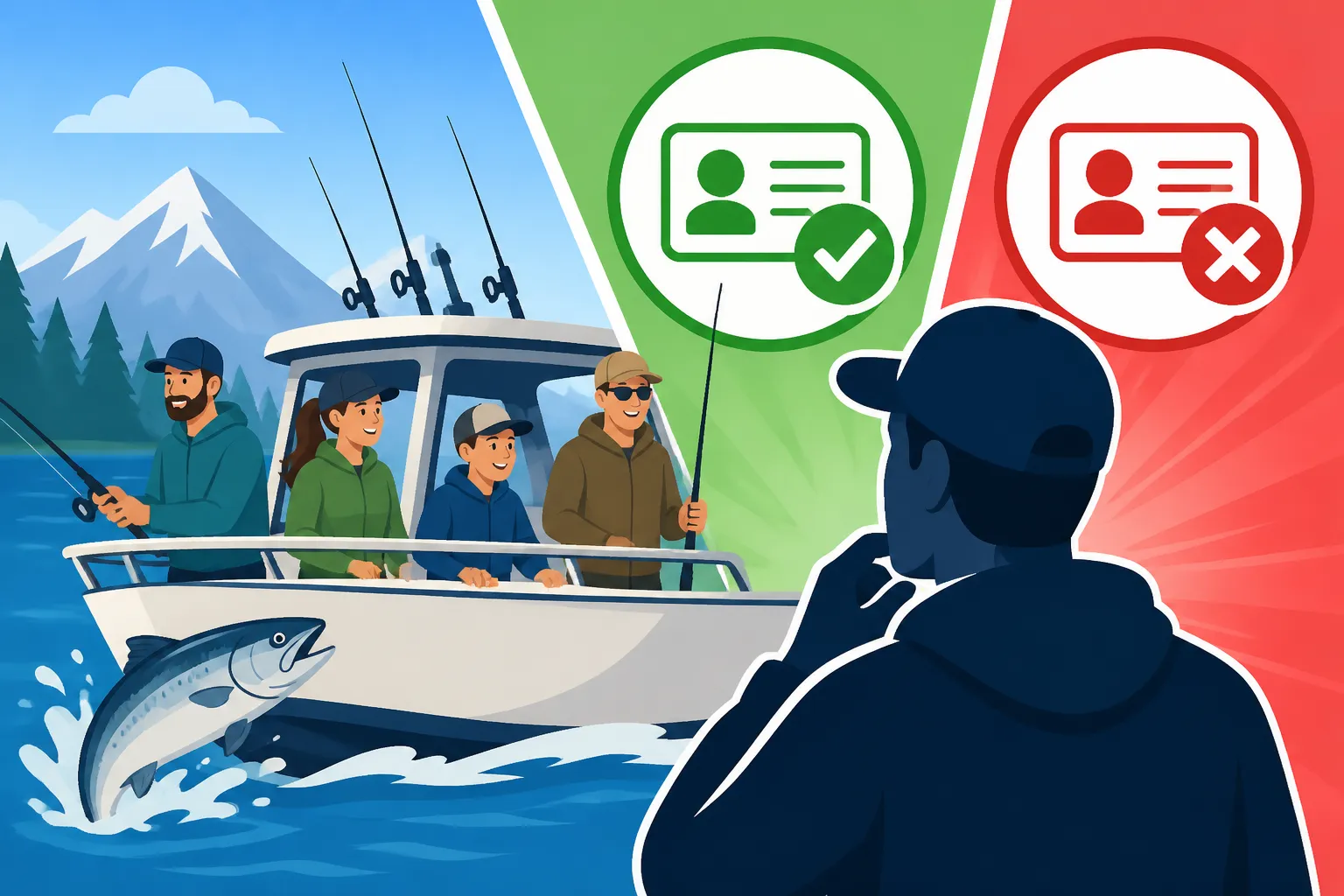
When you step aboard a Washington fishing charter, whether it's for salmon in Puget Sound, halibut off Westport, or steelhead on the Columbia River, you're embarking on a fantastic experience. However, it's crucial to understand that even though you're paying a professional guide, your individual responsibility for complying with state fishing regulations doesn't disappear. The charter captain or guide is there to put you on fish, ensure your safety, and often provide the gear and expertise. They are not typically responsible for providing or verifying your personal fishing license. That's on you, the angler, every single time.
Think of it like driving a rental car: the rental company provides the vehicle, but you still need your own valid driver's license to operate it legally. Fishing is no different. Each person actively participating in fishing, regardless of age (with specific minor exceptions), residency status, or whether they plan to keep a fish or go catch-and-release, must possess a valid Washington fishing license. This rule is fundamental to how Washington State manages its fisheries, funds conservation efforts, and ensures fair access for all. It’s also about accountability – if a violation occurs, the individual angler is usually held responsible, not just the charter operator.
Who Needs a License on a Washington Fishing Charter?
Let's break down the different scenarios and who exactly needs what type of license when fishing with a charter in Washington. The rules can feel a bit like navigating a maze, but understanding the basics will save you a lot of headache.
Adults: Residents and Nonresidents
For anyone 15 years or older, regardless of whether they live in Washington or are visiting, a fishing license is mandatory. This is the most straightforward part of the rule. If you're an adult and you're going fishing, you need a license.
- Washington Residents: If you live here, you'll purchase a resident license. Washington offers a variety of options, from annual freshwater, saltwater, or combination licenses to short-term options if you're only planning a few trips. Many experienced anglers opt for the annual combination license, which covers both fresh and saltwater and offers the best value for frequent fishing. You can learn more about the differences in Resident vs Nonresident Fishing Licenses in Washington to ensure you're getting the right one.
- Nonresidents: Visiting Washington for a fishing adventure? Welcome! You'll need a nonresident license. These are typically a bit more expensive than resident licenses, reflecting that you haven't contributed to the state's tax base that supports fisheries in the same way residents do. Nonresidents also have options for annual or short-term licenses. For a weekend charter trip, a 3-day or even a 1-day nonresident license might be the most economical choice. Just make sure it covers the specific waters (freshwater, saltwater, or both) you'll be fishing on your charter. A comprehensive guide like Washington Fishing License Guide for Nonresidents can help you navigate these choices.
It's important to remember that residency status isn't just about where you currently live; there are specific criteria defined by the Washington Department of Fish and Wildlife (WDFW). Don't try to bend the rules; fishing without the correct license type is a violation.
Kids and Minors: Age-Specific Exemptions
This is where some of the common misconceptions arise. Many assume kids don't need a license, but in Washington, there's a specific age cut-off.
- Children Under 15: Good news for the little ones! Children under the age of 15 do not need a fishing license to fish in Washington state waters, including on a charter boat. This is fantastic for introducing young anglers to the sport without the added cost and paperwork. Many charter operations are very family-friendly and love having kids aboard, making it easy to share the joy of fishing.
- Youth Aged 15-17: Here's the catch: once a child turns 15, they are legally required to possess their own valid fishing license, just like an adult. WDFW offers special youth licenses that are often significantly cheaper than adult licenses, encouraging young people to continue fishing. This applies whether they are a resident or a nonresident. So, if you're planning a trip with a teenager, make sure they're properly licensed. You can find more details in Do Kids Need a Fishing License in Washington? to ensure your young angler is covered.
Even if a child under 15 doesn't need a license, if they are fishing for species that require a Catch Record Card (like salmon, steelhead, sturgeon, or halibut), they do need their own Catch Record Card. We'll dive into those in a moment.
Seniors and Disabled Veterans: Special Considerations
Washington State offers some well-deserved breaks for certain demographics, acknowledging their contributions and encouraging continued participation in outdoor activities.
- Seniors: Washington residents who are 70 years of age or older can purchase a reduced-fee senior fishing license. This is a significant discount compared to a regular adult license, making it more accessible for seasoned anglers. However, it's not free. Just like younger adults, seniors still need a license, but they get a much better rate. For all the specifics, check out Do Seniors Need a License to Fish in Washington?
- Disabled Veterans: Eligible disabled veterans who are Washington residents may qualify for a free annual fishing license. This is a wonderful program to honor their service. Specific documentation and application processes are required to prove eligibility. It’s important to apply for this well in advance of your trip.
It's crucial that if you fall into one of these categories, you apply for and secure your specific discounted or free license beforehand. Don't assume the charter operator can sort it out on the day of your trip.
Beyond the Basic License: Endorsements and Catch Record Cards
Getting your basic fishing license is just the first step. Depending on what you're targeting and where you're fishing, Washington often requires additional endorsements and a Catch Record Card. These apply to everyone on the boat, licensed or not (for Catch Record Cards with minors).
Catch Record Cards: Essential for Key Species
If your charter is targeting salmon, steelhead, sturgeon, or halibut—which let's be honest, are often the big draw for Washington charters—then everyone who is fishing for those species, regardless of age, needs a Catch Record Card.
- Why they're important: These cards are vital data collection tools for WDFW. They help biologists monitor catch rates, understand fishing pressure, and make informed decisions about seasons and bag limits to ensure sustainable fisheries.
- How they work: When you keep a salmon, steelhead, sturgeon, or halibut, you must immediately record it on your Catch Record Card. Failure to do so is a common violation that can result in fines. Your charter captain will typically remind you and can even help you fill it out correctly, but the responsibility to have it and complete it falls on the individual angler.
- For Kids Under 15: This is a key point of clarification. While children under 15 don't need a fishing license, if they are fishing for and retaining salmon, steelhead, sturgeon, or halibut, they do need their own Catch Record Card. Make sure to get one for them alongside your own license. A helpful resource is When a Catch Record Card Is Required in Washington.
- Returning the Card: After the season, you are required to return your Catch Record Card to WDFW, even if you didn't catch anything. This data is critical for managing fish populations. Many anglers forget this step, so set a reminder!
Columbia River Salmon and Steelhead Endorsement
If your charter is fishing for salmon or steelhead on the mainstem Columbia River, or in tributaries that are part of the Columbia River salmon and steelhead management, you will need a separate Columbia River Salmon and Steelhead Endorsement in addition to your basic fishing license.
- Targeting Specific Waters: This endorsement is critical for popular fisheries like the famed Buoy 10 fishery at the mouth of the Columbia or upriver hot spots. Many charters operating in these areas will explicitly tell you this is required.
- Conservation Funding: The funds from this endorsement specifically go towards managing and enhancing salmon and steelhead populations in the Columbia River system, a huge and complex undertaking.
- Who Needs It: Again, this applies to every angler 15 years or older who is fishing for salmon or steelhead in these waters. It's not optional. Get all the details on Who Needs Washington's Columbia River Salmon and Steelhead Endorsement to be absolutely certain.
Two-Pole Endorsement: Mostly for Individual Anglers
While technically an endorsement, the Two-Pole Endorsement is less commonly needed or utilized on most guided charter trips.
- Purpose: This endorsement allows an angler to use two fishing rods simultaneously.
- Charter Reality: On a charter, the captain and deckhands are often managing multiple lines, and space can be at a premium. Most guides will have a specific number of rods rigged and deployed, and using an extra pole might not be practical or even allowed within the charter's operational procedures. Always check with your specific charter beforehand if you intend to use a two-pole endorsement, as they may have their own policies or preferences based on the fishing method and vessel size. If you're planning a trip where you might fish with two poles, whether on a charter or on your own, it's worth understanding Washington's Two-Pole Endorsement and Who Needs One.
The Consequences of Fishing Without a License
It might seem like a minor oversight, but fishing without the proper license, endorsement, or a completed Catch Record Card is a serious violation in Washington State. Wildlife enforcement officers (game wardens) are out on the water, and they frequently check anglers, including those on charter boats.
- Fines and Penalties: The most immediate consequence is a fine. These can range from moderate to substantial, especially for repeat offenses or particularly egregious violations like retaining illegal fish. Beyond the fine, you could also face court appearances, confiscation of your catch, and even loss of your fishing privileges. You can read more about Fines and Penalties for Common Fishing Violations to understand the potential repercussions.
- Embarrassment and Delays: Imagine being on a dream fishing trip, only for a game warden to pull up and discover you're not licensed. The trip would be interrupted, you'd be cited, and it would be a rather embarrassing moment for everyone onboard. Nobody wants that.
- Impact on Conservation: Beyond the legal ramifications, remember that license fees directly fund WDFW's efforts to manage fisheries, restore habitats, conduct research, and enforce regulations. Fishing without a license undermines these critical conservation efforts that ensure healthy fish populations for future generations.
How to Secure Your License Before Your Charter Trip
The good news is that getting your Washington fishing license is relatively easy and convenient. You have several options to choose from:
- Online: The quickest and often preferred method is to purchase your license online through the WDFW website. You can do this from the comfort of your home, print it out immediately, or save it to your phone. Most people find this the most straightforward way. Find out more about Can You Buy a Washington Fishing License Online?
- License Vendors: You can also purchase licenses in person at various authorized license vendors across the state. These often include sporting goods stores like those found in larger cities or even smaller mom-and-pop shops in fishing towns. They can help you select the right license and endorsements. Sometimes, it's nice to chat with someone and confirm you're getting the correct package.
- MyWDFW App: Washington also has a convenient Does Washington Have a Mobile Fishing License App? for both iOS and Android. Once you've purchased your license online, you can often access and display it digitally through the app. This is a super handy way to carry your license without worrying about paper copies getting wet or lost. Just remember to have your phone charged!
Important Tips for Purchase:
- Buy in Advance: Don't wait until the morning of your charter trip. Things can go wrong with internet connections, printer issues, or store hours. Get your license a few days or even weeks before your trip to avoid any last-minute stress.
- Know Your Residency: Have your current address and any necessary identification ready. Nonresidents will need proof of out-of-state residency.
- Identify Your Target Species and Location: Confirm with your charter captain exactly what species you'll be targeting and in what waters. This will help you choose the correct freshwater, saltwater, or combination license, and any necessary endorsements like the Columbia River one.
- Carry It With You: Once you have your license, make sure it's accessible during your trip. Whether it's a laminated paper copy, a screenshot on your phone, or displayed through the MyWDFW app, you need to be able to show it to an enforcement officer upon request. Learn about the options in Carrying Your Washington Fishing License: Paper, Phone or the MyWDFW App.
What a Charter Provides vs. What You Need to Bring
While your license is your responsibility, charter operations typically handle much of the other gear. Understanding what's provided helps you pack appropriately.
What Charters Typically Provide:
- Rods and Reels: Most charters provide high-quality fishing rods and reels appropriate for the target species and fishing method. They are usually well-maintained and specifically chosen for the local fishery.
- Tackle and Bait: All necessary tackle, including lures, weights, leaders, and fresh bait (like herring, squid, or prawns depending on the target), is almost always included.
- Safety Gear: Life jackets, first-aid kits, and other safety equipment are standard on all licensed charter vessels.
- Expertise: The most valuable thing they provide is their knowledge of local waters, fish behavior, and effective techniques.
What You Need to Bring (Besides Your License):
- Appropriate Clothing: Dress in layers! Washington weather can change rapidly. Waterproof outerwear, including jackets and pants, is highly recommended, even on sunny days. You can find excellent options for rain gear and layering pieces on online retailers like Amazon.
- Food and Drinks: Pack snacks, lunch, and beverages. Most charters have coolers for your provisions, but confirm beforehand.
- Sun Protection: Sunglasses, a hat, and sunscreen are crucial, even on cloudy days, due to UV reflection off the water.
- Cooler for Your Catch: If you plan on keeping fish, bring a cooler to transport your fillets home. Most charters will clean and bag your catch for you, but they rarely provide the cooler for the ride home.
- Camera: To capture those memorable moments!
- Personal Medications: If you need specific medications, bring them.
- Seasickness Remedies: If you're prone to seasickness, bring your preferred remedy (e.g., Dramamine, patches) and take it before you board, especially for ocean charters out of places like Westport or Ilwaco.
By coming prepared with your valid license and endorsements, along with all your personal necessities, you'll be set for a smooth, enjoyable, and successful fishing adventure on any Washington charter.
Disclaimer
Please remember that fishing regulations, license requirements, and endorsement rules can change. While this guide provides comprehensive and up-to-date information as of its publication, it is always your responsibility to consult the official Washington Department of Fish and Wildlife (WDFW) regulations pamphlet or their website before heading out. Emergency rule changes can occur frequently, especially for salmon and steelhead.