The Two-Pole Endorsement in Washington, Explained
It can be incredibly frustrating when you're out on the water, seeing fish rise or marking them on your sonar, but feeling limited by only having one line in the water. Many anglers wish they could maximize their chances, especially when conditions are tough or bites are sporadic. This comprehensive guide is here to unravel all the ins and outs of Washington's Two-Pole Endorsement, explaining exactly when and where you can legally double your angling efforts.
What Exactly is the Two-Pole Endorsement?
The Washington Two-Pole Endorsement is essentially an add-on to your standard fishing license that grants you permission to actively fish with two separate fishing poles at the same time. Think of it as an upgrade for your fishing experience, allowing you to cover more water, present different bait or lure combinations, or target multiple species simultaneously. Without this endorsement, even if you have a second rigged rod sitting ready on the boat, having two lines in the water at the same moment is a clear violation of Washington's fishing regulations.
Many anglers find themselves wanting to use a second pole for a variety of reasons. Maybe you're trolling a deep-diving plug on one rod and a shallower spoon on another, hoping to intercept fish at different depths. Or perhaps you're bank fishing a local lake, with one rod out soaking bait for trout while you actively cast and retrieve a spinner on a second rod. The ability to deploy two lines can significantly increase your efficiency and, let's be honest, your excitement! However, this increased opportunity comes with a clear set of rules designed to ensure sustainable fishing practices and avoid undue pressure on fish stocks. It’s not a free pass to fish indiscriminately, but rather a regulated privilege that requires careful attention to the specific waterbody and species you're targeting.
Who Needs a Two-Pole Endorsement?
Simply put, anyone who wants to fish with two poles at the same time in Washington State needs a Two-Pole Endorsement. This isn't just for adults; if a youth angler is of an age that requires a primary fishing license and wishes to use two poles, they also need to purchase this endorsement. It's an additional privilege, not an inherent right of holding a basic license. So, if you're a seasoned angler, a casual weekend warrior, or introducing a younger generation to the joys of fishing, and the plan involves running two lines, that endorsement is a must-have.
There's a common misconception that certain license types or age groups are exempt, but when it comes to the two-pole rule, it's quite straightforward: two poles equals two-pole endorsement. Whether you're a resident or a nonresident, the requirement holds true. While there are distinct differences between Resident vs Nonresident Fishing Licenses in Washington, the two-pole endorsement is an equal-opportunity requirement. It’s critical to remember that this endorsement doesn't replace your primary fishing license; it merely enhances it. You'll still need the appropriate freshwater, saltwater, or combination license based on where you plan to fish.
How the Endorsement Works with Your Primary License
The Two-Pole Endorsement isn't a standalone license; it’s an add-on that gets attached to your existing annual or short-term fishing license. When you purchase your yearly freshwater, saltwater, or combination license, you'll have the option to include the two-pole endorsement at that time. It's generally a small additional fee on top of your main license cost. Think of it like adding an extra feature to your phone plan – it builds upon the basic service you already have.
If you decide later in the season that you want the flexibility of fishing with two poles, you can typically go back to a license vendor or the Washington Department of Fish and Wildlife (WDFW) online system and add the endorsement to your existing license. It will then be valid for the remainder of your primary license's term. For those considering a trip, understanding the various Washington's Annual, Short-Term and Combination License Options is key, as the two-pole endorsement will always couple with whichever primary license duration you choose. Whether you opt for an annual license for year-round flexibility or a three-day permit for a quick weekend getaway, the endorsement will align with that validity period.
Where Can You Use a Two-Pole Endorsement in Washington?
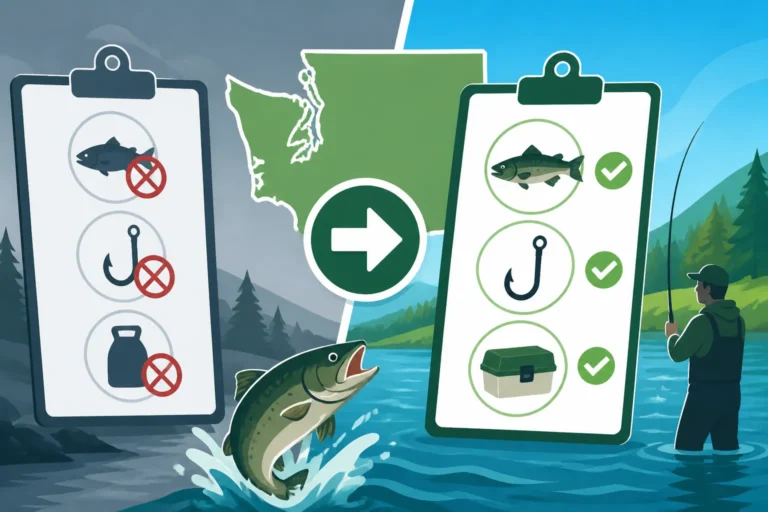
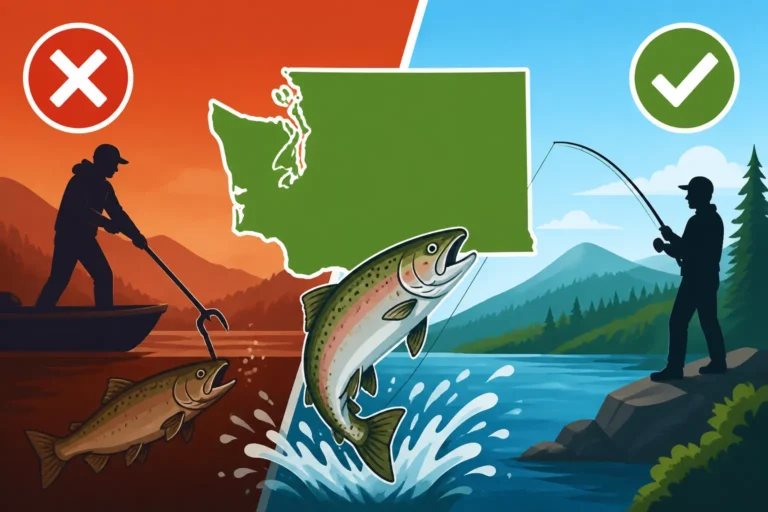
This is where understanding the rules becomes really important, as the two-pole endorsement isn't universally allowed across all Washington waters. While it's a fantastic tool for increasing your chances, the Washington Department of Fish and Wildlife (WDFW) has specific regulations about where and when it can be utilized. The goal is to balance angling opportunity with conservation, especially for sensitive species or in specific fisheries. Ignoring these restrictions can lead to hefty fines, so always, always check the current rules for your specific fishing location before deploying that second rod.
Generally, you'll find the two-pole endorsement is permissible in most lakes, ponds, and reservoirs throughout the state, particularly when targeting resident game fish like trout, kokanee, or bass. However, its use on rivers and marine waters is far more restricted and often species-specific. This differentiation is crucial because river and marine environments often host migratory fish like salmon and steelhead, which require more stringent management due to their life cycles and population dynamics.
Allowed Waters and Species
Many of Washington's fantastic lakes and reservoirs are open to two-pole fishing, making it a great option for recreational anglers. Places like Lake Washington, Lake Chelan, Lake Roosevelt, and countless smaller lowland lakes are prime examples where using two poles for species such as rainbow trout, kokanee, smallmouth bass, or walleye can be highly effective. Imagine setting up one rod with a bottom-fishing rig for a lunker walleye on Banks Lake, while actively casting a jig for smallmouth bass with your second rod; it opens up a whole new world of angling possibilities.
For rivers, the rules are much tighter. Generally, two-pole endorsements are allowed on some river sections for resident game fish, but rarely for salmon or steelhead. A common scenario where it might be permitted on a river is in the lower, slower sections of larger rivers like the Columbia River, especially during certain general game fish seasons, but you must consult the regulations carefully. The specific details will be laid out in the official Washington Fishing Regulations Every Angler Should Know pamphlet. Always double-check the WDFW rules for the exact river, section, and target species, as these can change annually or even with emergency rules.
Restricted Waters and Fisheries
Now, for the critical part: understanding where your two-pole endorsement cannot be used. The vast majority of salmon and steelhead fisheries in Washington’s rivers and marine areas are restricted to a single pole. This includes many of the popular salmon rivers like the Skagit, Skykomish, Cowlitz, and virtually all the coastal rivers known for their steelhead runs, such as the Sol Duc or Hoh. The rationale behind these restrictions is primarily conservation. Migratory salmon and steelhead populations, particularly wild stocks, are often under pressure, and limiting anglers to a single rod helps manage harvest rates and reduce incidental catch mortality.
Puget Sound marine areas also typically restrict anglers to a single pole for salmon fishing, even when seasons are open. This rule is consistent across most of the state's marine waters when targeting anadromous species. It's a complex system, and rules are frequently updated. For instance, sometimes a river might be open for hatchery steelhead with a two-pole endorsement, but then restrict it to one pole when wild steelhead are present. These nuances are why it's absolutely vital to dive into the current WDFW Sport Fishing Regulations pamphlet, or check the WDFW website for any Emergency Rule Changes: Why Washington's Rules Shift Mid-Season. Ignorance of the rules is not a defense, and wardens frequently check for compliance in these restricted areas. Always know Where to Find Current Washington Fishing Rules before you cast out that second line.
Getting Your Two-Pole Endorsement
Securing your Two-Pole Endorsement is a straightforward process, thankfully. It’s designed to be accessible, much like purchasing your main fishing license. The Washington Department of Fish and Wildlife (WDFW) offers multiple avenues for acquisition, ensuring that whether you're an online pro or prefer a face-to-face transaction, you can get what you need to legally fish with two poles. The key is making sure it's properly added to your existing fishing license.
When you're ready to add this valuable endorsement, you'll find that the process mirrors that of buying your initial fishing license. You'll need to provide your personal identification information, and if you're adding it after your initial license purchase, you'll likely need your current license details handy. This streamlined approach makes it easy to ensure you're compliant with state regulations, rather than getting bogged down in complicated paperwork.
Online Purchase and Digital Access
The easiest and often most convenient way to purchase your Two-Pole Endorsement is online through the official WDFW licensing system. Just visit the WDFW website, navigate to the licensing portal, and you can add the endorsement directly to your existing license or include it when purchasing a new one. This method is incredibly efficient, allowing you to secure your endorsement from the comfort of your home, any time of day or night. For detailed instructions, you might refer to our guide on Can You Buy a Washington Fishing License Online?.
Once purchased online, you'll receive a digital copy of your updated license and endorsement. While many anglers prefer to print a physical copy to carry in their wallet, Washington State also allows you to carry your license digitally on your smartphone. The MyWDFW App or the Fish Washington App are fantastic tools for this, as they store your license information and often provide access to current regulations. If you're relying on your phone, considering a robust, waterproof phone case is a smart move, and you can find many reliable options on Amazon to protect your device while on the water. For more on digital licenses, check out Does Washington Have a Mobile Fishing License App?.
Local Vendors and Sporting Goods Stores
If you prefer a more traditional approach or need to pick up some last-minute bait and tackle, you can also purchase your Two-Pole Endorsement at any authorized WDFW license vendor. These include many local sporting goods stores, tackle shops, and even some grocery stores across Washington. Larger retailers like Cabela's or Bass Pro Shops are popular options, but don't overlook your smaller, independent tackle shops – they often have the most up-to-date local knowledge.
The staff at these locations are usually well-versed in the licensing system and can quickly process your endorsement purchase, either as part of a new license transaction or as an add-on to an existing one. This can be particularly helpful if you have questions about specific regulations in the area you plan to fish, as local vendors often have direct experience. While you're there, it’s a perfect opportunity to browse for gear. If you're adding a second pole to your arsenal, you might even consider picking up a new reel or rod. For those who prefer to shop around for the best deals, Amazon offers a vast selection of fishing rods and reels that can be delivered right to your door, perfect for outfitting that second setup.
Common Scenarios and FAQs
Navigating the nuances of the Two-Pole Endorsement can sometimes feel a bit like deciphering a riddle, especially when you encounter specific situations on the water. Anglers often have similar questions about what counts, where the lines are drawn, and how to stay on the right side of the law. Let's tackle some of the most common questions and scenarios to ensure you're prepared for your next outing.
The key takeaway for all these situations is intent and active fishing. If a line is in the water and rigged to catch fish, it's generally considered an active pole. This rule isn't just about preventing overharvest; it's also about ensuring fair chase and responsible angling, preventing situations where an angler could potentially be out of compliance without even realizing it.
| Scenario | Two-Pole Endorsement Required? | Explanation |
|---|---|---|
| Two rods actively fishing in a lake for trout | Yes | Even if you're holding one and the other is in a rod holder, both are active lines. |
| One rod fishing, second rod rigged and in boat, not in water | No | The second rod is not considered active until its line (with bait/lure) is in the water. |
| Two rods actively fishing for salmon in a river (where allowed) | Yes | While rare, if a specific river section is open to two poles for salmon, the endorsement is required. Always check specific regulations. |
| Fishing from a public pier with two rods | Yes | The same rules apply whether from a boat, bank, or pier. If two lines are in the water, the endorsement is needed (and pier rules allow it). |
| One rod actively fishing, second rod falls overboard by accident and is still rigged | Technically yes | An unattended, rigged line in the water can still count as a fishing pole. Retrieve it immediately. |
| Using a net to scoop fish already hooked on one line | No | The net is a landing aid for a single hooked fish, not an additional fishing method. |
| Two lines with different baits on the same rod (e.g., dropper rig) | No | This is still considered one fishing rod. However, check hook limits and specific gear restrictions for the area. |
The "Accidental" Second Line
It's a common worry: what if you have a second rod rigged, maybe just sitting in a rod holder on your boat or propped up on the bank, and it accidentally slips into the water? Or what if you're helping a child and briefly have two rods in your hands with lines in the water? The WDFW's stance is pretty clear: if a line with bait or a lure attached is in the water, it's considered an actively fished pole. This means even an accidental drop can put you out of compliance if you don't have the endorsement.
The best practice is vigilance. If you're not actively fishing with a second pole, ensure it's securely stowed, with its line out of the water. If an accident happens, retrieve that line immediately to avoid any potential issues. Enforcement officers are trained to observe and understand intent, but an unattended line in the water is a clear sign, and they might have to consider it an active pole. It’s always better to be safe than sorry, and the cost of the endorsement is far less than a potential fine.
Two Poles From a Boat vs. Bank
The rules for the Two-Pole Endorsement apply equally whether you're fishing from a boat, the bank, a dock, or even a float tube. There's no special exemption based on your fishing platform. If you have two lines in the water, regardless of how you got them there, the endorsement is required in waters where it's permitted. This means if you're bank fishing a local lake and want to cast out one line with a power bait marshmallow for trout and simultaneously cast a worm on a bobber with another, you need that endorsement.
Similarly, if you're out on a boat, you might have two rods set up on separate downriggers, or one rod deep and another casting towards shore. In all these scenarios, two lines are actively fishing, necessitating the endorsement. This consistency in application ensures fairness and prevents loopholes. We delve more into the specific rules that vary based on platform in our guide, Fishing From Boats vs Banks: Different Rules. For boat anglers, investing in good quality, secure rod holders is crucial, especially when deploying multiple lines. You can find a wide array of durable and practical boat or bank rod holders on Amazon, making it easier to manage two rods safely and effectively.
What About Trolling?
Trolling is a prime example of a technique where using two poles can be incredibly effective, allowing you to present different lures, colors, or depths simultaneously. If you're trolling in a body of water where the two-pole endorsement is allowed (like many of Washington's larger lakes for kokanee or trout), then yes, you can run two lines from your boat with the appropriate endorsement. You might have one line on a downrigger at 40 feet and another on a planer board at 20 feet, covering more of the water column and increasing your chances of finding actively feeding fish.
However, the same restrictions apply. If you're trolling for salmon in a marine area or river where two poles are not allowed for that specific fishery, your endorsement won't change that. You'll still be limited to one line per person. This is especially relevant in popular salmon trolling grounds in Puget Sound. It’s crucial to match your gear to the regulations for the specific area you're fishing. For more detailed insights into specific techniques, our article on Trolling for Salmon in Washington's Puget Sound offers valuable information, though always verify the two-pole applicability for your chosen location.
The Benefits and Responsibilities
Deciding to get a Two-Pole Endorsement comes with both exciting opportunities and clear responsibilities. On one hand, it genuinely offers a chance to enhance your fishing experience and potentially increase your success. On the other, it demands a higher level of awareness and adherence to the nuanced regulations that govern its use. It’s a privilege that the WDFW offers, and with that privilege comes the expectation that anglers will understand and respect the boundaries set to protect Washington's precious fish resources.
For many, the small additional cost of the endorsement is well worth the added flexibility and enjoyment it brings to their fishing outings. However, the enjoyment is only truly maximized when it's pursued within the bounds of the law, ensuring that everyone can continue to enjoy the incredible fishing opportunities Washington State has to offer for years to come.
Maximizing Your Catch Potential Responsibly
The primary benefit of the Two-Pole Endorsement is undeniably the increased potential for catching fish. With two lines, you can experiment with different baits, lures, and fishing depths, or target different species at the same time. This is particularly advantageous in lakes and reservoirs where multiple species inhabit different parts of the water column or respond to varied presentations. For instance, you could be jigging for kokanee with one rod while trolling a wedding ring for rainbow trout with the other. This allows for more dynamic and responsive fishing, helping you dial in what the fish are biting on faster.
However, "responsibly" is the operative word here. This isn't about simply catching more fish at all costs. It's about using the added tool to learn more about the fishery, refine your techniques, and increase your chances within ethical and legal limits. Anglers should always prioritize conservation, practice proper catch-and-release techniques when necessary, and adhere strictly to bag limits and size restrictions, regardless of how many poles they're using. Remember, the endorsement allows for two poles, but it does not double your daily limit. For context on rod usage, check out our guide on How Many Rods You Can Fish at Once in Washington.
Avoiding Violations and Penalties
The flip side of the benefits is the critical responsibility to avoid violations. Fishing with a second pole without the proper endorsement, or using two poles in an area where it's prohibited, can result in significant fines and penalties. Enforcement officers patrol Washington's waters regularly, and they are adept at spotting anglers who are out of compliance. These aren't minor infractions; they reflect a disregard for conservation efforts and the fair allocation of resources.
The key to avoiding violations is simple: know before you go. Make it a routine practice to consult the current WDFW regulations pamphlet or their online resources every single time you plan a fishing trip, especially if you're venturing to a new location or targeting a different species. Regulations, particularly for salmon and steelhead, can change frequently due to in-season updates based on fish returns. A small, laminated rule book or a quick check on the Fish Washington App can save you a lot of headache and money. If you prefer a physical copy, many outdoor and fishing guidebooks available on Amazon often compile state regulations or offer excellent summaries that, while not official, can be a great starting point for familiarizing yourself with the rules. Familiarize yourself with Fines and Penalties for Common Fishing Violations to understand the potential consequences of non-compliance.
Disclaimer
Please remember that fishing regulations, seasons, and licensing requirements in Washington State can change. While every effort has been made to provide accurate and up-to-date information, it is always your responsibility as an angler to consult the latest official Washington Department of Fish and Wildlife (WDFW) regulations before heading out. This guide is for informational purposes only and should not be considered a substitute for the official WDFW regulations.