Can a Guide Fill Out Your Catch Record Card for You?
One of the most common questions and sources of anxiety for anglers heading out on a Washington fishing trip, especially with a guide, revolves around the often-mysterious catch record card. It’s easy to wonder if your experienced guide, who knows the rules inside and out, can simply take care of that pesky paperwork for you. This comprehensive guide will clear up that confusion, explain your responsibilities, and show you exactly how to manage your catch record card effectively, whether you’re on a guided trip or out on your own.
The Angler's Fundamental Responsibility for Catch Record Cards
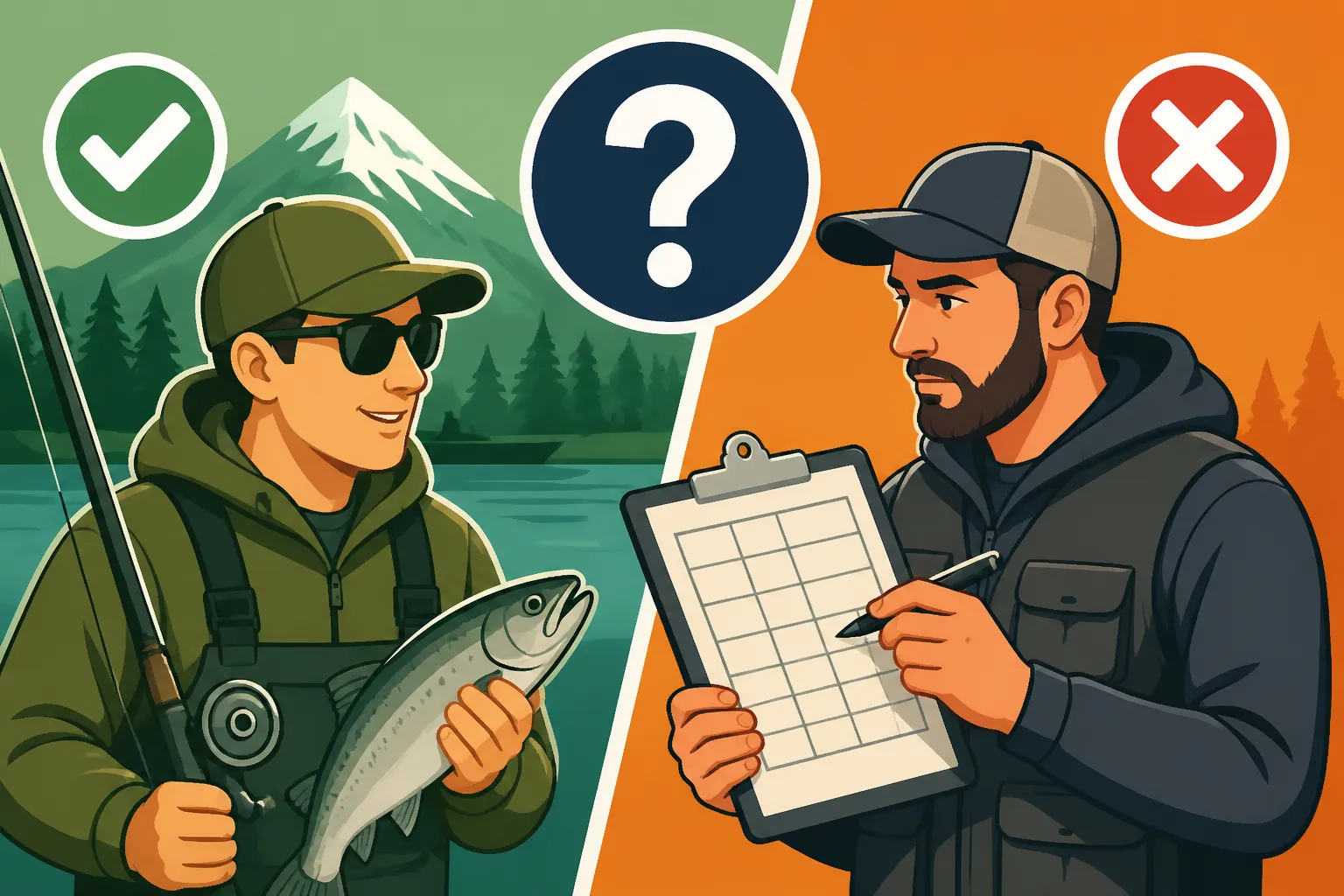
Let's cut right to the chase: while your fishing guide is an invaluable resource for finding fish, understanding regulations, and helping you land that trophy, the ultimate responsibility for accurately filling out your Washington Catch Record Card falls squarely on your shoulders. This isn't just a recommendation; it's a legal requirement designed to ensure fair fishing and robust conservation efforts. Ignoring this responsibility can lead to fines, penalties, and even the loss of your fishing privileges, which nobody wants after a great day on the water.
Why Personal Accountability Matters
You might think, "It's just a small card, what's the big deal?" But the "big deal" is twofold: legal compliance and critical conservation data. From a legal standpoint, the Washington Department of Fish and Wildlife (WDFW) views the catch record card as a legal document, intrinsically tied to your fishing license. When you sign it, you're attesting that the information recorded is accurate. If a WDFW enforcement officer checks your card and finds it incomplete, inaccurate, or improperly handled, you, the angler, will be the one facing the consequences, not your guide.
More importantly, these cards are vital for fisheries management. Every single salmon, steelhead, halibut, or sturgeon you keep and record provides WDFW biologists with crucial data points. This information helps them track harvest rates, assess stock health, and make informed decisions about future seasons, bag limits, and conservation efforts. Without accurate reporting from individual anglers, the data becomes skewed, making it harder to sustain the very fisheries we all love. It's a small act that has a massive impact on the long-term health of Washington's fish populations. Understanding The Washington Catch Record Card and What It Requires is the first step to becoming a responsible angler.
Understanding the "Immediate" Recording Requirement
Another point of common confusion is when you need to record your catch. Washington regulations are very clear: you must record certain species immediately after retaining them. "Immediately" doesn't mean when you get back to the dock, or when you've finished your limit, or even when you're done taking photos. It means as soon as the fish is in your possession and you've decided to keep it, even if you’re still out on the water.
Imagine you're fishing for salmon on the Columbia River. You hook into a beautiful Chinook, land it, and decide it's a keeper. Before you even think about putting it in the fish box or taking a picture, you need to pull out your catch record card, punch out or mark the correct species and date. This rule is in place to prevent accidental over-limits or "mistakes" that could happen if you wait. It also helps avoid arguments or confusion if a WDFW officer pulls up alongside your boat moments after you've landed a fish. This immediate recording applies specifically to species like salmon, steelhead, halibut, and sturgeon, which are typically subject to stricter management and harvest limits. Make sure you know When a Catch Record Card Is Required in Washington for the species you're targeting.
How Guides Can (and Cannot) Assist with Your Catch Record Card
So, if the guide can't fill it out, what can they do? The role of a guide is to facilitate a great fishing experience, and that absolutely includes helping you understand and navigate the regulations. They can be a fantastic resource, but there's a clear line between assistance and taking over your legal obligation.
Acceptable Assistance from Your Guide
A good Washington fishing guide will be proactive in helping you stay compliant. They'll often provide clear instructions, verbal cues, and even have the necessary tools ready for you. Here are some ways your guide can legitimately assist:
- Verbal Reminders: After you land a keeper, your guide will almost certainly say something like, "Alright, that's a keeper, get that card punched!" This isn't them filling it out; it's a helpful reminder to ensure you meet the "immediate" recording requirement.
- Species Identification: Sometimes, especially for new anglers, identifying different salmon or steelhead species can be tricky. Your guide is an expert and can tell you exactly what you've caught, ensuring you mark the correct box on your card. Knowing How to Identify a Washington Chinook Salmon or How to Tell Wild Steelhead From Hatchery Steelhead is critical.
- Providing Tools: A guide often carries waterproof pens or a hole punch specifically for catch cards. They can hand it to you, ensuring you have what you need to mark your card clearly. While you should always be prepared, it's nice when they have backup.
- Explaining the Rules: Before you even start fishing, a good guide will give you a briefing on the current regulations, including bag limits, size restrictions, and how to fill out the card. They can clarify any confusion about how to mark your card or what information needs to be recorded.
- Pointing Out the Details: They might indicate which specific box to mark, or remind you to record the marine area or river section. These small details are important for accurate reporting.
Think of your guide as a highly knowledgeable coach. They can instruct, advise, and provide the equipment, but you are the player making the moves on the field (or, in this case, filling out your card).
The Line They Cannot Cross
The critical distinction is that your guide cannot physically fill out the catch record card for you. This means they cannot hold the card and punch the circle, write in the date, or mark the species. If a WDFW officer were to observe a guide doing this, it would be a violation for both the guide (potentially aiding in a violation) and the angler (failing to fulfill their personal responsibility).
It's tempting, especially if your hands are cold, wet, or covered in fish slime, to ask your guide to "just do it." Resist that urge. It’s your card, your license, and your legal obligation. The WDFW regulations are designed to ensure accountability, and that means the person whose license the card belongs to must be the one to complete it. The same principle applies if you're fishing with friends or family; each angler is responsible for their own catch record card. Even if you're on a multi-angler boat, nobody else can fill out your card for you.
Practical Tips for Managing Your Catch Record Card on a Guided Trip
Being prepared is key to a smooth and enjoyable guided trip, especially when it comes to something as important as your catch record card. A little foresight can save you a lot of hassle and potential issues.
Preparing Your Card Before the Trip
Before you even step foot on the boat or wade into the river, take a few minutes to get your catch record card ready. This might sound obvious, but you'd be surprised how many people forget these simple steps:
- Secure Your Card: Make sure your physical catch record card is with you and easily accessible. Many anglers keep it laminated or in a waterproof pouch to protect it from the elements. You can find excellent waterproof cases or lanyards on Amazon that keep your card dry and safe around your neck or in a pocket.
- Bring a Reliable Pen/Pencil/Punch: A pencil is often preferred because it works in all weather and can be erased if you make a mistake (though official corrections usually involve crossing out and initialing, not erasing entirely). A waterproof pen is also a great option. A small hole punch is ideal for marking the circles cleanly for species like salmon and steelhead. Again, these are easily found on Amazon or at local sporting goods stores. Don't rely on your guide to have one for your card, even if they often carry extras.
- Understand the Layout: Familiarize yourself with the card's layout. Know where to mark the date, species, and location (marine area or river section). The less time you spend fumbling with the card when a fish is on board, the better. Reading How to Fill Out a Washington Catch Record Card beforehand can make all the difference.
- Know Your License Information: While not for the card itself, ensure you know your license number and have it handy, along with photo ID. WDFW officers check licenses, and sometimes the physical card itself. Remember that Carrying Your Washington Fishing License: Paper, Phone or the MyWDFW App are all acceptable methods.
What to Do When a Fish is Caught
The moment of truth! You've hooked, fought, and landed a fish you intend to keep. Here’s the step-by-step process:
- Confirm the Keeper: Your guide will help you confirm the species and if it's a legal keeper based on current regulations (size, hatchery mark, etc.).
- Retrieve Your Card and Marking Tool: Have your catch record card and your chosen marking tool (pen, pencil, or punch) at the ready.
- Immediately Record the Catch:
- Date: Write or punch out the date.
- Species: Mark the correct species (e.g., Chinook, Coho, Hatchery Steelhead).
- Location: Accurately record the marine area or river section where the fish was caught. This information is crucial for WDFW data.
- Secure the Card: Once recorded, put your card back in its waterproof protection. Don't leave it lying around where it could get wet, lost, or blown away.
- Enjoy Your Catch: Now, and only now, can you focus on celebrating your catch, taking photos, and getting it on ice.
Your guide will likely be giving you prompts through this entire process, making it much easier to follow. They’ll tell you "Alright, that's a hatchery coho, Marine Area 9, get it punched!" This verbal guidance is invaluable. Pay attention to When You Must Record a Salmon You Keep to avoid any missteps.
Common Pitfalls and How to Avoid Them
- Forgetting to Record: The excitement of a fresh fish can make you forget. Develop a routine. Every time a fish comes into the boat that you're keeping, immediately think "card first."
- Inaccurate Information: Double-check the date, species, and location before marking. A simple mistake can render your report invalid.
- Lost or Damaged Card: This is where waterproofing and securing your card becomes critical. Losing a card with unreported catches can be a serious issue. If your card is irretrievably damaged or lost, you might need to acquire a new one and report the situation to WDFW.
- Not Understanding Regulations: Before your trip, take some time to review the current Washington Fishing Regulations Every Angler Should Know. Your guide will cover them, but having a basic understanding yourself helps.
- Reliance on the Guide: Remember, they are there to assist and advise, not to do your paperwork. Make it a point to handle your own card every single time.
The Importance of Accurate Catch Reporting for Washington Fishing
Beyond just avoiding a ticket, the accurate and diligent reporting of your catch on these cards serves a much larger purpose. It's a cornerstone of responsible fishing and plays a critical role in the future of our beloved Washington fisheries.
How Data from Catch Cards Shapes Future Seasons
Think of your catch record card as a small, individual contribution to a massive statewide database. Every time you mark a fish, that piece of data is eventually compiled by WDFW. They look at the total number of fish caught, broken down by species, location, and even hatchery vs. wild. This information, combined with test fishery data, escapement numbers, and biological surveys, allows WDFW biologists to:
- Assess Fish Stocks: Are populations healthy, declining, or thriving? Are certain species returning in expected numbers?
- Set Seasons and Bag Limits: Based on population estimates and conservation goals, WDFW determines how many fish can be harvested safely without jeopardizing future runs. This directly impacts Washington Sport Fishing Seasons and Emergency Closures for species like salmon and steelhead.
- Manage Specific Fisheries: If a particular river or marine area shows high harvest pressure on a certain stock, WDFW can implement specific rules for that area, like barbless hook requirements or bait bans.
- Evaluate Hatchery Programs: By tracking hatchery fish returns, WDFW can assess the effectiveness of their stocking programs and make adjustments.
Without reliable data from catch record cards, WDFW would essentially be flying blind. They wouldn't have the full picture of angler effort and harvest, making it incredibly difficult to manage fisheries sustainably. Your diligence helps ensure that future generations of anglers have the same, or even better, fishing opportunities we enjoy today.
The Role of WDFW in Managing Fisheries
The Washington Department of Fish and Wildlife is tasked with managing the state's diverse fish and wildlife resources for current and future generations. Their work is a delicate balance between providing recreational opportunities for anglers and ensuring the long-term health and conservation of fish populations. This is particularly complex in Washington, with its numerous salmon and steelhead runs, many of which are listed under the Endangered Species Act.
WDFW relies on a combination of scientific research, public input, and angler reporting to make their decisions. The data from catch record cards is a critical component of their management strategy. By returning your completed catch record card (even if you caught nothing!) at the end of the season, you're directly contributing to this vital work. It's not just about compliance; it's about being an active participant in conservation. Penalties for exceeding limits or not reporting correctly, like those outlined in Fines and Penalties for Common Fishing Violations, are in place to underscore the importance of these regulations. Be sure to check What to Check Before Every Washington Fishing Trip to ensure you're always prepared.
Disclaimer
The information provided in this guide is for general informational purposes only and is not intended as legal advice. Fishing regulations in Washington State can change frequently and vary by species, location, and season. It is always the angler's responsibility to consult the most current Washington Department of Fish and Wildlife (WDFW) regulations pamphlet or website before engaging in any fishing activity. Non-compliance with fishing regulations can result in fines and penalties.