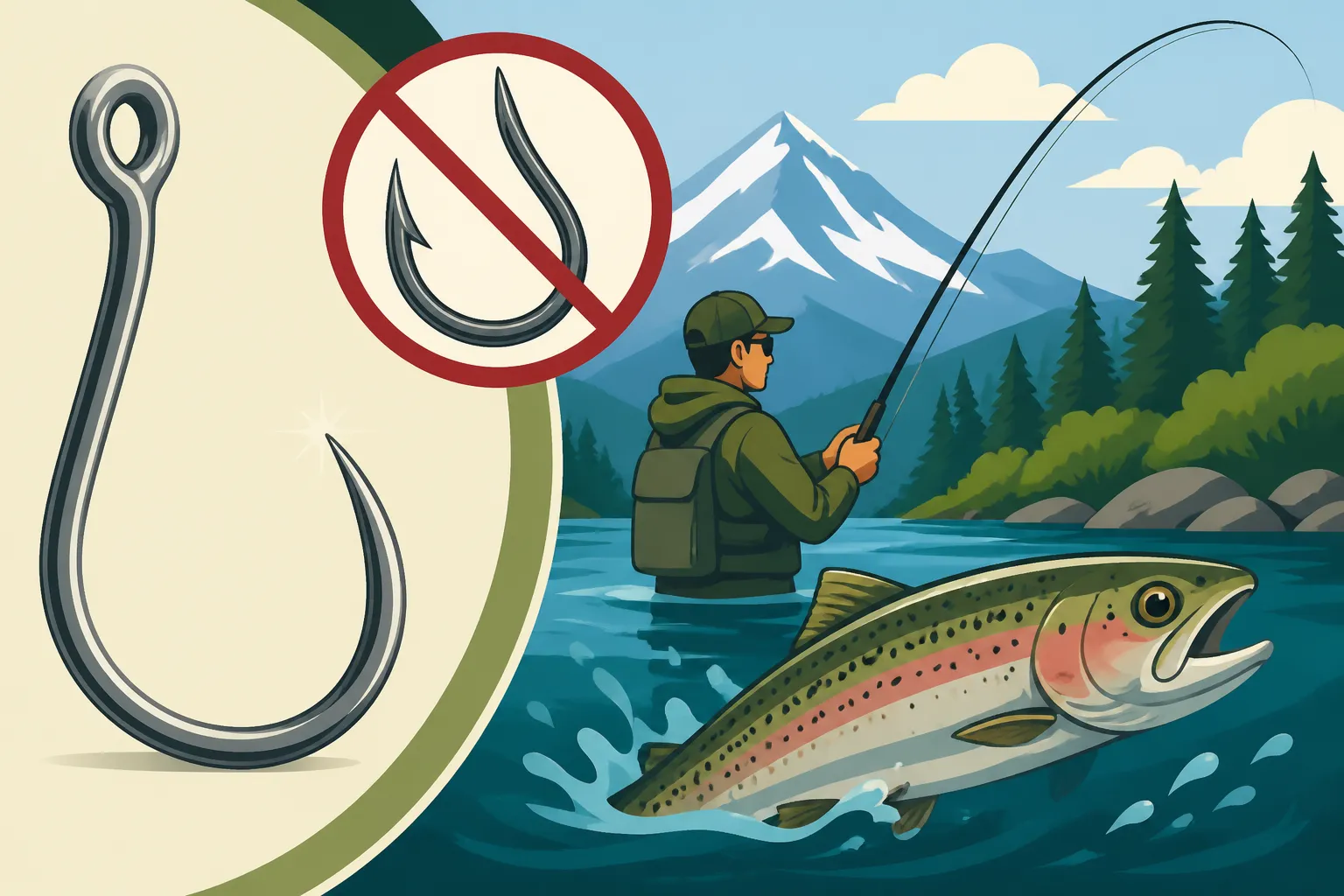
When Single-Point Barbless Hooks Are Required
The maze of Washington's fishing regulations can feel like a riddle wrapped in an enigma, especially when it comes to specific gear requirements. One of the most frequently misunderstood and frustrating rules anglers encounter revolves around hook types: specifically, when single-point barbless hooks are not just recommended, but an absolute must. This guide will cut through the confusion, explaining precisely when and why you need to equip your line with these specific hooks to stay legal, ethical, and successful on Washington's diverse waters.
Understanding the "Why" Behind Barbless Hook Regulations
It's easy to feel like fishing regulations are just arbitrary hoops designed to make your life harder, but when it comes to barbless hooks, there's a profound "why" rooted in conservation and the long-term health of our fisheries. The Washington Department of Fish and Wildlife (WDFW) doesn't just make these rules up for fun; they're critical tools in managing sensitive fish populations, particularly those that are wild or endangered.
Conservation and Fish Survival
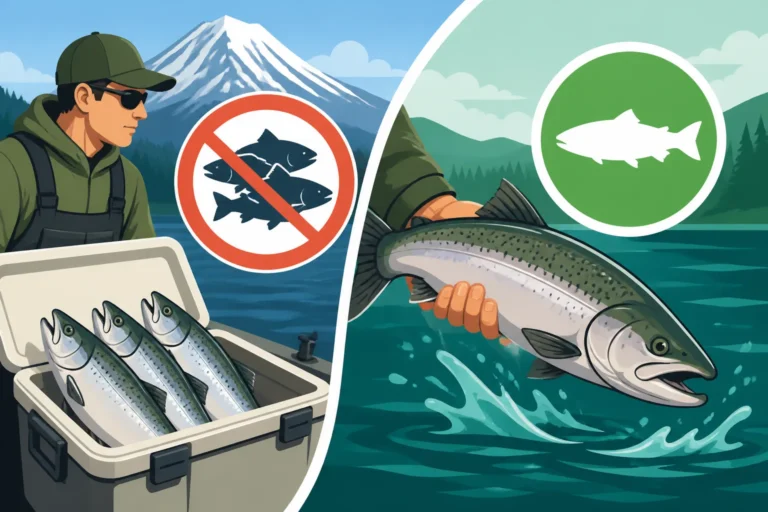
The primary reason for requiring barbless hooks, especially single-point ones, is to minimize injury to fish that are caught and then released. When you're fishing in a catch-and-release fishery, or in an area where only certain fish can be kept (like a selective fishery for hatchery fish only), the survival rate of released fish is paramount. A barbed hook, by its very design, is made to hold firmly, and while that's great for landing a fish, it can cause significant tissue damage when you try to remove it, especially if it's deeply hooked.
Think about a delicate wild steelhead, an iconic species in Washington. Many rivers, particularly those on the Olympic Peninsula, have strict rules to protect these majestic fish. If you accidentally hook a wild steelhead while targeting hatchery fish, or if you're fishing in a Wild Steelhead Release Rules on Washington's Olympic Peninsula Rivers zone, a barbless hook allows for a much quicker and less traumatic release. This significantly increases the chances of that fish surviving to spawn another day, contributing to future generations and the health of the run. Without these regulations, the cumulative impact of released fish mortality could severely harm struggling populations.
Ease of Hook Removal
Beyond the noble goal of conservation, barbless hooks offer a practical benefit that every angler can appreciate: they are simply much easier to remove. Imagine you've just landed a beautiful trout or salmon, and it's either undersized, over the limit, or a wild fish that needs to go back. With a barbed hook, you might spend precious minutes struggling to back it out, often causing more stress and physical harm to the fish. That prolonged handling time, especially out of water, can be detrimental.
A single-point barbless hook, on the other hand, often slides out with a gentle twist or push, minimizing the time the fish is out of the water and reducing the likelihood of tears or punctures to vital organs. This isn't just good for the fish; it's also good for you, preventing frustrating delays and allowing you to get back to fishing faster. It's a small change that makes a huge difference in the overall experience and outcome for the fish, aligning perfectly with responsible angling practices.
Specific Scenarios Requiring Single-Point Barbless Hooks
Now that we understand why these rules exist, let's dive into the nitty-gritty of when you'll encounter them. Washington's regulations are highly nuanced, changing by river, marine area, species, and even time of year. Knowing these specific scenarios is crucial for avoiding fines and contributing to healthy fish populations.
Designated Wild Steelhead Waters and Seasons
Perhaps the most common and strictly enforced requirement for single-point barbless hooks occurs in waters designated for wild steelhead protection. These are often rivers where wild steelhead populations are either struggling or highly valued, and where the WDFW manages fisheries to ensure their maximum survival. You'll frequently find these rules in place during specific steelhead seasons, particularly during winter runs on many Western Washington rivers.
For instance, iconic rivers such as the Hoh, Sol Duc, and Quillayute on the Olympic Peninsula are prime examples where you'll almost always be required to use single-point barbless hooks when fishing for steelhead. This extends to other rivers like sections of the Skagit or Skykomish, especially during Catch-and-Release Rules During Wild Steelhead Closures or when targeting hatchery steelhead while wild fish are present. The idea is that if you hook a wild fish, which must be released, it can be done with the least amount of injury. This regulation isn't just about targeting; it's about what you might catch. Even if you're fishing for a different species in a river known for wild steelhead, always check if these hook restrictions apply.
Fisheries with Bait Restrictions or Closures
There's often a direct correlation between bait restrictions and barbless hook requirements. When bait is allowed, fish are more likely to swallow the hook deep, increasing the risk of internal damage. To counteract this, especially in sensitive fisheries, WDFW will often implement Washington Bait Bans and When They Apply alongside single-point barbless hook rules. The reasoning is sound: if a fish is going to take a natural offering deep, a barbless hook is your best defense against causing lethal injury.
Consider a river stretch where salmon are staging, but only hatchery-marked fish can be retained, or where certain species are entirely protected. If bait is permitted, requiring single-point barbless hooks helps ensure that any protected or out-of-season fish that bites can be released with a higher chance of survival. This combination of regulations is common in many mixed-stock fisheries, where both wild and hatchery fish, or different species with varying retention rules, coexist. Always check the specific section of the regulation pamphlet for the waterbody you plan to fish, as bait and hook rules can change drastically even within a few miles of river.
Selective Gear Rules and Their Implications
"Selective gear rules" are a set of regulations designed to minimize the impact on fish, often focusing on promoting catch-and-release and protecting vulnerable populations. Single-point barbless hooks are a cornerstone of these rules. When you see "selective gear rules" listed for a particular area or season in the Washington Fishing Regulations Every Angler Should Know, it almost universally means that only artificial lures or flies with single-point barbless hooks are permitted.
These rules are frequently applied in high-quality trout fisheries, wild steelhead rivers, or specific salmon areas where management goals prioritize escapement and conservation. For instance, in some stretches of the Yakima River, known for its outstanding wild trout fishing, you'll encounter selective gear rules that mandate artificial flies or lures with single-point barbless hooks. The intention is to ensure that angling pressure, while enjoyed, doesn't compromise the ecological integrity of the fishery. These rules are designed to give fish the absolute best chance of survival after an encounter with an angler, fostering a more sustainable and ethical fishing environment.
Distinguishing Between Single-Point and Treble Barbless Hooks
This is where a lot of anglers get tripped up. The term "barbless" isn't always enough. When the regulations specify "single-point barbless hooks," it's critical to understand that this excludes any hook with more than one point, even if all points are barbless. This distinction is vital for compliance.
The "Single-Point" Clause: What It Means
When the regulations explicitly state "single-point barbless," it means exactly that: your hook must have only one point, and that single point must be barbless. This eliminates all treble hooks, tandem hooks, and any other configuration with multiple hooks or multiple points, regardless of whether you've crimped down their barbs.
For example, if you're fishing for salmon in a marine area or river section that mandates single-point barbless hooks, you cannot use a plug with three barbless treble hooks. You'd need to replace those with a single, barbless siwash hook or an equivalent single-point design. This is often a frustration for anglers who are used to fishing with lures that come standard with treble hooks. It requires foresight and modification of your tackle box. Don't assume that simply crimping the barbs on a treble hook makes it legal if the regulation specifies "single-point." It's a common and costly mistake.
When Treble Hooks Might Still Be Barbless But Illegal
The key takeaway here is that "barbless" does not automatically equate to "single-point barbless." You can certainly make a treble hook barbless by crimping down the barbs, and in some specific fisheries where only "barbless hooks" are required (without the "single-point" qualifier), this might be perfectly legal. However, when the rules explicitly call for "single-point barbless," a modified treble hook, no matter how carefully de-barbed, is still illegal.
This strict interpretation is usually found in the most sensitive fisheries where minimizing impact is paramount. The additional points of a treble hook, even if barbless, can still cause more tearing or damage during a fight and release compared to a single hook. Understanding Can You Use Treble Hooks in Washington? is important, but always cross-reference it with the specific rules for your chosen fishing location and species. A good rule of thumb: if in doubt, go single-point barbless. It's almost always the safer bet when aiming for conservation.
How to Comply and Stay Informed
Navigating Washington's fishing regulations can feel like a part-time job, but compliance is non-negotiable. Knowing how to prepare your gear and where to find the most up-to-date information is essential for a stress-free and legal fishing trip.
Checking the Latest Regulations
The absolute first step before any fishing trip in Washington is to consult the most current regulations. Do not rely on what you remember from last year, or what a buddy told you. Regulations change, often mid-season, due to fish returns, environmental conditions, and management decisions. The official source is the WDFW.
You have a few excellent options for staying informed:
- WDFW Sport Fishing Rules Pamphlet: This is your bible. You can pick up a physical copy at license dealers or download the PDF directly from the WDFW website. Pay close attention to the "General Rules" section, then drill down into the specific "Region" and "Catch Area" you plan to fish. Understanding Reading the Washington Sport Fishing Regulations Pamphlet is crucial.
- WDFW Website and Emergency Rules: The WDFW website is constantly updated. Critical changes, known as Emergency Rule Changes: Why Washington's Rules Shift Mid-Season, are posted there, sometimes with very little notice. Before you leave the house, check the "Emergency Rules" page. This is truly the only way to get real-time updates on closures, openings, and gear modifications. Knowing Where to Find Current Washington Fishing Rules is vital.
- Fish Washington App: This mobile app is a fantastic tool. It provides access to the regulations, your license, and can even help with catch reporting. While it's great for convenience, always double-check against the official WDFW website for the very latest emergency rules, as app updates can sometimes lag slightly.
Make checking these resources part of your routine What to Check Before Every Washington Fishing Trip, just like packing your rod and tackle.
Preparing Your Gear: Crimping Barbs and Buying Barbless
Once you know the rules, it's time to prepare your tackle. You have two main approaches to getting barbless hooks: modifying your existing hooks or buying new ones.
- Crimping Barbs: For many hooks, especially on lures or if you have a favorite hook that isn't barbless, you can easily convert them. All you need is a good pair of pliers—needle-nose or crimping pliers work best. Simply grasp the barb firmly and squeeze it down until it's flush with the shank of the hook. Run your finger over it to ensure there are no sharp edges that could still snag. This is a quick and effective way to make a hook barbless. Just be diligent and check every single point, especially on treble hooks (though remember the "single-point" rule when applicable).
- Buying Purpose-Made Barbless Hooks: If you want to skip the crimping step or need a specific type of hook, many manufacturers now offer purpose-made barbless options. These hooks are designed from the factory without a barb, ensuring perfect compliance. You can find a wide variety of barbless hooks, from single Siwash hooks for salmon to smaller trout hooks, at your local sporting goods store or online retailers like Amazon. It's often easier and more reliable to start with a truly barbless hook, especially for critical fisheries. Keep a separate tackle box or compartment for your barbless-only gear to avoid accidental mix-ups.
| Hook Type | General Legality in "Single-Point Barbless" Zones | Best for Catch and Release | Notes |
|---|---|---|---|
| Single-point Barbless | Always Legal | Excellent | Ideal for minimal fish harm and quick release. |
| Single-point Barbed | Illegal | Poor | Barb can cause significant tissue damage. |
| Treble Barbless | Illegal (if "single-point" is specified) | Fair-Good (if allowed) | Multiple points can still cause more trauma than a single hook. |
| Treble Barbed | Illegal | Very Poor | Most damaging; rarely legal in sensitive fisheries. |
Penalties for Non-Compliance and Responsible Angling
Fishing is a privilege, and adhering to regulations is part of the deal. Failing to use the correct hooks, especially single-point barbless when required, isn't just a minor oversight; it can carry significant consequences and reflects poorly on the angling community as a whole.
Consequences of Violating Hook Regulations
A Washington Department of Fish and Wildlife (WDFW) enforcement officer checking your gear on the river or boat and finding an illegal hook can lead to a range of penalties. This isn't just a slap on the wrist. Depending on the severity of the violation, the species involved, and whether it's a repeat offense, you could face:
- Fines: These can be substantial, easily running into hundreds of dollars. The specific fine amount varies based on the type of violation.
- Forfeiture of Gear: In some cases, your fishing gear, including your rod, reel, and tackle, might be confiscated.
- Loss of Fishing Privileges: More serious or repeat offenses can lead to the suspension or revocation of your fishing license for a period of time, effectively banning you from fishing in Washington. This is a severe penalty that can deeply impact avid anglers.
- Court Appearances: Some violations are misdemeanors and may require a court appearance, leading to additional legal fees and hassle.
These are not idle threats; WDFW enforcement officers are out on the water regularly, ensuring compliance. Ignorance of the law is not an excuse. Understanding Fines and Penalties for Common Fishing Violations is important, but preventing them by knowing and following the rules is always the best approach. Each regulation, including the single-point barbless hook rule, is in place for a reason, usually to protect the very fish we love to pursue.
The Ethos of Responsible Angling
Beyond the legal ramifications, there's a deeper ethical consideration. Responsible angling means more than just staying within the law; it means actively participating in the conservation of our natural resources. When you use a single-point barbless hook in a sensitive fishery, you're not just avoiding a ticket; you're making a conscious choice to minimize harm to the fish, particularly Steelhead: Washington's Ocean-Run Rainbow Trout and other vulnerable species.
Many anglers choose to use barbless hooks even when not explicitly required, especially if they practice catch-and-release fishing. It's a testament to a commitment to the resource. By being meticulous about your hook choice, knowing How to Tell Wild Steelhead From Hatchery Steelhead, and practicing careful fish handling, you contribute to the sustainability of Washington's incredible fishing opportunities for generations to come. It’s about leaving the fishery better than you found it, one properly released fish at a time. This commitment to ethical and responsible angling strengthens the entire fishing community and ensures that we can continue to enjoy these waters for years to come.
Disclaimer
Fishing regulations in Washington State are subject to frequent change. Always consult the latest official WDFW regulations pamphlet and emergency rule updates before heading out on the water. This guide is for informational purposes only and should not be considered a substitute for checking current legal requirements.