Can You Use an Electronic Catch Record Card in Washington?
It’s a common frustration in our increasingly digital world: you can pay your bills, order groceries, and even manage your bank accounts all from your phone, so why can’t you just use an electronic catch record card for fishing in Washington? Many anglers, myself included, have stood on the riverbank, phone in hand, wishing they could simply tap a few buttons to log that beautiful steelhead. This guide will clarify the current situation regarding electronic catch record cards in Washington, helping you understand what’s currently allowed, what isn't, and how to stay compliant with state regulations.
Can You Use an Electronic Catch Record Card in Washington?
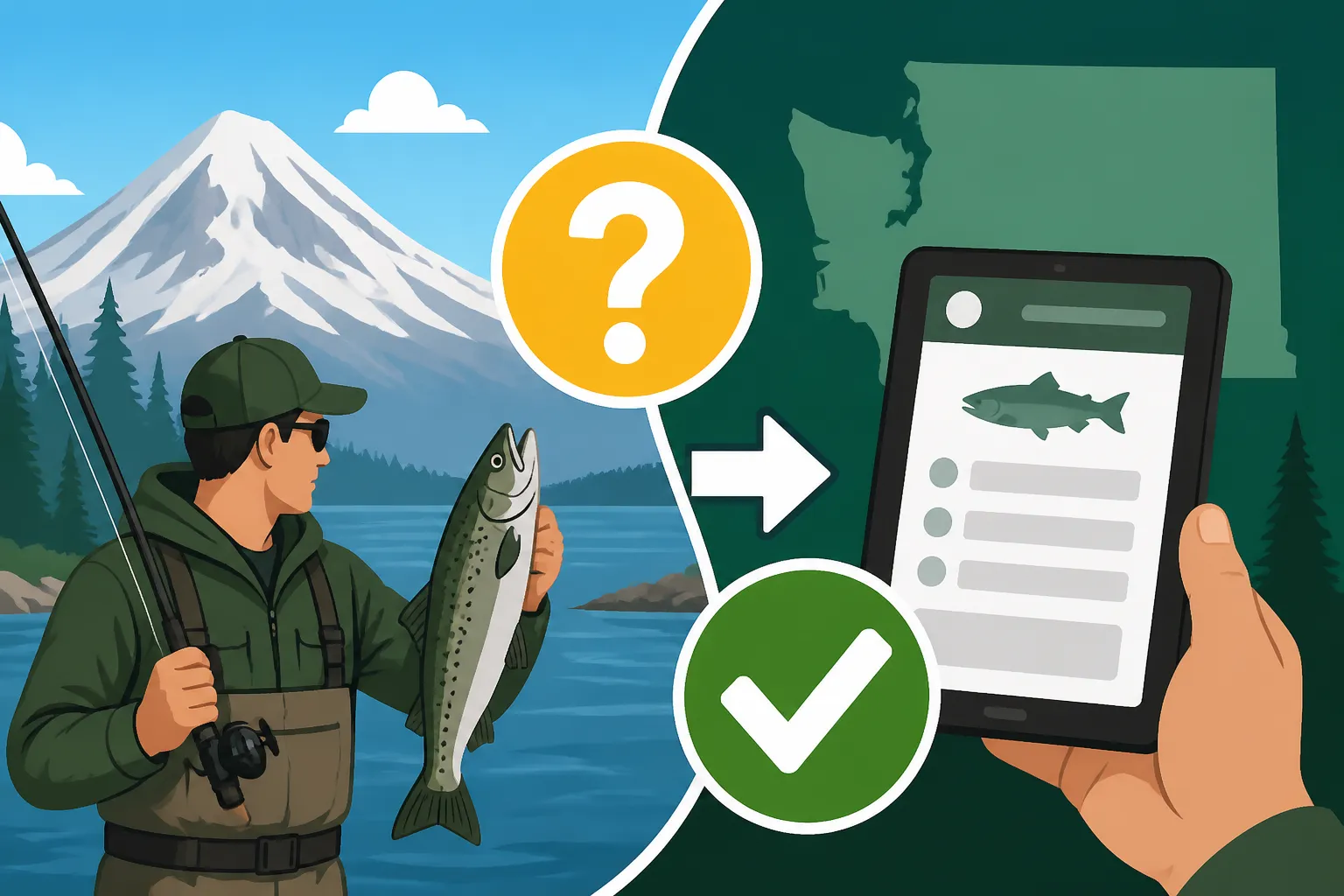
The short answer, for the most critical species that require a Catch Record Card (CRC), is generally no. While the Washington Department of Fish and Wildlife (WDFW) has made significant strides in digital convenience for anglers, the traditional paper catch record card remains a steadfast requirement for certain highly managed species.
The Official Stance from WDFW
When it comes to species like salmon, steelhead, sturgeon, and halibut, WDFW's official regulations are quite clear: a physical, paper Catch Record Card must be in your possession and filled out immediately upon retaining one of these fish, or if you release a wild steelhead in certain areas. This isn't just an arbitrary rule; it's deeply rooted in the legal and biological framework for managing these sensitive populations. The state needs precise, verifiable data on harvest rates to make critical in-season management decisions, set future seasons, and ensure conservation efforts are effective. A physical card, marked in indelible ink, provides a tangible record that can be easily inspected by enforcement officers on the spot, regardless of cell service or device battery life.
This can definitely feel a bit old-fashioned in an age where everything else is going digital. You might have bought your fishing license online, printed it out, and even carry a digital copy on your phone, but the CRC operates under a different set of rules due to its specific regulatory purpose. The WDFW website and their official regulations pamphlets consistently emphasize the requirement for a physical card for these key species.
The Rise of the Fish Washington App
Enter the Fish Washington app, WDFW's primary digital tool for anglers. This app has been a game-changer for many aspects of fishing in Washington, offering a wealth of information and convenience. Through the Fish Washington app, or the MyWDFW website, you can easily purchase your annual fishing license, buy endorsements like the Washington's Columbia River Salmon and Steelhead Endorsement, Explained, and even renew various permits. The app is fantastic for checking current regulations on the fly, finding fishing spots, and staying up-to-date on emergency rule changes.
However, where it generally falls short for mandatory reporting is with the Catch Record Card functionality for salmon, steelhead, and sturgeon. While you can often use the app to submit voluntary harvest reports for some species (like certain shellfish or general fishing success surveys), it does not replace the legally required physical CRC for salmon, steelhead, and sturgeon. This is a common misconception, as many users, myself included, initially assume that if you can buy your license digitally, you should be able to record your mandatory catches digitally too. It's a natural expectation for anyone accustomed to modern digital platforms.
Why the Paper Card Persists for Mandated Species
It might seem cumbersome to rely on paper in the 21st century, but there are solid reasons why WDFW continues to require physical Catch Record Cards for some of Washington's most iconic and carefully managed fish populations. It’s not about being behind the times, but about ensuring the integrity of critical data.
Legal and Regulatory Requirements
The core reason for the paper card requirement for salmon, steelhead, and sturgeon boils down to legal and regulatory necessity. These species are often co-managed with tribal entities, and their populations face significant conservation challenges, making precise harvest data absolutely crucial. The physical Catch Record Card serves as a primary source for this data, allowing WDFW to accurately track how many fish are being retained by recreational anglers. Each card has a unique serial number, and anglers are legally obligated to return their filled-out cards, even if no fish were caught. This system provides a robust, auditable trail.
Imagine a scenario where an electronic system could be easily edited or lost due to a dead phone battery. The current paper system, while requiring a bit more effort from anglers, provides a level of data reliability and security that an easily editable digital format might struggle to match under current technological and legal frameworks. The importance of The Washington Catch Record Card and What It Requires cannot be overstated for conservation.
On-the-Spot Validation and Enforcement
Another significant factor is the practical reality of on-the-water enforcement. Washington's vast and diverse fishing areas, from remote river stretches on the Olympic Peninsula to open waters of Puget Sound, mean that WDFW enforcement officers often operate in areas with limited or no cell service. A physical Catch Record Card allows an officer to immediately and definitively verify an angler's compliance with bag limits and species retention rules. They can see at a glance if a fish was marked, if the correct marine area was noted, and if the angler is within their legal possession limit.
Consider being checked by a warden on a chilly, rainy morning on the Cowlitz River. If your phone is dead, or if you're out of signal range, an electronic card would be useless. A paper card, kept in a waterproof bag, remains accessible and verifiable. This direct, physical inspection prevents potential disputes and ensures swift enforcement. This is why Carrying Your Washington Fishing License: Paper, Phone or the MyWDFW App has different implications for your license versus your catch card. While you can show your license digitally, the catch card for these species still needs to be tangible. It’s also why printing your license is a good backup, though not always mandatory for the license itself. You can find convenient waterproof wallets on Amazon to keep your paper card safe. The ability for an officer to confidently say Do You Need Proof Your Fish Was Legally Caught? often comes down to that physical mark on a paper CRC.
What You Can Do Digitally (and What You Can't)
Navigating the blend of digital convenience and traditional requirements can be a bit tricky. Let’s clarify what you absolutely can do with your phone and apps, and where the line is drawn.
Digital License and Endorsements
Here’s the good news: you are absolutely able to purchase and display your Washington fishing license and most endorsements on your phone. Whether you bought it online through the WDFW licensing system or via the Fish Washington app, you can show a digital copy to a WDFW officer. This includes your annual freshwater, saltwater, or combination license, as well as specific endorsements like the two-pole endorsement or the Columbia River Salmon and Steelhead Endorsement. This is a huge convenience! No more panicking because you left your paper license in your other jacket. Many anglers find it incredibly helpful to have their license readily available on their smartphone, perhaps as a PDF download or through the MyWDFW app itself. This aligns with modern expectations for accessibility. If you've ever asked, "Can You Show Your License on Your Phone in Washington?", the answer is a resounding yes for your actual license. It's often where people start to get confused about the CRC. The WDFW system provides a seamless way to Where and How to Buy a Washington Fishing License online, and then carry it digitally.
Voluntary Reporting and Other App Features
While the Fish Washington app doesn't replace the mandatory paper Catch Record Card for salmon, steelhead, and sturgeon, it's still an incredibly useful tool for other aspects of your fishing adventures. You can use it to:
- Check Current Regulations: This is perhaps one of its most valuable features. The app provides up-to-the-minute information on fishing rules, seasons, and catch limits for specific bodies of water or marine areas. This saves you from having to lug around a physical regulation pamphlet, though carrying one is still a smart backup. Knowing Where to Find Current Washington Fishing Rules is vital, and the app is an excellent resource for this.
- Find Fishing Locations: The app can help you discover new spots or get details on access points for rivers and lakes.
- Voluntary Harvest Reporting: For certain species or for general data collection, the app allows for voluntary reporting. For example, if you're crabbing in Puget Sound, while you might not have a physical CRC to mark, you can often use the app to log your catch or report your overall effort, contributing to WDFW's data collection efforts. This is different from the mandatory CRC species. Understanding How to Report Catch With the Fish Washington App means recognizing the distinction between voluntary and mandatory reporting.
- Stay Informed: The app pushes notifications about emergency rule changes, closures, and other important fishing news, which is crucial for staying legal and safe.
So, while you can't officially log your Chinook salmon or wild steelhead on the app to fulfill your legal CRC obligation, you can certainly leverage it for nearly everything else. Many anglers use the app extensively for pre-trip planning and in-the-moment rule checks. You can even buy some of your essential fishing gear, like a good tackle box or waders, through online retailers like Amazon which offer convenient delivery right to your door, complementing your digital license experience.
Hybrid Approach: Digital & Physical
Given the current regulations, the most practical approach for Washington anglers is a hybrid one. Embrace the digital convenience where it’s available, but always be prepared with the necessary physical documents.
This means:
- Your License & Endorsements: Keep a digital copy on your phone (either as a PDF or through the MyWDFW app) and, if you're extra cautious, a printed paper copy somewhere safe like your glove box.
- Your Catch Record Card(s): Always carry the physical paper CRC with you when targeting salmon, steelhead, sturgeon, or halibut. Make sure it's protected from the elements. A simple ziplock bag works wonders, or you can invest in a small, waterproof holder. There are many affordable options for waterproof map cases or document holders on Amazon that fit CRCs perfectly.
This hybrid approach ensures you're compliant with all WDFW regulations while still taking advantage of modern technology where it genuinely improves your fishing experience. You’re not picking one over the other; you’re using both to your advantage.
Preparing for Your Trip: Best Practices
To avoid any headaches or potential fines, especially when targeting those highly sought-after species, it's crucial to be prepared. Here are some best practices to ensure you're squared away before hitting the water.
Obtaining and Carrying Your Paper CRC
First things first: you must obtain your paper Catch Record Card before you go fishing for any species that requires it. This isn't something you can pick up on the riverbank. You typically receive a CRC automatically when you purchase an annual fishing license that includes salmon, steelhead, or sturgeon privileges. If you buy your license online, you'll be prompted to print it, and the CRC will be part of that printout. You can also pick up blank CRCs from most WDFW license vendors, such as sporting goods stores (like a local Ace Hardware or sporting goods shop), or directly from a WDFW office.
Once you have it, protect it! A wet, smudged, or torn CRC might as well be an invalid one. Always carry your paper CRC in a waterproof container. A simple heavy-duty zip-top freezer bag is often sufficient, or you can purchase a small, waterproof fishing wallet designed for licenses and permits. It's smart to keep a few extra copies in your tackle box or vehicle as well, just in case one gets damaged or misplaced during a trip. You can find durable, waterproof pouches perfect for CRCs by searching on Amazon.
Filling Out Your Catch Record Card Correctly
The moment you retain a salmon, steelhead, sturgeon, or halibut, you are legally required to immediately and accurately record it on your physical Catch Record Card. This isn't a "do it later" kind of task; it's an "do it now" mandate.
Here’s a quick rundown of the essential information you'll need to fill out:
- Date: The day you caught the fish.
- Species: Clearly mark the correct species (e.g., Chinook, Coho, Steelhead).
- Location: Indicate the correct marine area (for saltwater) or river section (for freshwater).
- Mark Retained/Released: If you kept the fish, mark the "kept" box. If you caught and released a wild steelhead in an area where that's required to be recorded, make sure to mark the "released" box.
- Adipose Fin Clip (for Salmon/Steelhead): If applicable, indicate whether the fish had its adipose fin clipped (meaning it's a hatchery-origin fish).
Make sure you use a permanent, waterproof pen. A pencil can smudge and lead to issues during an inspection. The importance of How to Fill Out a Washington Catch Record Card correctly and immediately cannot be overstated. This immediate recording ensures you're compliant and that the WDFW collects accurate data on When You Must Record a Salmon You Keep.
Staying Informed About Rule Changes
Washington's fishing regulations, especially for salmon and steelhead, are dynamic. Seasons can open and close, and rules can change on short notice due to in-season updates based on fish returns and conservation needs. This is particularly true for migratory species like salmon and steelhead. It's your responsibility as an angler to stay current with these changes.
Before every single fishing trip, make it a habit to check the latest regulations. The Fish Washington app is an excellent resource for this, as is the WDFW website. You can also sign up for WDFW email alerts to receive notifications about emergency rule changes. Don't rely on word-of-mouth or last year's regulations pamphlet. Understanding Emergency Rule Changes: Why Washington's Rules Shift Mid-Season will help you appreciate why checking frequently is so important. A quick check of the app on your phone, even before you leave the driveway, can save you a lot of trouble on the water.
Comparison Table: Electronic vs. Paper for Washington Fishing Documents
To help clarify what's digital and what's still firmly in the realm of paper, here's a handy comparison:
| Document/Action | Digital Option (via App/PDF) | Physical Option (Paper) | WDFW Stance/Recommendation |
|---|---|---|---|
| Fishing License | YES (can display on phone or as printed PDF) | YES (printed paper license) | Digital display on your phone is generally accepted and convenient. Printing a physical copy is a good backup in case of phone issues. |
| Endorsements | YES (e.g., Two-Pole, Columbia River Salmon/Steelhead) | YES (printed as part of your license) | Like licenses, digital display is allowed. Carrying a physical copy, or at least a backup print, is recommended. |
| Catch Record Card (CRC) | NO (for mandatory reporting of salmon, steelhead, sturgeon, halibut) | YES (required for mandatory reporting) | REQUIRED: A physical, paper Catch Record Card must be in your possession and marked immediately for these species. Digital versions are NOT a substitute for mandatory reporting. |
| Voluntary Catch Reporting | YES (via Fish Washington app for some species/surveys) | NO (no physical card for voluntary reporting) | The Fish Washington app can be used for voluntary reporting of certain species (e.g., shellfish) or participation in surveys, but this does not fulfill mandatory CRC requirements. |
| Checking Regulations | YES (via Fish Washington app, WDFW website) | YES (physical regulation pamphlet) | The Fish Washington app and WDFW website offer the most up-to-date information, including emergency rule changes. A physical pamphlet is a good general reference but may not reflect immediate changes. Always double-check digital sources for current rules. |
Disclaimer
Please remember that fishing regulations can change frequently and without much notice. While this guide provides the most current information available, it is always your responsibility as an angler to consult the official Washington Department of Fish and Wildlife (WDFW) regulations, emergency rule changes, and announcements before heading out on any fishing trip. This content is for informational purposes only and should not be considered legal advice.