Best Bank Fishing Spots on the Columbia River
There's nothing quite like the majestic Columbia River, but if you've ever tried to fish it from shore, you know the frustration of finding decent, accessible spots that aren't private land or simply impossible to cast from. This guide is here to cut through that confusion, giving you the inside scoop on some of the best bank fishing locations along the Washington side of the Columbia, along with the techniques and species you can realistically target, so you can spend less time searching and more time with a line in the water.
The Unique Challenges and Rewards of Columbia River Bank Fishing
Fishing the Columbia River from the bank is a totally different ballgame than hopping on a boat. It presents its own set of hurdles, from finding a spot that's both legal and fishable to understanding the river's powerful, ever-changing dynamics. But, oh, the rewards! When you hook into a chrome bright salmon or a hard-fighting walleye from shore, there's a unique sense of accomplishment that boat anglers sometimes miss. You’re truly connecting with the river on its own terms.
Navigating Public Access and Private Lands
One of the biggest headaches for any bank angler on the Columbia is simply finding somewhere you can legally and safely cast a line. This isn't your local stocked trout pond where public access is clearly marked every few hundred yards. The Columbia is a massive, working river, lined by industrial zones, private properties, and steep, brush-choked banks. It can feel like an endless puzzle trying to piece together where you're actually allowed to be.
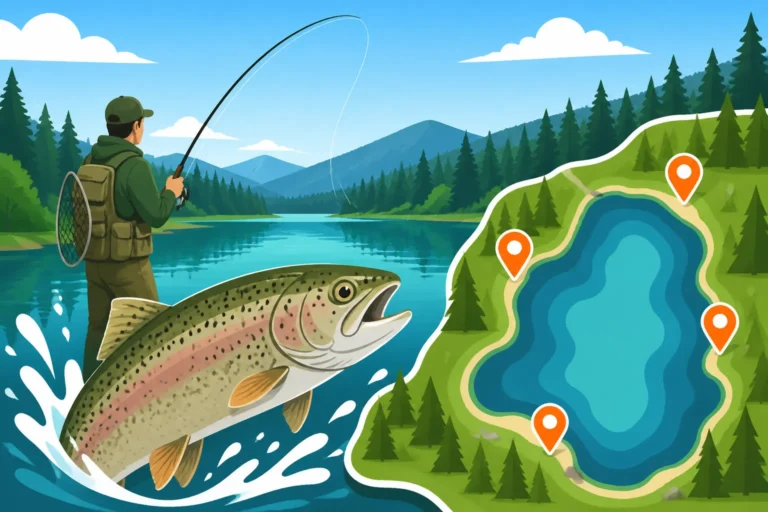
Many promising-looking stretches are unfortunately private property, and trespassing is a surefire way to get your fishing trip cut short. That's why research ahead of time is absolutely critical. Government resources, like the Washington Department of Fish and Wildlife (WDFW) website, are your best friends here. They often have maps or lists of public access points, boat launches, and fishing piers. Sometimes, even a quick scout with Google Maps satellite view can reveal potential spots, but always verify on the ground. Don't be afraid to pull over and look for small pull-offs or pathways, but always be respectful of "No Trespassing" signs. It takes a bit of legwork, but finding that perfect, secluded bank spot is well worth the effort.
Understanding the River's Dynamic Nature
The Columbia River is a beast of a waterway, driven by powerful currents, dams, and seasonal flows. What looks like a promising gravel bar one week might be a raging torrent the next, or completely submerged. This dynamic nature means that bank fishing strategies need to be flexible and constantly adapting. The water level can fluctuate dramatically depending on dam operations upstream, snowmelt, and recent rainfall.
Strong currents are a constant companion on the Columbia, and they can make fishing from shore incredibly challenging. You'll need heavier weights than you might be used to in smaller rivers or lakes just to hold your bait on the bottom. Safety is also paramount; never wade into fast-moving water without proper safety gear, like a personal flotation device (PFD), and always be aware of your footing. Knowing the river's mood, which often means checking flow rates and river gauges online, can greatly inform where and how you decide to fish. You’re not just fishing in the Columbia; you're fishing with it.
Prime Washington Bank Fishing Locations on the Columbia River
The Columbia River is a long stretch of water, and fishing conditions and species vary significantly from its mouth near the Pacific Ocean all the way up into Eastern Washington. To help you narrow down your search, let's break down some of the best bank fishing spots into three main regions along the Washington side. Each offers a distinct experience and different target species. For a much broader view, you might want to check out our comprehensive guide on Fishing the Columbia River in Washington: A Complete Overview to get a sense of the river's full potential.
Lower Columbia River Hotspots
The Lower Columbia, from its mouth up to around Bonneville Dam, is heavily influenced by tides and is famous for its incredible salmon and steelhead runs. Bank access here can be gold for those willing to explore.
- Cathlamet/Skamokawa Area: Nestled in Wahkiakum County, these small towns offer some decent bank access, particularly during the fall salmon runs. Around Cathlamet, you'll find some pull-offs and small parks that allow shore fishing. The currents here can be swift, so using heavy weights for bottom fishing or plunking is essential. You’re primarily targeting fall Chinook and Coho salmon as they push upstream, but don’t be surprised if you hook into a sturgeon. These areas are a bit more rural, meaning less competition than some of the urban spots, which is a huge plus.
- Longview/Kalama Area: This stretch is a perennial favorite, especially during the spring and fall Chinook runs. The city of Kalama itself has public access points right along the waterfront, often crowded but for good reason. Just north of Longview, Willow Grove Park offers excellent bank access, with expansive sandy beaches and calmer water in some areas, making it a great family-friendly option. It's fantastic for both spring Chinook and fall salmon. The mouth of the Kalama River, where it meets the Columbia, is another highly productive bank spot, though it can get extremely busy during peak runs. You'll often see anglers here "plunking" for salmon, a technique we'll dive into later.
- Vancouver/Camas Area: As you move closer to the Portland/Vancouver metro area, bank fishing opportunities become more urbanized but no less productive. The Washougal River mouth, near Camas, is a fantastic spot during the summer and fall for Coho and Chinook salmon. There's often good public access here. Further west, the Vancouver waterfront and various parks along the river offer places to cast for shad in late spring/early summer – a fast-action, fun fishery – as well as sturgeon. While it might not feel as wild as other sections, the convenience and potential for diverse catches make it a great option.
Mid-Columbia River Gems
Moving upstream past Bonneville Dam, the Columbia transforms, losing its tidal influence and becoming a more traditional river system with a mix of anadromous fish and resident species like walleye and bass.
- The Dalles/Maryhill State Park Area: This section of the river, near the Columbia River Gorge, offers stunning scenery and fantastic fishing. Maryhill State Park, on the Washington side, provides excellent camping and day-use access right on the river. It's a prime spot for walleye, smallmouth bass, and during certain seasons, steelhead. The currents can still be strong, but there are numerous eddies and slower seams that hold fish. Casting jigs, crankbaits, or bait rigs from shore can be very effective here for walleye. Keep an eye out for fishing reports from local tackle shops in The Dalles or Goldendale for the most current conditions.
- Pasco/Richland (Tri-Cities) Area: The Tri-Cities region is a hub of activity and offers extensive bank access with a wide variety of fish. Parks like Howard Amon Park in Richland, Columbia Park in Kennewick, and access points around Bateman Island are incredibly popular. This area is renowned for its excellent walleye fishing, with some true trophy-sized fish. You'll also find smallmouth bass, channel catfish, and during salmon returns, excellent opportunities for fall Chinook and Coho. The river here is wide and powerful, but numerous bays and slower current areas make it ideal for bank fishing. Early mornings or late evenings are often the best times to target walleye and bass from shore.
- Hanford Reach Area: While much of the Hanford Reach is restricted or remote, certain public access points exist, and this section is famous for its wild fall Chinook salmon run. Finding bank access can be challenging and often requires a bit of driving on gravel roads, but the rewards can be immense. Always check WDFW guidelines for current regulations and access points. It’s a truly wild experience, but definitely for the more adventurous bank angler.
Upper Columbia River Opportunities
Further up the Columbia, past Grand Coulee Dam, the river becomes a series of lakes and reservoirs, offering a completely different bank fishing experience focused on trophy trout and warmwater species.
- Rufus Woods Lake (Chief Joseph Dam): This section of the Upper Columbia is legendary for its massive triploid rainbow trout. These are hatchery-reared fish, unable to reproduce, that grow to incredible sizes, often exceeding 10 pounds! Bank access is good directly below Chief Joseph Dam and at various points along the lake. Powerbait, worms, and small spinners cast from shore can be highly effective. The current here can be surprisingly strong just below the dam, so be prepared with appropriate tackle. Anglers often fish very heavy line here to avoid break-offs on the big fish. This is a bucket-list destination for many Washington anglers.
- Lake Roosevelt: While largely a boat-fishing destination, Lake Roosevelt, formed by the Grand Coulee Dam, does offer some excellent bank fishing, especially in the spring and fall. Access points like Fort Spokane, Seven Bays, and various national recreation areas provide shoreline opportunities. You can target kokanee (landlocked sockeye salmon), rainbow trout, walleye, and smallmouth bass from shore. The key here is finding areas with access to deeper water or structure, particularly for walleye and kokanee. Early spring can be fantastic for trout as they move closer to shore to feed.
Essential Techniques and Target Species for Columbia Bank Anglers
Successfully bank fishing the Columbia River isn't just about finding the right spot; it's also about employing the right techniques for the species you're chasing. The river's unique environment often calls for specialized tactics that differ from stillwater or smaller stream fishing. Knowing what to throw and how to fish it can make all the difference between a memorable day and a frustrating one.
Mastering Plunking for Salmon and Steelhead
When you hear "bank fishing" and "Columbia River" in the same sentence, chances are "plunking" isn't far behind. This technique is practically synonymous with shore angling for anadromous fish on this powerful river, and for good reason—it works! Plunking is essentially a specialized form of bottom fishing designed to present bait or lures in strong currents without your gear getting swept away or constantly snagging. Many anglers along the Columbia use this technique, and we even have specific guides on Plunking for Salmon on Washington Rivers and How to Plunk for Salmon on a Washington River if you want to dive deeper.
The basic idea involves using a heavy pyramid or flat-sided cannonball sinker (often 8 ounces or more, depending on current speed) attached to a slider or a three-way swivel. Above that, you'll have a leader, typically 3 to 6 feet long, with a Spin-N-Glo, a Wiggle Wart, or even a simple bait rig (like cured roe or prawns) attached to a large, sharp hook. The heavy weight anchors your rig to the bottom, allowing the current to impart action on your lure or bait, making it irresistible to passing salmon or steelhead. Look for seams where faster current meets slower water, or inside bends where fish might rest or funnel. It’s a waiting game, but when that rod tip slams down, it’s pure adrenaline!
Finesse Approaches for Walleye and Bass
While salmon and steelhead grab a lot of headlines, the Columbia River offers incredible opportunities for warmwater species like walleye and smallmouth bass, especially in the Mid and Upper sections. These fish often require a more finesse-oriented approach than the heavy gear used for plunking. If you're wondering about the best time to target these species, our article on Best Time of Year for Washington's Columbia Walleye could be a great resource.
For walleye, jigs are king. Casting a ½ to ¾ ounce jighead tipped with a soft plastic swimbait, a curly tail grub, or even a nightcrawler can be incredibly effective. Focus on areas with current breaks, underwater structure, rock piles, or deeper holes near shore. Walleye are often light biters, so you need to pay close attention to your line for subtle tugs or a sudden slackening. Early morning and late evening are prime times, as walleye are low-light feeders.
Smallmouth bass, on the other hand, are aggressive fighters. Look for them around rocky points, riprap, submerged timber, or bridge pilings. Casting crankbaits, spinnerbaits, or soft plastic worms (Texas-rigged or wacky-rigged) can entice powerful strikes. These fish love to ambush prey, so casting parallel to structure or into current eddies can be very productive. A medium-heavy spinning or casting rod with 10-15 pound test line is usually sufficient for both walleye and bass from the bank.
Targeting Sturgeon from Shore
The Columbia River is also home to an impressive population of white sturgeon, some of which can grow to truly enormous sizes. While keeping sturgeon is highly regulated and often catch-and-release only depending on the area, hooking into one of these prehistoric giants from the bank is an experience you won't soon forget. You'll need specialized gear and a lot of patience. For more details on this specific fishery, check out How to Target Sturgeon on the Columbia and White Sturgeon on Washington's Columbia River.
Sturgeon prefer deeper, slower holes, often downstream of major current breaks or in large eddies. From shore, this means finding accessible deep spots where the current isn't ripping. Your setup needs to be robust: heavy-duty saltwater-grade rods and reels, loaded with 60-80 pound braided line, and leaders of 80-100 pound monofilament or fluorocarbon. A heavy pyramid or cannonball sinker (8-16 ounces) is crucial to hold bottom. As for bait, sturgeon are scavengers, so oily, smelly options like herring, squid, smelt, or lamprey are top choices. Rig these on a large, stout circle hook. It's a waiting game, but when that rod tip dips and then folds over, be ready for a long, powerful fight! Remember, almost all sturgeon fishing in Washington on the Columbia is catch-and-release, so be prepared with proper handling tools like heavy gloves and a large net.
Planning Your Columbia River Bank Fishing Adventure
Hitting the bank on the Columbia can be an incredible experience, but a successful and safe trip hinges on good planning. This isn't a river to take lightly, and a little preparation goes a long way in ensuring you have a fun, productive, and regulation-compliant day. Sometimes, even with all the planning, the river throws a curveball. If you're looking for professional help or local insights, resources like FishingBooker can help you find experienced Columbia River guides who know the nuanced conditions intimately.
Gear Essentials and What Not to Forget
Beyond your rod and reel, there’s a whole host of gear that will make your Columbia River bank fishing trip more comfortable, safe, and effective. Imagine forgetting something crucial when you're miles from the nearest store!
- Proper Attire and Footwear: Waders or waterproof boots are almost a must, even if you don't plan on wading. Riverbanks can be muddy, slick, and uneven. Dress in layers, as weather can change quickly. A good waterproof jacket is invaluable.
- Tackle Box Basics: Besides your species-specific baits and lures, pack extra weights (heavy ones!), spare hooks, swivels, and leader material. Current can be brutal on gear. A pair of pliers for unhooking fish and cutting line is essential, as are scissors.
- Safety Gear: The Columbia is big water. A personal flotation device (PFD) is highly recommended if there's any chance of wading or being near fast currents, especially if fishing alone. A first-aid kit, whistle, and a fully charged cell phone are also smart additions.
- Comfort Items: A portable chair for plunking, a cooler with drinks and snacks, sunscreen, insect repellent, and a hat can drastically improve your day.
- Fish Handling: A large landing net, a measuring tape, and a sturdy stringer or cooler for your legal catch are important. If you’re targeting large sturgeon, you might even consider a specialized cradle or sling for safe release.
Navigating Regulations and Emergency Rules
This is perhaps the most critical aspect of planning any Columbia River fishing trip. The regulations on the Columbia are notoriously complex, constantly changing, and differ by species, season, and even specific river sections. What's legal one week might be closed the next due to emergency rule changes. Ignorance of the law is never an excuse, and game wardens patrol this river regularly. A good starting point for understanding all the specifics is our guide on Washington Fishing Regulations Every Angler Should Know.
Before every trip, no matter how seasoned you are, you absolutely must check the WDFW website for the latest regulations and emergency rule changes. You can find out Where Washington Posts Fishing Rule Changes through their official channels. This is not optional. Salmon and steelhead seasons, bag limits, and gear restrictions (like bait bans or barbless hook requirements, as explored in Washington Bait Bans and When They Apply) can shift weekly or even daily based on run forecasts and escapement numbers. Make sure you understand Understanding Washington's Daily Bag Limits by Species for everything you intend to target.
You’ll also need your current Washington fishing license, and don't forget your Catch Record Card if you're targeting salmon or steelhead. Our article The Washington Catch Record Card and What It Requires explains everything you need to know about that. Keep it handy, know how to fill it out immediately upon retaining a fish, and be aware of how many rods you are legally allowed to fish at once – typically two rods if you have purchased the How Many Rods You Can Fish at Once in Washington endorsement. Being prepared means not just having the right gear, but also being fully compliant with all the rules.
Table: Popular Columbia River Bank Fishing Spots and Target Species
| Location (Washington Side) | Primary Target Species | Best Time to Fish | Key Techniques from Bank | Notes |
|---|---|---|---|---|
| Kalama River Mouth / Willow Grove Park (Longview) | Chinook, Coho Salmon, Sturgeon | Spring, Fall (Salmon) | Plunking, Bait Fishing | Can be very crowded during peak salmon runs; good public access. |
| Vancouver Waterfront / Washougal River Mouth (Camas) | Chinook, Coho Salmon, Shad, Sturgeon | Summer (Shad), Fall (Salmon) | Plunking, Jigging, Spinners | Urban access with amenities. Shad provide fast action in late spring/early summer. |
| Maryhill State Park (The Dalles) | Walleye, Smallmouth Bass, Steelhead | Spring, Summer, Fall | Jigging, Crankbaits, Spinners | Scenic gorge area, good for warmwater species. |
| Tri-Cities (Pasco/Richland) | Walleye, Smallmouth Bass, Salmon | Spring, Summer, Fall | Jigging, Trolling (from shore in specific areas), Bait | Numerous city parks offer ample shoreline; excellent walleye fishery. |
| Rufus Woods Lake (Chief Joseph Dam) | Triploid Rainbow Trout | Year-round (best Spring/Fall) | Powerbait, Worms, Spinners, Jigs | Known for very large rainbow trout. Strong currents below the dam. |
Disclaimer
The information provided in this guide is for general informational purposes only and is subject to change. Fishing regulations, seasons, and access points on the Columbia River are dynamic and can be updated frequently by the Washington Department of Fish and Wildlife (WDFW). Always consult the official WDFW website or regulations pamphlet for the most current rules and emergency closures before planning any fishing trip. Adhering to all local, state, and federal laws is the responsibility of the angler. Fishing carries inherent risks; always prioritize safety and be aware of your surroundings.