Is Drano Lake Good for Coho Fishing?
Oh, the age-old question that whispers through tackle shops and across boat ramps around the Columbia River Gorge: "Is Drano Lake good for coho fishing?" It's a question often asked with a mix of hopeful anticipation and a slight undertone of skepticism, given how fleeting good salmon fishing can be. The short answer, my friend, is a resounding yes, but with a few crucial caveats that any seasoned Washington angler will tell you are key to success. Drano Lake, or more accurately, Drano Lake/Little White Salmon River, is absolutely phenomenal for coho salmon when the timing is right, offering some of the most concentrated and exciting coho action you'll find anywhere in the state. This guide will dive deep into what makes Drano Lake a coho hotspot and how you can make the most of your trip.
Understanding Drano Lake's Unique Fishery
Drano Lake isn't your typical vast expanse of water. It's a relatively small, somewhat enclosed body of water formed at the mouth of the Little White Salmon River, right where it flows into the mighty Columbia River. This unique geographical setup is precisely what makes it such a magnet for coho and other salmon species.
Where is Drano Lake and What Makes It Special?
Drano Lake is nestled in Skamania County, Washington, near the town of Stevenson, just a stone's throw from the iconic Bridge of the Gods. If you've ever driven through the Columbia River Gorge, you've likely passed it. It's essentially a backwater area of the Columbia, but it's much more than just a quiet cove. The Little White Salmon River Hatchery is located upstream, and its returning salmon and steelhead have to pass through Drano Lake on their journey home.
What makes it so special for fishing, particularly coho, is a combination of factors. First, the outflow of the Little White Salmon River provides a clear, cool plume of water that attracts anadromous fish moving upstream from the warmer Columbia. Second, the constricted nature of the lake acts like a funnel. Fish coming in from the Columbia don't just swim past; they tend to mill about, gathering in the lake before committing to the upstream journey into the Little White Salmon River. This creates incredibly high concentrations of fish, often right in a relatively small area, which is like ringing a dinner bell for anglers. It can get absolutely packed with boats, but for good reason – the fish are there!
The Phenomenon of the Drano Lake Coho Run
The coho salmon, known for their aggressive strikes and acrobatic fights, make their way into Drano Lake primarily in the late summer and fall. Unlike Chinook, which are also present, coho tend to enter the lake in large schools and can be incredibly eager to bite. The hatchery-enhanced returns mean there are usually plenty of fish to go around, within the regulated limits, of course.
The "phenomenon" isn't just about the numbers; it's about the behavior. These coho are actively staging, waiting for the right conditions to push further upstream. This means they're not quite in full-on spawning mode, where they might ignore baits. Instead, they're often still quite active and feeding, or at least reacting aggressively to lures and presentations, making them an excellent target for anglers. The constant influx of fresh fish from the Columbia also keeps the action consistent over several weeks, leading to some truly memorable fishing days.
Timing Your Coho Trip to Drano Lake
Timing is everything at Drano Lake. Go too early, and the fish haven't arrived in force. Go too late, and the run might be winding down, or regulations might have shifted. Keeping an eye on the calendar and understanding environmental factors are crucial.
Peak Seasons for Drano Lake Coho
Generally, the best time to target coho at Drano Lake is from late August through October. This window encompasses the peak of the coho return to the Little White Salmon River Hatchery.
Here's a breakdown of what you might expect:
- Late August/Early September: The vanguard of the coho start arriving. Fishing can be good, but you might find more scattered schools. This is often when the first big push of fish, sometimes called "silvers" for their pristine ocean chrome, arrives.
- Mid-September to Mid-October: This is typically the sweet spot. Large schools of coho are actively congregating in the lake. You'll often see the most intense boat traffic and hear stories of limits being caught quickly. If you're planning a trip, aim for this period. Remember to check Washington Sport Fishing Seasons and Emergency Closures regularly, as these prime windows can be impacted.
- Late October/Early November: The run begins to taper off. While there can still be fish, the numbers usually decrease, and the fish might start to show more spawning colors, sometimes becoming a bit more challenging to entice.
It's important to remember that these are general guidelines. Annual variations in run timing due to water conditions, ocean survival, and hatchery practices can shift these peaks by a week or two. Always consult the Washington Department of Fish and Wildlife (WDFW) website for the most up-to-date fishing forecasts and special regulations for the Columbia River and its tributaries.
The Influence of Water Flow and Tides
While Drano Lake is a freshwater system, its proximity to the Columbia River means it's still influenced by river flow and even, to a lesser extent, tidal changes that push up the Columbia.
- River Flow: Higher flows in the Columbia and Little White Salmon River can sometimes scatter fish or make them push upstream faster. Conversely, stable or lower flows can lead to fish holding longer in the lake, making them more accessible. Pay attention to how the Little White Salmon River is flowing; a good flush can bring new fish in.
- Columbia River Influence: The main Columbia River's water levels, managed by various dams, also play a role. When the Columbia's mainstem is open for salmon, fish can spread out. When mainstem fishing closes, or as fish mature, they tend to move into tributaries like the Little White Salmon, concentrating in Drano Lake.
- Tides (Minor Effect): While not a true tidal fishery like Puget Sound, the push and pull of tidal influence can be felt hundreds of miles up the Columbia, though it's much weaker at Drano. Some anglers believe a rising tide (pushing water upstream) can bring fresh fish into the lake, while an outgoing tide might encourage fish to stage or move. It's less of a critical factor than in saltwater, but worth noting for dedicated anglers looking for any edge.
Effective Techniques for Drano Lake Coho
Drano Lake coho are generally aggressive, but knowing the right techniques can make a huge difference in your success, especially when fishing among a crowded fleet.
Trolling and Downrigging Strategies
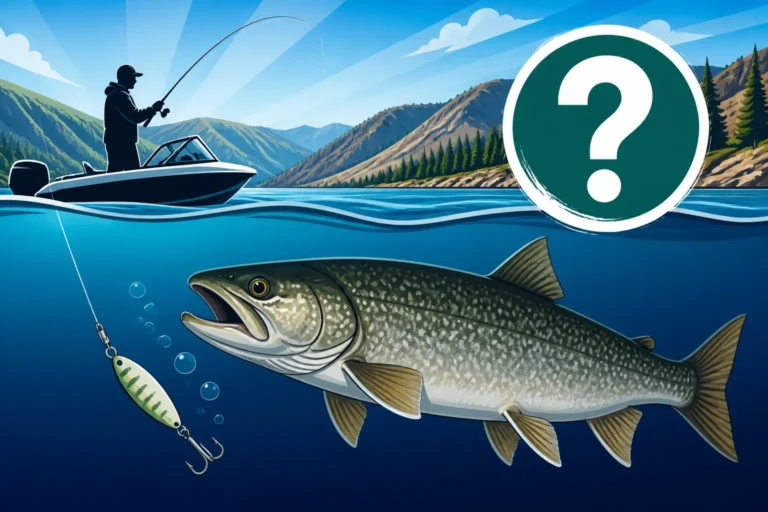
By far, the most popular and often most effective method for coho at Drano Lake is trolling with downriggers. This allows you to present your lures at specific depths where the fish are holding.
- Depth Control: Coho in Drano Lake can be found anywhere from the surface down to 30-40 feet, depending on light conditions, water temperature, and where the baitfish are. A good fish finder is invaluable for locating schools and determining their depth.
- Lures of Choice:
- Small Brad's KillerFish or Kwikfish: These plugs come in various sizes and colors, and their wobbling action is deadly for coho. Popular colors include chartreuse, green, blue, and sometimes even hot pink, often with some glitter or scale pattern.
- Spinners: Larger spinners, like a #4 or #5 Yakima Bait "Fish Flash" or similar, paired with a herring or Brad's Super Bait, can be very effective.
- Herring: Cut plug herring, either plain or dyed, trolled behind a flasher is a classic salmon killer. Use a bait briner like Pautzke Fire Brine for firmer, more durable bait.
- Flasher/Dodger Combinations: Most anglers use an inline flasher or dodger (like a "Fish Flash" or "Pro-Troll E-Chip") ahead of their lure. The flash and vibration attract fish, drawing them to your presentation. Experiment with different colors and sizes of flashers; often, brighter colors like chartreuse, pink, or chrome work well in the often cloudy or green water of Drano.
- Speed: Coho often prefer a faster troll than Chinook. Experiment with speeds from 1.5 to 3.0 mph until you find what triggers bites. Watch your rod tips for the desired action on your lure.
Anchor Fishing and Back-Bouncing
While trolling is king, anchor fishing and back-bouncing can also be productive, especially if you prefer a stationary approach or the crowds make trolling difficult.
- Anchor Fishing: Find a promising seam or drop-off, often near the mouth of the Little White Salmon River or where a current line forms, and drop anchor. You can then cast spinners, spoons, or drift baits.
- Casting Spoons/Spinners: Cast out and retrieve, varying your speed and depth. Coho will often hit on the retrieve or during a pause.
- Bobber and Jig: This is a classic method that can be very effective for aggressive coho. Use a large bobber with a weighted jig (1/2 to 1 oz) tipped with a piece of prawn or cured coho roe. Adjust your depth until you're hitting the zone where fish are. This method is often employed in the early mornings before the trolling fleet becomes too dense.
- Back-Bouncing: While more commonly associated with Chinook or steelhead in rivers, a modified back-bouncing technique can work for coho, especially in areas with a distinct current. This involves using heavy weights to keep your bait (often roe or a plug wrapped in a sardine fillet) near the bottom while slowly drifting downstream. For more on this technique, you might find our guide on Back-Bouncing Roe for Steelhead in Washington useful, as the principles are similar.
Best Baits and Lures for Drano Lake Coho
Beyond the specific techniques, having the right arsenal of baits and lures is crucial. Coho are not overly picky but do respond well to certain presentations.
- Herring (Cut Plug): A tried-and-true salmon bait. Always have some fresh or brined cut-plug herring on hand.
- Prawns/Shrimp: Cured prawns, often dyed in vibrant colors, can be threaded onto a hook or jig and are very effective.
- Coho Roe: Cured coho eggs, either in a "roe bag" or loose, are a natural attractant.
- Plugs: Brad's KillerFish, Kwikfish, or Mag Lip plugs in sizes 4.0 to 5.0. Popular colors include:
- Green/Chartreuse patterns (e.g., "Mexican Hat," "Green Dot")
- Blue/Silver combinations
- Pink/White
- Spinners: Blue Fox Vibrax, Rooster Tail, or larger inline spinners. Chartreuse, blue, or silver blades with contrasting bodies.
- Spoons: Dick Nite Spoons, Little Cleo, or similar casting spoons in silver, gold, or green.
- Jigs: Lead head jigs with soft plastic bodies (grubs, swimbaits) or marabou jigs in chartreuse, pink, or white. Tipping with a piece of prawn or squid can significantly increase effectiveness.
Pro Tip: Don't be afraid to experiment! What worked yesterday might not work today. Change colors, depths, and speeds until you crack the code.
Navigating Regulations and Etiquette at Drano Lake
Drano Lake's popularity means it can get incredibly busy, and respecting regulations and other anglers is paramount.
Essential Licenses and Endorsements
Before you even think about dropping a line, you need the right paperwork. This is a common frustration for new anglers, but it's vital for conservation and legality.
- Washington Fishing License: You'll need a valid Washington freshwater fishing license. If you're a nonresident, make sure you get the appropriate Washington Fishing License Guide for Nonresidents. You can usually get these quickly and easily; our guide on Can You Buy a Washington Fishing License Online? provides all the details.
- Columbia River Salmon and Steelhead Endorsement: This is absolutely critical for fishing Drano Lake for salmon and steelhead. Without it, your salmon catch is illegal. Understand Washington's Columbia River Salmon and Steelhead Endorsement, Explained to ensure you're covered. This separate endorsement helps fund conservation efforts specific to the Columbia River system.
- Catch Record Card: If you're targeting salmon or steelhead, a Washington Catch Record Card is required. You must punch out the date immediately upon retaining a salmon or steelhead. Failure to do so can result in fines.
Always carry your license and catch record card with you, whether in paper form or on the MyWDFW app, as wardens frequently check at Drano Lake.
Understanding Daily Limits and Rules
Drano Lake's rules can be dynamic due to the intensive management of salmon runs.
- Daily Bag Limits: Coho limits can vary. Typically, it might be 2 or 3 adult coho, but this can change based on forecasted returns and in-season updates. Always check the current Washington Fishing Regulations Every Angler Should Know pamphlet or the WDFW website/app before you go. Remember that "release all wild coho" rules might be in effect, meaning only hatchery (adipose-clipped) coho can be kept. Knowing How Bag and Possession Limits Work in Washington is key.
- Emergency Rules: Drano Lake is famous (or infamous) for emergency rule changes. Due to the high fishing pressure and the sensitive nature of salmon runs, the WDFW frequently implements emergency closures, gear restrictions, or bag limit changes, sometimes with very short notice. Our article on Emergency Rule Changes: Why Washington's Rules Shift Mid-Season explains this phenomenon. You must check the WDFW emergency rules page before every trip to Drano Lake. A great app like Fish Washington can help with this.
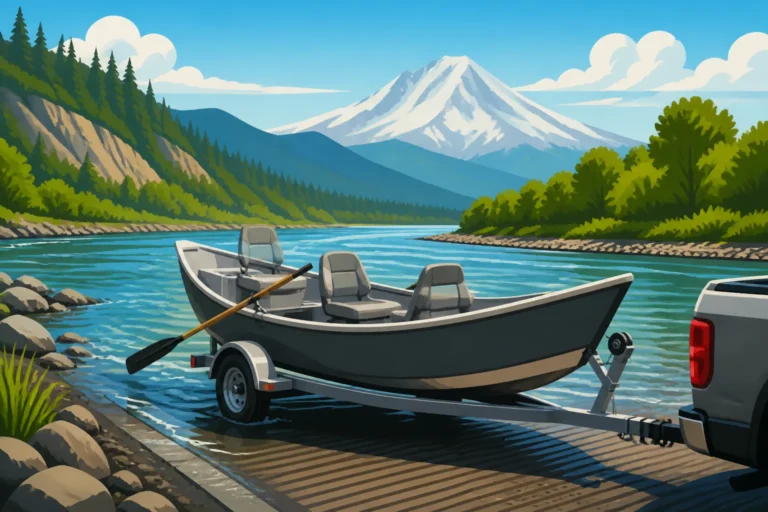
- Boat Access and Launching: Be aware of boat launch access points. The Drano Lake boat launch itself can become extremely congested, especially on weekends during peak season. Plan to arrive very early.
Dealing with Crowds and Practicing Respect
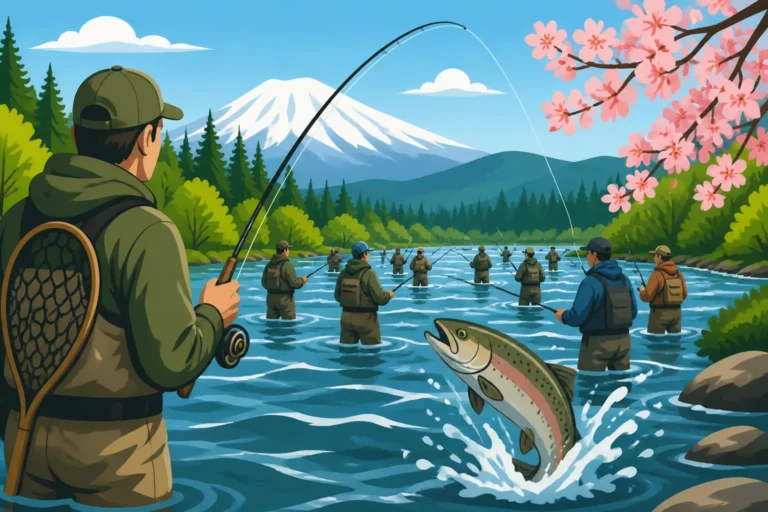
Drano Lake is not a secret. It's one of the most popular salmon fisheries in Washington, and you will encounter crowds, especially during peak coho season.
- Patience is a Virtue: Expect delays at the boat launch and a dense cluster of boats on the water. Take a deep breath, be patient, and remember everyone is there for the same reason.
- Maintain Distance: Try to give other boats enough room. If you're trolling, maintain a consistent course and speed. If you're anchored, ensure you're not cutting off a trolling lane or interfering with others.
- Communication: A friendly wave or a polite "good morning" goes a long way. If you need to cross someone's line or navigate a tight spot, a quick, clear communication can prevent headaches.
- Don't Cut Lines: Absolutely do not troll through another boat's lines. This is a cardinal sin and will earn you immediate ire.
- Respect the "Net Rule": When a boat hooks up, they typically have the right of way. Give them space to fight and net their fish. If you're the one fighting a fish, communicate with other boats if you need a little extra room.
- Cleanliness: Pack out everything you pack in. Leave no trash behind, especially around the boat launch and parking areas.
Beyond Coho: Other Species at Drano Lake
While coho might be the star of the show, Drano Lake offers opportunities for other impressive anadromous fish.
Chinook Salmon Opportunities
Drano Lake also sees a significant return of Chinook salmon, particularly in the spring and fall. These "kings" are the largest of the Pacific salmon and provide an incredible fight.
- Spring Chinook: A highly anticipated, albeit short, fishery typically occurs in late April and May for spring Chinook (often called "springers"). These fish are prized for their fat content and exceptional table fare. The techniques are similar to coho, but often involve deeper trolling with larger plugs or herring.
- Fall Chinook: A smaller run of fall Chinook will mix with the coho in late summer and fall. You might hook into a large fall Chinook while targeting coho, which is always a welcome surprise!
- Regulations: Just like coho, Chinook regulations are meticulously managed and subject to frequent changes. Make sure you're aware of specific Chinook seasons and limits, especially if you plan to target them intentionally. Consider booking Columbia River Guided Salmon and Steelhead Trips in Washington to get the most up-to-date intel on all salmon runs.
Other Fish You Might Encounter
Beyond salmon, Drano Lake and the Little White Salmon River also hold other species.
- Steelhead: Both summer and winter steelhead runs utilize the Little White Salmon River, meaning you might occasionally hook into a beautiful, chrome-bright steelhead while fishing for salmon. Remember that steelhead regulations are often even more stringent, with many areas requiring immediate release of wild steelhead.
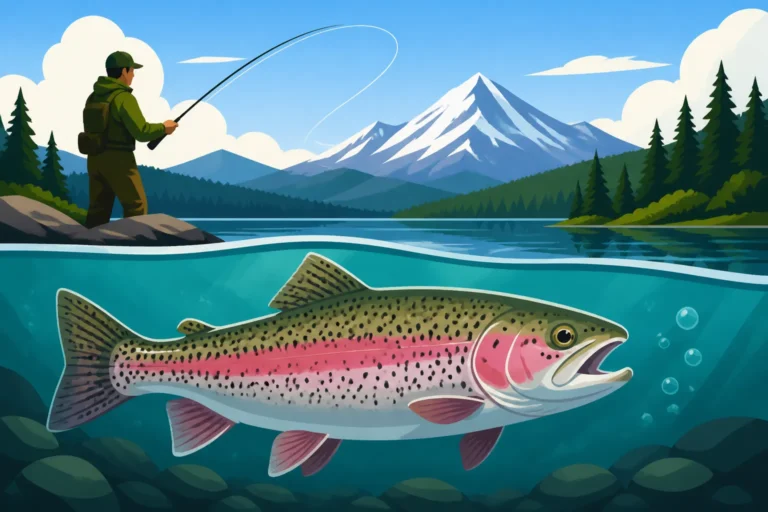
- Trout: Resident rainbow trout and cutthroat trout can also be found in the system, especially further up the Little White Salmon River.
- Smallmouth Bass: Given its connection to the Columbia, it's not uncommon to find smallmouth bass in Drano Lake, particularly in warmer months. They offer a fun alternative if the salmon aren't biting.
Drano Lake truly offers some phenomenal fishing when the coho are in. It's a place where memories are made, stories are told, and coolers are filled, provided you do your homework, respect the rules, and practice patience with your fellow anglers. Good luck out there, and tight lines!
Disclaimer
Fishing regulations, seasons, and access can change rapidly. Always consult the official Washington Department of Fish and Wildlife (WDFW) website or current regulations pamphlet before planning any fishing trip to ensure you have the most up-to-date and accurate information. This guide is for informational purposes only and does not supersede official regulations.