Does the Kalama Have a Spring and Fall Run?
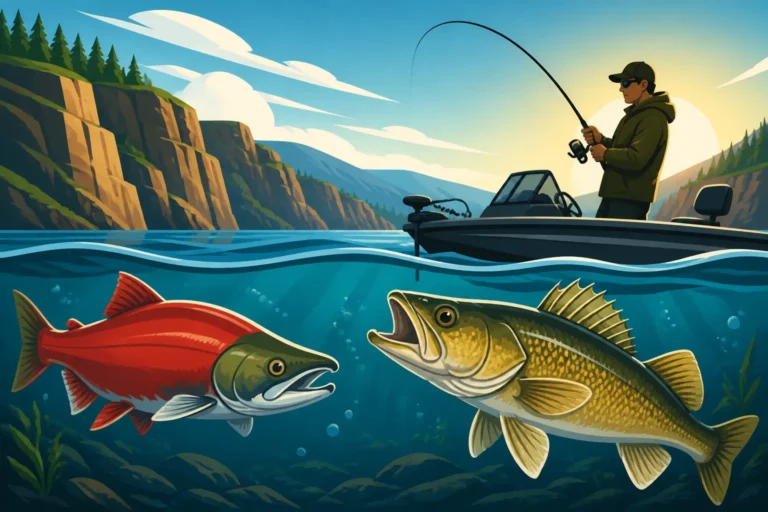
One of the most common questions anglers new to Southwest Washington ask, or even seasoned veterans planning their yearly trips, is about the distinct salmon and steelhead runs on specific rivers. It's easy to get confused with all the different species and seasons, especially when you're trying to nail down whether a particular river, like the famous Kalama, offers good fishing opportunities throughout the year. This guide is here to untangle that very question, providing a deep dive into the Kalama River's spring and fall fisheries and what you can expect as an angler.
Understanding Washington's River Systems and Fish Runs
Before we dive specifically into the Kalama, it’s helpful to understand the general pattern of anadromous fish runs in Washington rivers. Anadromous fish, like salmon and steelhead, spend part of their lives in the ocean and return to freshwater rivers to spawn. These returns aren't a continuous, year-round flow; instead, they happen in distinct "runs" tied to specific seasons, which are primarily influenced by water temperatures, flow rates, and the biological clock of each species. You'll often hear about spring, summer, fall, and winter runs, each bringing different species and fishing opportunities.
For instance, spring runs typically involve Chinook salmon returning early in the year, often through April, May, and June, while fall runs might see a surge of Coho and later Chinook in September and October. Steelhead also have distinct winter and summer runs. Knowing these general patterns is crucial for planning your trips, as trying to catch a spring Chinook in December, for example, would be a fruitless endeavor! The timing and strength of these runs can vary yearly due to environmental factors and hatchery releases, making it essential to stay updated on Washington Fishing Seasons: A Month-by-Month Guide and any emergency rule changes.
The Kalama River's Renowned Spring Chinook Run
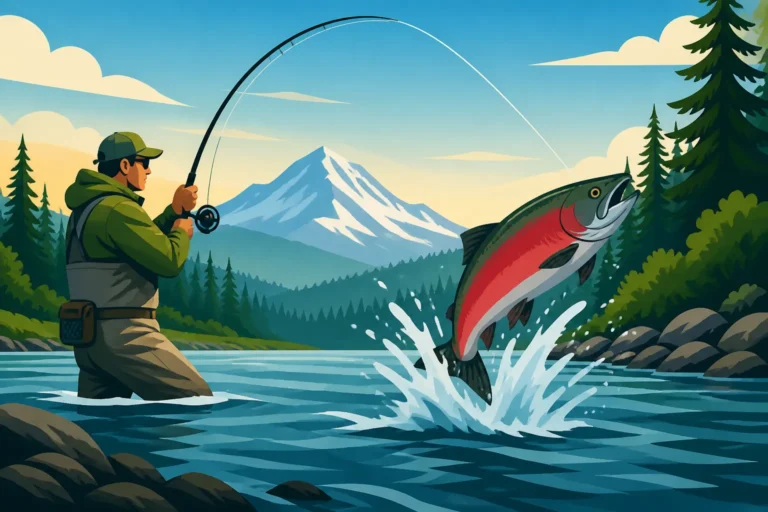
Yes, absolutely! The Kalama River is famously known for its vibrant spring Chinook (King salmon) run, making it a highly anticipated destination for many anglers in Southwest Washington. This run is a true highlight of the angling calendar and draws a dedicated crowd.
Timing and Characteristics of Spring Chinook
The spring Chinook typically begin to show up in the Kalama River as early as late March, with the run building through April, May, and into early June. These are magnificent fish, often still bright and chrome, carrying plenty of fight after their journey from the ocean. They are prized for their quality, both for sport and on the table. Unlike their fall counterparts, springers tend to move upriver more slowly, often holding in deeper pools and slower runs, making them a challenge but a rewarding catch. The early part of the run often sees fish migrating through the lower river sections closer to its confluence with the Columbia River, eventually spreading throughout the system as water conditions allow. Many of these fish are hatchery-origin, fin-clipped fish destined for the Kalama Falls Hatchery, providing consistent angling opportunities. You can often find detailed information about the timing of these runs through local tackle shops or by checking the Where to Find Current Washington Fishing Rules published by the Washington Department of Fish and Wildlife (WDFW).
Effective Techniques for Spring Chinook
When targeting these powerful spring Chinook, anglers often employ a few tried-and-true techniques. Drift fishing with cured roe or Cheaters is incredibly popular. Anglers will often rig their bait to bounce along the bottom, presenting it directly in the fish's travel lane. This method requires a good feel for the river bottom and the ability to detect subtle bites. Another effective approach is plunking, especially in the lower river sections where fish might be staging. This involves anchoring a heavy weight and spreading a scent-laden bait, like a Spin-N-Glo or a cluster of roe, in the current. These techniques are often highlighted in guides about Bank Fishing Techniques for Washington Salmon, as the Kalama offers excellent bank access in many areas. For those fishing from a boat, back-trolling plugs or bait can also be highly effective, especially in the deeper, slower sections of the river where springers often hold. Remember, these fish can be finicky, so varying your presentation, bait color, and scent can often make the difference between a slow day and a successful one.
The Kalama River's Notable Fall Salmon and Steelhead Runs
Beyond the spring Chinook, the Kalama River also experiences robust fall runs of various salmon species and a strong showing of winter steelhead, extending the fishing season well into the colder months. This provides a diverse fishery that appeals to anglers with different preferences and techniques.
Timing and Species Breakdown for Fall Runs
As summer begins to wane, usually around late August and early September, the Kalama starts to see the first waves of its fall salmon runs. This period kicks off with a surge of Coho salmon (silver salmon), which can offer some incredibly aggressive bites and acrobatic fights. These fish are typically followed by or intermingle with the river's fall Chinook run, which tends to peak in September and October. While perhaps not as famed as the spring Chinook, the fall Kings are still significant, offering anglers another chance at these trophy fish.
As the fall salmon runs begin to subside, typically from November through March, the focus shifts to winter steelhead. The Kalama River is well-regarded for its winter steelhead fishery, attracting dedicated steelheaders who brave the colder, wetter conditions for a chance at these magnificent sea-run rainbow trout. You can get more details on When Coho Salmon Run in Washington and the timing of other species, which helps plan your trips effectively. These multiple runs truly make the Kalama a year-round destination for dedicated anglers.
Fishing Strategies for Fall Species
Fishing the Kalama during the fall requires adapting your techniques to the different species and conditions. For fall Chinook and Coho, drift fishing with roe, beads, or even larger artificial lures like Spin-N-Glos remains a top producer. Coho, in particular, are often very responsive to twitching jigs or casting spinners and spoons in faster water. Fly anglers can also find success targeting Coho with aggressive patterns that mimic baitfish.
When the winter steelhead arrive, the game changes slightly. While drift fishing with bait (like roe bags or shrimp) or artificials (such as Corkies and yarn) is paramount, many anglers also find success with float fishing techniques, especially with jigs tipped with bait. This allows for a more controlled drift through deeper holes and subtle current breaks where steelhead often hold. Understanding Drift Fishing for Steelhead in Washington Rivers is key to success on the Kalama during this period. For the adventurous fly angler, nymphing or swinging flies can also be very effective, especially in specific stretches of the river that lend themselves to fly casting. Regardless of your chosen method, checking How Bag and Possession Limits Work in Washington is always essential before heading out, as regulations can change based on run strength and specific dates.
Factors Influencing Kalama River Runs and Fishing Success
Successful fishing on the Kalama, like any river system, isn't just about knowing when the fish are supposed to be there; it's also about understanding the dynamic factors that influence their migration and your ability to catch them.
Water Levels and Temperature
The health of the Kalama River's runs and the success of your fishing trip are heavily dependent on environmental conditions, particularly water levels and temperature. During the spring Chinook run, consistent rainfall helps maintain good water levels, encouraging fish to move upstream. Too low, and fish might stall in the lower river; too high and blown out, and they can be hard to locate and the fishing can be dangerous. Similarly, for fall salmon and winter steelhead, rain events are often crucial. A fresh shot of rain can trigger new waves of fish to enter the river from the Columbia and push existing fish further upstream.
Water temperature also plays a significant role. Salmon and steelhead prefer specific temperature ranges, and deviations can affect their willingness to bite or even their migration patterns. Unseasonably warm water, for example, can stress fish and make them less active. Always check current river conditions before you go. Websites like the USGS often provide real-time flow data, which, when combined with local weather forecasts, gives you a clearer picture of what to expect. This kind of situational awareness is vital for angling success and safety.
Emergency Rules and Hatchery Programs
Washington's fishing regulations are not set in stone for the entire year; they are dynamic and can change frequently, sometimes even in the middle of a season. The Kalama River, being a significant salmon and steelhead producer with both wild and hatchery fish, is often subject to these adjustments. Factors like lower-than-expected returns, unforeseen environmental conditions, or conservation efforts can lead to WDFW issuing Emergency Rule Changes: Why Washington's Rules Shift Mid-Season. These changes can modify bag limits, gear restrictions, open/closed areas, or even completely shut down a fishery.
The Kalama Falls Hatchery plays a critical role in supplementing the river's runs, particularly for spring Chinook and winter steelhead. These hatchery programs aim to provide sustainable fishing opportunities while protecting wild stocks. However, reliance on hatcheries also means that the success of a run can be tied to hatchery production goals and releases. Sometimes, anglers planning a trip might consider looking up a reputable guide on platforms like FishingBooker to ensure they are fully up-to-date on all the nuances of the Kalama fishery and regulations. They can provide invaluable real-time insights that complement published regulations, helping you navigate the complexities of Washington Fishing Regulations Every Angler Should Know.
Tips for Fishing the Kalama River
Fishing the Kalama River can be a truly rewarding experience, but a little preparation and local knowledge can go a long way. Here are some practical tips to enhance your chances of success and ensure a smooth trip.
Essential Gear and Tackle Recommendations
For spring Chinook, a medium-heavy baitcasting or spinning rod (8'6" to 10'6") capable of handling 15-30 lb line is ideal, paired with a reliable reel spooled with strong braided line and a fluorocarbon leader. When targeting the powerful fall Chinook, you'll want similar robust gear. For Coho, a slightly lighter setup might be more enjoyable, perhaps a medium-action rod. Winter steelhead typically call for a medium-light to medium-action rod in the 9' to 10'6" range, often with a sensitive tip for detecting subtle bites, especially if you're drift fishing with lighter presentations.
When it comes to terminal tackle, bring a good assortment of lead weights (e.g., slinky weights, pencil lead, cannonball sinkers) to match current conditions, along with various float sizes if you're float fishing. Hooks should be sharp and strong, appropriate for the species you're targeting; size 1/0 to 3/0 for salmon, and size 2 to 1/0 for steelhead are common starting points. Bait-wise, cured salmon roe (often in mesh bags), sand shrimp, and sometimes even prawns are go-to choices. For artificials, pack a variety of Spin-N-Glos, Corkies, Cheaters, jigs (especially for Coho and steelhead), and perhaps some spoons or spinners. Don't forget swivels, beads, and plenty of leader material. A good net, a pair of pliers, and a reliable filet knife are also essential.
Access Points and Angler Etiquette
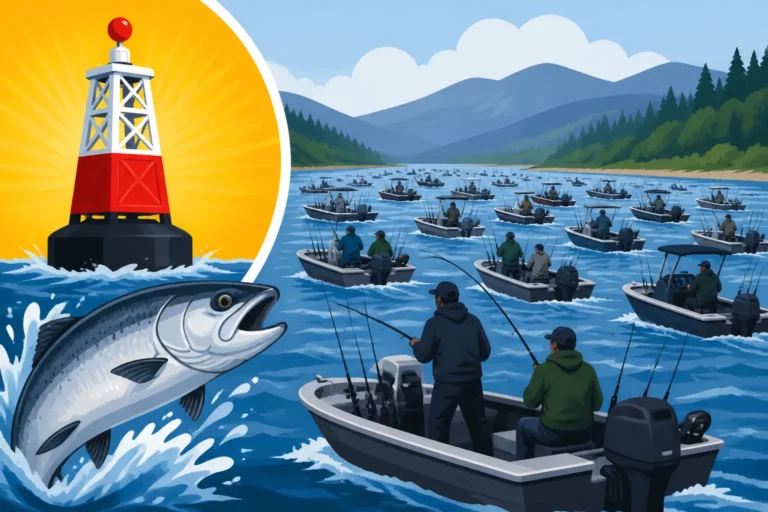
The Kalama River offers numerous access points for both bank anglers and those looking to launch a drift boat or raft. Popular spots include the lower river near the hatchery, Modrow Bridge, and various pull-offs along the Kalama River Road. Many of these spots are well-known, and can get crowded during peak seasons, especially when The Kalama River in Washington for Spring Chinook run is strong. Parking can be limited, so arrive early, especially on weekends.
When fishing, always practice good angler etiquette. This includes giving fellow anglers ample space, refraining from casting over other lines, and being mindful of noise levels. If you're drifting the river by boat, communicate with other boaters and bank anglers to ensure everyone has a safe and enjoyable experience. Respect private property and always pack out everything you pack in, leaving no trace behind. Checking local maps and discussing current access with a local tackle shop or even a guide booked through FishingBooker can provide the most up-to-date information on river conditions and access nuances. Be sure to understand Understanding Washington's Daily Bag Limits by Species to ensure you comply with all regulations.
| Run/Species | Typical Timing | Primary Techniques | Key Considerations |
|---|---|---|---|
| Spring Chinook | Late March – Early June | Drift fishing (roe, Cheaters), Plunking, Back-trolling | Prized for quality, often hold in deeper pools |
| Fall Chinook | September – October | Drift fishing (roe), Plunking, Casting plugs | Can be aggressive, good fighters |
| Coho Salmon | Late August – October | Twitching jigs, Spinners, Spoons, Fly Fishing | Very acrobatic, responsive to active presentations |
| Winter Steelhead | November – March | Drift fishing (roe, beads), Float fishing (jigs), Fly Fishing | Requires patience, often in colder, higher water |
The Kalama River: A Year-Round Destination
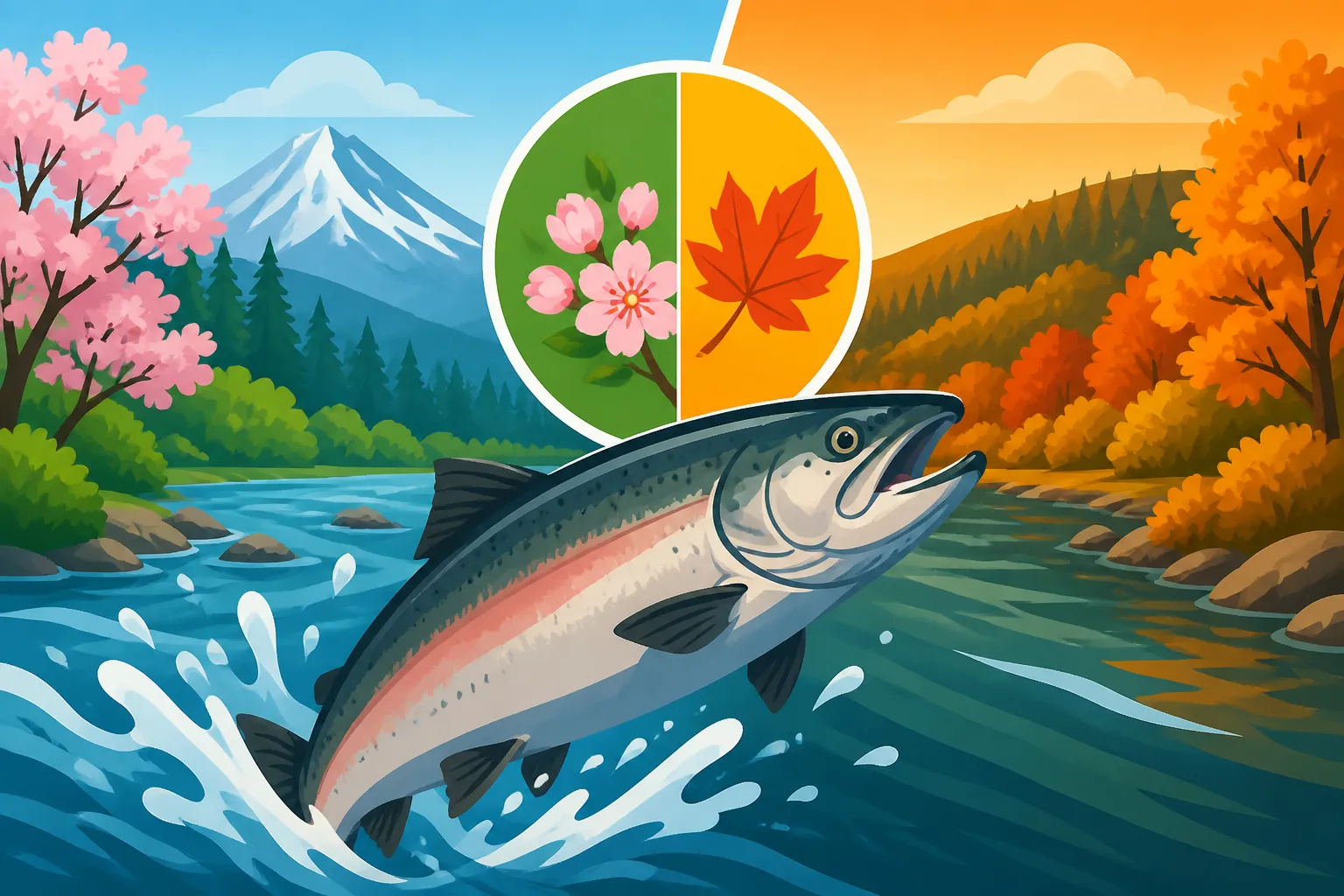
So, to answer the burning question: yes, the Kalama River absolutely has both spring and fall runs, providing fantastic and distinct fishing opportunities throughout much of the year. From the highly sought-after spring Chinook in April and May, through the bustling fall Coho and Chinook season, and into the dedicated pursuit of winter steelhead, the Kalama truly offers something for every angler. It's a testament to Washington's diverse fisheries, and with the right preparation and respect for the resource, you can enjoy its bounty season after season. Just remember to always check the latest regulations and river conditions before you head out, and consider booking with a local expert through platforms like FishingBooker if you want to maximize your chances and learn the local secrets.
Disclaimer
Fishing conditions and regulations in Washington State can change rapidly due to emergency closures, environmental factors, or conservation efforts. Always consult the official Washington Department of Fish and Wildlife (WDFW) regulations and emergency rule updates before planning and embarking on any fishing trip. This guide is for informational purposes only and does not supersede official WDFW regulations.