How Crowded the Cowlitz Gets in Spring
If you've ever dreamt of landing a magnificent spring Chinook or a robust steelhead on Washington's famed Cowlitz River, you're not alone. The challenge isn't always finding the fish, but finding a quiet piece of water to cast into, especially during the spring runs. This guide will walk you through the realities of fishing the Cowlitz in spring, what to expect regarding crowds, and how you can still enjoy a successful and less-stressful trip on this incredible river.
Understanding the Cowlitz River's Spring Allure
The Cowlitz River is a true gem in Washington State, renowned for its strong returns of salmon and steelhead. It's often called the "Workhorse of the Columbia System" due to its consistent fisheries, particularly for hatchery-produced fish. However, this very reputation is a double-edged sword, making it an undeniable magnet for anglers, especially as the spring season unfolds.
Why Spring Draws Such a Crowd to the Cowlitz
Spring on the Cowlitz isn't just a season; it's an event. As the days lengthen and the river temperatures begin to rise, it signals the arrival of two highly anticipated runs: spring Chinook salmon and summer steelhead. Spring Chinook, often called "spring kings," are revered for their exceptional table fare and incredible fighting ability. These fish start pushing into the river system as early as March and peak through April and May, sometimes even into June. Just as the Chinook begin their ascent, the first waves of summer steelhead also make their appearance, providing another exciting target for anglers. This overlap of prime fishing opportunities for two highly sought-after species creates a perfect storm for congestion.
Anglers travel from all over the Pacific Northwest, and sometimes even further, to experience these runs. The sheer promise of a "super-bright" spring Chinook, fresh from the ocean, is enough to get seasoned anglers out of bed before dawn. Add to that the aggressive takes of summer steelhead, and you have a recipe for heavy fishing pressure. The hatchery system on the Cowlitz further contributes to its popularity, as it provides more consistent returns compared to many wild-run-only rivers, giving anglers a better chance at success and contributing to the belief that the fish will always be there, even with crowds. You can learn more about specific runs and timings in our comprehensive guide, Washington Fishing Seasons: A Month-by-Month Guide.
Prime Times and Peak Runs
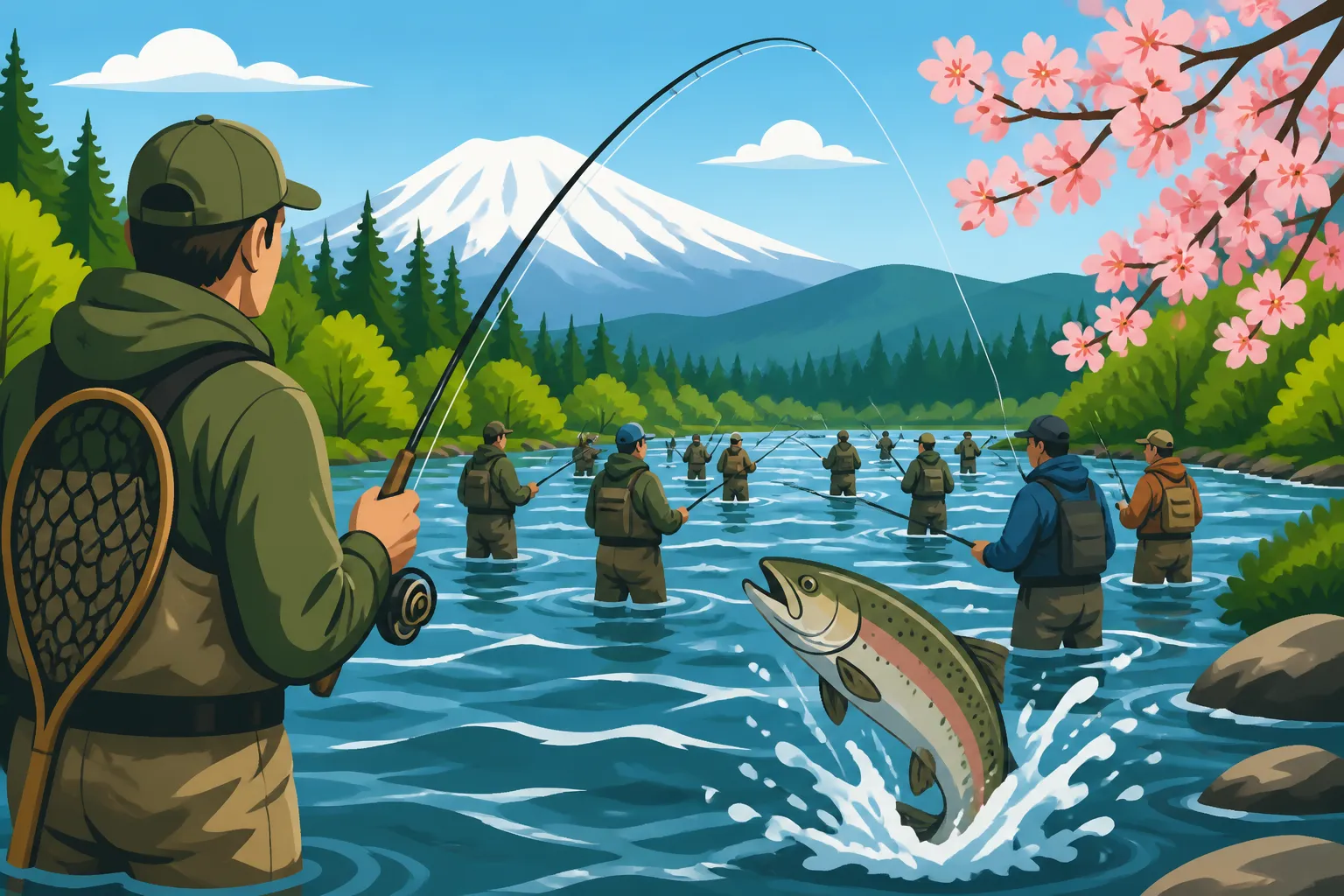
If you're looking to avoid the most intense crowds, understanding the timing of these runs is crucial. The peak of the spring Chinook run typically occurs from mid-April through May. During these weeks, especially on weekends and holidays, you can expect boat launches to be overflowing, popular bank access points to be shoulder-to-shoulder, and the river itself to resemble a floating parade of drift boats and jet sleds. Similarly, while summer steelhead will be present, their numbers generally swell later into the spring and early summer, meaning you might find slight relief from the sheer volume of anglers if you target them specifically outside the absolute peak Chinook times.
It's not just the species; water conditions also play a huge role. If the river is at a perfect flow and clarity after a stretch of unfavorable weather, expect everyone who’s been waiting to hit the water at once. A "perfect" fishing day, with ideal river conditions and prime timing in the run, will inevitably be the busiest. Staying up-to-date on regulations is also critical, as emergency rule changes can sometimes concentrate effort into smaller windows or specific areas. For detailed information on the Cowlitz, check out our piece on Fishing the Cowlitz River for Steelhead and Salmon in Washington.
Navigating the Crowds: What to Expect on the Water
When you arrive at the Cowlitz River during spring, especially on a prime weekend, the first thing you'll likely notice is the sheer number of vehicles at the boat launches and parking areas. It can be a little daunting, even for experienced anglers who are used to crowded waters.
Popular Access Points and Their Impact
Certain stretches of the Cowlitz are notoriously popular due to their easy access and historical productivity. Areas like the Blue Creek Hatchery, Barrier Dam, and spots around Toledo and Castle Rock, particularly those with public boat launches or established bank fishing areas, are almost guaranteed to be bustling. At Blue Creek, for instance, you'll often see a line of anglers patiently waiting their turn to fish a specific hole or drift. This concentration of effort means that even if the fish are plentiful, you're competing with many other lines in the water, which can make fishing less enjoyable and tangles more common.
The impact of these popular spots extends beyond just the immediate area. A jam-packed boat launch means longer wait times to get your boat in and out of the water, eating into your precious fishing time. Similarly, at bank fishing spots, you might find yourself needing to adapt your casting or retrieve to avoid interfering with your neighbors. This isn't necessarily a bad thing, as most anglers are respectful, but it does require an extra layer of awareness and patience. Knowing Is There Boat Launch Access on the Cowlitz River in Washington? can help you plan, but just remember "access" doesn't mean "unoccupied."
The Boat Traffic Experience
For those who prefer to fish from a drift boat or jet sled, the Cowlitz in spring can be a dynamic, often chaotic, experience. You’ll be sharing the water with dozens, sometimes hundreds, of other boats, all looking for their slice of the river. Drifting popular sections means being mindful of other boats around you – maintaining appropriate spacing, communicating with fellow anglers, and being prepared for sudden maneuvers. Jet sleds, while offering more mobility to reach less-frequented areas, still contribute to the overall traffic, especially in main travel lanes.
Think of it like rush hour traffic on the water, but with fishing rods involved. One boat hooking a fish can temporarily halt a drift, creating a bottleneck that quickly backs up other boats. While most boaters are courteous, the sheer volume can lead to frustrations. It’s not uncommon to see multiple boats working the same drift, one after another, all hoping to intercept a passing salmon or steelhead. Understanding Drift Fishing for Steelhead in Washington Rivers can give you an edge, but even the best technique needs space to shine.
Bank Angler Congestion
If you're a bank angler, spring on the Cowlitz can feel like a game of musical chairs. Popular spots are often taken before dawn, with anglers staking out their territory for the day. Finding an open spot where you can comfortably cast and work your gear might require some exploration, or simply accepting a tight squeeze. The good news is that bank anglers often share information and foster a sense of camaraderie, but personal space becomes a luxury.
You might find yourself casting side-by-side with strangers, learning to cast under new constraints, and being extra careful with your backcast. Certain techniques, like plunking, are particularly suited to crowded bank scenarios as they require less active casting and more patient waiting. However, if you prefer to cover water or employ more active casting methods, the congestion can certainly limit your options and freedom. Check out our guide on Bank Fishing Techniques for Washington Salmon for tips that can work in these busy environments.
Strategies for a More Serene Cowlitz Spring Fishing Trip
While the Cowlitz River can get busy in the spring, it doesn't mean you have to abandon your hopes of a rewarding trip. With a little planning and a willingness to adapt, you can significantly improve your experience.
Timing Your Trip
One of the most effective ways to dodge the heaviest crowds is to be strategic about when you fish. Weekdays are almost always less crowded than weekends. If you have the flexibility, plan your Cowlitz adventures for a Tuesday or Wednesday instead of a Saturday or Sunday. Even on a weekend, arriving before first light, sometimes as early as 3 or 4 AM, can give you a precious couple of hours of less-pressured water before the main influx of anglers arrives. Similarly, fishing late into the evening can offer a more peaceful experience as many anglers head home after the afternoon bite.
Consider the weather, too. A rainy or overcast day might deter some fair-weather anglers, leaving more space for those willing to brave the elements. While it might not be the most comfortable, fishing in less-than-perfect weather can sometimes pay off with more solitude and focused fishing opportunities.
Exploring Less-Frequented Zones
While the popular spots are popular for a reason, there are often lesser-known or harder-to-access areas that receive less pressure. This might involve a bit more walking, utilizing a smaller launch, or simply studying a map to find stretches of river that aren't immediately adjacent to a major road or a well-known hole. Sometimes, even just moving a hundred yards upstream or downstream from a popular access point can make a noticeable difference in crowding. These areas might require different techniques or a willingness to explore, but the payoff can be a more personal fishing experience.
Don't be afraid to try stretches of river that don't look like classic "holding water" at first glance. Sometimes, fish are simply moving through and can be intercepted in less obvious spots. Experimenting with different depths and currents can reveal hidden gems. Always ensure you're aware of current regulations, as certain areas may have specific rules. For example, knowing Gear Allowed on the Cowlitz in 2026 is crucial, as some gear types might be restricted in certain zones, which could affect your approach to less-frequented areas.
Considering a Guided Trip
If you want to maximize your chances of success and minimize the stress of navigating crowded waters, booking a guided trip is an excellent option. Experienced Cowlitz guides know the river intimately, often have private access points or understand how to work around the crowds to find fish. They can position their boat effectively, guide you on what to expect, and help you land fish even when the river is bustling. A good guide isn't just about finding fish; it's about providing a low-stress, enjoyable experience.
Platforms like FishingBooker are fantastic resources for finding reputable guides on the Cowlitz. You can browse different captains, read reviews, compare prices, and find a guide whose style matches your preferences. They often handle all the gear, bait, and even basic fish cleaning, allowing you to focus purely on the fishing. If you're new to the river or just want to avoid the logistical headaches, a guided trip can be well worth the investment. Plus, a guide will ensure you're fishing legally and ethically, reducing any worries about unknowingly violating a rule. For more details on this, check out Booking a Guide for the Cowlitz River in Washington.
Practical Tips for a Positive Experience (Even in a Crowd)
Even with the best planning, you'll likely encounter some level of crowding on the Cowlitz in spring. Adopting a few practical strategies can help you maintain a positive attitude and still have a great day on the water.
Etiquette on a Crowded River
River etiquette is paramount, especially on a busy waterway like the Cowlitz. Always give fellow anglers ample space. If you're drift fishing, try to maintain a consistent drift that doesn't cut off or crowd boats ahead of you. For bank anglers, respect established boundaries, and avoid casting over other people's lines. A simple "hello" and a friendly demeanor go a long way in fostering a positive atmosphere. If you hook a fish, be mindful of your surroundings and communicate with those around you, so they can clear their lines if necessary. Remember, everyone is out there for the same reason, and a little courtesy makes the experience better for everyone.
It's also essential to be aware of the "flow" of the river – where people are typically drifting, casting, or walking. Don't be the person who tries to push into a tightly packed hole without asking or who sets up directly in front of someone already fishing. If you see an open spot, a polite inquiry can often secure your place without confrontation. Understanding Tipping Etiquette for Washington Fishing Guides is also a good idea if you plan on a guided trip, ensuring you know how to properly appreciate their hard work in these challenging conditions.
Gear Considerations
When fishing in crowded conditions, having the right gear can make a difference. For bank anglers, a longer rod can help you make longer casts to reach less-pressured water, or more precise casts to avoid other lines. For boat anglers, a good net that can quickly secure a fish will help you get it in the boat and release it or put it on the stringer faster, reducing the time your boat is stationary and potentially causing a pile-up. Consider your leader material; using fluorocarbon can offer a stealthy presentation that might entice bites even in heavily fished waters.
Also, prepare for tangles. When many lines are in the water, tangles happen. Have extra leaders, hooks, and weights ready so you can quickly re-rig and get back to fishing without frustration. Don't forget a pair of line clippers and pliers. Being organized and efficient with your gear can save you a lot of headaches and allow you to make the most of your time on the water, even if it's a bit of a circus. Always double-check what you need for your trip, especially concerning specific species you're targeting; for instance, familiarizing yourself with Are Cowlitz River Salmon Open in 2026? can help ensure you have the correct legal gear and methods ready.
Cowlitz River Spring Crowding Overview
To give you a clearer picture, here's a general overview of what to expect regarding crowd levels during the spring season on the Cowlitz:
| Factor | Peak Spring Chinook (April-May) | Early Spring (March) | Late Spring (June) |
|---|---|---|---|
| Weekends | Extremely High | High | Moderate-High |
| Weekdays | High | Moderate | Moderate |
| Boat Launches | Very Congested | Congested | Moderately Congested |
| Bank Fishing | Shoulder-to-Shoulder | Crowded | Manageable |
| Target Species | Chinook, Steelhead | Steelhead (early), Chinook | Steelhead, Chinook (late) |
| Overall Vibe | Competitive, Exciting | Hopeful, Less Intense | Relaxed, But Still Active |
Note: This table represents general trends. Actual crowding can vary based on fish returns, weather, and specific emergency rule changes. Always check current conditions and regulations before you go. It's vital to reference official sources like the WDFW site to ensure you're compliant with Washington Fishing Regulations Every Angler Should Know and fill out your The Washington Catch Record Card and What It Requires accurately.
Disclaimer
Fishing conditions and regulations in Washington State can change rapidly. Always consult the official Washington Department of Fish and Wildlife (WDFW) website or the latest fishing pamphlet for the most current rules, seasons, and emergency closures before heading out. The information provided in this guide is for general informational purposes only.