Crabbing and Shellfishing in Washington’s Puget Sound
The shimmering waters of Washington's Puget Sound call to so many of us, not just for the thrill of a salmon on the line, but for the promise of a different kind of harvest: the bounty of crabs, clams, and other delectable shellfish. It's a deeply satisfying pursuit, one that connects us directly to the natural world and rewards us with some of the freshest, most delicious seafood imaginable. But let's be honest, navigating the regulations, understanding the best techniques, and knowing what gear you really need can feel like trying to untangle a hundred feet of crab pot line. This comprehensive guide is here to unravel all those complexities, making your Puget Sound crabbing and shellfishing adventures not just successful, but truly enjoyable.
The Allure of Washington's Puget Sound Shellfish
There's something uniquely special about dipping your hands into the cold, briny waters of Puget Sound and pulling up your dinner. Unlike lake fishing or even river fishing, shellfishing in this vast inland sea feels like uncovering a secret treasure. The Puget Sound, with its intricate network of inlets, bays, and tide flats, is a powerhouse of marine biodiversity, offering an incredible array of opportunities for the dedicated harvester. It’s not just about the food; it's about the entire experience – the crisp morning air, the call of gulls, the anticipation of checking your pots, or the meditative rhythm of digging for clams at low tide.
A Rich Tapestry of Marine Life
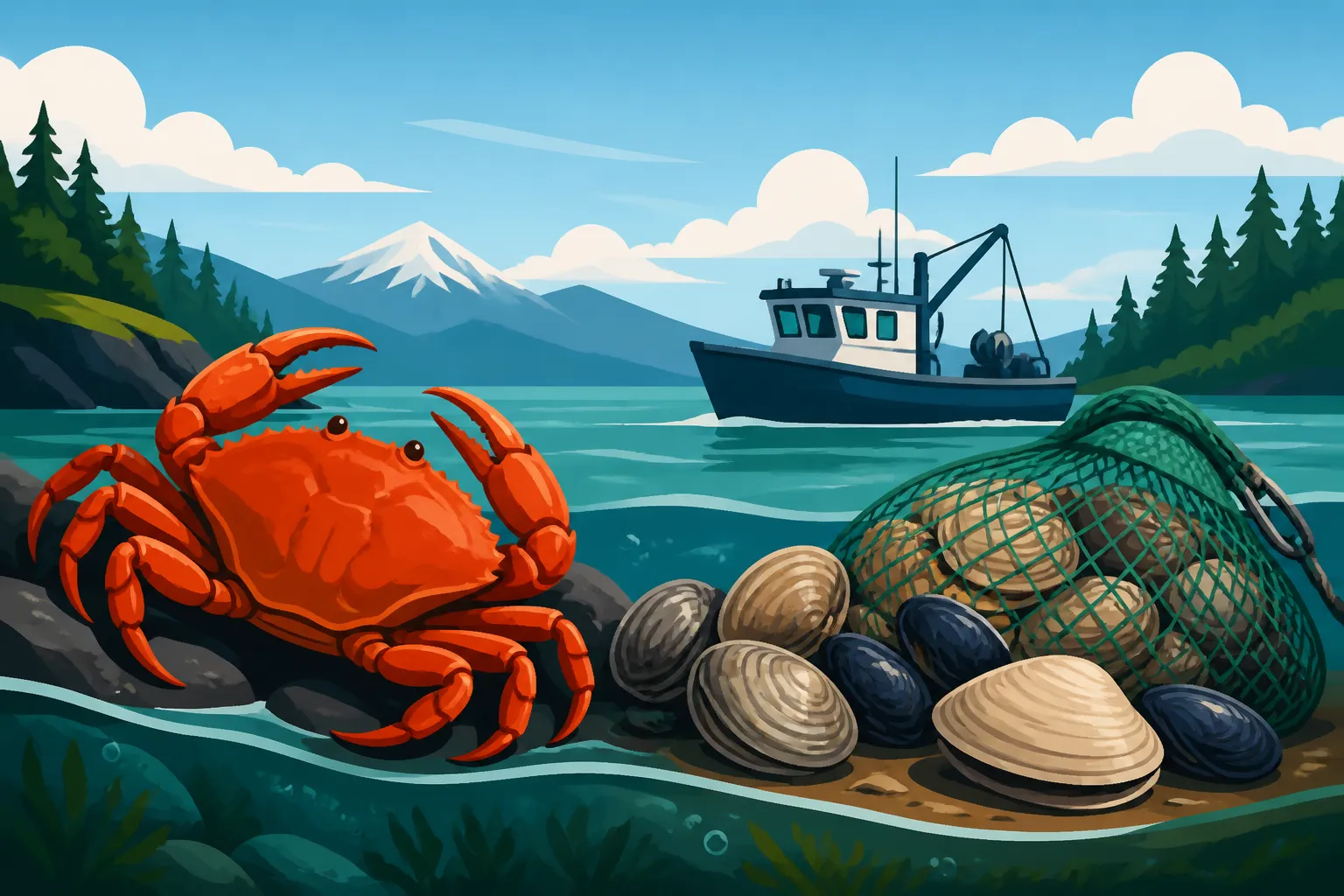
Puget Sound is a biological marvel, a dynamic ecosystem that supports a stunning variety of shellfish. When we talk about crabbing, most people immediately think of the iconic Dungeness crab, renowned for its sweet, succulent meat. But the Sound also hosts abundant Red Rock crab, with their vibrant coloring and surprisingly dense, flavorful claws. Move from the depths to the tide flats, and you enter the world of bivalves. You'll find a smorgasbord of clams, including the popular Manila clams, the meaty Butter clams, and the delightful Littleneck clams, each with its own distinct flavor and texture. Oysters, both wild and cultivated, cling to rocks and populate beds, offering another delicious option. And for those seeking a true delicacy, the elusive Spot Prawns make an appearance during their brief, highly anticipated season.
This incredible diversity isn't accidental. The unique geological features of Puget Sound, with its deep basins, nutrient-rich currents, and sheltered shorelines, create ideal habitats for these creatures. The mix of sandy bottoms, rocky reefs, and muddy estuaries provides perfect breeding and feeding grounds, ensuring a robust and renewable resource for those who know where and how to look. It’s a privilege to be able to access such a vibrant food source, right here in our backyard, making responsible harvesting practices all the more important for future generations.
The Joy of "Catching Your Dinner"
There's an undeniable satisfaction that comes from bringing home a meal you've harvested yourself. It transcends the simple act of eating; it's a primal connection to the land and sea, a reward for effort and patience. Imagine the scene: you've spent the morning out on the water, the sun warming your face, and now you're pulling up a pot heavy with Dungeness crabs. Or perhaps you've been working the tide flats, the rhythmic thunk of your clam shovel eventually yielding a bucket brimming with fresh Manilas. This isn't just grocery shopping; it's an adventure.
The experience often becomes a cherished tradition, a reason to gather with family and friends. Kids especially love the excitement of seeing what comes up in the crab pot or the thrill of uncovering a clam buried just beneath the surface. And then, of course, there's the feast itself. Steaming Dungeness crab, shucking fresh oysters, or preparing a delicious clam linguine – the flavors are incomparable, imbued with the taste of the sea and the satisfaction of a job well done. It’s a wholesome, rewarding pursuit that nourishes both body and soul.
Understanding the Rules and Regulations
Stepping into the world of crabbing and shellfishing in Washington's Puget Sound is incredibly rewarding, but it’s absolutely essential to remember that it comes with a strict set of rules. The Washington Department of Fish and Wildlife (WDFW) works tirelessly to manage these precious resources, ensuring their sustainability for everyone. Ignoring these regulations isn't just frowned upon; it can lead to hefty fines, confiscation of gear, and even loss of fishing privileges. Trust me, the momentary thrill of keeping one too many crabs or an undersized clam is never worth the headache and cost of a violation. Always, always check the latest WDFW regulations before heading out. They can and do change frequently, often mid-season, so a quick check online is your best friend.
Licenses, Endorsements, and Catch Record Cards
Before you even think about dropping a crab pot or digging a clam, you need to ensure you're properly licensed. For most adults and older youth, this means having a valid Washington fishing license. But that's not all! To legally harvest shellfish, you’ll also need to purchase a Shellfish/Seaweed Endorsement which is typically an add-on to your general fishing license. This endorsement specifically covers crabs, clams, oysters, and other marine invertebrates. It's a small additional cost, but it's non-negotiable if you plan to partake in the shellfish bounty.
Furthermore, crabbing for Dungeness crab and harvesting certain clams and oysters requires you to carry and diligently fill out a Catch Record Card. This vital piece of paper is how WDFW monitors harvest rates and manages populations. Every Dungeness crab you retain, for instance, must be immediately recorded on your card. For clams and oysters, you might be required to record them by species and location. It’s a critical part of being a responsible harvester, and forgetting your card or failing to fill it out correctly is a common violation. Make sure you understand The Washington Catch Record Card and What It Requires before your trip, as even experienced anglers can trip up on the details.
Seasons, Limits, and Marine Area Specifics
Perhaps the most dynamic aspect of shellfishing in Puget Sound is the ever-shifting landscape of seasons and limits. Unlike some fisheries that might be open year-round, crabbing and shellfishing opportunities are often highly localized and seasonal. Puget Sound is divided into numerous Marine Areas (e.g., Marine Area 9, Marine Area 10, Marine Area 11), and the rules can differ significantly from one area to another, sometimes just a few miles apart. One area might be open for crabbing while an adjacent one is closed, or have different daily limits.
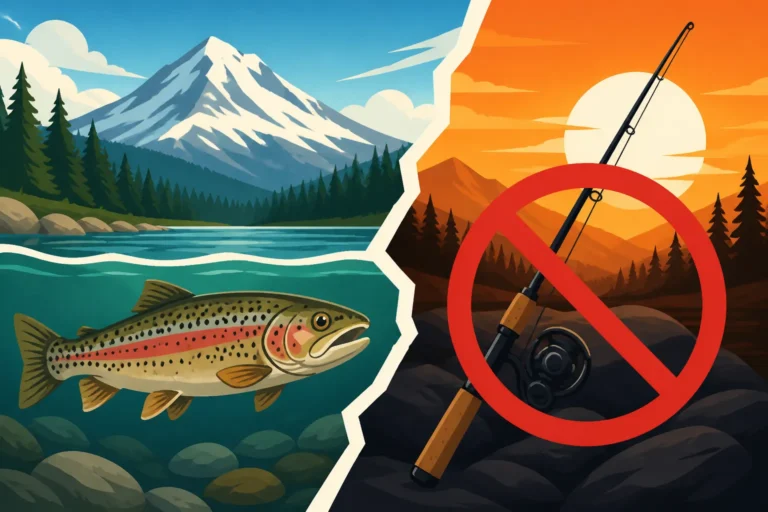
For Dungeness crab, seasons typically run during the summer and then often reopen in the fall, but the exact dates and which Marine Areas are open vary annually. Clam and oyster seasons are often tied to public beach access and specific harvest periods, with some areas open year-round and others only seasonally. Daily bag limits specify how many of each species you can keep per day, and there are often size restrictions (e.g., minimum carapace width for Dungeness crab) and sex restrictions (male-only for Dungeness crab). These limits are in place to ensure a sustainable harvest, allowing populations to reproduce and grow. It's also critical to be aware of Washington Sport Fishing Seasons and Emergency Closures, as WDFW can implement emergency rule changes mid-season due to conservation concerns, biotoxin levels (like "red tide"), or achieving harvest quotas. Always check the WDFW website or hotline just before you go, even if you think you know the rules!
Gear Up for Success: Essential Crabbing Equipment
So, you're ready to hit the water for some Puget Sound crab? Fantastic! But before you cast off or head to the beach, let's talk about the right tools for the job. Having the proper gear makes all the difference, not just in your success rate but also in ensuring you're harvesting safely and legally. Skimping on essentials can lead to frustration, lost gear, or even missed opportunities. Think of it as an investment in countless delicious meals and memorable outings.
Crab Pots, Rings, and Line
The cornerstone of any successful crabbing trip is, of course, your trap. You essentially have two main options: crab pots (also known as traps) or crab rings. Crab pots are designed to hold crabs, often with one-way entrances that prevent them from escaping once inside. They come in various designs, from rigid wire cages to collapsible versions made of mesh and frames. Rigid pots are sturdy and typically last longer, handling currents well, but they take up significant storage space. Collapsible pots, on the other hand, are incredibly convenient for transport and storage, folding down flat, making them a popular choice for smaller boats or those with limited space. You can often find a good selection of durable, foldable crab pots online through retailers like Amazon, offering a convenient way to compare designs and read reviews before committing.
Crab rings are a different beast entirely. These are typically flat rings of mesh that lie on the bottom. When pulled up, the sides collapse inward, forming a basket that holds the crabs. Rings require constant tending – you drop them, let them sit for 15-30 minutes, and then pull them up. They're excellent for active crabbing where you want to move around and check frequently, and they're generally less expensive than pots. Regardless of whether you choose pots or rings, you'll need sturdy line (also called rope or warp) to connect your trap to a buoy on the surface. Weighted or leaded line is highly recommended, as it sinks and minimizes the chance of prop entanglement for passing boats, which is both a safety and an environmental concern. Make sure your line is long enough to reach the bottom plus account for tide changes, usually 50-100 feet is a good starting point for Puget Sound.
Bait and Accessories
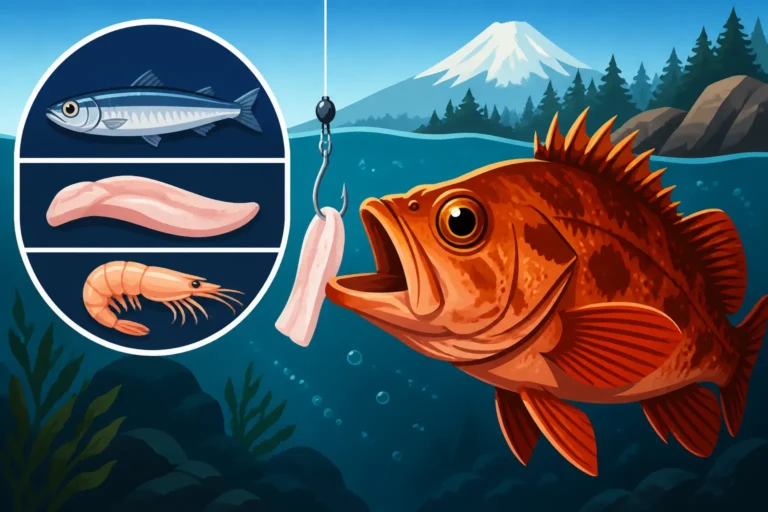
Now, what’s going to entice those Dungeness and Red Rock crabs into your traps? The right bait is crucial! Crabs are scavengers, so anything smelly and oily works well. Popular choices include:
- Fish Carcasses: Leftover salmon or tuna frames from cleaning your catch are fantastic. The scent trail is irresistible.
- Chicken or Turkey Carcasses: Old drumsticks, backs, or even whole chickens past their prime are excellent and often cheap.
- Squid: Oily and tough, squid stays on the bait holder well and releases a strong scent.
- Scrap Fish: Any oily fish scraps you can get from a local fish market or fellow anglers.
You'll need a bait holder – typically a mesh bag or a plastic container with holes – to secure your bait inside the pot or ring. This keeps the bait contained, allowing the scent to disperse while preventing crabs from simply tearing it apart and making off with it too quickly. For safety and compliance, every crab pot or ring must have a buoy on the surface with your WDFW customer ID number clearly marked. This allows WDFW enforcement to identify your gear. Finally, a few essential accessories will round out your kit: a crab measuring device (a simple caliper or gauge is usually mandated to ensure legal size), durable gloves (to protect your hands from sharp shells and pinchers), a large cooler with ice (to keep your catch fresh), and perhaps a sharp knife for preparing bait or dispatching your crabs once safely on board.
Gear Up for Success: Essential Clamming and Oystering Equipment
Switching gears from the depths to the tide flats, clamming and oystering offer a different kind of challenge and reward. While you won't need heavy pots or long lines, you'll still need specialized tools to efficiently and legally harvest these bivalves. The gear is generally simpler and more personal, focusing on digging and gathering, but each piece plays an important role in making your trip productive and enjoyable.
Shovels, Forks, and Rakes
The type of tool you need depends largely on the specific shellfish you're targeting and the substrate they live in. For clams, especially the popular Manila, Butter, and Littleneck clams found in mud and sand flats, you'll want something for digging. A short-handled clam shovel is often ideal. These are robust, typically with a slightly curved blade that helps you scoop and sift through the sand and gravel without damaging the clams. Some seasoned clam diggers prefer a garden fork or a specialized clam fork, which has sturdy tines that can penetrate the substrate and loosen the soil around the clams. The key is to work carefully and systematically, loosening the soil and gently feeling for the clams rather than aggressively jabbing, which can easily crack shells and render your harvest illegal or undesirable.
For oysters, which often cling to rocks or are found in shallower, firmer beds, a different approach is sometimes needed. A small garden rake or a sturdy hand trowel can be very effective for gently dislodging oysters from their substrate or sifting through smaller gravel beds where they might be hidden. Some areas with abundant Pacific oysters might even allow you to simply pick them by hand from exposed rocks during low tide. The crucial thing is to ensure your tools are sturdy enough for the task and designed to minimize damage to the shellfish, ensuring you only harvest healthy, intact specimens.
Buckets, Waders, and Measuring Tools
Beyond the digging tools, you'll need a few other items to ensure a successful and comfortable clamming or oystering experience. A good collection bucket or mesh bag is essential for holding your harvest. Mesh bags are often preferred as they allow water to drain, reducing weight and helping to keep the shellfish clean. For staying dry and comfortable, especially during those deep minus tides, a pair of chest waders or sturdy waterproof boots is a game-changer. There's nothing worse than cold, wet feet cutting a clamming trip short!
Just like with crabbing, measuring devices are critical. While Dungeness crab requires a specific caliper, many clam species in Washington don't have minimum size limits (though some, like Razor Clams or Geoduck, certainly do). However, you'll still need a way to accurately count your catch to ensure you're within the daily bag limits. A simple ruler might be useful for species that do have size restrictions. Additionally, gloves (waterproof and durable), sunscreen, and a hat are wise additions, protecting you from the elements. A small cooler with ice, kept on shore, is also a great idea for immediately chilling your harvest after collection, preserving freshness and ensuring food safety, particularly when dealing with perishable shellfish.
Techniques for Crabbing in Puget Sound
Alright, you've got your gear, you've checked the regulations, and you're out on the water. Now for the fun part: actually catching those crabs! Crabbing isn't just about dropping a pot and hoping for the best; there's a definite art and science to maximizing your success in Puget Sound. Understanding where to place your gear, how long to leave it, and how to properly handle your catch are all crucial elements.
Deploying and Soaking Your Pots
Where you drop your pot makes a massive difference. Dungeness crab, our primary target in Puget Sound, prefer sandy or muddy bottoms, often near eelgrass beds or structural features. They're frequently found in depths ranging from 20 to 60 feet, though they can be shallower or deeper depending on the time of year and specific marine area. Look for areas with gentle currents that will help disperse the scent of your bait. Avoid dropping pots in navigation channels or areas with heavy boat traffic, both for safety and to prevent your gear from being run over or lost. Local knowledge is invaluable here; talking to other crabbers or referring to marine charts can give you a significant advantage.
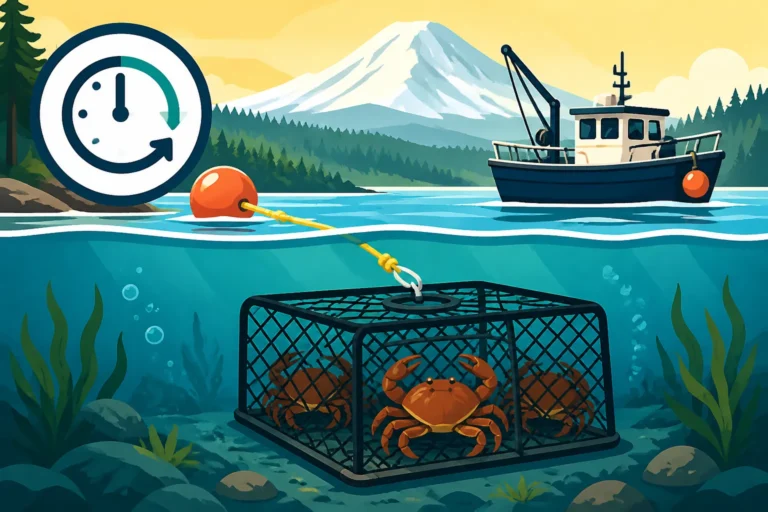
Once you've chosen your spot, bait your pot generously. Place your chosen bait (fish carcasses, chicken, etc.) inside the bait holder and secure it firmly within the pot. Slowly lower your pot to the bottom, ensuring the line pays out smoothly without tangles. Once the pot settles, toss your buoy overboard, making sure your WDFW ID is clearly visible. The "soak time" is how long you leave your pot on the bottom. For crab pots, a typical soak time is 3-4 hours, though some crabbers prefer to leave them overnight, especially in areas with less boat traffic. If you're using crab rings, you'll be checking them much more frequently, usually every 15-30 minutes, as they don't retain crabs as effectively. Consider the tides as well; crabbing can often be best during incoming or outgoing tides when the water movement helps spread the bait's scent. When it's time to retrieve, pull your line steadily and carefully, hand-over-hand or using a pot puller, bringing your bounty to the surface.
Identifying and Measuring Your Catch
This step is perhaps the most critical for legal and responsible crabbing. Once your pot or ring surfaces, excitedly but carefully bring it aboard. Immediately separate your catch. You'll likely encounter a mix of Dungeness and Red Rock crabs, along with perhaps some sculpins or other bottom dwellers. Your primary focus will be on the Dungeness. First, you need to identify them: Dungeness crabs typically have a purplish-brown to reddish-brown shell, often with white tips on their claws. Red Rock crabs are, as their name suggests, a vibrant brick red and have much thicker, larger claws for their body size.
The next, non-negotiable step is to measure every Dungeness crab you intend to keep. In Washington, it is generally illegal to keep female Dungeness crabs, and all males must meet a minimum size requirement. The minimum size for Dungeness crab in Puget Sound is typically 6¼ inches across the widest part of the carapace (shell), not including the points. Use your WDFW-approved measuring device to check each crab. Gently pick up the crab, hold it firmly by the sides of its carapace (away from the claws!), and place the measuring device across its back. Any crab that is undersized or clearly female (look for the broad, rounded abdomen flap on the underside, as opposed to the narrow, triangular flap of a male) must be immediately and gently returned to the water. Learning How to Measure a Legal Dungeness Crab properly is crucial to avoid violations and conserve the species. Once you've confirmed a legal male Dungeness, record it immediately on your Catch Record Card, then place it in your cooler on ice. For Red Rock crabs, the rules are usually more lenient regarding sex, but there are still minimum size limits (often 5 inches) and daily bag limits, so check the specific regulations for your marine area.
Techniques for Clamming and Oystering in Puget Sound
Clamming and oystering offer a peaceful yet exciting alternative to crabbing, putting you directly on the shoreline, often surrounded by stunning Puget Sound vistas. These methods require a different set of skills, primarily focused on reading the environment and precise, careful harvesting. It’s all about timing your visit and understanding where these delicious bivalves make their homes.
Reading the Tides and Locating Productive Beds
The single most important factor for successful clamming and oystering is the tide cycle. You absolutely must plan your trip around a very low tide, ideally a minus tide, which exposes vast stretches of beach that are normally submerged. This is when clam and oyster beds become accessible. Before you go, check a local tide chart and choose a day with the lowest possible tide during daylight hours. A good resource for checking Razor Clam Digging Seasons and Tides can also give you a general idea of clamming conditions, even if you’re targeting different species.
Once on the exposed tide flats, the trick is to learn how to "read the beach." For clams, you're looking for subtle signs of their presence. Manilas and Littlenecks often leave small, paired "show" holes on the surface of the sand or gravel, which are the openings to their siphons. Sometimes, you'll see a slight depression or dimple. Butter clams might be a bit deeper and their presence can be indicated by slightly larger, less distinct holes. Start by gently probing the sand with your shovel or fork in areas where you see these signs. For oysters, it's often more straightforward: they tend to grow in clusters, attaching themselves to rocks, old shells, or firm substrate in the mid to lower intertidal zones. Look for areas where the tide has exposed rocky outcrops or gravelly bars – these are prime oyster habitats.
Efficient Harvesting and Handling
With your tools in hand and your target located, it's time to harvest. For clams, once you've identified a "show," begin digging carefully a few inches away from the holes. Use your clam shovel or fork to loosen the sand and gravel, working slowly. Instead of digging straight down, try to scoop outward and downward, creating a small pit. Feel gently with your hands (wearing gloves, of course!) in the loosened material for the hard shells of the clams. The goal is to retrieve them whole and undamaged. Manilas are usually found just a few inches down, while Butter clams can be a bit deeper. Avoid forcing your tools directly onto the clam, as a broken shell means a lost meal and an illegally harvested clam.
When harvesting oysters, if they're attached to rocks, use a sturdy tool like a chisel or a stout screwdriver (or even a specialized oyster shucker if you're planning to eat them on the spot) to gently pry them off without breaking the shell. If they're in a bed, you can often pick them up by hand or use a small rake to gather them. Once you've collected your clams or oysters, immediately place them in your bucket or mesh bag. Don't forget to keep an accurate count for your daily bag limit. As soon as you're done harvesting for the day, get your catch into a cooler with ice. Clams and oysters are living creatures, and proper chilling is essential to maintain their freshness and safety, especially if you're not planning to eat them right away. Always remember to check for any public health closures or biotoxin warnings (like "red tide") issued by WDFW before you head out, as consuming contaminated shellfish can be very dangerous.
Responsible Shellfishing: Conservation and Safety
The sheer abundance of shellfish in Puget Sound is a gift, and it's our collective responsibility to treat it with the respect it deserves. Responsible harvesting isn't just about following the rules; it's about adopting an ethos of conservation and ensuring your actions contribute to the long-term health of these precious marine resources. Coupled with this is prioritizing your own safety on the water and shore, as the marine environment can be unpredictable.
Protecting the Resource for Future Generations
The WDFW regulations regarding size limits, bag limits, and sex restrictions (like male-only Dungeness crab) aren't arbitrary. They are carefully designed to allow populations to mature, reproduce, and sustain themselves. By diligently adhering to these rules, you're directly contributing to the health of the fishery. For instance, releasing female Dungeness crabs ensures they can continue to lay eggs, while minimum size limits allow male crabs to reach breeding age before harvest. It's a simple yet powerful act of conservation.
Beyond the letter of the law, consider the spirit. Avoid taking more than you need, even if you haven't hit your legal limit. Handle all undersized or non-target species gently and return them to the water as quickly as possible. If you accidentally catch a fish species you're not targeting while crabbing, like certain rockfish, and it's regulated as catch-and-release, understand the importance of Descending Devices for Rockfish and How to Use One to minimize barotrauma and ensure their survival. Proper disposal of all waste, including bait remnants, old lines, and trash, is also paramount. Our discarded materials can harm marine life and degrade habitats. Leave the beach or boat launch cleaner than you found it, fostering a healthier environment for both marine creatures and fellow harvesters.
Staying Safe on the Water and Shore
The Puget Sound, while often appearing calm, is a dynamic environment that demands respect. Whether you're on a boat setting crab pots or wading the tide flats for clams, safety should always be your top priority. First and foremost, always check the weather forecast before heading out. Sudden winds, squalls, or fog can make navigation difficult and conditions dangerous, especially for smaller vessels. Similarly, understanding the tide charts is critical; an incoming tide can quickly cover clam beds, leaving you stranded or cut off, while strong tidal currents can make boat handling tricky.
For those on the water, ensure your boat is in good working order, you have enough fuel, and all required safety equipment (life jackets for everyone, flares, sound-producing device) is on board and easily accessible. If you're crabbing from shore or a pier, be mindful of slippery surfaces and potential hazards. For clamming and oystering, dressing appropriately for the weather is crucial. Even on a sunny day, the Puget Sound waters can be cold, and prolonged exposure can lead to hypothermia. Waterproof layers, warm socks, and sturdy footwear or waders are essential.
Finally, and perhaps most importantly for shellfish harvesters, always check for public health warnings. WDFW, in cooperation with the Department of Health, regularly monitors shellfish for harmful biotoxins (like those causing Paralytic Shellfish Poisoning, or PSP, often called "red tide") and marine pollution. These closures are posted clearly on the WDFW website and are strictly enforced for your safety. Consuming contaminated shellfish can lead to severe illness or even death. Never harvest shellfish from an area that is closed due to biotoxin or pollution warnings, no matter how tempting it may be. A quick check of the WDFW Shellfish Safety Map before every trip is non-negotiable.
Common Species to Target in Puget Sound
The beauty of shellfishing in Puget Sound lies in the variety of delicious species available. While Dungeness crab often takes center stage, there's a whole world of bivalves and other crustaceans waiting to be discovered. Knowing what to look for, where they live, and when they're typically available will significantly enhance your harvesting experience.
Dungeness Crab: The Prized Catch
Without a doubt, the Dungeness crab (Cancer magister) is the crown jewel of Puget Sound's shellfish harvest. These magnificent crustaceans are highly sought after for their incredibly sweet, tender, and succulent meat. A fully legal male Dungeness can easily weigh a pound or more, providing a substantial and luxurious meal. They are identifiable by their purplish-brown to reddish-brown carapace, often with light-colored tips on their claws, and their ten legs (eight walking legs and two large claws).
Dungeness crabs are widespread throughout Puget Sound, preferring sandy or muddy bottoms, often associated with eelgrass beds or areas near structures like jetties or docks. They can be found from shallow intertidal zones down to significant depths. The peak seasons for Dungeness crabbing in Puget Sound typically include a summer season (often July-September) and then frequently reopen for a fall/winter season. However, these seasons are highly variable by Marine Area and set annually, so checking the current WDFW regulations is always a must. Many anglers consider Dungeness crab the ultimate reward for their efforts, making the process of setting and checking pots a thrilling pursuit. Beyond Dungeness, the smaller but feistier Red Rock crab (Cancer productus) is also abundant. These crabs are easily identified by their distinct brick-red color and disproportionately large, powerful claws. While smaller overall, their claw meat is dense and flavorful, making them a worthy secondary target. Legal size for Red Rock crabs is typically 5 inches, and unlike Dungeness, both sexes can often be retained, though specific rules vary.
Clams and Oysters: A Shoreline Harvest
For those who prefer to stay on terra firma, the diverse clam and oyster populations of Puget Sound offer fantastic opportunities. Each species has its own unique characteristics and preferred habitat:
- Manila Clams (Venerupis philippinarum): These are one of the most popular and easiest clams to find in Puget Sound. They are relatively small (1-2 inches), with attractive patterned shells, and are prized for their firm texture and sweet flavor, perfect for stir-fries, pasta, or steaming. Manilas thrive in mixed gravel and sand beaches in the mid-to-upper intertidal zone.
- Butter Clams (Saxidomus giganteus): As their name suggests, these are larger, meatier clams, typically 3-4 inches, with heavy, oval shells. They have a richer, more robust flavor and are excellent for chowders, frying, or baking. Butter clams prefer somewhat deeper, muddier sands and gravels in the lower intertidal zone and often require a bit more digging.
- Littleneck Clams (Protothaca staminea): These small (1-2 inch) clams are similar in size and habitat to Manilas but have a slightly coarser shell texture. They are also excellent steamed or used in pasta dishes, offering a classic clam flavor.
- Geoduck (Panopea generosa): The largest burrowing clam in the world, Geoduck are a true Puget Sound icon. They are almost exclusively targeted by commercial divers or require special permits for recreational harvest due to their extreme depth and the specialized gear needed to dig them (often a clam gun and significant effort). Recreational opportunities for these giants are very limited.
- Pacific Oysters (Crassostrea gigas): Introduced to the Pacific Northwest, these oysters have naturalized and are now very abundant on many public beaches and rocky shorelines throughout Puget Sound. They grow in clusters, attaching to rocks, pilings, and other hard surfaces. Pacific oysters are fantastic for shucking raw, grilling, or frying. Their season is typically generous, often year-round in many areas, but always check for health closures.
Harvesting clams and oysters connects you directly to the beach ecosystem. You're not just finding food; you're observing the rich intertidal life. Remember that daily limits and public beach access rules apply to all these species, and the WDFW website is your go-to source for current information on where and when you can legally harvest them.
Common Puget Sound Shellfish and Crabs: A Quick Reference
Here's a handy table to quickly compare some of the most commonly targeted shellfish in Washington's Puget Sound, along with key harvest information. Please remember that regulations, seasons, and limits can change frequently, so always consult the official WDFW regulations before you go!
| Species | Primary Habitat | Typical Size | Legal Requirement | Season (General) | Common Gear Needed | Notes |
|---|---|---|---|---|---|---|
| Dungeness Crab | Sandy/muddy bottoms, eelgrass beds, 20-60 ft | 6-10 inches carapace | Males only, 6¼" min. carapace width | Summer & Fall/Winter | Pots/Rings, Bait, Buoys, Measuring Gauge | Most prized crab. Requires Catch Record Card. |
| Red Rock Crab | Rocky reefs, jetties, shallower bays | 5-8 inches carapace | 5" min. carapace width (sex often no restrict) | Year-round (check areas) | Pots/Rings, Bait, Buoys, Measuring Gauge | Excellent claw meat. Often more aggressive. |
| Manila Clam | Mixed gravel/sand beaches, mid-intertidal | 1-2 inches | Daily limit (no size) | Year-round (check areas) | Short-handled shovel/fork, Bucket | Excellent steamer, pasta clam. |
| Butter Clam | Muddier sand/gravel, lower intertidal | 3-4 inches | Daily limit (no size) | Year-round (check areas) | Short-handled shovel/fork, Bucket | Meaty, good for chowders. |
| Littleneck Clam | Sand/gravel beaches, mid-intertidal | 1-2 inches | Daily limit (no size) | Year-round (check areas) | Short-handled shovel/fork, Bucket | Classic clam flavor. |
| Pacific Oyster | Rocky shorelines, firm substrates | Varies widely | Daily limit (no size) | Year-round (check areas) | Hand pick, small rake, bucket | Can be shucked raw, grilled. |
| Spot Prawn | Deeper waters, rocky reefs, 100-400+ ft | 6-10 inches (total length) | Daily limit (no size/sex) | Short, specific season (May/June) | Prawn traps, Bait, Buoys | True delicacy, highly regulated, brief season. |
This table provides a general overview, but for precise, up-to-the-minute information on specific Marine Areas and current conditions, always refer to the Washington Department of Fish and Wildlife (WDFW) website or their current Sport Fishing Rules pamphlet. The joy of the harvest is always sweetest when done legally and sustainably.
Disclaimer
The information provided in this guide is for general informational purposes only and is subject to change. Washington Department of Fish and Wildlife (WDFW) regulations, seasons, and limits are dynamic and can be modified at any time due to biological assessments, public health concerns (e.g., biotoxins), or emergency rule changes. It is the sole responsibility of the individual angler or harvester to be aware of and comply with all current WDFW rules and regulations before engaging in any fishing or shellfishing activity. Always consult the official WDFW website or printed regulations pamphlet for the most up-to-date and accurate information for your specific location and target species.