Fly Fishing Techniques for Winter Steelhead in Washington
The chill that seeps into your bones, the short, grey days, and the often-turbulent rivers can make winter steelhead fishing in Washington feel like a daunting, even impossible, endeavor. But for those who embrace the challenge, there's a unique magic to pursuing these elusive chrome beauties with a fly rod. This comprehensive guide will walk you through the specialized techniques, essential gear, and crucial water-reading skills needed to successfully fly fish for winter steelhead across Washington's diverse rivers, turning those cold, damp days into memorable adventures.
Understanding Washington's Winter Steelhead
Before you even tie on a fly, truly grasping the nature of winter steelhead is paramount. These fish are not like the summer run variety; they operate on a different rhythm, influenced heavily by the environment. Knowing their habits, preferred lies, and how river conditions affect them will give you a significant advantage in figuring out your approach.
Wild vs. Hatchery Steelhead Considerations
In Washington, when we talk about winter steelhead, we're really talking about two distinct groups: wild fish and hatchery fish. Distinguishing between them is not just about adhering to regulations – which often differ significantly, as highlighted in Wild Steelhead vs Hatchery Steelhead in Washington – but also about understanding their behavior and where you might encounter them. Hatchery steelhead are often more aggressive, sometimes less wary, and tend to congregate near release points or in specific river sections where they're actively managed. They might be found in more accessible, less pristine water.
Wild steelhead, on the other hand, are the true gems of our rivers. They've navigated the ocean, endured countless challenges, and returned to spawn in their natal waters. These fish are typically much warier, preferring prime holding water, and their movements are more dictated by natural instinct and river conditions rather than a hatchery release schedule. They require a more refined, stealthy approach and are often found in quieter, less disturbed stretches of river. Understanding the difference informs your choice of fishing location, the flies you present, and the delicacy of your technique. Protecting these wild populations is a cornerstone of responsible steelhead angling, and knowing how to identify and properly release them is a skill every angler must cultivate.
The Elusive Nature of Winter Steelhead
Winter steelhead are renowned for their elusive character. Unlike salmon, which often return in predictable waves, steelhead are a bit more mysterious. Their runs are staggered, often peaking during periods of high, off-color water that make fishing challenging. They're also not actively feeding once they enter freshwater; any strike on your fly is more of a territorial response or an aggressive impulse rather than hunger. This means presentations need to be impeccable, enticing a reaction rather than fulfilling a need.
The weather itself contributes to their elusiveness. Cold water slows down their metabolism, making them less inclined to move far for a fly. They hug the bottom, seeking refuge from strong currents and conserving energy. Combine this with shorter daylight hours and often inclement weather, and you begin to understand why catching a winter steelhead on the fly is considered such a monumental achievement. It's a game of patience, persistence, and subtle adjustments, where a single missed opportunity can mean a long, cold day without a grab. This also contrasts sharply with the often more predictable Winter vs Summer Steelhead Runs in Washington, Explained, which anglers must adapt to.
Key Environmental Factors and Their Impact
Winter steelhead fishing is dictated by the river. Water temperature, clarity, and height are the three most critical environmental factors that will determine your success and even your approach to the river. Cold water, typically below 40 degrees Fahrenheit, means steelhead are sluggish and holding tight to the bottom in deeper, slower pools. As the water warms slightly (into the mid-40s), fish become more active and might move into slightly faster water.
Water clarity is another huge factor. During winter, rivers frequently blow out with rain and snowmelt, turning chocolate brown. While some anglers prefer this "off-color" water for the stealth it provides, extreme turbidity makes it difficult for fish to see your fly. Conversely, crystal clear, low water conditions require smaller flies, lighter tippets, and impeccable presentations, as highlighted in How Water Clarity Affects Steelhead Fishing. River height also dictates where fish hold and how safe it is to wade. High, fast water pushes fish to the softer edges and back channels, making wading hazardous. A rising river often triggers fish to move upstream, while a dropping and clearing river is usually ideal. Always check river gauges and forecasts before heading out; it’s not just about finding fish, it’s about safety too.
Essential Gear for Winter Steelhead Fly Fishing
Chasing winter steelhead with a fly rod isn't just a casual affair; it demands specialized gear designed to handle cold weather, big rivers, and powerful fish. Having the right tools won't just improve your chances of success, it will significantly enhance your comfort and safety during those long, chilly days on the water.
Rod, Reel, and Line Selection
For winter steelhead, your rod, reel, and line are your primary weapons. While a sturdy 9-10 foot, 8-weight single-hand rod can get the job done in smaller rivers or specific situations, the vast majority of winter steelheaders turn to two-handed rods, commonly known as Spey rods or switch rods. A 12.5 to 14-foot Spey rod in an 8-weight is a popular choice for many of Washington’s larger rivers like the Skykomish or Cowlitz, allowing you to cast heavy tips and flies long distances with minimal effort, even with limited back casting room. Switch rods (10.5-11.5 feet, 7 or 8-weight) offer a versatile compromise, capable of both single-hand and two-hand casting, and are great for medium-sized rivers or when you might transition between swinging and indicator fishing.
Your reel needs a robust, smooth disc drag system capable of handling powerful runs from a hot steelhead. Large arbor reels are preferred for quick line retrieval. More importantly than the reel itself, the line system is critical. For two-handed rods, Skagit lines are generally favored for winter steelhead. These are short, heavy bellies designed to cast heavy sink tips and large, weighted flies. They excel at turning over bulky presentations, which is often necessary in high, off-color water. For clearer, lower water, a Scandi line might offer a more delicate presentation. Many anglers also carry integrated shooting lines or specialized sink-tip lines for their single-hand setups, allowing them to get flies deep quickly. Remember, choosing the right line for your rod and target conditions is as important as the rod itself; it truly dictates your casting efficiency and fly presentation.
Leader and Tippet Setups for Varying Conditions
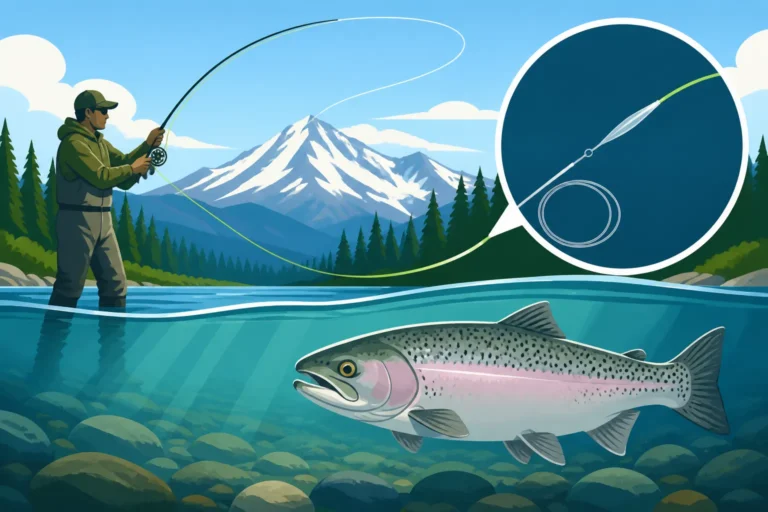
The connection between your fly line and your fly – your leader and tippet – is often where battles are won or lost. For winter steelhead, durability and knot strength are key. When swinging flies with a Skagit setup, you'll typically connect a heavy sink tip (often T-11 or T-14, which indicates grains per foot) to your running line. To this sink tip, you'll attach a short (2-4 foot) section of heavy monofilament or fluorocarbon leader, usually 12-15 lb test. The goal here isn't stealth as much as it is strength and abrasion resistance, especially when fishing around submerged timber.
For indicator nymphing, your leader setup will resemble that for trout, but beefier. A tapered leader of 9-10 feet, ending in a stout tippet of 1X or 0X (13-15 lb test), is common. You might use an even heavier straight section of monofilament for your indicator line, with a fluorocarbon leader attached for the actual fly presentation. Fluorocarbon is often preferred for tippet material as it's nearly invisible underwater and sinks faster than monofilament, which can be a huge advantage when you're trying to get your fly down quickly. The specific Leader Length for Clear Water Steelhead in Washington can vary, but generally, shorter, stronger leaders are employed in winter to manage heavy flies and aggressive fish. Always have a variety of tippet sizes on hand, from 15 lb down to 10 lb, ready to adapt to changing water conditions or particularly wary fish.
Waders, Boots, and Cold Weather Apparel
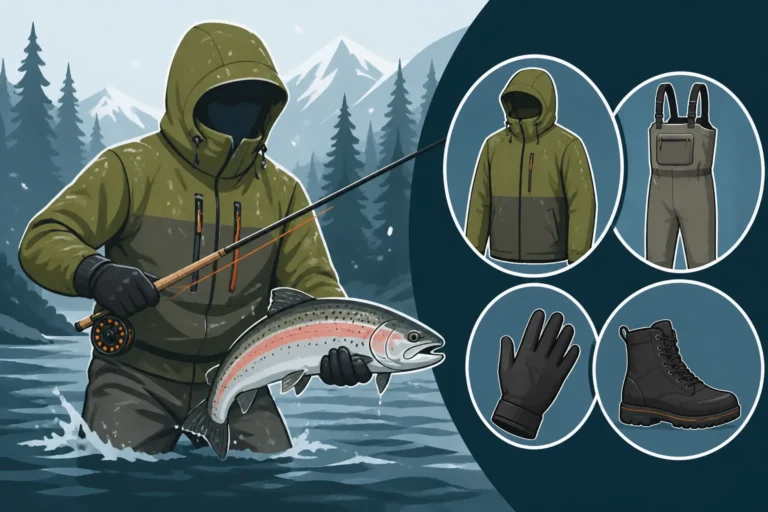
Winter steelhead fishing means spending hours exposed to the elements, often standing in frigid water. Proper insulation and protection from the cold are not just about comfort; they're about safety. Neoprene waders, or breathable waders worn over heavy fleece or wool layers, are absolutely essential. Breathable waders from brands like Simms or Patagonia, paired with good layering, offer versatility for varying temperatures and wading depths. Make sure your waders fit well, allowing for freedom of movement without being too baggy, which can create drag in the current.
Your wading boots should be sturdy, provide excellent ankle support, and have felt or studded rubber soles for grip on slippery riverbeds. Don’t skimp here; a fall in freezing water can be serious. Beyond waders and boots, layers are your best friend. Start with moisture-wicking base layers, add insulating fleece or down mid-layers, and top it off with a waterproof and windproof wading jacket. A quality jacket, often available for review and purchase on Amazon, with sealed seams and adjustable cuffs, is crucial for keeping out the relentless Washington rain. Don’t forget a warm hat (wool or fleece), fingerless gloves or convertible mittens to maintain dexterity, and a buff or neck gaiter to protect exposed skin. Packing extra layers, especially socks, is always a smart move. When temperatures truly plummet, consider hand warmers – a small packet can make a huge difference in your overall comfort and ability to focus on the fishing. In short, Rain Gear You Need for Winter Steelheading is non-negotiable.
Core Fly Fishing Techniques for Winter Steelhead
When the river is running high and cold, traditional dry fly tactics are out. Winter steelhead demand methods that get your fly deep and present it slowly and deliberately. While there are many nuances, the primary fly fishing techniques revolve around swinging flies and indicator nymphing. Mastering both will make you a much more versatile and successful winter steelheader.
Swinging Flies: The Classic Approach
Swinging flies is arguably the most iconic and artful way to fish for steelhead. It involves casting across and slightly downstream, allowing the current to carry and "swing" your fly in an arc across the river. The idea is for the fly to present itself broadside to a holding steelhead, enticing an aggressive strike. This technique is primarily executed with two-handed Spey or switch rods, which excel at casting heavy sink tips and large flies great distances without much back-casting room. The rhythmic nature of Spey casting, detailed further in Spey Casting in Washington and Who Should Try It, is itself a deeply satisfying part of the experience.
When swinging, your goal is to control the speed of the fly. In cold winter water, a slow, deep swing is generally most effective. You can achieve this by using heavier sink tips (T-14 or T-17), larger, weighted flies, and sometimes by "mending" your line upstream after the cast to slow the fly's descent and swing speed. As the fly completes its arc and hangs in the current directly downstream, it’s often in this "dangle" that a steelhead will strike. The take is typically a solid, often aggressive tug. This method covers a lot of water efficiently and can be incredibly effective when fish are spread out or in broader runs and riffles. Patience is key; you often need to make many casts, meticulously covering every inch of a run, before a fish decides to grab.
Indicator Nymphing for Deeper Runs
While swinging is classic, indicator nymphing is often a highly effective, sometimes even more productive, method for winter steelhead, especially when fish are holding tight to the bottom in deep pockets, slow pools, or when the water is particularly high and cold. This technique involves using a floating indicator (like a Thingamabobber or Airlock) to suspend one or two weighted nymph or egg patterns at a precise depth, allowing them to drift naturally with the current. The goal is to get your flies directly into the strike zone, right in front of the fish's nose, without drag.
Unlike trout nymphing, which is generally more delicate, winter steelhead nymphing often requires substantial weight to get flies down quickly in heavy currents. You might use heavy tungsten nymphs, split shot, or even a combination, creating a "dead drift" where your indicator floats naturally without pulling on the flies. Watching the indicator for any subtle hesitation or movement that isn't natural to the current is crucial, as steelhead often take a nymph very softly. Setting the hook immediately at the slightest sign is paramount. This technique is particularly effective in slower, deeper sections of the river, along current seams, or in eddy lines where fish are expending minimal energy. Learning to read the water to identify these holding lies and adapting your weight and depth to the specific conditions will significantly increase your success rate. This technique can be adapted from the principles of Nymphing for Trout on Washington's Yakima River, just with heavier gear and bigger flies.
Skagit and Scandi Casting for Big Water
These are not just types of fly lines; they refer to casting styles intrinsically linked to two-handed fly fishing, especially vital for Washington's big, broad rivers. Skagit casting, developed on the Skagit River, is a powerful, compact casting style designed to launch heavy sink tips and large, weighted flies with minimal back-casting room. It utilizes a short, heavy line head (the Skagit line) that forms a "D-loop" behind you, using the water tension to load the rod. It's less about aerializing a long length of line and more about efficiently delivering a heavy payload, making it perfect for winter steelhead conditions where you often have brush behind you and need to get flies deep.
Scandi (Scandinavian) casting, in contrast, uses a longer, lighter line head, emphasizing graceful, aesthetic casts and delicate presentations. While Skagit is about brute force and getting heavy flies out, Scandi is about finesse and softer landings. In winter, Scandi lines are generally reserved for clearer, lower water conditions where a more subtle approach with smaller flies is possible, or for presentations requiring a longer leader and softer landing. Many two-handed anglers will own both Skagit and Scandi lines (or integrated shooting heads that can function as either) and switch between them depending on the river conditions and the specific presentation required. Mastering these casting styles opens up a whole new world of big-river fishing, allowing you to effectively cover water that would be impossible with a single-hand rod.
Choosing the Right Flies for Winter Steelhead
The old adage "match the hatch" doesn't quite apply to winter steelhead, given they're not actively feeding. Instead, it's about presenting an "attractor" – something that provokes an aggressive, curious, or territorial response. Your fly selection will be heavily influenced by water conditions, clarity, and personal confidence.
Popular Fly Patterns and Their Purposes
Winter steelhead flies tend to be larger, often weighted, and come in a variety of vibrant or contrasting colors to grab attention in low light or turbid water. Here are some staples:
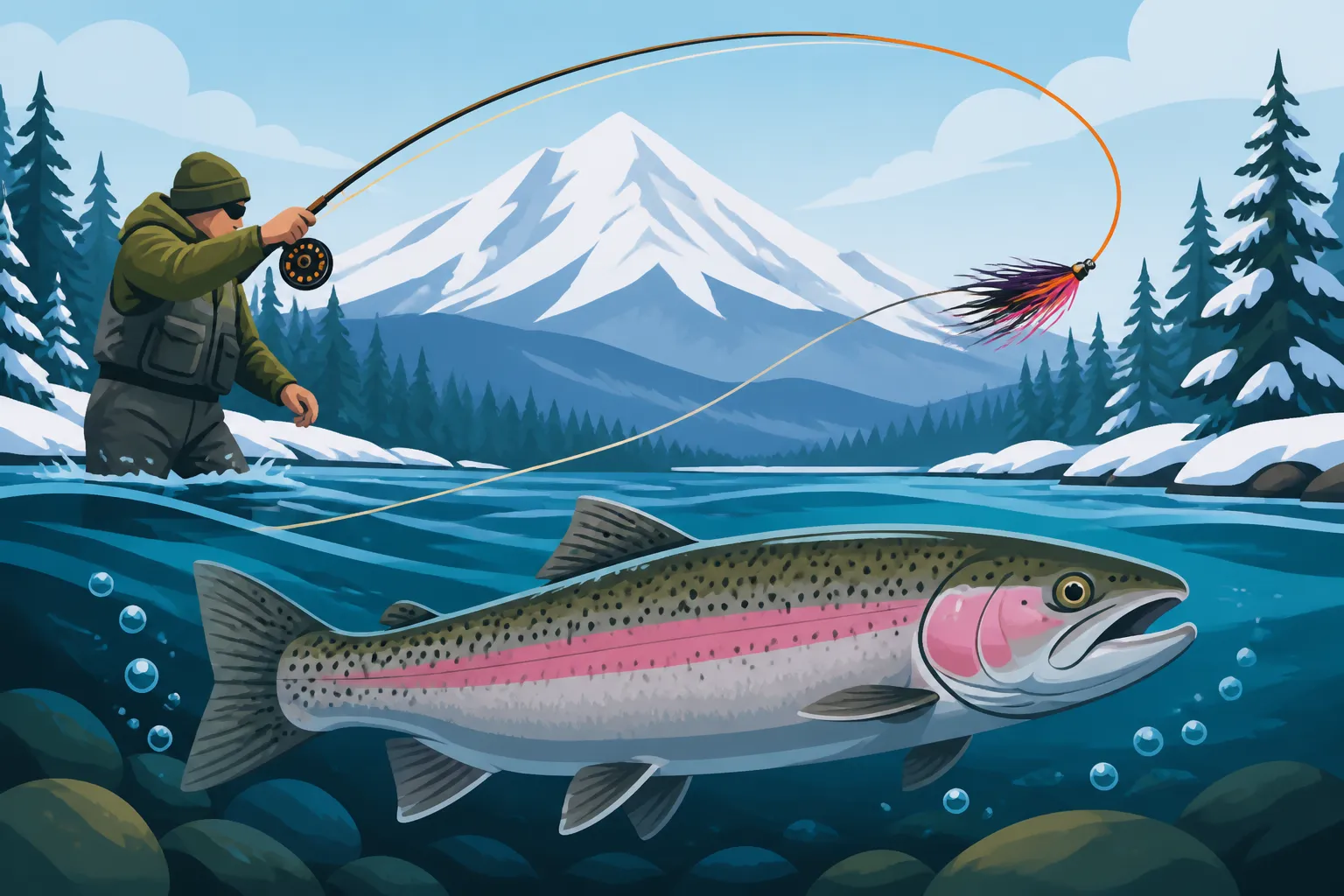
- Intruders: These are perhaps the most iconic winter steelhead flies. They're typically large, articulated (jointed) patterns tied on shank hooks with composite loops for bulk and movement. Intruders are designed to push water and create a large profile, making them visible and enticing in off-color or high water. Common colors include black/blue, black/chartreuse, pink/orange, and purple. The movement created by various soft hackles and synthetic fibers is key.
- Hoh Bo Speys / Skagit-Style Flies: Named after the legendary Olympic Peninsula rivers, these are also bulky, often unweighted or lightly weighted, flies tied on shanks or tubes. They are designed to be fished with heavy sink tips, allowing the tip to get the fly down while the fly itself provides plenty of movement and profile without excessive bulk. Colors again range from natural to very bright.
- Egg Patterns: When steelhead are in spawning areas alongside salmon or other trout, egg patterns can be incredibly effective. Glo Bugs, Steelhead Stalker Eggs, or small beads pegged above a hook mimic the protein-rich eggs fish drift downriver. They are especially useful for indicator nymphing or dead-drifting in slower pockets.
- Stonefly Nymphs: Large stonefly patterns (e.g., Kaufmann's Stone, Prince Nymph, Pat's Rubber Legs) are excellent for indicator nymphing. They imitate a common food source in rivers, and their segmented bodies and rubber legs provide lifelike movement. Black, brown, and olive are common colors.
- Worms: Yes, worm patterns, often in hot pink, red, or cerise, can be deadly, particularly in off-color water. Whether a simple San Juan Worm or a more elaborate squirmy worm, their bright color and undulating movement can trigger a strike.
Many of these popular patterns or the materials needed to tie them can be found in specialized fly shops or through online retailers like Amazon, offering a wide array of options for both tiers and buyers.
Size and Color Selection Strategies
Choosing the right size and color for your winter steelhead fly is less about imitation and more about visibility and provocation. In high, dark, or turbid water, you want to go big and bold. Large intruders (2-4 inches), in bright colors like chartreuse, hot pink, orange, or contrasting black/blue, will stand out and be seen. The idea is to create a silhouette and vibration that a steelhead can detect and react to. When the water is off-color, the fish's visibility is reduced, so you need a fly that screams "look at me!"
Conversely, when the river is low and clear, a more subdued approach is often necessary. This is when you'll downsize your flies – perhaps smaller intruders (1-2 inches), smaller stonefly nymphs, or even a classic Spey fly pattern. Colors will shift to more natural tones like black, blue, purple, or olive. Sometimes a subtle "dark on dark" or "light on light" combination can be incredibly effective in clear water, making the fly appear more natural and less threatening. The key is to match the visibility of the fly to the water conditions. If you can barely see your hand at six inches depth, go bright and big. If you can see the riverbed clearly, go smaller and more natural. Don't be afraid to experiment; sometimes a completely "wrong" color can be the one that sparks a bite on a tough day.
Tying Your Own: A Rewarding Endeavor
For many dedicated steelhead anglers, tying their own flies is an integral part of the experience. It allows for endless customization, precise tailoring of patterns to specific river conditions or personal preferences, and a deep connection to the craft. The satisfaction of catching a chrome bright steelhead on a fly you tied yourself is unparalleled. If you're new to it, there are countless online tutorials, books, and local fly tying clubs that can help you get started.
Beginning with simpler patterns like the Hoh Bo Spey or basic egg patterns can be a good entry point. As you gain skill, you can progress to more complex articulated intruders. Tying your own flies also means you can experiment with different materials, weights, and color combinations that might not be readily available commercially. It's a way to truly immerse yourself in the nuances of steelhead fishing, constantly learning and refining your approach. Plus, it's a fantastic way to pass the long winter evenings when you can't be out on the river, preparing for your next outing with a box full of custom-tied steelhead candy. You can also find a vast selection of fly tying materials, from hooks and shanks to hackles and synthetics, on platforms like Amazon.
Reading the Water and Approaching Runs
Understanding where winter steelhead are likely to hold and how to present your fly to them effectively is the cornerstone of success. It's not just about casting; it's about interpreting the river's subtle clues and adapting your strategy accordingly.
Identifying Prime Winter Steelhead Lies
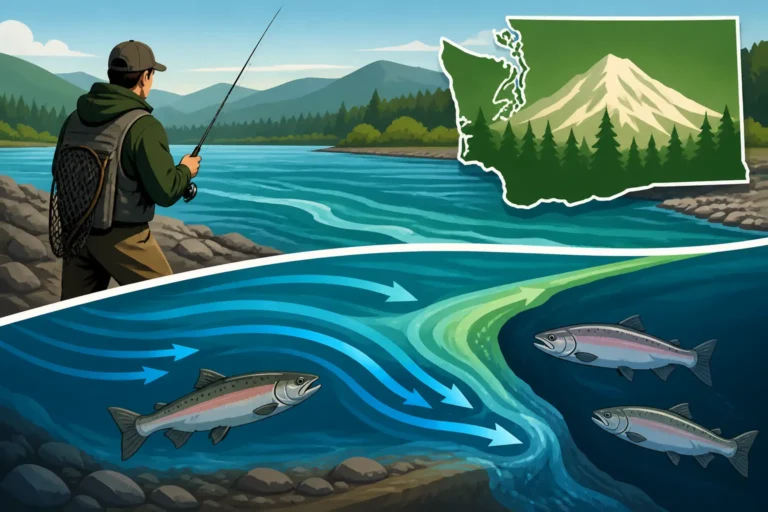
Winter steelhead, being cold-blooded and not actively feeding, are primarily looking for refuge and energy conservation. This means they seek out specific "lies" in the river that offer protection from the current, a comfortable depth, and a clear path upstream. Prime holding water often includes:
- Tail-outs of Pools: As a pool shallows out and accelerates into a riffle, steelhead will often hold in the seam where the faster water meets the slower water. These areas offer a good current break and a clear view of anything drifting downstream.
- Current Seams and Edges: Look for any place where two different currents meet, or where the main current rubs up against a slower bank, a log jam, or a large rock. Steelhead will sit in the softer water, waiting for an opportunity. These are often the same places you'd target if you were How to Read Water for Bank-Fishing Salmon.
- Deep Pockets and Slots: Any deep depressions in the riverbed, especially those with some overhead cover or a slight current break, are prime resting spots.
- Behind Obstructions: Large boulders, fallen trees (log jams), or even subtle changes in the river bottom create current breaks where steelhead can hold without expending too much energy. However, fishing around heavy wood requires careful presentation and often leads to snags.
- Inside Bends: The slower water on the inside of a river bend, especially if it has decent depth, can be a great place for steelhead to rest.
When you approach a run, don't just blindly cast. Take a moment to "read" the water, visualizing where the current flows, where it slows down, and where those subtle changes in depth and current speed occur. These are your targets.
Strategic Wading and Presentation
How you wade and present your fly can make or break your day. Steelhead are incredibly sensitive to vibrations and shadows. A heavy-footed approach, especially in clear, low water, can spook fish before you even make a cast. Always wade quietly and carefully, testing your footing with each step. In winter, slipping on a mossy rock or unseen ice can have serious consequences.
Your presentation needs to be both precise and controlled. When swinging flies, you want your fly to enter the water cleanly, without excessive splash, and then begin its controlled swing. For indicator nymphing, achieving a truly "dead drift" is critical. This means managing your line to avoid any drag that would make your flies look unnatural. Often, this involves making upstream mends to control the belly of your line and keep your indicator drifting at the same speed as the current. The cast itself should be efficient, minimizing false casts to keep your fly in the water and presenting for as much time as possible. In essence, you want to be a silent predator, presenting your offering with grace and precision, ensuring the fish only notices your fly, not your presence.
Adapting to Changing River Conditions
Washington's winter rivers are notoriously dynamic. Conditions can change dramatically within hours, let alone days. A sunny, low-water morning can quickly turn into a high, muddy torrent after a heavy rain. Being able to adapt on the fly (pun intended!) is a hallmark of a successful winter steelheader.
If the river is rising and getting off-color, you might switch from smaller, natural flies to larger, brighter intruders with heavier sink tips to get them down through the turbulent water. Your target lies might shift from mid-river seams to the softer edges and back channels, where fish seek refuge from the main current. Conversely, if the river is dropping and clearing, you'll want to downsize your flies, lighten your tippet, and possibly switch to a more delicate casting style or a Scandi line for a softer presentation. This is where knowing How to Fish for Steelhead in High Water versus How to Fish for Steelhead in Low, Clear Water becomes crucial. The ability to quickly change leaders, flies, or even switch from swinging to nymphing, based on what the river is telling you, is an invaluable skill. Always keep an eye on the weather and river reports, and be prepared to adjust your gear and tactics throughout the day.
Safety, Ethics, and Conservation
Fly fishing for winter steelhead is an immersive, often solitary pursuit that takes you into some of Washington's most beautiful and rugged landscapes. With that comes a profound responsibility for your own safety, the welfare of the fish, and the preservation of the resource for future generations.
Navigating Cold Water and Remote Areas
The very nature of winter steelhead fishing means you'll often be in cold, wet, and sometimes remote conditions. Hypothermia is a real and dangerous threat. Always dress in layers, and never skimp on waterproof outerwear. A reliable wading staff can be a lifesaver for probing depth and maintaining balance on slippery riverbeds. Let someone know where you're going and when you expect to return, especially if you're venturing into less-traveled areas of rivers like the Olympic Peninsula's Hoh or Sol Duc.
Carry a small backpack with essential safety gear: a first-aid kit, extra warm layers, a headlamp, fire-starting materials, a map or GPS, and plenty of water and high-energy snacks. Even if you're only a short walk from your vehicle, unforeseen circumstances can quickly turn a pleasant day into an emergency. Crossing deep or swift water is always risky; if in doubt, don't cross. There's no fish worth risking your life for. Being prepared for the worst allows you to fully enjoy the best that winter steelhead fishing has to offer.
Practicing Proper Catch-and-Release
Many of Washington's winter steelhead fisheries, particularly for wild fish, are strictly catch-and-release, or have very limited retention seasons. Even when retention is allowed for hatchery fish, practicing proper catch-and-release techniques is vital for the survival of the fish, especially the often-vulnerable wild populations. This means minimizing fight time, keeping the fish in the water as much as possible, using a rubber-mesh net to protect their slime coat, and handling them gently.
If you catch a wild steelhead, as indicated by an intact adipose fin, it must be released immediately and unharmed. Knowing What to Do If You Catch a Wild Steelhead by Accident is critical. Avoid touching them with dry hands, and never drag them onto the bank. If you want a photo, do it quickly with the fish partially submerged. When releasing, hold the fish gently facing into the current until it vigorously swims away on its own power. Barbless hooks are often required and always recommended, as they make release easier and less damaging to the fish. Our steelhead populations are precious, and our actions as anglers directly impact their future. Understanding and following Catch-and-Release Rules During Wild Steelhead Closures or other restrictions is part of being a responsible angler.
Respecting Regulations and Fellow Anglers
Washington has some of the most complex and dynamic fishing regulations in the country. It is your responsibility to understand and abide by them. Always check the latest Washington Department of Fish and Wildlife (WDFW) emergency rules before you go fishing, as seasons, gear restrictions, and open waters can change overnight. A great place to start is the official WDFW website, but also make sure you’re regularly Reading the Washington Sport Fishing Regulations Pamphlet for the most up-to-date information. Ignorance of the rules is not an excuse for violations, and penalties can be severe.
Beyond the written rules, there's an unwritten code of ethics on the river. Respect other anglers' space – don't crowd them or jump into a run they're actively fishing. Be courteous, share the water, and if you see someone struggling, offer a friendly tip. Pick up your trash and even a little extra that you might find. Leave the riverbank cleaner than you found it. These simple acts contribute to a positive angling community and help preserve access to our cherished fishing spots. By being a responsible and respectful angler, you ensure that the tradition of fly fishing for winter steelhead can continue for generations to come.
Fly Fishing Techniques Comparison for Winter Steelhead
| Feature | Swinging Flies (Spey/Switch) | Indicator Nymphing (Single-Hand or Switch) |
|---|---|---|
| Primary Goal | Provoke an aggressive, territorial strike | Present fly directly to holding fish (dead drift) |
| Ideal Conditions | Moderate to high water, off-color to clear | Deep, slow pools; turbulent, high water |
| Fly Type | Intruders, Hoh Bo Speys, large streamers | Egg patterns, heavy stoneflies, rubber legs, worms |
| Casting Style | Spey casts (Skagit, Scandi) | Overhead casts, roll casts (for tight quarters) |
| Gear Required | Two-handed rod (7-9wt), Skagit/Scandi line, heavy tips | Single-hand rod (7-9wt), indicator line, indicators |
| Strike Detection | Aggressive pull, solid grab | Indicator dip, hesitation, or subtle movement |
| Effort/Coverage | Covers broad runs efficiently, more active casting | Meticulous coverage of specific pockets, less casting |
| Stealth Required | Moderate to high (spooking fish with movement) | High (spooking fish with presence or drag) |
| Depth Control | Controlled by sink tip weight and mend | Controlled by split shot, fly weight, and indicator |
Disclaimer
The information provided in this guide is for general informational purposes only and is not intended as legal advice or a substitute for official regulations. Fishing rules and seasons in Washington State are subject to frequent change, often on short notice, by the Washington Department of Fish and Wildlife (WDFW). Always consult the most current WDFW fishing regulations pamphlet and check for emergency rule changes before heading out on the water. Following all local, state, and federal laws is the responsibility of each individual angler.