Jigging Herring for Lingcod in Washington
There's nothing quite like the sudden, jarring strike of a big lingcod, pulling hard against your line in the cold, deep waters off Washington's coast or within Puget Sound. For many anglers, the frustration comes from trying various techniques without consistent success, or perhaps only catching smaller, less impressive fish when they know trophy lingcod are lurking. This guide is dedicated to demystifying one of the most effective and exhilarating ways to target these toothy predators: jigging with herring, offering a detailed roadmap to consistent success on the water.
Why Jigging Herring for Lingcod in Washington is So Effective
Lingcod are truly one of Washington's most sought-after bottomfish, known for their aggressive strikes, powerful fights, and fantastic table fare. But to consistently hook into these impressive fish, you need to understand their predatory nature and present a meal they simply can't resist. That's where jigging fresh herring comes into its own, tapping into their instincts in a way few other methods can.
The Unmistakable Appeal of Lingcod Fishing
Lingcod are not just any fish; they're an experience. Imagine hooking into what feels like a small refrigerator door, fighting it up from depths of 50 to 300 feet. They hit hard, often with a violent head shake that sends vibrations all the way up your rod. Their broad, powerful tails and surprisingly agile movements around structure make them formidable opponents. Beyond the fight, their mild, flaky white meat is among the best-eating fish in the Pacific Northwest, rivaling even halibut for many discerning palates. Finding and targeting these magnificent creatures is a true test of an angler's skill and patience, and the rewards are well worth the effort. If you're looking to learn more about the species itself, our guide on Lingcod: Washington's Toothy Bottomfish provides a fantastic overview of what makes them so unique.
Why Herring is the Lingcod's Favorite Meal
Lingcod are ambush predators with a voracious appetite, and herring is often at the very top of their menu. These oily baitfish are a natural and abundant food source in Washington's marine environments, from the vast stretches of the Pacific coast to the intricate channels of Puget Sound. What makes herring so irresistible? First, their natural oil content creates an undeniable scent trail in the water, drawing in hungry lingcod from a distance. Secondly, their silvery flash and typical swimming patterns perfectly mimic the wounded or disoriented baitfish that lingcod instinctively target. When you combine the visual appeal with the potent scent, you've got a killer combination. Whether you're using whole herring or carefully cut pieces, the natural allure of this bait gives you a significant edge over artificial presentations alone, often leading to more aggressive and confident strikes.
The Dynamics of Jigging: Mimicking Live Prey
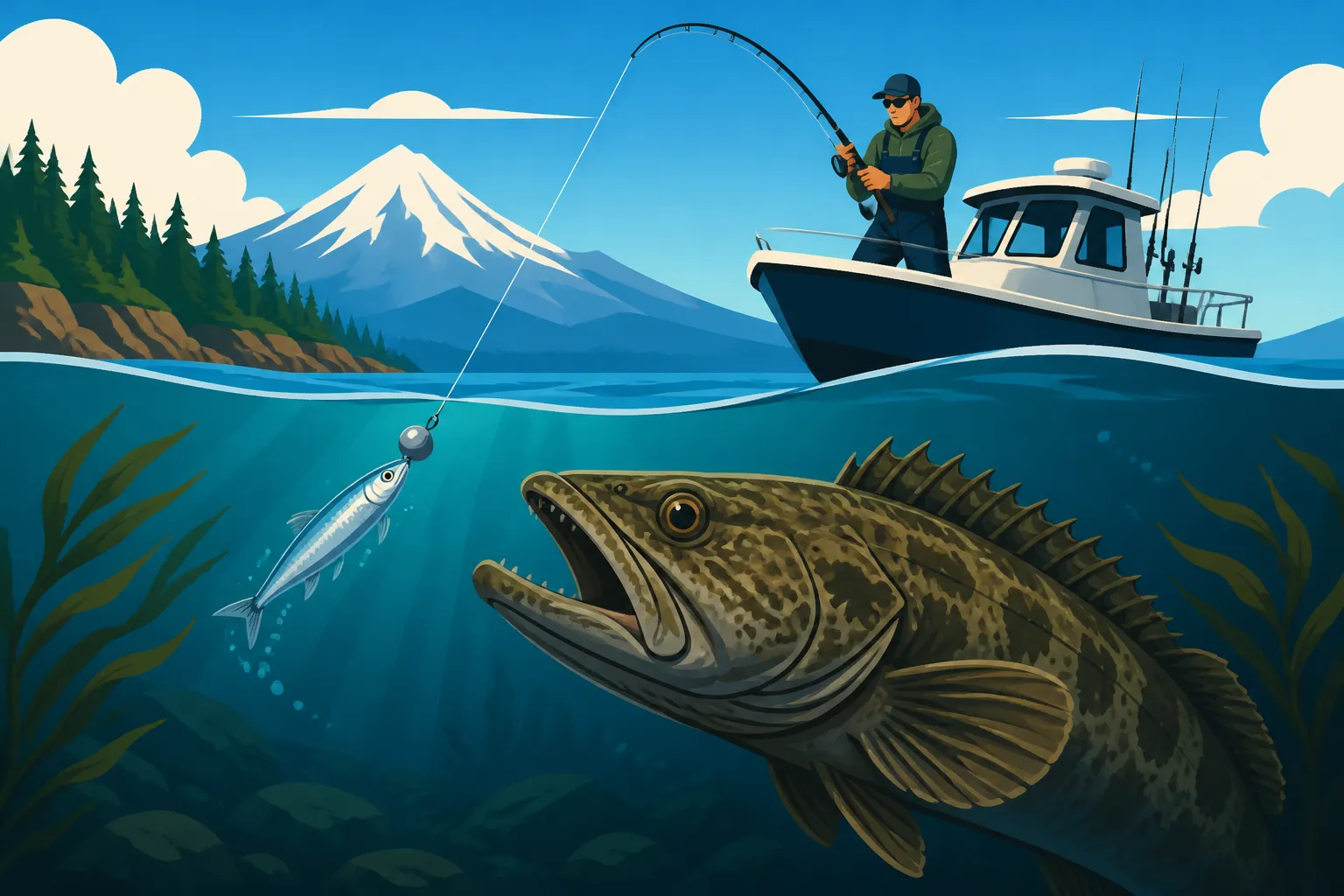
Jigging, by its very nature, is an active fishing technique that allows you to directly control the movement and presentation of your bait. When you're jigging herring, you're not just dropping bait to the bottom; you're bringing it to life. The sharp upward snaps and controlled descents of your jig, coupled with the natural movement of the herring, perfectly imitate a wounded or frantic baitfish. This erratic motion triggers the predatory instincts of a lingcod, making them believe they're encountering an easy, vulnerable meal. Unlike static bait fishing, jigging allows you to cover different depths, work various parts of the structure, and actively entice a strike. It’s a highly engaging method that puts you in control, making every subtle twitch of your rod a potential invitation for a hungry lingcod to ambush its prey. You'll find that this active approach often outperforms simply dropping a dead bait rig, especially when the fish are less aggressive.
Essential Gear for Your Washington Lingcod Jigging Adventure
Success in jigging herring for lingcod starts long before you hit the water; it begins with having the right equipment. Lingcod are powerful fish found in rocky, snaggy environments, so your gear needs to be robust and reliable. Cutting corners here can lead to lost fish, lost tackle, and a whole lot of frustration. Investing in quality components will pay dividends in your overall fishing experience and the number of fish you bring to the boat.
Rods, Reels, and Line: Building Your Foundation
For effective lingcod jigging, you need a setup that can handle heavy weights, powerful fish, and the harsh realities of bottom fishing.
- Rods: Look for a heavy to extra-heavy action rod, typically between 7 and 9 feet in length. The longer rod provides better leverage when fighting a fish and helps absorb the shocks of heavy head shakes. A fast-action tip is crucial for detecting subtle bites, while a strong backbone gives you the power to pull big lingcod away from structure. Many anglers prefer specialized jigging rods, which are often shorter (6-7 feet) but incredibly stout, designed to work heavy jigs all day long. Brands like Lamiglas, Shimano, and Penn offer excellent options in this category.
- Reels: Both conventional (star drag or lever drag) and heavy-duty spinning reels can work. Conventional reels, especially those with a strong drag system and high line capacity (like a Shimano Tekota or Penn Squall), are often preferred for their cranking power and ability to handle the deep water and heavy weights involved. However, large, robust spinning reels (like a Penn Spinfisher or Daiwa Saltist) are also popular, particularly for anglers who prefer the ease of casting and retrieve. Ensure your reel has a smooth, reliable drag system that can withstand the powerful runs of a large lingcod.
- Line: Braided line is almost a non-negotiable for lingcod jigging. Its no-stretch properties provide superior bite detection and direct power transfer for hooksets. Opt for 50-80 lb test braid; while it sounds heavy, it’s necessary for abrasion resistance against rocks and the sheer force required to muscle big fish. Connect your braid to a heavy fluorocarbon leader, typically 60-100 lb test, using a strong knot like an FG knot or a uni-to-uni knot. The fluorocarbon leader is less visible to the fish and provides excellent abrasion resistance against their sharp teeth and the jagged underwater structure. You can find a wide range of suitable braided lines and fluorocarbon leaders on Amazon for competitive prices.
Jigs and Bait Presentation: Getting it Right
The combination of jig and herring is the magic formula. Your jigs provide the weight and flash, while the herring adds the irresistible scent and natural texture.
- Jigs: There's a wide variety of jigs suitable for lingcod, ranging from heavy lead-head jigs to more elaborate metal butterfly or swim jigs.
- Lead-head jigs: These are classic for a reason. Often paired with a curly tail grub or a large soft plastic swimbait, they can also be effectively tipped with a whole herring. Weights typically range from 6 to 16 ounces, depending on depth and current. Common colors include white, chartreuse, motor oil, and green.
- Metal jigs: Butterfly jigs, knife jigs, or vertical jigs (like those from Shimano or Daiwa) are designed to dart and flutter on the drop, mimicking a dying baitfish. These are excellent when tipped with a herring strip or a whole herring. Weights typically range from 100g to 300g (about 3.5 to 10.5 ounces).
- Colors: While natural bait is the primary attraction, jig color can play a role, especially in low light or murky conditions. Glow-in-the-dark jigs are incredibly effective in deep water where light penetration is minimal. Green, blue, silver, and white are also popular choices.
- Rigging Herring: The key is to present your herring naturally.
- Whole Herring: For whole herring, use a bait needle to thread your leader through the herring's vent and out its mouth, securing a large single hook (8/0 to 12/0) through its chin or back. Some anglers prefer to run a treble hook through the tail for short-striking fish. Ensure the herring lies straight and doesn't spin unnaturally when jigged. This method works well with larger lead-head jigs or above a heavy sinker.
- Cut Bait: Strips of herring can be highly effective, especially when paired with a bare metal jig or a lead-head jig. Cut a strip of herring about 4-6 inches long, ensuring it has some skin and scales for flash. Hook it once through the thicker end, allowing the strip to flutter enticingly. Adding a small, sharp stinger hook can increase your hook-up ratio for short-biting fish. Always use the freshest herring you can find; frozen herring works but fresh is always superior for scent and texture.
Terminal Tackle and Accessories You Can't Forget
Beyond the rod, reel, line, and bait, a few key pieces of terminal tackle and accessories will make your lingcod jigging experience smoother and more successful.
- Heavy Swivels and Snap Swivels: Use high-quality ball-bearing swivels (200 lb test minimum) to prevent line twist, especially when using heavy jigs that can spin. Snap swivels make changing jigs quick and easy. Sourcing reliable swivels is simple through retailers like Amazon.
- Pliers and Knife: A good pair of heavy-duty pliers (with split ring capabilities if you're using metal jigs) is essential for handling hooks and cutting heavy leader material. A sharp bait knife is critical for preparing your herring.
- Gloves: Lingcod have incredibly sharp teeth and gill plates. A pair of heavy-duty fishing gloves will protect your hands when handling these fish.
- Landing Gear: A stout, rubber-coated landing net with a deep basket is ideal for safely bringing lingcod into the boat. For larger fish, a gaff (a blunt, single-point gaff is often preferred over sharp ones for minimizing injury if releasing) can be necessary.
- Fish Descender: While not always required for lingcod in Washington, it's a responsible tool to have on board, especially if you accidentally catch rockfish or other prohibited species that suffer from barotrauma when brought up from deep water. Using a descending device helps these fish survive release. Our guide on Descending Devices for Rockfish and How to Use One has more details.
- Cooler and Ice: Lingcod meat is delicious, but it spoils quickly. Bring a well-insulated cooler packed with plenty of ice to immediately bleed and ice your catch.
Unlocking Lingcod Lairs: Where and When to Jig Herring
Understanding the behavior and habitat preferences of lingcod is crucial for successful jigging. These fish are creatures of structure, and knowing when and where to present your herring will dramatically increase your chances of a strike. Washington offers a diverse range of fishing grounds, from rocky coastal areas to the intricate channels of Puget Sound.
Prime Habitats: Understanding Lingcod Structure
Lingcod are expert ambush predators, and they thrive in environments that offer plenty of cover and hiding spots from which to launch their attacks. Their ideal habitat is typically characterized by rugged, rocky seafloors.
- Reefs and Rockpiles: This is lingcod heaven. They love to sit on top of or burrow into crevices within rocky reefs and submerged rockpiles. These areas attract baitfish, creating a perfect hunting ground. Look for areas with significant depth changes, pinnacles, and ledges on your chart plotter. These features often concentrate bait and, consequently, lingcod.
- Kelp Beds: While less common in deeper offshore waters, in shallower coastal areas or parts of Puget Sound, dense kelp forests provide excellent cover and food sources for lingcod. Jigging the edges of these beds, or even carefully dropping jigs into the lanes within them, can be incredibly productive. Just be prepared for snags!
- Wrecks and Artificial Reefs: Man-made structures like sunken ships or intentional artificial reefs are magnets for marine life, including lingcod. These offer complex shelter and attract baitfish, making them prime targets for jigging.
- Underwater Canyons and Drop-offs: Areas where the seafloor dramatically drops off, forming underwater canyons or steep ledges, are also excellent spots. Lingcod will often stage on the edges of these drop-offs, waiting for prey to pass by.
When scouting for these locations, modern fish finders and chart plotters are invaluable tools. They allow you to pinpoint exact structures and mark productive spots for future trips. Many public fishing reefs and known lingcod spots are also marked on marine charts. For a broader look at promising areas, check out our guide on Washington's Puget Sound Fishing Spots for Salmon and Bottomfish.
Tides, Currents, and Timing Your Drops
While habitat tells you where lingcod might be, understanding tides and currents tells you when they might be most active and how best to present your bait.
- Slack Tide: This is often the golden window for bottom fishing. During periods of slack current (the brief period around high or low tide when the water is not moving), jigs can be fished vertically with minimal drift, making it easier to stay on structure and feel bites. It's also less fatiguing to jig heavy weights when there's less current resistance. Many anglers meticulously plan their trips to coincide with slack tides, recognizing this brief but productive period.
- Light to Moderate Current: Don't write off current entirely. A light current can be beneficial, as it helps disperse the scent of your herring and gives your jig a more natural, lifelike presentation as it drifts. However, strong currents can make it nearly impossible to fish effectively, blowing your line out and preventing your jig from reaching the bottom or staying on target. You'll need heavier jigs in stronger currents, which can be exhausting to work.
- Low Light Conditions: Like many predators, lingcod can be more active during dawn and dusk. The reduced light provides them with a tactical advantage over their prey. However, because they are structure-oriented bottom dwellers, they can be caught throughout the day, especially in deeper water where light is always dim.
- Seasonal Considerations: While lingcod are present year-round, their open seasons vary by region and often depend on spawning closures. Always consult the most current Washington Department of Fish and Wildlife (WDFW) regulations. Our Washington Fishing Seasons: A Month-by-Month Guide can give you a general idea of what to expect throughout the year, but always verify specific lingcod rules for your target area.
Interpreting Your Electronics: Finding the Fish
Your boat's electronics are your eyes underwater, and learning to interpret them is a skill that will dramatically improve your lingcod success.
- Fish Finders/Sounders: These are indispensable. Learn to read your fish finder to identify bottom contours, rocky structures, and even schools of baitfish. Lingcod often appear as strong, dense marks directly on or very close to the bottom, especially near pinnacles or ledges. Don't just look for fish arches; pay attention to the texture of the bottom. A "hard" return often indicates rock, which is exactly what you're looking for.
- Side Imaging/Down Imaging: More advanced units offer side imaging or down imaging, which provide a photo-like view of the bottom. Side imaging is fantastic for scouting large areas of structure quickly, allowing you to see rockpiles or wrecks off to the side of your boat. Down imaging gives you an incredibly detailed view directly beneath your boat, helping you pick out individual rocks or ledges where lingcod might be hiding.
- GPS and Chart Plotters: Once you find a productive spot, mark it on your GPS! Lingcod tend to return to the same structures year after year. A good chart plotter will also show you detailed bathymetric maps, highlighting potential rocky areas, reefs, and depth changes that you might not otherwise see. Using your GPS to drift precisely over these marked spots, especially during slack tide, is a key to consistently finding fish. Regularly checking for updates to your mapping software can also provide more detailed and accurate information, enhancing your scouting capabilities.
Mastering the Art of Jigging Herring for Lingcod
Once you've got your gear ready and you're over a prime lingcod lair, the real fun begins: presenting your herring in a way that triggers an aggressive strike. Jigging is an active process that requires feel, rhythm, and attention to detail.
The Drop and the Retrieve: Techniques That Trigger Bites
The way you get your herring to the bottom and how you work it back up are crucial. Lingcod are ambush predators, so your presentation needs to entice them into striking.
- Controlled Descent: When dropping your jig, don't just free-spool it all the way down. Keep a thumb on the spool (if using a conventional reel) or keep the bail open but control the line flow (spinning reel). This allows you to feel any strikes on the drop and prevents tangles. Lingcod will often hit a falling jig, mistaking it for a disabled prey item. If you feel any hesitation or sudden stop before it hits the bottom, engage the reel and set the hook!
- Bottom Contact: Once your jig hits the bottom, reel up a foot or two to get it just off the structure. Lingcod are generally bottom-oriented, but you want your jig moving, not snagged.
- Varying Jigging Motions: This is where the "art" comes in.
- Sharp Rips: Give your rod a sharp, upward snap of 3-5 feet, then let the jig fall back down on a semi-slack line. This aggressive motion mimics a fleeing baitfish. Be ready on the drop, as many strikes occur as the jig flutters down.
- Gentle Lifts: Sometimes a more subtle approach is better. Lift your rod slowly a few feet, then let it fall. This imitates a lazier, more wounded prey, which can be irresistible to a wary lingcod.
- Dead Sticks/Hovering: After a few lifts and drops, let your jig hover just off the bottom for a few seconds. Lingcod are opportunistic; they might eye your bait for a moment before pouncing. The natural scent and subtle movement of the herring on the hook can be enough to draw them in. Experiment with different rhythms and heights until you find what the fish prefer on any given day. On Amazon, you can find specialized jigging rod holders that allow for hands-free "dead sticking" if you're multitasking.
Detecting the Strike and Setting the Hook
Lingcod strikes can range from a subtle tap to a rod-bending smash, but consistently recognizing them is key to a good hook-up ratio.
- Subtle Taps: These are often felt as a light "tick" or a sudden increase in weight on the line as the lingcod inhales the bait. With braided line, even the lightest touch can be transmitted up your rod.
- Aggressive Thumps: Sometimes, a lingcod will absolutely crush your jig, leading to a violent thump that almost rips the rod from your hands. This is the unmistakable sign of a committed fish.
- Visual Cues: Pay attention to your line. Any sudden twitch, slackening, or movement that isn't due to current could indicate a bite.
- Hookset: Once you detect a strike, set the hook hard! Lingcod have tough, bony mouths, and a strong, sweeping hookset is necessary to properly embed the hook. Keep your rod tip high and reel down to take up slack before a firm, upward sweep. Don't be shy; these fish can handle it. Follow up with a few more quick cranks of the reel to ensure the hook is set and to gain line.
Fighting and Landing Your Lingcod Safely
Lingcod are known for their powerful initial runs and their tendency to dive for cover, so a proper fight strategy is essential to avoid losing fish.
- Keep Pumping and Reeling: The moment you hook a lingcod, start pumping the rod up and reeling down quickly to gain line. Your primary goal is to get the fish off the bottom and away from its rocky lair, where it can easily snag your line. Once you clear the immediate structure, the fight often becomes a more straightforward retrieve, but don't let your guard down.
- Dealing with Head Shakes: Lingcod have powerful head shakes, especially as they get closer to the surface or the boat. Keep your rod tip bent and let the rod's flex absorb these shocks. A consistent, smooth drag setting is critical here.
- Boat-side Battles: As the fish approaches the boat, they might make another strong dive. Be prepared to let them run if necessary, but keep steady pressure. Have your net or gaff ready. Lingcod are not graceful; they'll thrash around once in the boat, so quickly subdue them before unhooking. This is where those heavy gloves come in handy! When a lingcod is thrashing, its sharp teeth can cause serious injury. Be cautious, ensure the area is clear, and consider using a de-hooking tool for a safer release or retention.
Regulations, Conservation, and Responsible Lingcod Fishing
As exciting as lingcod fishing is, it’s paramount to be a responsible angler. Adhering to regulations and practicing conservation ensures that these incredible fish continue to thrive for future generations. Washington has specific rules that apply to different marine areas and species, so staying informed is crucial.
Understanding Washington's Lingcod Regulations
Washington's fishing regulations can seem complex, but they are designed to manage fish populations sustainably. Lingcod regulations typically include specific seasons, daily limits, and sometimes minimum or maximum size restrictions.
- Season Dates: Lingcod seasons vary significantly by marine area. For example, Puget Sound might have different open dates than the coastal waters off Westport. These seasons are set to protect spawning fish and ensure a healthy population rebound. Always check the current WDFW regulations for the specific marine area you plan to fish before heading out.
- Daily and Possession Limits: These limits dictate how many lingcod you can keep per day and how many you can have in your possession at any one time (which often applies to your home or freezer). These limits are non-negotiable and strictly enforced. A typical daily limit might be one or two lingcod, often with a minimum size. It’s essential to know the specific Lingcod Limit in Washington for your fishing zone.
- Size Restrictions: Some areas may have minimum size limits to protect juvenile fish, allowing them to grow and reproduce before being harvested. Occasionally, there might even be slot limits, where you can only keep fish within a certain size range, protecting both juveniles and large, productive breeders. Always have a reliable measuring tape on board.
Navigating these rules requires diligence. The WDFW fishing regulations pamphlet is your bible, and it's a good habit to review it before every trip, as rules can change even mid-season due to emergency closures or openings. Our detailed guide on Washington Fishing Regulations Every Angler Should Know can help you get started on understanding the broader regulatory landscape.
Proper Handling for Release and Retention
How you handle your catch, whether you intend to keep or release it, directly impacts the survival rate of fish and the quality of your retained fillets.
- Minimizing Harm for Released Fish: If you catch a lingcod that is undersized, out of season, or simply one you choose to release, quick and careful handling is critical.
- Keep them Wet: Try to keep the fish in the water as much as possible. If you must bring it aboard, minimize its time out of the water.
- Support its Body: Lingcod are heavy. Support their body horizontally to avoid internal damage.
- Use a De-hooker: Use long-nosed pliers or a de-hooking tool to remove the hook cleanly and quickly. Avoid tearing gill plates or damaging vital organs.
- Descending Devices: For lingcod caught from depths over 30 feet, especially if they show signs of barotrauma (swollen stomach, bulging eyes), a descending device can greatly increase their survival chances. This tool lowers the fish back down to depth, allowing its swim bladder to recompress. While lingcod are more resilient than some other species to barotrauma, it's still best practice. Refer to our guide on Descending Devices for Rockfish and How to Use One for proper usage.
- Bleeding and Icing for Retained Fish: For fish you intend to keep, proper post-capture care ensures the best quality meat.
- Bleeding: Immediately bleed the fish by making a cut to its gills. This removes blood from the flesh, resulting in better taste and texture.
- Icing: After bleeding, get the fish onto ice as quickly as possible. A slushy ice bath (ice and saltwater) is ideal for rapidly chilling the fish and preserving its quality. Don't just stack them on top of ice; ensure they are surrounded.
Navigating Marine Protected Areas and Gear Restrictions
Washington is home to numerous marine protected areas (MPAs) and specific gear restrictions designed to protect sensitive habitats and vulnerable species.
- Knowing Restricted Areas: Before you leave the dock, know the boundaries of any MPAs, conservation areas, or rockfish conservation areas (RCAs) in your planned fishing zone. Fishing within these areas, even accidentally, can result in significant fines and penalties. Maps and GPS charts usually highlight these zones, and WDFW publications provide detailed descriptions.
- Barbless Hook Rules: While not universally required for lingcod, specific rivers or marine areas might enforce barbless hook requirements, especially if other species like salmon or steelhead are present. Always check the regulations for your specific location. Generally, barbless hooks make releasing fish easier and less damaging.
- Environmental Considerations: Be mindful of your impact on the environment. Avoid leaving trash or discarded fishing line in the water or on shore. Practice ethical angling by not snagging fish intentionally and respecting wildlife. These actions collectively contribute to a healthier fishing ecosystem. Remember, we share these waters with many other species, and our responsible behavior ensures a sustainable future for Washington fishing.
Advanced Strategies and Troubleshooting Common Challenges
Even with the best gear and knowledge of habitats, fishing can throw curveballs. Mastering lingcod jigging means adapting, experimenting, and having strategies for when things don't go according to plan.
Varying Your Presentation and Bait Choices
Lingcod can be finicky. What worked yesterday might not work today. Being able to adapt your presentation and even your bait choice can turn a slow day into a successful one.
- Adding Scent Enhancers: While fresh herring has a potent natural scent, sometimes a little extra can make a big difference, especially in murky water or when fish are lethargic. Commercial scent gels, sprays, or dyes can be applied directly to your herring or jig. Popular scents include anise, garlic, or herring extracts. You can easily find a variety of scent options from brands like Pro-Cure on Amazon to experiment with. Apply generously and reapply frequently, as the scent washes off over time.
- Using Cut Bait and Strips: Don't limit yourself to whole herring. Sometimes, a smaller, more frantic-looking strip of herring on a bare jig can outfish a large whole bait. Experiment with different sizes and shapes of strips – thin and long for maximum flutter, or thicker and shorter for more scent. Combining a strip of herring with a soft plastic grub on a lead-head jig can also create a highly enticing presentation, offering both natural scent and vibrant artificial action.
- Experimenting with Jig Weights and Colors: Keep a range of jig weights and colors on hand. If the current picks up, you might need to go heavier to maintain bottom contact. If the water is clearer or shallower, a lighter jig might offer a more natural fall. For colors, start with natural silver/blue or glow-in-the-dark, but don't be afraid to try chartreuse, pink, or even black if the bite is slow. Sometimes a subtle change in color is all it takes to trigger a bite.
Dealing with Snags, Currents, and Uncooperative Fish
Bottom fishing, especially for lingcod, means dealing with snags. It's an inevitable part of the game, but there are ways to minimize frustration and even turn challenging conditions to your advantage.
- Strategies for Avoiding Snags: The best way to deal with snags is to avoid them.
- Stay off the Bottom: Once your jig hits the bottom, reel up a foot or two. Lingcod are usually looking up for prey, and keeping your jig just above the most jagged rocks will save you a lot of tackle.
- Lift, Don't Drag: When moving your jig, lift it clear of the bottom rather than dragging it.
- Use a Snag Retrieval Tool: For those inevitable snags, a heavy lead sinker on a rope with chains or prongs can sometimes retrieve a stuck jig. While not 100% effective, it can save expensive tackle.
- Adjusting to Strong Currents: If the current is too strong, it can make jigging impossible.
- Heavier Jigs: Your first line of defense is to switch to a heavier jig to maintain a vertical presentation.
- Shorter Drops: Sometimes, instead of trying to hit the bottom and stay there, a shorter drop-and-retrieve cycle in the upper water column might entice a fish that's pushed higher by the current.
- Repositioning: If the current is too overwhelming, consider moving to a more protected area or waiting for the tide to slacken.
- Persistent Jigging and Moving Spots: If the fish aren't biting, don't give up immediately. Try varying your jigging speed, height, and retrieval patterns. If after 15-20 minutes in a good spot you still haven't had a sniff, it might be time to move. Lingcod are ambush predators, and if one isn't home, another might be just around the corner. Cover ground, hit different parts of the structure, and trust your electronics to find new potential hot spots.
Multi-Species Opportunities and Bycatch Management
While you're targeting lingcod, you're likely to encounter other fascinating bottomfish. Understanding these species and how to handle them responsibly is part of being a well-rounded angler.
- Catching Other Bottomfish: Washington's rocky bottoms are teeming with life. You might hook into impressive cabezon, greenling, or various species of rockfish. Many of these, like the lingcod, are delicious and fun to catch.
- Cabezon: These are often caught in the same rocky habitats as lingcod. They have unique coloration and can put up a good fight.
- Greenling: Smaller but feisty, greenling are common catches in shallower, kelpy areas.
- Rockfish: Washington has many species of rockfish, some of which are open to retention, while others are entirely protected. This makes identification absolutely crucial.
- Responsible Bycatch Management:
- Identification is Key: Learn to identify common rockfish species, especially those that are protected or have different regulations. Our guide on Rockfish Species That Must Be Released in Washington is an excellent resource for this.
- Minimize Handling: For any fish you must release, handle it as little as possible, keep it wet, and use a de-hooking tool.
- Descending Devices: As mentioned earlier, a descending device is crucial for rockfish caught from deep water. Their delicate swim bladders are very susceptible to barotrauma, and releasing them at the surface without recompressing them often leads to mortality.
Being prepared for bycatch means you can appreciate the diversity of Washington's marine environment while ensuring you're fishing ethically and legally.
Disclaimer
Fishing in Washington involves inherent risks and is subject to complex and frequently changing regulations. This guide provides general information and best practices based on current knowledge. Always consult the latest Washington Department of Fish and Wildlife (WDFW) regulations before fishing. It is your responsibility to know and follow all applicable laws. Fishing conditions, species availability, and regulations can change without notice. Stay safe, be prepared, and exercise caution on the water.