Depth Coho Hold at in Puget Sound
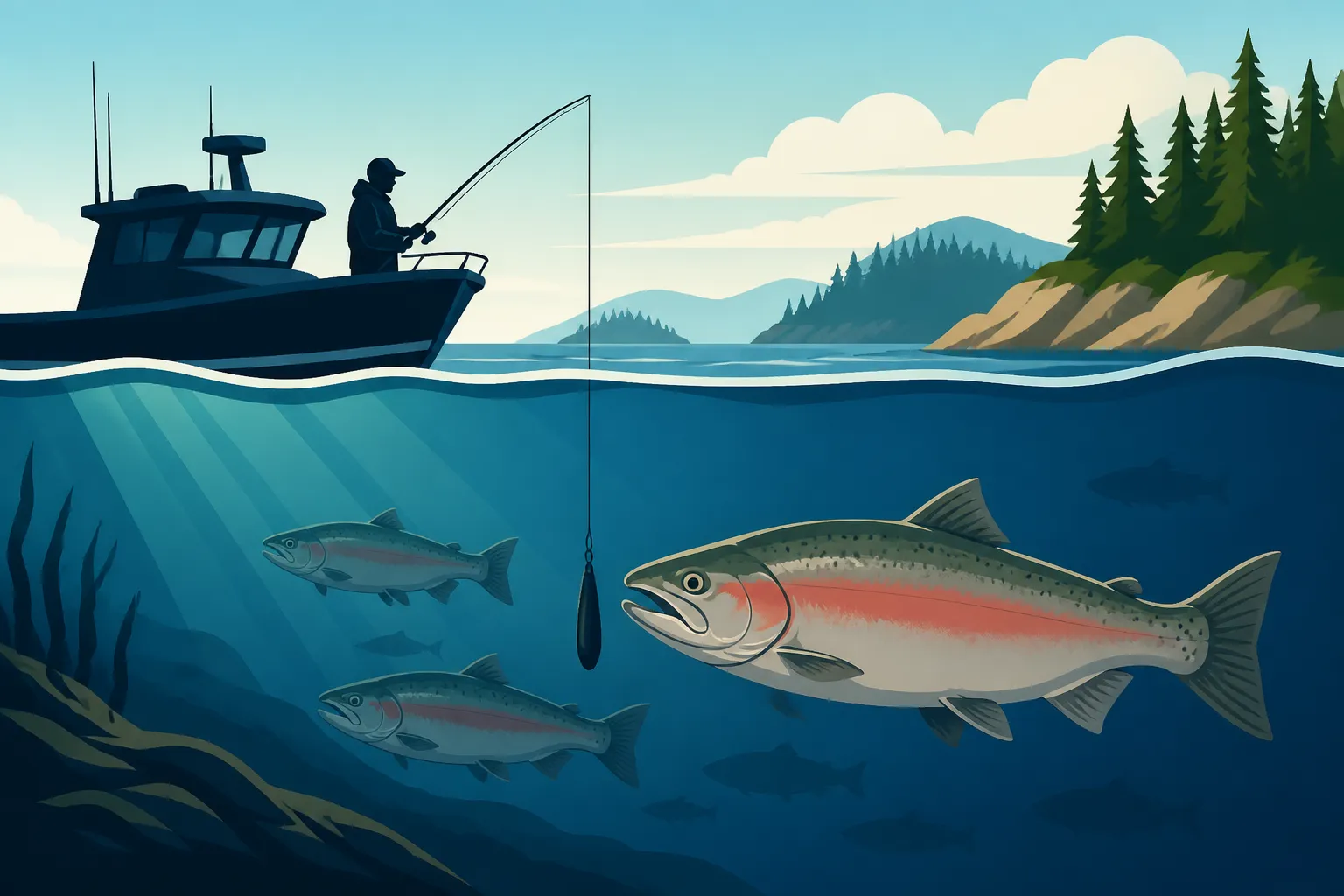
It's a familiar feeling, isn't it? You're out on the vast, beautiful waters of Puget Sound, targeting those feisty Coho salmon, and you know they're somewhere out there. But the burning question, the one that can make or break your day, is always: at what depth are they holding? This isn't just a casual query; it's the riddle every salmon angler grapples with, and getting it wrong means a lot of wasted time and bait. This guide is here to unravel that mystery, offering a deep dive into the dynamic factors that dictate Coho depth and how you can adapt your approach to put more fish in your boat.
Understanding Coho Behavior in Puget Sound
Coho salmon, often called "silvers" for their brilliant, chrome-bright scales when fresh from the ocean, are incredibly dynamic fish. Unlike some other salmon species that might stick to more predictable depths, Coho are opportunistic feeders and their location in the water column is heavily influenced by a combination of biological needs and environmental conditions. Ignoring these underlying behaviors means you're essentially fishing blind, hoping for a lucky strike rather than actively hunting.
Seasonal Migrations and Feeding Patterns
The migratory patterns of Coho are a primary driver of their depth. When Coho Salmon Run in Washington, especially in the late summer and fall, they are moving from the open ocean into Puget Sound and eventually towards their natal rivers to spawn. During this journey, their behavior shifts. Early in the season, when they're still feeding heavily to build up energy reserves, they tend to be more spread out and actively chasing baitfish. This often puts them at shallower to mid-range depths where bait schools are concentrated. As the season progresses and they get closer to their spawning grounds, their focus shifts from aggressive feeding to migration, and they might travel in tighter schools, sometimes deeper to conserve energy or avoid predators, only coming up to feed intermittently.
Consider a Coho's life in the ocean leading up to its Puget Sound return. They've spent significant time chasing bait, growing strong. When they enter the Sound, they're not just idly swimming; they're on a mission, but also still capitalizing on feeding opportunities. A keen angler understands that a Coho actively feeding will be where its food source is, which can be anywhere from the surface down to several hundred feet, depending on the bait. This active pursuit phase often means they're not glued to the bottom but are instead following temperature breaks or bait concentrations.
The Influence of Water Temperature and Salinity
Water temperature and salinity are often overlooked factors, but they play a crucial role in where Coho will be comfortable. Coho salmon prefer specific temperature ranges, typically between 48°F and 58°F (9°C to 14°C). If the surface waters are too warm, say during a hot summer spell, the Coho will likely descend to cooler, deeper water where they can conserve energy and stay comfortable. Conversely, if the deeper water becomes too cold, they might rise. This creates a "thermal refuge" or "thermocline" where conditions are just right.
Salinity also plays a part, though less frequently a primary driver than temperature within the Sound itself. However, as Coho transition from pure saltwater to brackish and then freshwater environments, their bodies undergo physiological changes. In areas where freshwater runoff meets saltwater, creating distinct layers, Coho might position themselves at the interface of these layers, where their bodies are best adapted to the mixed conditions. This is particularly true near river mouths or estuaries. Understanding these subtle shifts in water conditions can give you a significant advantage in predicting where the fish will stack up.
Forage Fish and Their Role in Coho Depth
This is perhaps the single most important factor: Coho are predators, and they will be where their food is. In Puget Sound, their primary diet consists of baitfish like herring, anchovies, sand lance, and juvenile salmon. If these baitfish schools are concentrated near the surface, that's where the Coho will be. If the bait is holding deeper, perhaps because of light avoidance or water temperature, then the Coho will follow them down.
Think about a typical day on the Sound. You're out there, scanning your sonar. If you see dense clouds of baitfish at 70 feet, your chances of finding Coho in that same depth range are significantly higher. Conversely, if your sonar is clear down deep but you see sporadic bait flickers near the surface, it might be time to lighten your gear and target those shallower fish. Observing how bait moves throughout the day – sometimes rising with low light, sometimes diving with bright sun – is key to constantly adjusting your Coho depth. For example, if you're Trolling Herring for Puget Sound Chinook in Washington, you'll notice how important it is to match the depth of the bait, and the same applies directly to Coho.
Key Factors Determining Coho Depth
While understanding Coho behavior is foundational, pinpointing their exact depth on any given day requires considering several dynamic environmental factors. These elements interact in complex ways, making Coho fishing an ever-evolving puzzle. The angler who can read these subtle clues will consistently outperform those who stick to a fixed depth.
Time of Day and Light Penetration
Light is a massive factor. Just like us, fish react to sunlight, though often in reverse. During low light conditions – dawn, dusk, or heavily overcast days – Coho are often more active near the surface. The reduced light gives them an advantage over their prey, which might be more exposed, and they feel less vulnerable to aerial predators. This is why many anglers experience explosive surface bites early in the morning or late in the evening.
As the sun climbs higher and light penetrates deeper into the water column, Coho tend to drop. They seek refuge in deeper, darker water, partly to avoid the bright light which can make them more visible to predators, and partly because their prey also seeks deeper cover. On a bright, sunny afternoon, you might find Coho 50, 80, or even 100 feet down, whereas in the early morning fog, they could be busting bait just 10 feet under the surface. This diurnal pattern is crucial to remember when planning your fishing strategy and adjusting your gear throughout the day.
Tides and Currents
The relentless push and pull of Puget Sound's tides and currents play a significant role in where Coho position themselves. Best Tides for Puget Sound Salmon Fishing in Washington often coincide with periods of strong current because these currents stir up the water, disorient baitfish, and create feeding lanes for predators. Coho, being efficient hunters, will often stage themselves in current seams, eddies, or along structure where they can ambush passing bait with minimal effort.
During strong tidal exchanges, Coho might hold deeper to escape the full force of the current, only rising to feed when a school of bait is swept past them. Conversely, during slack tide, when currents are minimal, they might be more dispersed and willing to chase bait wherever it goes, potentially shallower. Understanding the local tide charts and how current flows around specific fishing spots is critical for predicting Coho depth. A strong outgoing tide, for instance, might push bait out of a bay, and Coho will be waiting at the mouth of that bay, potentially deeper in the current lane.
Structure and Bottom Topography
Underwater structure and bottom topography provide cover, ambush points, and often hold concentrations of baitfish, making them prime locations for Coho. This can include everything from artificial reefs and sunken rockpiles to natural ledges, drop-offs, and even the subtle changes in the bottom contour of a bay. Coho will relate to these features, sometimes holding just off the edges, sometimes right over the top, depending on the current and bait availability.
If you're fishing an area with a prominent drop-off, Coho might be suspended at the depth where the bait is holding, or they might be cruising the edge of the drop-off, using it as a highway. Knowing the underwater map of your fishing grounds, perhaps from a detailed chart or your fish finder, is invaluable. For example, if you're seeing signs of Electronics That Help You Find Lingcod Structure, the same principles apply for finding Coho relating to similar underwater features. They won't always be on the bottom like lingcod, but they will be near structure that provides cover or concentrates bait.
Practical Strategies for Locating Coho at Depth
Finding Coho at their preferred depth isn't just about understanding the fish and the environment; it's about applying practical techniques and utilizing your gear effectively. This is where the rubber meets the road, transforming theoretical knowledge into actual hooked fish.
Using Sonar and Fish Finders Effectively
Your fish finder is your absolute best friend when trying to dial in Coho depth. Don't just look for "arches"; learn to interpret what you're seeing. Dense clouds or "bait balls" are critical. If you see bait concentrated at 60 feet, chances are the Coho are either right there, or lurking just beneath or around them, waiting for an opportunity. Look for larger, distinct arches or marks within or immediately surrounding these bait schools – those are likely your Coho. For instance, the same principles apply if you are trying to ascertain Can a Fish Finder Help You Locate Kokanee?, the goal is to identify both the target fish and their forage.
Beyond just identifying fish, pay attention to the thermocline if your unit can detect it. Often, this is shown as a distinct layer on the screen where water temperature changes rapidly. Coho will frequently hold just above or within this layer, as it represents their optimal temperature zone. Don't be afraid to adjust your transducer sensitivity to get a clearer picture of what's happening beneath your boat. A good fish finder, like many options available on Amazon, can be a game-changer for consistently finding productive depths.
Adjusting Your Gear and Presentation
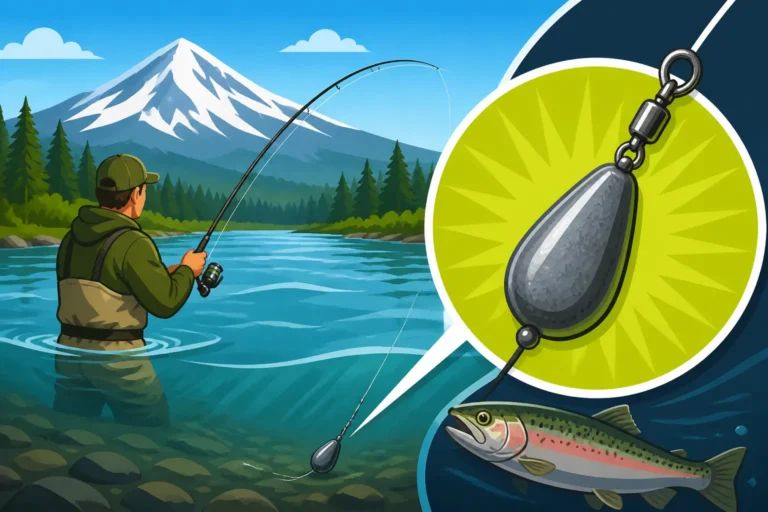
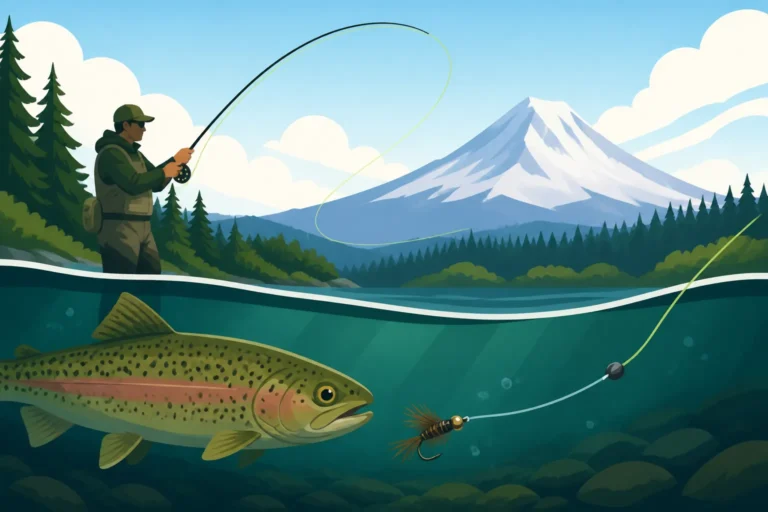
Once you have a depth in mind, you need the right tools to get your lure or bait there. For salmon fishing in Puget Sound, this almost always involves some form of controlled depth fishing. Downriggers are king here, allowing you to precisely set your lure at a specific depth and retrieve it through that depth. If Coho are at 70 feet, your downrigger ball goes to 70 feet, and your lure follows.
Other tools include divers (like Dipsy Divers or Jet Divers) which use water pressure to dive to a set depth, or leaded line, which sinks at a predictable rate per color. For shallower Coho, especially those actively chasing bait on the surface, a simple mooching setup or a weighted spoon might be all you need. The key is flexibility. Don't commit to one depth or one piece of gear. If you're not getting bites at 50 feet, move your gear to 40 feet, then 60 feet. Run multiple lines at different depths until you find where the fish are active. Knowing what Rod and Reel You Need for Washington Puget Sound Salmon is also critical here, as heavier gear may be needed for deeper trolling.
Reading the Water for Subtle Clues
Sometimes, the best fish finder isn't electronic; it's your own eyes. Coho are often visual feeders, and there are subtle clues on the surface that can tell you a lot about their depth and activity. Look for birds diving, especially gulls or terns, which often indicate baitfish pushed to the surface by feeding salmon. Small ripples or splashes can be Coho busting bait, particularly in low light. Even the presence of seals or sea lions, while sometimes a nuisance, tells you there's fish activity in the area.
Pay attention to current lines, eddies, and areas where two different water bodies meet. These are often places where bait collects and Coho will lie in wait. Observing boat traffic can also offer clues – if every other boat is consistently hooking up in a specific area or at a specific trolling speed, it might indicate a productive depth or tactic. Combining these visual observations with your electronics provides the most complete picture of where the Coho are holding. Remember, even Does Weather Affect Washington Salmon Fishing? can influence these surface clues, with calm days often making surface activity more visible.
Typical Depth Ranges for Coho in Puget Sound
Let's get down to some actionable numbers. While Coho depth is highly variable, there are general ranges you can start with, which you then fine-tune based on the conditions of your specific fishing day. Think of these as starting points, not rigid rules.
General Guidelines by Season
- Early Season (Late July – August): As Coho first enter Puget Sound, especially around areas like Marine Area 9, they are often still actively feeding and can be found anywhere from 20 to 80 feet. They might be higher in the water column in the early morning or late evening, dropping deeper during bright midday sun. Look for them following bait schools that are often scattered. Your strategies for Depth Washington Chinook Hold at in Summer can offer some overlap, though Coho tend to be more spread out.
- Mid-Season (September – Early October): This is often peak season. Coho are migrating more purposefully but still feeding. They can be found in a wide range, often 30 to 100 feet, but are notorious for surprising anglers by hitting gear run much deeper or shallower. They often relate to pronounced structure or current lines near river mouths and migratory corridors.
- Late Season (Late October – November): As Coho get closer to spawning, their feeding can slow, and they might hold deeper, perhaps 50 to 120+ feet, especially in deeper channels or near river entrances, as they conserve energy. However, they can still have aggressive feeding windows, particularly in low light or during strong tidal pushes. This is when patience and persistence are key.
It's important to note that these are broad guidelines. A cold snap in August could push fish deeper than expected, just as a prolonged overcast period in October could keep them shallower. Always be prepared to experiment and adjust.
When Coho Are Near the Surface vs. Deep
The conditions that dictate whether Coho are high or low in the water column are crucial:
-
Near the Surface (0-30 feet):
- Low light conditions: Dawn, dusk, heavy overcast, fog, or rain.
- Active baitfish: Schools of herring or anchovies pushed to the surface, often indicated by bird activity or surface boils.
- Cool surface temperatures: If the entire water column is cool and within their preferred range, they have no reason to dive deep.
- Strong tides: Can sometimes disorient bait near the surface, making them easy targets for Coho.
- Specific forage: Sometimes, Coho will key in on small surface insects or juvenile fish that don't dive deep.
- Mooching for salmon in Washington's Puget Sound is an excellent technique for these shallower-holding fish.
-
Deeper (30-150+ feet):
- Bright sun/Clear skies: Coho seek the darker, cooler waters below.
- Warm surface temperatures: A common scenario in summer, forcing Coho into the cooler thermocline.
- Deep-holding baitfish: If their primary food source is deep, they will follow.
- Strong currents: They might drop deeper to avoid the full force of the current or to find current breaks behind structure.
- Pressure: Some anglers believe high atmospheric pressure can push fish deeper.
- Specific structure: Coho might hold over deep reefs or drop-offs, using them as ambush points.
The most successful anglers are those who don't assume. They start by checking their electronics, observing the conditions, and then deploying their gear strategically across different depths until a pattern emerges. It’s a dynamic dance with the fish, and every day brings a new rhythm.
| Season/Condition | Typical Coho Depth Range (Puget Sound) | Key Indicators/Notes | Recommended Gear for Depth Control |
|---|---|---|---|
| Early Season (Jul-Aug) | 20-80 feet | Active feeding, scattered bait. Surface bites possible in low light. | Downriggers, Dipsy Divers, Lead Core |
| Mid-Season (Sep-Oct) | 30-100 feet | Strong migration, still feeding opportunistically. Relate to structure/current. | Downriggers (primary), Dipsy Divers |
| Late Season (Oct-Nov) | 50-120+ feet | Spawning focus, less aggressive feeding. May hold deeper in channels. | Downriggers, heavier lead |
| Bright Sunny Day | 50-150 feet | Seek cooler, darker water. Follow deep bait. | Downriggers, heavier divers |
| Overcast/Low Light | 0-50 feet | More active near surface. Target surface-feeding bait. | Mooching, light lead, shallow divers |
| Strong Currents | 40-100 feet (often near structure) | Positioned in current breaks, waiting for bait. May drop deeper to avoid main current. | Downriggers, heavy lead, precise boat control |
| Slack Tide | More scattered, variable | Can be anywhere, often following bait. Less predictable, requires more searching. | Experiment with varied depths |
Finding the optimal depth for Coho salmon in Puget Sound is rarely a static endeavor. It's a continuous process of observation, adaptation, and a bit of good old-fashioned angling intuition. The beauty of chasing these magnificent fish is in the challenge – the ever-changing conditions that keep you on your toes. By understanding their behavior, paying close attention to environmental cues, and utilizing your gear smartly, you'll be well on your way to cracking the code of Coho depth. So, get out there, embrace the variability, and enjoy the thrill of the chase!
Disclaimer
Fishing regulations, seasons, and limits in Washington State can change frequently, often with short notice due to in-season management adjustments by the Washington Department of Fish and Wildlife (WDFW). While this guide provides general information, it is your responsibility to check the most current WDFW regulations before heading out on the water. Always consult the official WDFW website or the latest Sport Fishing Rules pamphlet for up-to-date information on specific marine areas, species, and any emergency rule changes like Puget Sound Salmon Closures: What Washington Anglers Need to Know. Fishing responsibly ensures the sustainability of our fisheries for future generations.