What Happens if Only One Angler Books a Shared Trip
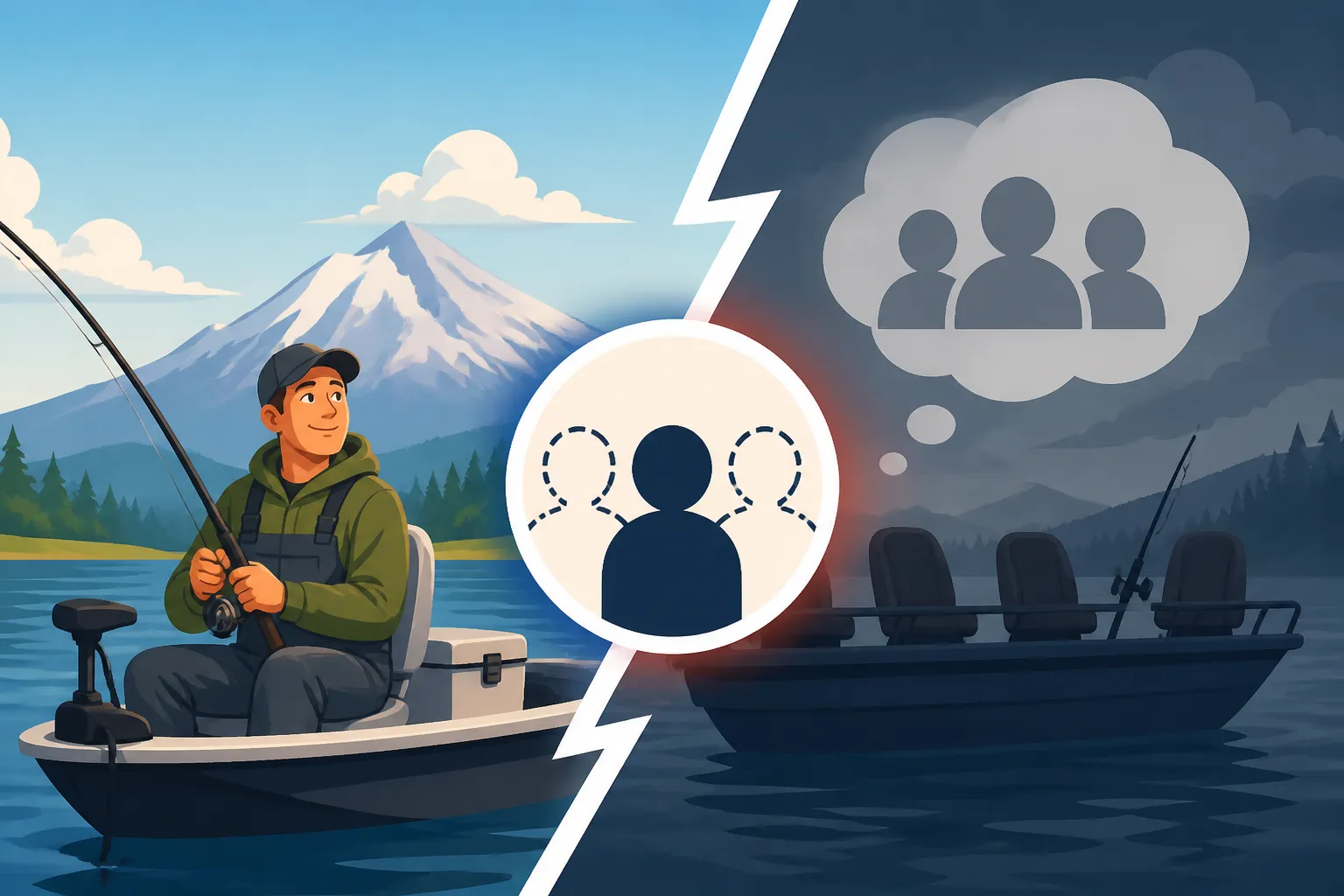
It’s a common scenario that can spark a little bit of anxiety: you've booked what you thought was a shared fishing trip, dreaming of a lively boat with fellow anglers, only to realize, as the date approaches, that you might be the only one. This guide is here to walk you through exactly what typically happens when you find yourself as the sole booking on a shared fishing charter in Washington, and how to navigate the possibilities to ensure you still get out on the water.
The Shared Charter Concept: More Than Just a Boat Ride
When you book a shared fishing trip, you’re not just reserving a spot on a boat; you're often buying into a collective experience designed to be more affordable and social than a private charter. But what does that really mean for you if the boat isn't full? Let's dive into the core idea behind these trips and why sometimes, you might be the only one on the manifest.
What "Shared Trip" Really Means
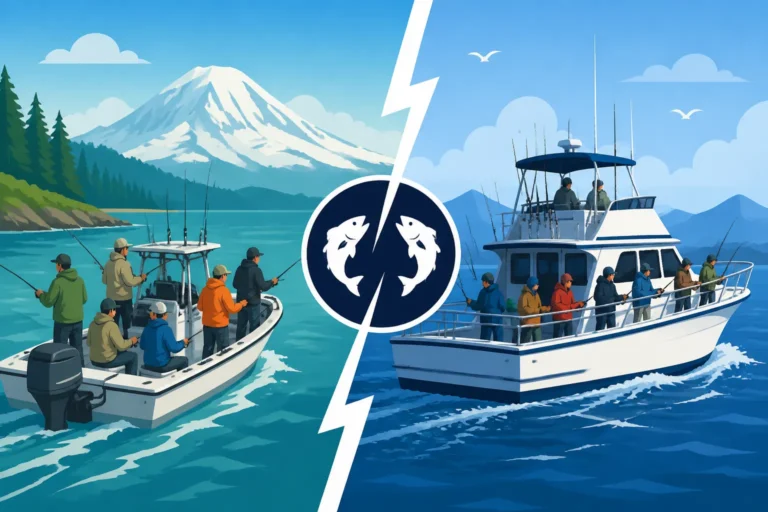
A shared fishing trip, often called an "open party" or "head boat" trip, is exactly what it sounds like: multiple individuals or small groups, none of whom know each other, come together to share the cost of a charter. This is a fantastic option for solo anglers, couples, or small families who want to experience guided fishing without the significant expense of booking an entire boat privately. You get to enjoy the captain's expertise, the gear, and the prime fishing spots without having to foot the bill for every seat. It’s also a great way to meet new people who share your passion for casting a line. You might be targeting anything from Chinook Salmon: Washington's King of Fish in Puget Sound to bottomfish off the coast.
The expectation is usually that there will be other anglers. The captain or charter company typically sets a minimum number of participants required to make the trip financially viable. If that minimum isn't met, that's where the uncertainty for the lone angler comes in. However, the camaraderie and shared excitement of a successful day on the water, even with strangers, are a huge part of the appeal for many.
Why a Charter Might Have Few Bookings
There are numerous reasons why a shared charter might have fewer bookings than expected, leaving you as the sole angler. It's rarely a reflection on you or the quality of the charter! Sometimes, it’s simply bad luck or timing. If you're booking last-minute, especially during shoulder seasons or on weekdays, availability might be lower across the board. The specific target species or the prevailing Washington Fishing Seasons: A Month-by-Month Guide can also play a role. For instance, a charter for Halibut Fishing Techniques for the Washington Coast might fill up faster during peak season than an off-season bottom fishing trip.
Other times, unforeseen circumstances like unexpected weather forecasts, last-minute cancellations from other parties, or simply a slower week for tourism in the area can result in a sparsely booked boat. It's a reality of the charter business that not every trip fills to capacity, and guides are always navigating this challenge. So, if you find yourself in this situation, know that it's a normal part of the process, and there are established ways charter operators handle it.
Common Scenarios When You're the Sole Angler
So, you’re the only name on the list for that shared fishing trip. What happens next? Don't panic! Charter operators have standard procedures for these situations, and you typically have a few different outcomes. Understanding these will help you manage your expectations and even turn a potentially disappointing situation into a fantastic opportunity.
The Trip Goes Anyway (and You Get Lucky!)
This is often the dream scenario for a solo angler on a shared trip: you show up, and for whatever reason, the captain decides to run the trip even though you're the only one. Suddenly, you've got a private fishing charter at a shared trip price! This isn't guaranteed, of course, but it happens. Captains might decide to run the trip for a few reasons:
- Minimum Operational Costs Met: Sometimes, the cost for just one or two anglers might still cover fuel, bait, and a portion of the guide's time, making it worth their while, especially if they have nothing else scheduled.
- Goodwill and Reputation: A captain might opt to run the trip to honor their commitment and maintain a good reputation, hoping you'll become a repeat customer or spread positive word-of-mouth.
- Calendar Management: They might prefer to keep their schedule flowing and ensure they're on the water, even if it's not a full boat.
If this happens, consider yourself incredibly fortunate! You'll benefit from more one-on-one attention from the guide, more space to cast, fewer tangled lines, and often more flexibility in terms of where you fish within the permitted areas. You might even get a chance to learn more about specific techniques like Trolling for Salmon in Washington's Puget Sound or Drift Fishing for Steelhead in Washington Rivers with personalized instruction. It's essentially a VIP experience without the VIP price tag.
The Charter is Rescheduled or Cancelled
More commonly, if a shared trip doesn't meet its minimum participant requirement, the charter operator will need to reschedule or, in some cases, cancel the trip outright. This can be frustrating, especially if you've planned your travel around it. Most shared charters have a clear policy on minimum numbers, often requiring anywhere from 3 to 6 anglers to make the trip economically feasible.
When this happens, the charter company will typically reach out to you directly, usually a few days or even 24-48 hours before the scheduled trip. They will generally offer you a few options:
- Reschedule: They might suggest moving your booking to another date when they have more anglers confirmed, or when another shared trip is closer to filling up.
- Full Refund: If rescheduling isn't possible or doesn't work for you, they will issue a full refund for your booking.
- Alternative Trip: Sometimes, they might offer you a spot on a different type of shared trip, perhaps in a different location or targeting a different species, if that trip does have enough bookings.
It's important to remember that these policies are in place for the sustainability of the charter business. Fuel, bait, boat maintenance, and guide wages are significant overheads, and running a large boat for just one person often isn't financially viable. Always review the cancellation policy when booking, especially when using platforms like FishingBooker, which usually clearly outline these terms.
Option to Upgrade to a Private Trip
Another very common scenario, particularly if you are the only angler, is for the charter operator to offer you the option to upgrade your booking to a private trip. This means you would pay the difference between the shared trip price you originally paid and the full cost of a private charter.
This can be an excellent option if:
- Your Schedule is Inflexible: If you're visiting Washington for a limited time and that specific day is your only chance to fish, upgrading ensures you get out on the water.
- You Value Privacy and Flexibility: A private trip means the boat, the guide's attention, and the itinerary (within reason and regulations) are entirely yours. You can often dictate the pace, choose to focus on a specific technique or species, or even spend more time at a particular fishing spot.
- You Can Afford It: While more expensive, the cost might be justifiable for the personalized experience, especially if you consider the alternative of not fishing at all.
Before deciding, ask the captain what the exact upgrade cost would be. Compare this against the value you place on having the boat to yourself. For some, the cost is well worth the increased flexibility and dedicated guide time. For others, the shared experience and lower price point are key, and they might prefer a refund or rescheduling.
What to Do When You're the Only Booking
Finding yourself as the sole angler on a shared trip can feel a bit uncertain, but with a proactive approach, you can navigate the situation effectively. It's all about communication, understanding policies, and knowing your options.
Communicating with Your Charter Captain
The best thing you can do is be proactive. If you're getting close to your trip date and haven't heard from the charter, or if you simply want peace of mind, don't hesitate to reach out to the captain or booking agent. A polite call or email a few days before your scheduled trip to confirm the status and ask about other bookings is completely appropriate.
Here are some key questions to consider asking:
- "What are the minimum participant requirements for this shared trip?"
- "How many other anglers are currently booked for my date?"
- "What is the plan if the minimum isn't met?"
- "Are there other shared trips available on different dates that are more likely to run?"
- "What would be the cost to upgrade to a private trip if I am the only one?"
Open communication helps you understand the situation and allows the captain to offer you the best possible solutions. They want you to have a great experience, and often, they're just as keen to ensure you get out on the water as you are.
Understanding the Charter's Policies
Before you even book, it’s crucial to understand the charter’s specific policies regarding shared trips, minimum numbers, cancellations, and refunds. This information is usually available on their website, in the booking confirmation, or on third-party booking sites like FishingBooker. Seriously, read the fine print!
Pay close attention to:
- Minimum Participant Clause: This will state how many people are needed for the trip to depart as a shared charter.
- Notification Period: How far in advance will they notify you if the trip needs to be canceled or rescheduled due to low bookings? Typically, this is 24-48 hours.
- Refund/Reschedule Options: What are your options if the trip is canceled? Is it a full refund, credit for a future trip, or a reschedule?
- Upgrade Option: Is there a clear process and pricing for converting to a private charter?
Knowing these details upfront will save you stress and allow you to make informed decisions if you find yourself as the lone angler. It also prevents misunderstandings and makes the entire process smoother.
Exploring Alternatives and Next Steps
If your trip is indeed canceled due to low bookings, it's not the end of your fishing dreams in Washington! You still have options.
First, consider the alternative dates the charter might offer. If your schedule allows, rescheduling can often be the easiest solution.
Second, if you're set on fishing that specific day, you might need to broaden your search. Check with other charter companies in the same area. Sometimes, one operator might have a full boat while another doesn't. You could also explore different types of trips or even consider a different Fishing Spots like Fishing the Columbia River in Washington: A Complete Overview or Washington's Puget Sound Fishing Spots for Salmon and Bottomfish.
If a guided trip isn't possible, don't forget the world of DIY fishing! Washington offers incredible opportunities for bank fishing, pier fishing, or even renting a small boat for self-guided adventures. Resources like Bank Fishing Techniques for Washington Salmon can provide a great starting point if you decide to go it alone. The key is not to let a single canceled charter derail your entire outdoor experience.
Making the Most of Your Washington Fishing Experience
No matter how your shared trip situation plays out, the goal is always to have a memorable and successful fishing adventure in Washington. A little preparation and a flexible mindset can go a long way in turning potential setbacks into unique opportunities.
Flexibility is Key for Shared Trips
When it comes to shared charters, embracing flexibility is perhaps your most powerful tool. Life happens, and so do low booking numbers. If your schedule allows, being open to adjusting your trip date can significantly increase your chances of getting on the water. Many charters might offer an incentive to reschedule rather than cancel entirely. This might mean a slightly different time, a different boat, or even a different target species. For example, if your salmon trip is off, maybe they have a bottom fishing trip going out that day.
Think about the broader timeframe of your visit to Washington. If you have several days, try to book your shared trip early in your stay. That way, if it gets canceled, you have a buffer to reschedule or find an alternative. This kind of planning alleviates pressure and allows you to enjoy the process, rather than stressing over a single booking.
Preparing for Any Outcome
While you hope for the best, it's wise to prepare for any outcome, especially if fishing is a major part of your Washington itinerary. This means having a backup plan in mind, just in case.
- Financial Preparedness: Be aware of the potential cost to upgrade to a private trip if that's an option you might consider.
- Alternative Activities: Have a list of other activities or fishing spots you can explore if your charter is canceled. Washington is rich with opportunities, from Best Washington Lakes for Trout Fishing to exploring Washington's San Juan Islands for Salmon and Lingcod.
- Gear Check: Ensure your personal gear, like appropriate clothing for Washington's variable weather, is ready regardless of the trip's status. Consider waterproof layers, as rain is always a possibility, especially during Months of Washington's Winter Steelhead Season.
By mentally preparing for different scenarios, you empower yourself to react calmly and decisively, ensuring that your time in Washington, whether on a guided charter or a solo adventure, is as fulfilling as possible.
| Scenario | Pros | Cons | Action for Angler |
|---|---|---|---|
| Trip Runs (Sole Angler) | Private trip for shared price, more attention, flexible | N/A | Enjoy the VIP experience! |
| Rescheduled by Charter | Still get to fish, usually no extra cost | May not fit your schedule, date change | Be flexible, check other available dates |
| Canceled by Charter | Full refund | No fishing trip, plans disrupted | Ask about alternatives, seek other charters, DIY fish |
| Option to Upgrade to Private | Guaranteed trip, full flexibility, personalized | Higher cost | Evaluate budget, consider value of private experience |
Disclaimer
This article is for general informational purposes only and does not constitute professional advice. Laws, prices and regulations vary by location and change over time. Consult a qualified professional for guidance on your specific situation.