Is a Guide Required to Fish the Hoh River in Washington?
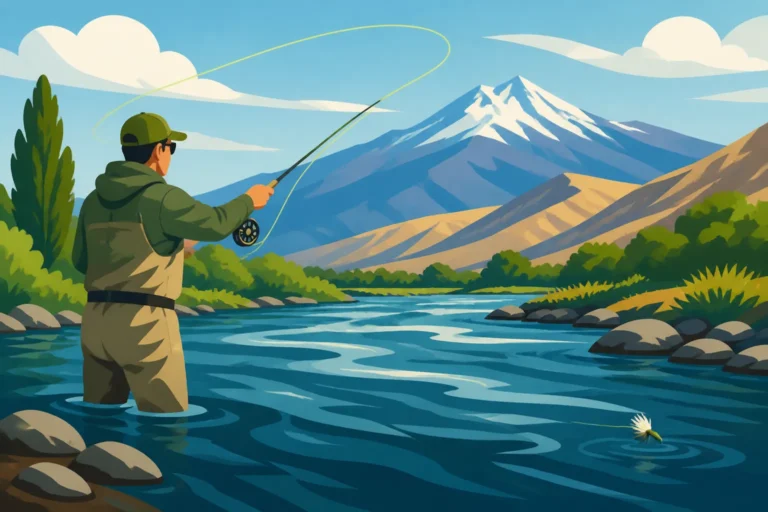
The idea of fishing a legendary river like the Hoh in Washington State often conjures images of pristine wilderness and hard-fighting fish, but it also brings up a very real question for many anglers: do I need a guide to fish it? It's a common worry, especially when you're dreaming of tackling a wild river that might seem intimidating. The short answer, thankfully, is no, a guide is not legally required. However, for a river as wild and remote as the Hoh, deciding whether to go it alone or enlist the help of a seasoned professional is a crucial choice that can dramatically impact your experience and success. This guide will walk you through everything you need to know to make an informed decision for your Hoh River adventure.
The Legalities of Fishing the Hoh River Without a Guide
Let's get this straight right off the bat: the Washington Department of Fish and Wildlife (WDFW) does not mandate that you hire a guide to fish the Hoh River. As long as you possess the appropriate Washington Fishing License Guide for Nonresidents or resident license, adhere to all local regulations, and respect private property, you are legally permitted to fish the Hoh on your own steam. This applies to most public access points along the river. You're free to grab your gear, consult your regulations pamphlet, and head out.
However, the "legally allowed" part doesn't always translate to "easily done" or "safely accomplished." The Hoh River is not like casting a line into a local stocked lake. It's a powerful, dynamic river flowing through ancient rainforest, with sections that are truly remote and can be treacherous. While you might legally be able to access certain areas, navigating the river itself, understanding its nuances, and staying safe are entirely different beasts. Many anglers, even experienced ones, often underestimate the sheer scale and wildness of the Hoh until they're actually on its banks. It’s a place that demands respect and preparation, whether you're guided or not.
Why a Guide is Highly Recommended for a Hoh River Trip
Even though it’s not a legal requirement, many anglers, myself included, will enthusiastically recommend a professional guide for a Hoh River fishing trip, especially if it's your first time or if you're targeting specific species like the revered wild steelhead. The benefits often far outweigh the costs, transforming what could be a frustrating or even dangerous outing into a memorable and successful adventure.
Navigating the River and Accessing Remote Spots
The Hoh River is predominantly a drift boat or raft fishery. While there are some limited bank access points, the vast majority of the prime fishing water is only accessible by floating the river. This means having the right watercraft – typically an McKenzie-style drift boat or a sturdy raft – and the skill to navigate its currents, gravel bars, and potential hazards like log jams. It's not a place for a recreational canoe or kayak, unless you're incredibly experienced in challenging river conditions.
A seasoned guide not only provides the necessary watercraft but also possesses intimate knowledge of the river's constantly changing channels. They know where the fish hold at different water levels, where the snags are, and how to safely navigate rapids or swift currents. They can put you on fish in stretches of the river that would be impossible or unsafe to reach otherwise, maximizing your time casting rather than scouting or struggling with logistics. Many guides have developed relationships with private landowners over the years, granting them access to launch and take-out points that simply aren't available to the general public, which is a huge advantage on a river with notoriously limited public access.
Safety in a Wild, Untamed Environment
The Hoh River watershed is a truly wild place, nestled deep within the Olympic National Park and surrounding forests. Cell service is spotty at best, and help can be hours away. Fluctuating water levels, strong currents, and unpredictable weather are all part of the package. A sunny morning can quickly turn into a chilly, rainy afternoon, causing water levels to rise rapidly.
A professional guide brings an unparalleled level of safety to your trip. They are trained in swiftwater rescue, first aid, and often carry satellite communication devices for emergencies. They monitor weather patterns, understand river hydrology, and know when it's safe to be on the water – and, crucially, when it's not. Imagine hooking into a powerful winter steelhead in a remote section of the river, only for a storm to roll in and the water to start rising. Having an experienced hand at the oars, guiding you safely through challenging conditions, is truly invaluable. Their expertise allows you to focus on the fishing, knowing you're in capable hands.
Local Knowledge and Adapting to Conditions
Fish, especially wild fish in a river like the Hoh, are incredibly sensitive to environmental changes. Water temperature, clarity, flow rate, time of year, and even recent precipitation can all dictate where fish are holding and what they'll bite on. What worked last week might not work today. This is where a guide's local knowledge becomes your greatest asset.
Hoh River guides spend hundreds of days a year on the water. They know exactly what techniques, fly patterns, or bait presentations are producing results right now. They can read the water, identifying prime holding lies for Chinook, coho, or steelhead that an uninitiated angler might simply float past. They can quickly adapt strategies based on the day's conditions, switching from drift fishing with eggs or beads for steelhead to casting large spoons or plugs for salmon, ensuring you're always using the most effective approach. This real-time, on-the-water expertise is nearly impossible for an occasional visitor to replicate. You can read all the articles on Winter vs Summer Steelhead Runs in Washington, Explained or Drift Fishing for Steelhead in Washington Rivers but nothing beats current, local insight.
Increased Success Rates and Enhanced Learning
Let's be honest, we all want to catch fish. While there's never a guarantee, fishing with a guide significantly boosts your chances of success on a challenging river like the Hoh. They know where the fish are, what they're biting, and how to present your offering effectively. Beyond just catching fish, a guided trip is an incredible learning opportunity.
Guides are often excellent teachers. They can show you proper casting techniques for river conditions, how to mend your line effectively, how to identify prime fish habitat, and even the subtle art of the "steelhead grab" – that delicate take that's so easy to miss. They can explain Wild Steelhead Release Rules on Washington's Olympic Peninsula Rivers and demonstrate proper fish handling to ensure the health of these precious resources. You'll likely walk away from a guided trip not just with potential fish caught, but with invaluable skills and knowledge that will make you a better angler in the long run. Platforms like FishingBooker make it easy to find guides who specialize in various techniques and species, allowing you to choose one that aligns with your specific goals.
How to DIY Fish the Hoh River: The Challenges and Considerations
While not recommended for the novice, fishing the Hoh River without a guide is absolutely possible for experienced, prepared anglers. However, it's crucial to understand the significant challenges and considerations involved to ensure a safe and productive trip. This isn't a casual outing; it's an expedition that requires serious planning and execution.
Limited Public Access Points
One of the biggest hurdles to DIY fishing the Hoh is access. Unlike many rivers with numerous boat ramps or public easements, public access along the Hoh is extremely limited. The most well-known and often used access points are typically concentrated around the lower river, often requiring a long drive from major population centers. Many prime fishing sections flow through private timber land or within the Olympic National Park, where fishing regulations can differ or access is restricted.
If you plan to float, you'll need to meticulously scout put-in and take-out points, which often involves coordinating with landowners or navigating unmarked, rugged terrain. Simply showing up hoping to find a spot is a recipe for frustration. For bank anglers, your options are even more restricted, often limited to bridge crossings or small, designated public access areas that can become crowded during peak seasons. This is one of the reasons why guides who have established relationships for private access have such an advantage. Without careful planning and potentially securing permission, you might find yourself walking a lot more than fishing.
Necessary Gear and Expertise
To effectively fish the Hoh River, especially for migratory salmon and steelhead, you generally need to be able to cover water. This almost always means having a drift boat or a sturdy raft designed for river fishing. This isn't just about owning the boat; it's about having the skills to safely pilot it through changing currents, avoid hazards, and effectively position it for fishing. If you're not an experienced whitewater rower, or at least highly proficient in navigating similar rivers, attempting to float the Hoh on your own could be genuinely dangerous.
Beyond the boat, you'll need all the right fishing gear: heavy-duty rods and reels suitable for battling strong fish, a variety of terminal tackle for Drift Fishing for Steelhead in Washington Rivers or other techniques, appropriate clothing for unpredictable Washington's Olympic Peninsula Rivers weather (rain gear is a must!), and safety equipment like PFDs, throw bags, and a comprehensive first-aid kit. You'll also need to be self-sufficient, carrying all your food, water, and emergency supplies, as there are no services once you're on the river. Understanding What to Pack for a Washington Fishing Road Trip is essential for even a day trip here.
Intricate Regulations and Conservation Ethic
The Hoh River is home to wild salmon and steelhead, and as such, it operates under some of the most stringent and frequently changing fishing regulations in Washington State. Seasons, bag limits, gear restrictions (like barbless hooks only, which are common on wild steelhead rivers), and even specific river sections can have different rules. These rules are put in place to protect fragile wild populations and are often subject to Emergency Rule Changes: Why Washington's Rules Shift Mid-Season.
It is your sole responsibility to know and understand every single rule before you cast a line. This includes having a valid The Washington Catch Record Card and What It Requires and knowing how to correctly fill it out for any salmon or steelhead you harvest. Misinterpreting a regulation, even accidentally, can lead to hefty fines and loss of fishing privileges. Guides are always up-to-date on the latest rules, acting as a living, breathing regulations pamphlet. If you're going DIY, you need to check the WDFW website for rule updates daily, especially during peak seasons, and be fully committed to responsible catch-and-release practices for wild fish.
Choosing and Booking a Washington Fishing Guide
If you've weighed the pros and cons and decided that a guided trip is the best way to experience the Hoh River, then congratulations – you're setting yourself up for a much higher chance of success and a far more enjoyable, less stressful outing. But how do you go about finding and booking the right guide? It's not as simple as picking the first name you see.
What to Look For in a Reputable Guide
When selecting a Hoh River guide, you want someone who is not just good at fishing, but also an excellent boatman, a patient teacher, and a true professional. Here are a few key things to look for:
- Experience: Prioritize guides with extensive experience specifically on the Hoh River. They understand its nuances, access points, and fish movements. Look for guides who have been operating in the area for many years.
- Licenses and Insurance: Ensure your guide is properly licensed by the U.S. Coast Guard (if operating a motorized vessel or taking paying clients) and has all necessary state guiding permits. They should also carry liability insurance. Don't hesitate to ask for proof.
- Safety First: A good guide will prioritize your safety above all else. Ask about their safety protocols, what equipment they carry (first-aid, communication), and their experience with river emergencies.
- Communication Style: Do they seem approachable and willing to teach? A great guide can adapt their teaching style to your experience level, whether you're a beginner or an expert looking to refine specific techniques.
- Gear and Equipment: A quality guide will provide top-notch rods, reels, and tackle that are appropriate for the river and target species. Their boat should be well-maintained and comfortable.
- Reputation and Reviews: Check online reviews on platforms like FishingBooker, Google, or social media. Ask for references if possible. Word-of-mouth is often the best indicator of a guide's quality.
Booking Your Trip and What to Expect
Once you've identified a few potential guides, reach out to them directly. Be prepared to discuss your preferences (target species, fishing style), experience level, and available dates. Many popular guides, especially for prime seasons like winter steelhead, book up months or even a year in advance, so plan ahead!
Booking platforms like FishingBooker can be incredibly useful for comparing different guides, checking their availability, reading reviews from other anglers, and often securing your trip with a deposit. They offer a convenient way to browse options and get a sense of what different outfits offer. When you book, be sure to confirm:
- Cost: Understand the full price, including any deposits, and what it covers (gear, bait, lunch, fish cleaning).
- What to Bring: Your guide will usually provide a list of essentials, but generally, expect to bring your valid Washington fishing license and catch record card, appropriate clothing (layers!), snacks, drinks, and a camera. What to Bring on a Washington Fishing Charter can offer a good general checklist.
- Meeting Location and Time: Clarify where and when you'll meet, especially given the Hoh's remote nature.
- Cancellation Policy: Understand their policy regarding weather or unforeseen circumstances.
- Tipping: While not mandatory, tipping your guide is customary and greatly appreciated, especially for excellent service. A good rule of thumb is 15-20% of the trip cost if you had a great experience. You can find more details on Tipping Etiquette for Washington Fishing Guides.
Ultimately, whether you choose to go with a guide or venture out on your own, fishing the Hoh River is an unforgettable experience. Making an informed decision based on your skill level, desired experience, and realistic assessment of the river's challenges will ensure you have the best possible chance at success and a safe, enjoyable trip on one of Washington's most iconic waterways.
Comparing Guided vs. DIY Hoh River Fishing
To help you make your decision, here's a quick comparison of what you can generally expect from a guided trip versus a DIY trip on the Hoh River:
| Feature | Guided Hoh River Trip | DIY Hoh River Trip |
|---|---|---|
| Legal Requirement | No | No |
| Cost | Higher upfront cost (guide fee) | Lower upfront cost (fuel, gear, license) |
| Logistics & Planning | Handled by guide (boat, access, gear, current conditions) | Entirely your responsibility (boat, access, gear, regulations) |
| River Navigation | Expertly handled by guide, ensures safety and best drifts | Requires strong river rowing skills, can be challenging/dangerous |
| Access to Fishing Spots | Often includes private access points, maximizing productive water | Limited to public access, requires scouting and possibly permission |
| Local Knowledge | Current, real-time insights on fish behavior, techniques | Relies on personal research, past experience, and luck |
| Safety | Guide provides expert safety, emergency preparedness, communication | Entirely your responsibility, limited external support |
| Success Rate | Generally higher due to expertise and access | Variable, heavily dependent on skill, conditions, and luck |
| Learning Opportunity | Excellent, direct instruction from experienced professional | Self-taught, through trial and error |
| Stress Level | Lower, focus on fishing and enjoyment | Higher, managing all aspects can be stressful |
| Ideal For | Beginners, those new to the Hoh, seeking maximum success & safety | Highly experienced river anglers, expert boatmen, budget-conscious |
Disclaimer
Please be aware that fishing regulations in Washington State, especially for wild fisheries like the Hoh River, can change frequently and without much warning. Always consult the official Washington Department of Fish and Wildlife (WDFW) website or their most current regulations pamphlet before heading out on any fishing trip. This guide is for informational purposes only and does not supersede official WDFW regulations. Your safety and adherence to all laws are your responsibility.