Penalty for Exceeding a Bag Limit in Washington
It's a frustrating situation that many anglers, even the most seasoned among us, have worried about: you're out on the water, having a fantastic day, the fish are biting, and suddenly you realize you might have kept one too many. Or perhaps you misidentified a species, and now you're holding a fish that puts you over your limit. Navigating Washington's complex fishing regulations can feel like walking a tightrope, and the thought of facing penalties for honest mistakes, or even just a lapse in judgment, is enough to cast a shadow over any fishing trip. This guide is here to shed light on exactly what happens if you exceed a bag limit in Washington, covering the potential fines, legal repercussions, and what you can do to avoid such a headache in the first place.
The Harsh Reality of Exceeding Bag Limits in Washington
Let's be honest, it's incredibly easy to accidentally go over your limit or unintentionally break a rule. The thrill of a hot bite can sometimes cloud judgment, or a moment of confusion between species or regulations can lead to a costly error. Maybe you're fishing a new area for the first time, or an emergency rule change came out that you missed. Washington's waters are teeming with diverse species, and understanding How Bag and Possession Limits Work in Washington for each one can be a full-time job. Even for experienced anglers, distinguishing between similar-looking fish or keeping track of multiple limits for different species can be a challenge.
When we talk about "exceeding a bag limit," it's usually referring to keeping more fish than legally allowed for a specific species in a given day (the "daily limit") or having more than the total allowed in your possession at any one time, whether on the water, in your cooler, or at home (the "possession limit"). These limits are put in place by the Washington Department of Fish and Wildlife (WDFW) for crucial conservation reasons, to ensure sustainable fisheries for future generations. When an angler exceeds these limits, even by just one fish, it's considered a violation of state law, and the consequences can be surprisingly severe. It's not just a slap on the wrist; it can impact your wallet, your license, and your ability to fish in the future. Imagine a scenario where you've been having incredible luck on the Cowlitz River with salmon, and in the excitement, you accidentally keep a fourth hatchery coho when the daily limit is three. That single fish, no matter how good your intentions, can quickly turn a memorable day into a legal predicament.
Understanding the Legal Ramifications and Penalties
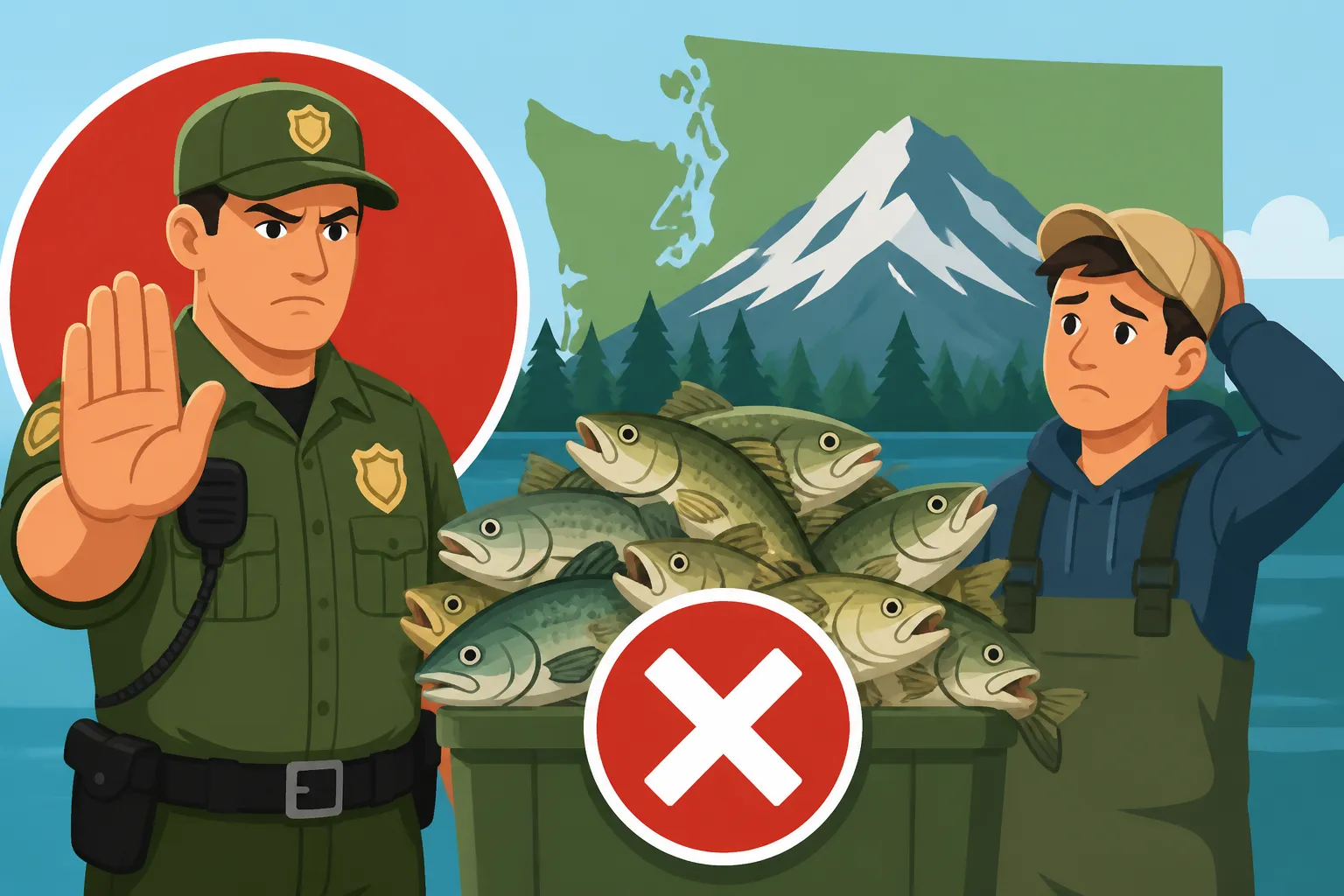
The penalties for exceeding a bag limit in Washington are designed to be a deterrent, reflecting the seriousness of conservation violations. These aren't minor infractions; they're legal offenses that carry real weight. The exact penalty can vary widely depending on several factors, including the species involved, the number of fish over the limit, whether it's a protected species, and if it's a first-time offense or a repeat violation. The enforcement officers, often referred to as game wardens, have some discretion, but the law is clear on the potential maximums.
Generally, you're looking at a monetary fine, which can range from a few hundred dollars to well over a thousand, even for a single fish. For example, keeping one extra salmon might result in a base fine, but if that salmon happens to be a wild steelhead in a system where only hatchery fish are allowed, the fines can skyrocket. Additionally, exceeding limits can result in restitution — essentially, paying the state for the ecological value of the fish you illegally took. This restitution value is set by the state and can be substantial, especially for protected or high-value species like Chinook salmon or steelhead.
Beyond the immediate financial hit, one of the most significant consequences is the potential loss of your fishing privileges. WDFW has the authority to suspend or revoke your fishing license for a period of time, which could be months or even years, depending on the severity and history of the violation. Imagine being unable to fish your favorite waters like Puget Sound for salmon or the Olympic Peninsula rivers for steelhead because of a mistake. This consequence can be particularly painful for those who cherish their time on the water. In more egregious cases, or for repeat offenders, exceeding a bag limit can even escalate to a misdemeanor charge, which means a criminal record and potentially even jail time, though this is rare for a first-time, minor over-limit infraction.
Here's a simplified look at how penalties might be structured, though actual fines and judicial outcomes can vary greatly:
| Violation Type | Typical Initial Fine Range | Restitution per Fish | Potential License Impact | Other Penalties |
|---|---|---|---|---|
| 1-2 Fish over limit (common species) | $200 – $750+ | $10 – $100+ | Warning to 1-year suspension | Court appearance |
| 3+ Fish over limit (common species) | $500 – $1,500+ | $50 – $250+ | 6 months to 2-year suspension | Misdemeanor possible |
| Any amount over limit (protected/sensitive species) | $750 – $2,500+ | $100 – $500+ | 1 year to multi-year suspension/revocation | Misdemeanor likely |
| Repeat Offender | Significantly higher fines | Higher restitution | Multi-year suspension/revocation | Misdemeanor likely, potential jail time |
It's vital to remember that these are just examples. The court system will take into account the specifics of the case. Was it an honest error in identification? Was it clearly a deliberate attempt to poach? Your cooperation with the WDFW officer and your past record will play a role. It's truly a scenario where ignorance of the law is no excuse, and wardens are trained to assess intent. You can learn more about the broader scope of Fines and Penalties for Common Fishing Violations in Washington.
Enforcement on the Water: What to Expect from WDFW
The Washington Department of Fish and Wildlife (WDFW) Enforcement Division is on the front lines, tasked with upholding the state's fishing regulations. These dedicated officers patrol rivers, lakes, and marine areas, ensuring that anglers comply with the rules set forth in the regulations pamphlet. They're often seen on popular fishing spots like the Columbia River, Puget Sound, or checking creels at boat launches on the coast near Westport. If you've ever wondered, "Do Wardens Check Licenses on Washington Rivers?" the answer is a resounding yes, and they also check your catch.
When a WDFW officer suspects a violation, they have the authority to approach anglers, request to see their fishing license, Catch Record Card, and inspect their catch. This is a routine part of their job, and anglers are legally required to comply with these requests. If an officer finds that you have exceeded a bag limit, the process usually goes like this:
- Investigation and Interview: The officer will typically ask questions about your fishing activity, when and where you caught the fish, and how many you've kept. They'll assess the situation to determine if it appears to be an accidental oversight or a willful violation.
- Citation Issuance: If a violation is confirmed, the officer will issue a citation. This is essentially a ticket that outlines the specific violation (e.g., "exceeding bag limit for Chinook salmon") and will often include the initial fine amount. The citation will also inform you of your requirement to appear in court or to resolve the issue by mail, depending on the severity.
- Forfeiture of Illegal Catch: Any fish caught in excess of the legal limit will almost certainly be seized by the WDFW officer. These fish are typically donated to local food banks or charitable organizations, so at least they don't go to waste.
- License Review: The violation will be recorded, and depending on the offense, WDFW may initiate a review process that could lead to the suspension or revocation of your fishing license. This decision isn't always immediate and might involve a separate administrative hearing. As an angler, it's crucial to understand that Can You Lose Your License for a Violation in Washington? is a very real possibility.
It's important to remain calm and cooperative if you encounter an officer. Arguing or being uncooperative will not help your situation and could potentially lead to additional charges. If you truly believe you made an honest mistake, explain it clearly and politely. They've seen it all, and while they have a job to do, they are also human.
Avoiding Costly Mistakes: Proactive Steps for Anglers
The best defense against penalties is prevention. Staying informed and being diligent can save you a lot of grief and money. It's a fundamental part of responsible angling in Washington, where regulations can be incredibly nuanced and change often.
- Read the Regulations Pamphlet – Every Single Time: Before you head out, especially if you're fishing a new area or targeting a different species, take the time to read the current year's Washington Sport Fishing Regulations Pamphlet. These are available online on the WDFW website, at license vendors, and sometimes on platforms like Amazon if you prefer a physical copy. Pay close attention to the specific rules for the body of water you'll be fishing and the species you're targeting. Don't just skim it; really digest the details on daily and possession limits.
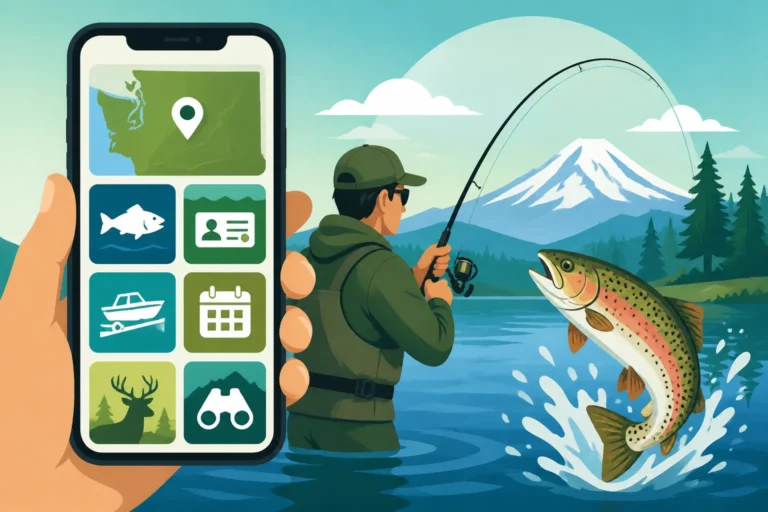
- Utilize WDFW Resources: The WDFW website is a treasure trove of information. They have detailed listings for Understanding Washington's Daily Bag Limits by Species and often post emergency rule changes promptly. The Fish Washington app (available for both iOS and Android) is an invaluable tool that allows you to check regulations on the go, report your catch, and even purchase licenses. There are also frequent updates on their social media channels and through email newsletters.
- Learn Proper Fish Identification: Many violations stem from misidentifying a fish. Knowing the difference between a hatchery steelhead (which often has a clipped adipose fin and can sometimes be kept) and a wild steelhead (which usually must be released) is critical. Similarly, differentiating between Chinook, Coho, and Chum salmon, especially when they're fresh from the ocean, can be tricky but is essential for staying within specific species limits. If you're unsure, practice with fish identification guides or ask experienced anglers. You can learn more about How to Identify a Fish You've Never Caught Before.
- Keep Meticulous Records: If a Catch Record Card is required for the species you're fishing (like salmon, steelhead, or halibut), fill it out immediately after retaining a fish. This isn't just a suggestion; it's a legal requirement. It helps you keep track of your catch and shows an officer that you are actively monitoring your limits. Understand The Washington Catch Record Card and What It Requires and familiarize yourself with How to Fill Out a Washington Catch Record Card correctly. Don't wait until you get home; record it as soon as the fish is in your possession.
- Understand Daily vs. Possession Limits: It's not just about what you catch today. Your possession limit applies to all fish of a particular species that you have, regardless of when they were caught. If you catch your limit of salmon on Monday, you might not be able to fish for salmon again until you've consumed or processed those fish down to within your possession limit. Make sure you know the difference between Possession Limits vs Daily Limits in Washington.
- When in Doubt, Release it: If you're ever uncertain about a fish's species, its legal size, or whether keeping it will put you over your limit, the safest bet is always to release it gently. It's far better to let a fish go than to face a hefty fine and a potential license suspension. You can also research "What to Do If You Catch More Than Your Limit by Accident" for specific advice, though generally, immediate, careful release is the best course of action.
By taking these proactive steps, you can significantly reduce your risk of encountering penalties for exceeding bag limits and ensure your time on Washington's beautiful waters remains enjoyable and stress-free.
Disclaimer
Please remember that fishing regulations, fines, and penalties can change frequently. While we strive to provide the most current information, it is ultimately your responsibility to check the official Washington Department of Fish and Wildlife (WDFW) regulations before each fishing trip. This guide is for informational purposes only and should not be considered legal advice.