Is Buoy 10 Good for Beginners?
Oh, Buoy 10. It’s a legendary name whispered among Washington anglers, conjuring images of silver bright salmon leaping and coolers overflowing with prime fillets. But for a beginner, those whispers can quickly turn into a roar of intimidation, leaving you wondering if this world-class fishery is even remotely accessible. The truth is, while Buoy 10 offers unparalleled opportunities, it’s also one of Washington’s most challenging fishing environments, and this guide will peel back the layers to help you understand if it’s the right place for you to dip your toes in.
Is Buoy 10 the Right Starting Point for Beginner Anglers?
Let’s get straight to it: for the absolute beginner, launching your own boat and attempting to navigate the chaotic, high-stakes environment of Buoy 10 independently is likely not a recipe for success or enjoyment. It's a bit like trying to learn to drive a stick shift in rush hour traffic on a mountain pass. However, that doesn't mean Buoy 10 is off-limits for those new to fishing. It simply means your approach needs to be carefully considered and strategic.
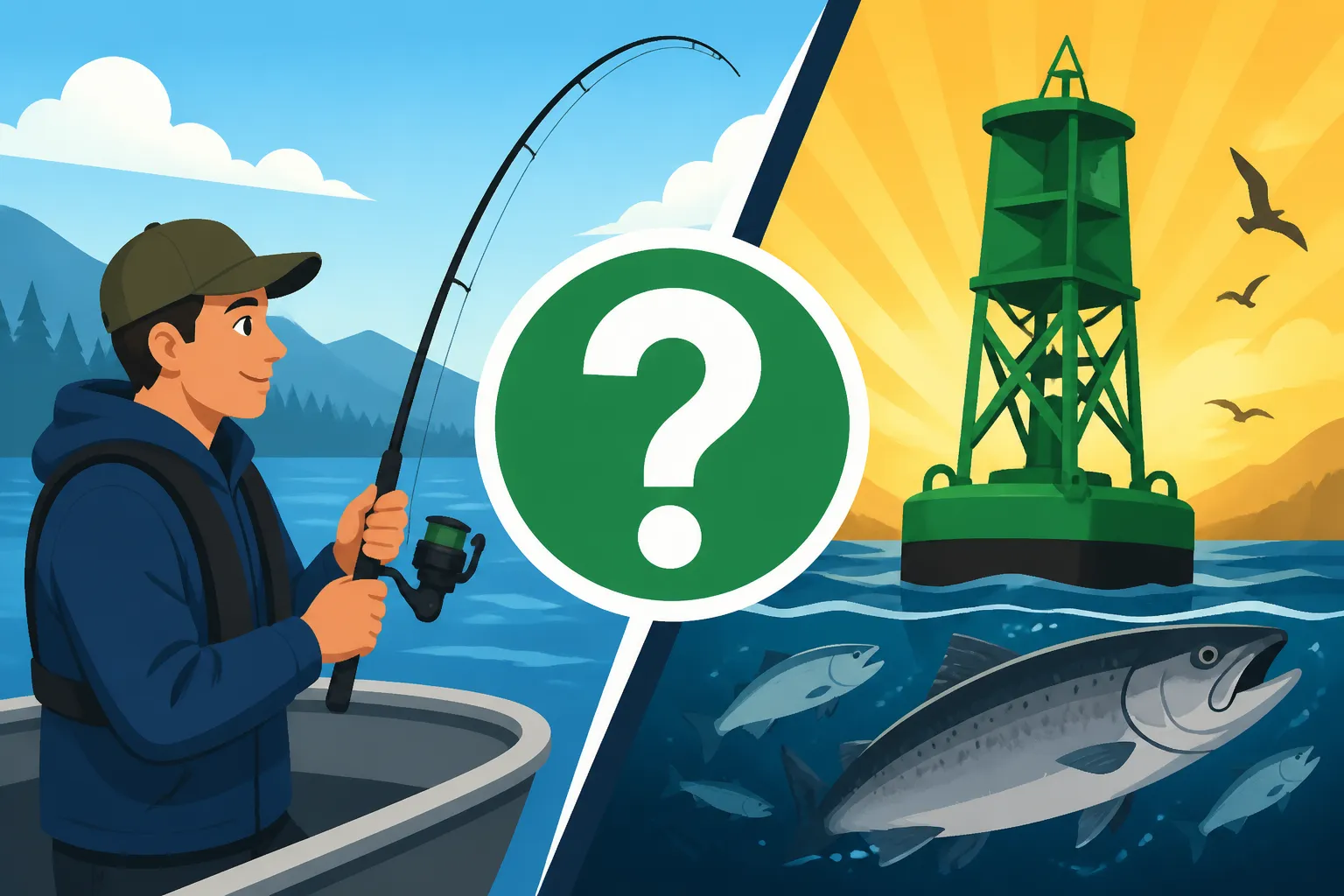
Buoy 10 is where the mighty Columbia River meets the vast Pacific Ocean, specifically the waters around the famous navigational buoy number 10, located just outside the Columbia River Bar. This confluence creates a funnel for millions of returning salmon — primarily Chinook and Coho — during late summer and early fall. The sheer volume of fish is what makes it so legendary. Anglers flock here from all over, creating a vibrant, often intense, fishing scene. The stories you hear of "epic limits" are absolutely true, but they often come from those with years of experience, specialized equipment, and a deep understanding of the fishery's unique nuances. For someone who's never cast a line, or who has only fished calm freshwater lakes, the sheer scale and intensity of Buoy 10 can be overwhelming, even dangerous if unprepared. We're talking about ocean-grade conditions, crowded waterways, and techniques that are far from simple. So, while it's a dream destination for many, jumping in headfirst without the right support is usually not the best plan.
Navigating the Realities: What Makes Buoy 10 Challenging for Newcomers
When you picture Buoy 10, you might envision serene waters and easy catches. The reality, especially during peak season, is often quite different. Several factors combine to make this fishery a formidable challenge, particularly for those just starting out. Understanding these difficulties beforehand is crucial for managing expectations and planning a safe, productive trip.
Powerful Currents and Tricky Tides
The Columbia River mouth is not your average tranquil fishing hole; it's a dynamic, powerful system where the river’s immense flow collides with the ocean’s tides. This creates incredibly strong and often unpredictable currents. During a hard ebb tide, when the river is rushing out, or a strong flood tide, when the ocean is pushing in, the water can move at astonishing speeds.
For a beginner, understanding and fishing these currents is a monumental task. Your boat handling skills need to be sharp to maintain position, execute proper drifts, and avoid getting pushed into dangerous areas or colliding with other vessels. The currents dictate everything from your trolling speed to how much weight you need to get your gear down to the fish. Misjudging the tide can lead to your gear simply dragging uselessly on the bottom, or worse, being swept away entirely. I’ve seen countless inexperienced anglers lose expensive tackle in a matter of minutes because they didn't account for the current's relentless pull. It's not just about knowing when the tide changes, but how it affects the water movement in specific zones, and that knowledge comes with significant time on the water.
Unprecedented Crowds and On-Water Etiquette
During the height of the Buoy 10 season, usually in August, the lower Columbia River transforms into a floating city. Hundreds, sometimes thousands, of boats, from small aluminum skiffs to large sport fishing vessels, converge on the same relatively small area. This level of congestion presents significant challenges. For a beginner, simply maneuvering your boat safely through this armada can be stressful.
Imagine trying to learn to parallel park while being surrounded by Formula 1 race cars, all vying for the same spot. That's a bit what it feels like. You need a keen awareness of your surroundings, excellent boat control, and a good understanding of on-water etiquette to avoid tangled lines, close calls, and frustrated glares. You’ll hear boat horns, see anglers yelling about cut lines, and experience the constant churn of wakes from passing vessels. It's an environment where patience and defensive boating are paramount. Finding a clear spot to fish, or even maintaining a consistent troll path, becomes a constant battle against the crowd.
Sophisticated Fishing Techniques and Specialized Gear
Buoy 10 fishing isn't typically a simple bobber and worm affair. The most effective methods involve precise techniques that take time to master. Trolling with downriggers, divers, or heavy lead, often incorporating flashers, dodgers, and specific baits like cut-plug herring or Brad's Super Baits, is the norm. Each component plays a vital role, and getting the depth, speed, and presentation just right requires experience.
You might be targeting Chinook (the kings!) early in the season, which prefer deep, robust presentations, or faster-moving Coho later, which often hit higher in the water column and react differently to lures. Understanding these nuances – what kind of bait, how to rig it perfectly, what leader length to use, how fast to troll, and at what depth – is a huge learning curve. Without proper technique, your chances of hooking up are significantly reduced, which can be disheartening for a beginner who's invested a lot of time and money into the trip. It's a far cry from the Best Washington Lake for a Family Trip where a simple worm under a bobber can bring success.
Safety Considerations on the Bar
The Columbia River Bar is infamous for being one of the most dangerous bar crossings in the world. While most Buoy 10 fishing occurs inside the bar, the proximity means conditions can change rapidly. Large ocean swells can push into the mouth, especially on an incoming tide, creating rough, choppy, and even dangerous seas. Winds can kick up quickly, turning a calm morning into a white-knuckle ride.
For a beginner, understanding marine weather forecasts, recognizing dangerous conditions, and making sound judgments about when and where it's safe to fish is incredibly important. Having a seaworthy boat, all required safety equipment (like life vests for all aboard, a marine radio, and emergency flares), and the knowledge of how to use them is non-negotiable. Even within the "safe" confines of the river mouth, the strong currents and potential for large waves from ocean swells or passing ships demand a high level of caution and respect for the water.
Smart Strategies for Beginners to Experience Buoy 10
Given the challenges, does that mean a beginner should just forget about Buoy 10? Absolutely not! The thrill of hooking into a powerful Chinook Salmon: Washington's King of Fish or a chrome-bright Coho Salmon Fishing in Washington from this iconic fishery is an experience every angler dreams of. The key is to approach it smartly, leveraging the knowledge and expertise of others.
The Ultimate Beginner Strategy: Booking a Reputable Charter
Without a doubt, the single best way for a beginner to experience Buoy 10 is by booking a reputable fishing charter. This isn't just a suggestion; it’s practically a prerequisite for a safe, enjoyable, and productive first trip. Here’s why it works so well:
- Expertise on Demand: A seasoned charter captain lives and breathes Buoy 10. They know the currents, the tides, where the fish are holding, and exactly which techniques are producing. They navigate the crowds with ease and prioritize your safety above all else. This removes the steepest part of the learning curve instantly.
- Top-Notch Gear: Charter boats come fully equipped with high-quality rods, reels, and all the specialized tackle needed for Buoy 10. This saves you the significant upfront investment in gear you might not know how to use yet. Plus, if a line gets tangled or a lure gets lost, it's the charter's equipment, not yours.
- Safety First: Charter captains are licensed professionals whose livelihoods depend on safely guiding clients. Their boats are regularly inspected, equipped with advanced navigation and safety gear, and they constantly monitor weather and bar conditions. This provides an invaluable layer of security, especially in a dynamic environment like the Columbia River mouth.
- Learning Opportunity: A good captain and deckhand will often explain what they're doing, offer tips, and help you improve your technique. It’s a hands-on masterclass without the pressure of having to run the show yourself. You'll learn about Trolling for Salmon in Washington's Puget Sound techniques, how to read your electronics, and even the nuances of proper fish handling.
- No Boat? No Problem! You don't need to own or even trailer a boat. Just show up, ready to fish. Many charters operate out of places like Ilwaco, Washington, offering convenient access to the fishery.
When looking for a charter, do your homework. Websites like FishingBooker can be a great starting point for finding captains with good reviews and a strong track record at Buoy 10. Don't be shy about asking questions: What's included? What kind of fish are they targeting? What’s their cancellation policy for weather? Transparency is key. Remember that What a Washington Guided Fishing Trip Costs can vary, but it's an investment in a potentially unforgettable experience.
Join an Experienced Angler's Boat
If you're lucky enough to have a friend or family member who is an experienced Buoy 10 angler with a suitable boat, this is another excellent option for a beginner. You'll still benefit from their knowledge of the fishery, the boat, and the techniques, but in a more intimate setting. This can be a fantastic way to learn the ropes, ask questions freely, and get comfortable with the environment without the direct financial commitment of a charter.
However, be a good guest! Offer to help with gas and bait, bring snacks and drinks, and be ready to assist with launching, retrieving, and cleaning up. Be prepared for long days and potentially challenging conditions. Your host is doing you a huge favor, so make sure you’re helpful and appreciative. Having your own Washington Fishing License Guide for Nonresidents (if applicable) and a The Washington Catch Record Card and What It Requires in order is still your responsibility.
Consider a "Softer" Introduction to River Fishing
Before tackling the chaos of Buoy 10, some beginners might find it beneficial to gain experience in other parts of the Columbia River, or other salmon rivers in Washington, that offer a slightly less intense introduction. Rivers like the Cowlitz or Kalama, further upstream, often have good salmon and steelhead runs and might present fewer navigational challenges and slightly less crowded conditions, especially outside of peak seasons. Learning to fish a slower current, practicing basic boat control, or even just bank fishing in these areas can build confidence and skills that will serve you well if you eventually decide to venture to Buoy 10. Understanding Washington Sport Fishing Seasons and Emergency Closures for these rivers will be crucial.
Getting Ready for Your First Buoy 10 Adventure: A Checklist
Whether you're booking a charter or joining a friend, a little preparation on your end goes a long way. Being well-prepared not only ensures a more enjoyable trip but also shows respect for your captain or host.
Essential Paperwork and Licenses
This is non-negotiable. Before you even think about stepping foot on a boat heading for Buoy 10, ensure you have the correct Washington State fishing licenses and endorsements.
- Washington Fishing License: You'll need either a freshwater, saltwater, or, most commonly, a combination fishing license. For Buoy 10, a combination license is generally the safest bet as you're operating in waters that can be considered both. Check out Washington's Annual, Short-Term and Combination License Options to see what suits your trip duration.
- Columbia River Salmon and Steelhead Endorsement: This is a separate endorsement required to fish for salmon and steelhead in the Columbia River and its tributaries. It's an absolute must for Buoy 10. Learn more about Washington's Columbia River Salmon and Steelhead Endorsement, Explained.
- Catch Record Card (CRC): You will need a CRC for salmon and steelhead. Any salmon or steelhead you keep must be immediately recorded on this card. Failure to do so can result in hefty fines. Understand How to Fill Out a Washington Catch Record Card before you go.
- Identification: Always carry valid photo identification, especially if you're fishing as a resident or need to prove your age.
It's your responsibility to know and abide by Washington Fishing Regulations Every Angler Should Know regarding daily limits, possession limits, and any specific rules for the Buoy 10 area.
What to Wear and Bring
Even in summer, conditions on the water can change rapidly. Layering is your best friend.
- Waterproof Outerwear: A good quality rain jacket and pants are essential, even if the forecast looks clear. You'll thank yourself when boat spray or an unexpected shower hits.
- Warm Layers: Fleece, wool, or synthetic layers that can be added or removed as temperatures fluctuate. It can be chilly in the mornings and evenings, even on a sunny August day.
- Non-Slip Footwear: Deck boots or sturdy, waterproof shoes with good grip are crucial for safety on a wet, moving boat.
- Hat and Sunglasses: Protection from sun glare and wind is important. Polarized sunglasses are also great for spotting changes in water texture or even fish jumping.
- Sunscreen: Even on cloudy days, UV rays reflect off the water, leading to sunburns.
- Food and Drink: Bring plenty of water and snacks. Fishing can be hungry and thirsty work!
- Cooler (with ice): If you're hoping to keep fish, a good cooler with plenty of ice is a must. If on a charter, confirm if they provide one or if you should bring your own.
- Seasickness Medication: If you are prone to seasickness, take preventative medication well before getting on the boat. It's better to be safe than sorry.
- Camera: To capture those memorable moments!
For a more comprehensive list, consider reviewing What to Bring on a Washington Fishing Charter.
Mindset and Expectations
Finally, approach your first Buoy 10 trip with a realistic and open mindset.
- Patience is a Virtue: Fishing is called fishing, not catching, for a reason. There will be downtime, and success is never guaranteed. Enjoy the scenery and the experience.
- Be Prepared to Learn: Ask questions, observe the captain and crew, and soak up as much knowledge as you can.
- Expect the Unexpected: Weather can change, fish can be finicky, and mechanical issues can arise. Be adaptable and keep a positive attitude.
- Focus on the Experience: Even if you don't limit out, the experience of being on the water in such an iconic fishery, witnessing the natural beauty and the spectacle of so many boats, is something truly special.
Buoy 10, while a challenging beast, is absolutely an achievable dream for beginners, especially when approached with smart planning and the right support.
| Feature | DIY Trip (Beginner) | Guided Charter Trip (Beginner) |
|---|---|---|
| Boat & Gear | Significant upfront cost; must own or rent; specialized tackle needed. | Provided by charter; high-quality, maintained gear. |
| Navigation | Extremely challenging; requires deep knowledge of currents, tides, bar. | Handled by experienced captain; safe, efficient navigation. |
| Techniques | Steep learning curve; risk of frustration and gear loss. | Demonstrated and assisted by captain/crew; practical learning. |
| Safety | High risk without experience; knowing conditions, emergency protocols. | Captain prioritizes safety; equipped boat, trained crew. |
| Crowd Management | Stressful; difficult to find space and avoid tangles. | Captain navigates crowds strategically; minimizes issues. |
| Cost | High initial investment; lower per-trip if you own a boat. | Higher per-trip cost, but no upfront gear/boat investment. |
| Learning | Self-taught, trial-and-error, potentially frustrating. | Direct instruction from experts, hands-on experience. |
| Success Rate | Generally lower for beginners due to lack of experience. | Significantly higher due to expert knowledge and equipment. |
| Enjoyment | Can be highly stressful and unproductive for a first-timer. | Maximized by reduced stress, increased learning, and potential catches. |
Disclaimer
Please remember that fishing regulations, seasons, and emergency rules are subject to change without notice. Always consult the latest Washington Department of Fish and Wildlife (WDFW) regulations before heading out. This guide is for informational purposes only and should not replace official WDFW publications or expert advice.