Did the Toutle River Recover After the Eruption?
It's completely understandable to wonder about the Toutle River, especially for those of us who remember or have heard stories about the devastating Mount St. Helens eruption back in 1980. That event left an indelible mark on the landscape, and for anglers, it often raises the question: "Is it even worth fishing anymore?" Well, I'm here to tell you that the Toutle has shown remarkable resilience, and this guide will dive deep into its journey of recovery, offering insights into its current fishing opportunities and what you can expect today.
The Catastrophic Impact of the 1980 Eruption on the Toutle River
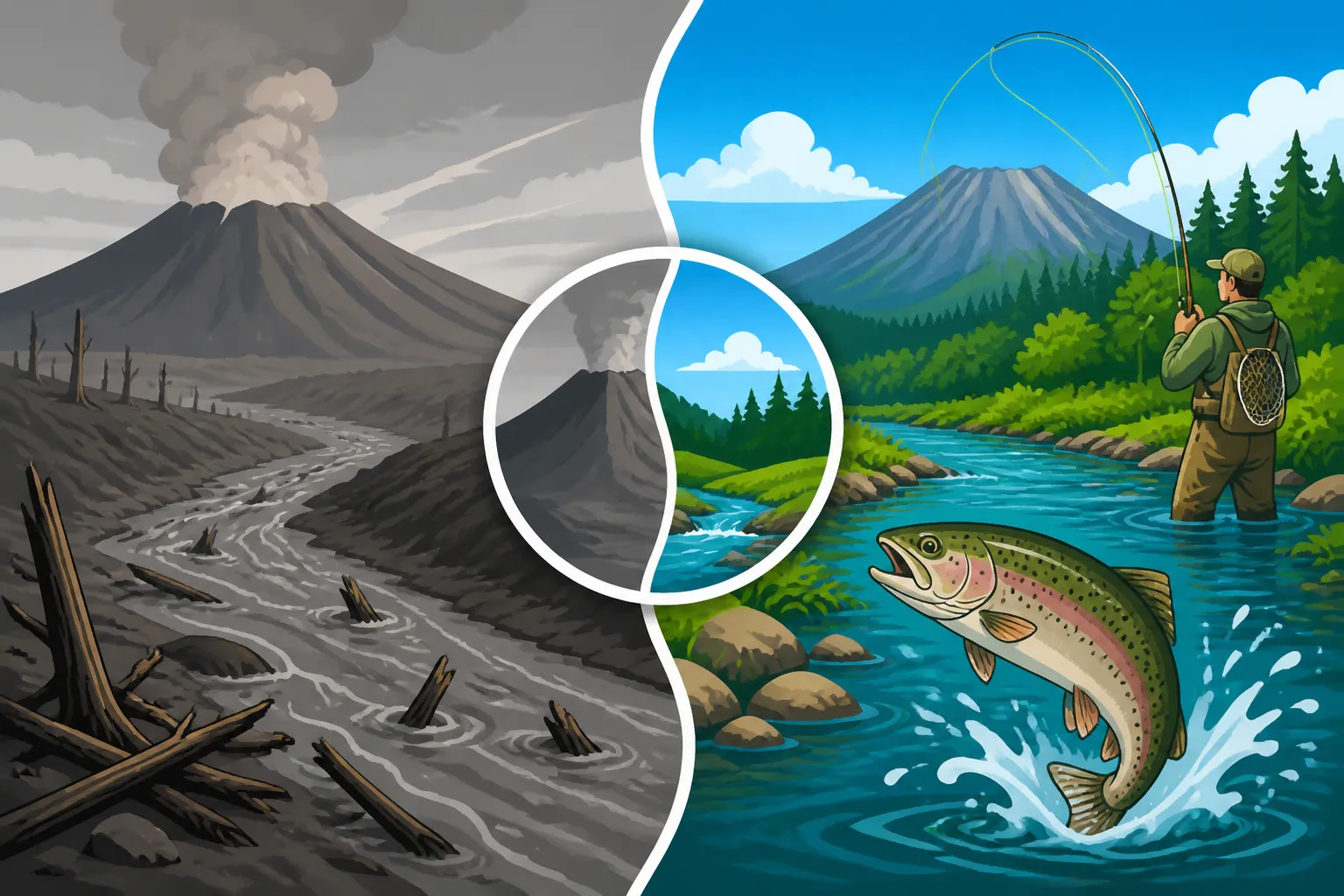
When Mount St. Helens erupted on May 18, 1980, it unleashed a force of nature that dramatically reshaped the Pacific Northwest. While the immediate destruction of the blast zone often gets the most attention, the Toutle River system, which drains the north and west flanks of the volcano, bore the brunt of subsequent lahars – massive, hot mudflows made of volcanic debris, ash, and water. These lahars were not just a flood; they were a cataclysmic transformation that buried entire valleys, altered river courses, and completely obliterated existing aquatic ecosystems. For anyone who loved fishing these waters before, the sight was heartbreaking, making many wonder if the river could ever truly bounce back.
The Initial Devastation and Lahars
The scale of the initial devastation to the Toutle River was almost unimaginable. Within hours of the eruption, colossal mudflows surged down the river valleys, reaching depths of up to 600 feet in some areas. Imagine a river, once vibrant with life, suddenly becoming a thick, concrete-like slurry that scoured away everything in its path. Bridges were ripped from their foundations, entire forests were flattened and buried, and countless miles of prime salmon and steelhead spawning and rearing habitat were suffocated under tons of volcanic sediment. The North Fork Toutle River, especially, was fundamentally altered, its channel buried up to 200 feet deep with material that flowed all the way to the Cowlitz River and eventually the Columbia. This wasn't just a temporary disruption; it was a total reset, leaving behind a barren, unstable landscape that seemed utterly inhospitable to life.
Beyond the immediate physical destruction, the lahars created a legacy of instability. The vast amounts of loose sediment left behind on the volcano's slopes and within the river's new, wider, and shallower channel meant that every subsequent rain event could trigger further erosion and mudflows. This constant influx of sediment would continue to choke the river, making it difficult for fish to spawn, for aquatic insects to thrive, and for the river to regain its natural form. The challenge wasn't just to recover from one event, but to contend with its ongoing aftermath for decades to come, posing a monumental task for both nature and human conservation efforts.
Long-Term Ecological Challenges
The long-term ecological challenges faced by the Toutle River were, and in some ways still are, profound. One of the biggest issues was the immense amount of sediment – sand, silt, and ash – continually washing into the system. This fine sediment clogs the gravel beds essential for salmon and steelhead to lay their eggs, effectively suffocating developing embryos. It also fills in the deep pools and complex riffles that provide crucial holding and feeding lies for adult fish and shelter for juveniles. Without these fundamental elements of healthy river habitat, fish populations simply couldn't recover naturally or quickly.
Another significant challenge was the sheer lack of large woody debris (LWD). Before the eruption, fallen trees and logs provided critical habitat structure: creating pools, diverting current, and offering cover from predators and strong flows. The lahars swept away nearly all of this, leaving behind a relatively sterile, uniform riverbed. Reintroducing or allowing LWD to accumulate naturally takes decades, if not centuries, to fully restore. This loss of complexity meant fewer places for fish to hide, feed, and rest, further hindering their recovery. For those who remember the abundant wild runs, the river became almost unrecognizable, a stark reminder of nature's power and fragility.
Decades of Resiliency and Restoration Efforts
Despite the catastrophic damage, the Toutle River system, like much of the Pacific Northwest, has shown incredible resiliency. It’s a testament to nature's ability to heal, often with a little help from dedicated people. For over 40 years, federal, state, and local agencies, alongside passionate conservation groups and private landowners, have poured resources and expertise into helping the Toutle recover. It hasn't been a quick fix, but a sustained, diligent effort to counteract the eruption's lasting impacts and rebuild a viable ecosystem for fish and wildlife.
Natural Recovery Processes
Even in the face of such devastation, nature found a way to begin the healing process. Over the decades, pioneering vegetation slowly began to colonize the barren landscape around the Toutle River. Grasses, shrubs, and eventually alders and willows started to grow, stabilizing the soil on the banks and helping to reduce the constant erosion that plagued the river. As these plants matured, their root systems held the soil firm, and their fallen leaves and branches contributed organic matter, slowly enriching the once-sterile volcanic ash. This vegetation also provided shade, helping to regulate water temperatures, which is crucial for cold-water species like salmon and steelhead.
Furthermore, the river itself began to re-establish a more defined channel in many areas, albeit much wider and shallower than before. Over time, gravels and cobbles, less susceptible to being washed away than fine silt, began to sort and settle. This natural sorting process, combined with the gradual return of some woody debris through windthrow and bank erosion, slowly started to create more diverse habitats. While these natural processes are incredibly slow, taking generations to truly restore a river, they laid the groundwork for the more active restoration efforts that would follow, offering a glimmer of hope that the Toutle could once again support fish.
Active Human Intervention and Habitat Projects
Recognizing the immense scale of the problem, human intervention became absolutely critical for accelerating the Toutle River's recovery. The U.S. Army Corps of Engineers built large Sediment Retention Structures (SRS) on the North Fork Toutle River. These massive dams were designed to trap much of the volcanic sediment still flowing off Mount St. Helens, preventing it from choking the lower Toutle, Cowlitz, and Columbia Rivers. This stabilization of sediment flow was a game-changer, allowing other habitat restoration efforts to have a lasting impact further downstream. Without the SRS, any work done to improve fish habitat would likely be buried by the next major rainfall.
Beyond the large-scale engineering, the Washington Department of Fish and Wildlife (WDFW), the U.S. Forest Service, and various non-profit organizations initiated numerous habitat projects. These included planting native trees and shrubs along the banks to provide shade and future large woody debris, and actively introducing large logs and root wads into the river. These strategically placed logs create vital pools, riffles, and cover, mimicking the natural structures that were lost. Efforts have also focused on reconnecting historical side channels and wetlands that were buried, providing crucial off-channel rearing habitat for juvenile salmon and steelhead, which are vulnerable to high flows in the main river. These targeted interventions, combined with the river's own resilience, have made a tangible difference, slowly but surely bringing life back to the Toutle.
Current State of Fishing on the Toutle River
So, did the Toutle River recover enough for fishing? The short answer is yes, but it's a river forever changed. While you won't find the pristine, untouched wilderness that existed before 1980, you will find a river that supports a respectable fishery, particularly for salmon and steelhead. Anglers from across Washington and beyond now regularly fish the Toutle, drawn by the challenge and the hope of hooking into a strong, resilient fish. The recovery is ongoing, and it's a dynamic system, but the opportunities are certainly there, making it a viable option for those willing to learn its nuances.
Notable Fish Species and Runs
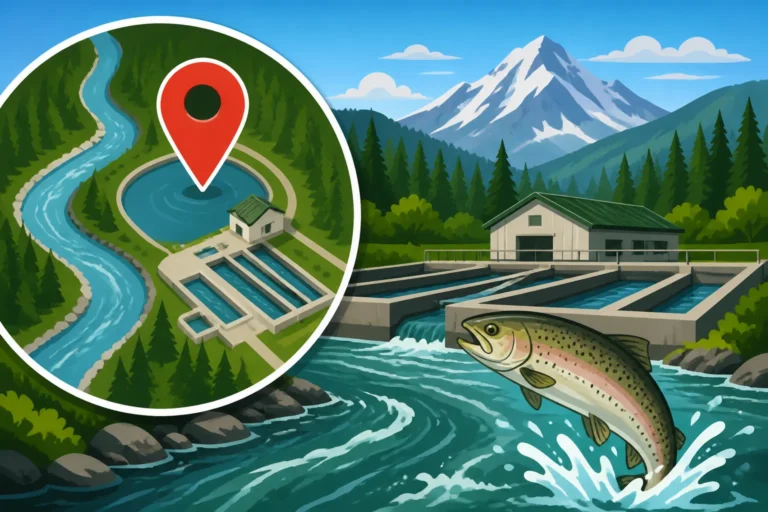
The Toutle River is primarily known for its salmon and steelhead runs, thanks in large part to the hatchery programs that supplement wild populations. You'll find opportunities for both spring and fall Chinook salmon, though the specific timing and abundance can vary year to year. Coho salmon also make a strong showing, often providing some fantastic fishing, particularly in the fall. These silver bullets are a favorite among many anglers for their aggressive takes and acrobatic fights.
Steelhead fishing is another major draw for the Toutle. The river sees both a summer steelhead run and a winter steelhead run, offering year-round opportunities for these highly prized anadromous rainbow trout. Winter steelhead, in particular, are a favorite target for many during the colder months, offering a challenging but rewarding experience. While wild steelhead populations are still recovering and often subject to specific release rules, hatchery steelhead provide a consistent opportunity. Don't forget the resident trout either; various species of cutthroat and rainbow trout can be found throughout the system, particularly in the tributaries. For details on specific runs and their timing, it's always smart to consult a resource like our guide on Washington Fishing Seasons: A Month-by-Month Guide.
| Species | Best Season | General Fishing Methods | Notes |
|---|---|---|---|
| Chinook Salmon | Spring/Fall | Plunking, drift fishing, bobber & jig | Hatchery returns provide main opportunity. |
| Coho Salmon | Fall | Plunking, drift fishing, spoons, spinners | Known for aggressive bites and good fighting. |
| Winter Steelhead | Late Fall – Spring | Drift fishing, bobber & jig, eggs, beads | Primarily hatchery-focused; wild fish often catch-and-release. |
| Summer Steelhead | Late Spring – Fall | Drift fishing, fly fishing, small spinners | Smaller numbers than winter run, but excellent fighters. |
| Resident Trout | Spring – Fall | Spinners, flies, bait | Found in mainstem and tributaries. Often smaller, but fun. |
Navigating Regulations and Access
Fishing the Toutle River, like any major Washington waterway, requires careful attention to regulations. Because of the ongoing recovery efforts and the mix of wild and hatchery fish, the rules can be quite specific and subject to change. It's not uncommon for sections of the river to have emergency rule changes, especially during periods of low returns or extreme weather. Always, and I mean always, check the current WDFW regulations before you head out. A quick read of the Reading the Washington Sport Fishing Regulations Pamphlet or checking Where to Find Current Washington Fishing Rules online is crucial. You'll need a valid Washington fishing license, and depending on what you're targeting, a Columbia River Salmon and Steelhead Endorsement might be necessary, along with a The Washington Catch Record Card and What It Requires for salmon and steelhead.
Access to the Toutle River can vary. There are several public access points, boat launches, and bank fishing spots, particularly along the lower sections where it joins the Cowlitz. However, much of the land along the river is privately owned, so respecting private property is paramount. Look for clearly marked public access areas or consult local tackle shops for advice on where to go. For those considering a guided trip, companies often have established access points and permits, which can make navigating the river much easier. Don't be surprised if you encounter varying conditions; some areas still show significant signs of the eruption's legacy, while others have seen impressive regrowth.
Planning Your Toutle River Fishing Adventure
Thinking about casting a line on the Toutle River? That's fantastic! It's a river with a compelling story and rewarding fishing opportunities for those who approach it with a sense of adventure and respect for its unique history. Planning your trip carefully will not only enhance your chances of success but also ensure you're compliant with regulations and prepared for the conditions you might encounter on this resilient waterway. It's a journey into a landscape shaped by one of North America's most famous natural events.
Best Times to Visit and What to Expect
The "best" time to visit the Toutle River truly depends on what you're hoping to catch. For salmon, particularly Chinook and Coho, the fall months are often prime, as these fish migrate upstream to spawn. However, specific runs can vary, so checking the WDFW forecasts and local reports is essential. Steelhead anglers will find opportunities year-round, with distinct Winter vs Summer Steelhead Runs in Washington, Explained. Winter steelhead fishing typically kicks off in late fall and runs through spring, while summer steelhead arrive in late spring and can be targeted through the summer and early fall. Each season offers a different river experience, from high, cold flows in winter to lower, clearer water in summer.
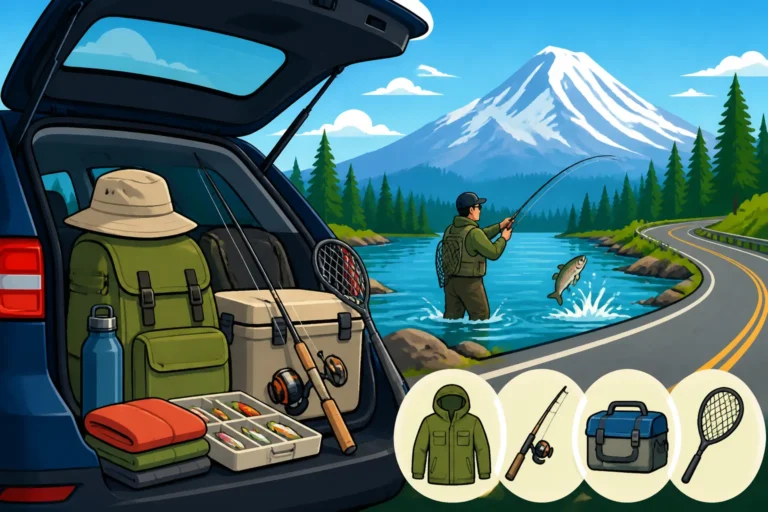
When you visit, expect a dynamic river. The Toutle is still heavily influenced by sediment, meaning water clarity can change rapidly after heavy rains. You might encounter areas with wide, gravelly flats, and others with deeper, more defined channels created by habitat structures. While the main stem is often fished by boat, there are numerous bank access points that can be productive, especially during certain runs. Be prepared for varied conditions, and always have appropriate gear for Drift Fishing for Steelhead in Washington Rivers or other common techniques. Layered clothing is always a good idea, as weather can shift quickly in the Pacific Northwest, and sturdy, waterproof footwear is a must for navigating riverbanks.
Connecting with Local Expertise
For a river system as complex and historically impacted as the Toutle, local expertise can make a huge difference in your fishing success. The guides who fish these waters regularly have an intimate understanding of the river's ever-changing contours, the best techniques for specific conditions, and where the fish are holding at any given time. If you're new to the area or want to maximize your chances, booking a guided trip is an excellent option. Services like FishingBooker can help you find reputable guides operating on the Toutle and nearby rivers like the Cowlitz, offering expertise in targeting species like salmon and steelhead. A good guide will not only put you on fish but also share valuable knowledge about the river's recovery and conservation efforts. Our guide on How to Book a Fishing Charter in Washington has more details on this.
Beyond professional guides, don't underestimate the wealth of information available from local tackle shops. These establishments are often hubs of local fishing knowledge, with staff who fish the river themselves and can provide up-to-the-minute reports on conditions, successful baits or lures, and any recent regulation changes. Engaging with the local fishing community, whether through online forums or in person, can provide invaluable tips and help you navigate the unique challenges and rewards of fishing the Toutle River. Embracing this local knowledge is part of the adventure of fishing a river that has literally risen from the ashes. For those looking for more comprehensive guided experiences, consider exploring options for Columbia River Guided Salmon and Steelhead Trips in Washington, many of which also fish the Toutle or its nearby tributaries.
Disclaimer
Please be aware that fishing regulations, seasons, and access can change frequently due to conservation efforts, fish run sizes, and emergency actions by the Washington Department of Fish and Wildlife (WDFW). Always consult the most current WDFW regulations before planning any fishing trip to ensure compliance and promote sustainable fishing practices. The information provided in this guide is for general informational purposes only and should not be considered a substitute for official regulatory publications.