Chum Salmon Identification and Where They Run in Washington
Ah, chum salmon. Let's be real, for many anglers, especially those just starting out or even seasoned veterans focused on Chinook and Coho, chum salmon can feel like the forgotten cousin of the Pacific salmon family. You've probably heard them called "dog salmon" or seen them in their spawning colors and wondered, "What is that?" It’s easy to get them mixed up or even underestimate them. This guide is here to clear up all that confusion, helping you confidently identify chum salmon and discover some of the best places in Washington where these incredibly strong fish run.
Understanding the Unique Look of Chum Salmon
When you first encounter a chum salmon, especially one heading upriver to spawn, it's unlike anything else you'll pull from Washington's waters. They transform dramatically, developing distinct features that make them unmistakable. Many anglers, even those who have fished for years, sometimes struggle with accurate salmon identification, but chum really stand out once you know what to look for.
Physical Characteristics: From Ocean Silver to Spawning Stripes
In the saltwater, fresh from the ocean, chum salmon are sleek, silvery torpedoes, much like their salmon cousins. They often have a somewhat mottled, greenish-blue back that fades to silver sides and a white belly. They might have faint, irregular bar marks on their sides, but these are usually subtle and not always visible. Their tail is moderately forked, and you won't typically see prominent spots on their back or tail, which is a key differentiator from Chinook or Coho. Their body tends to be more slender than a Chinook but generally thicker than a Coho, with a fairly large mouth.
As they transition from the salty embrace of Puget Sound or the Pacific Ocean into the freshwater rivers, their entire appearance undergoes a radical, almost alien-like transformation. This is where the real identification fun begins! Their skin thickens, their colors deepen, and their jaws, particularly in males, become incredibly pronounced. When you're trying to figure out if that fish on the end of your line is a Chinook, a Coho, or something else entirely, pay close attention to these changes, as they are your biggest clues.
Spawning Colors and Distinctive Bar Markings
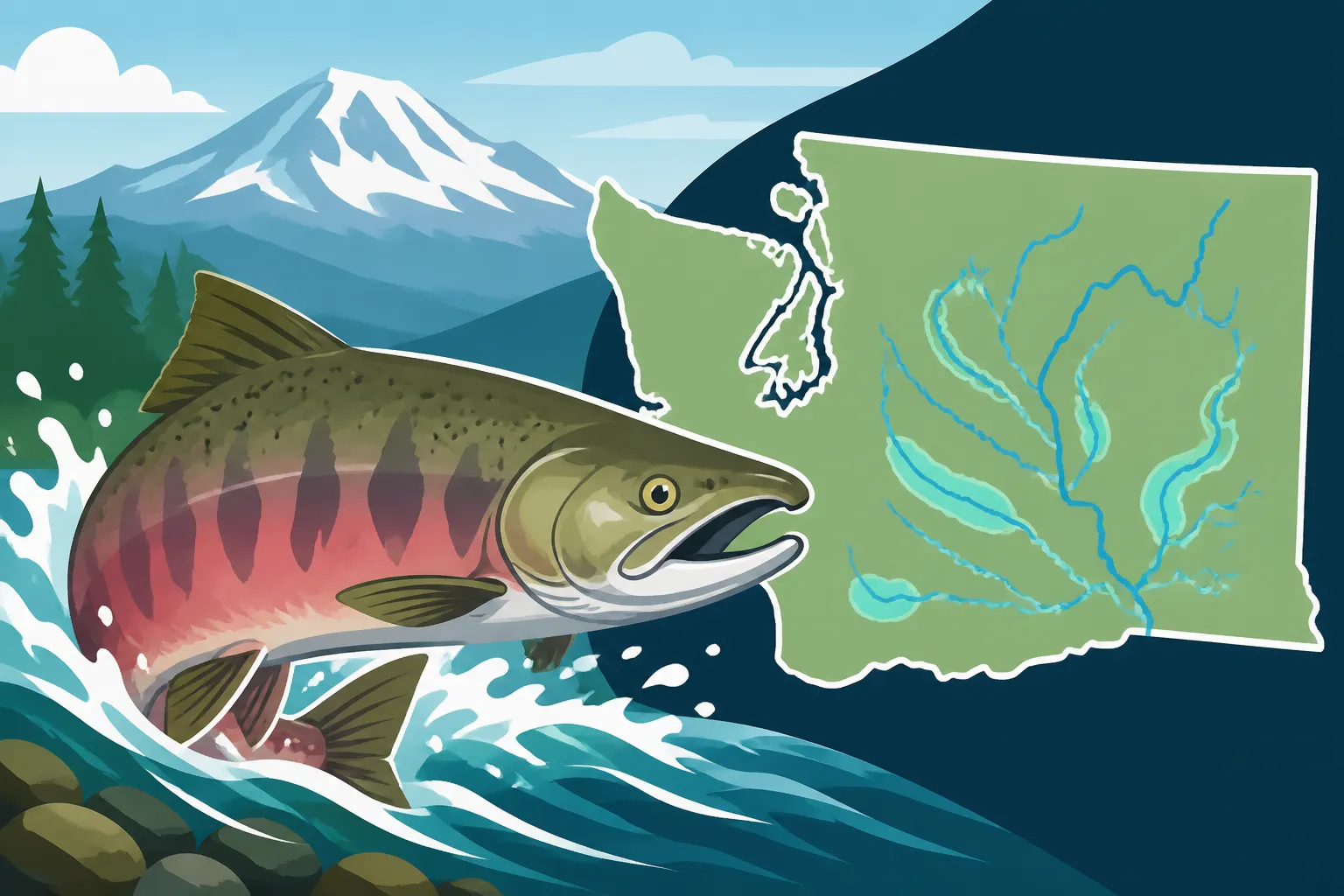
This is where chum truly earn their "calico salmon" nickname. Once they enter the rivers, their silver bodies give way to a stunning, almost prehistoric display of color. Their sides develop prominent vertical bars or stripes, often in shades of dark green, purple, and reddish-brown. These bars are usually quite wide and distinct, almost like tiger stripes running vertically down their flanks. The belly often takes on a creamy white to dusky gray hue. Males especially exhibit these vibrant colors, along with a pronounced humped back.
This dramatic coloring serves a vital purpose during spawning, helping them attract mates and define territories. It’s a remarkable sight to witness in a clear river, even if you’re just watching from the bank. When you’re out on the water, looking for fish to target, recognizing these spawning colors is a dead giveaway that you've found yourself in chum territory. Don't be surprised if their appearance makes you do a double-take; they truly are one of nature's most visually striking fish in their prime.
Those Famous Teeth: A Key Identifier
Perhaps the most startling and definitive characteristic of a spawning chum salmon, particularly the males, is their impressive dentition. Both sexes develop noticeable teeth during their spawning migration, but the males take it to an extreme. Their jaws elongate and curve, and their teeth become incredibly long and canine-like, giving them that famous "dog salmon" moniker. These teeth are not just for show; they're used for aggressive displays and defending their spawning redds (nests).
These formidable teeth are probably why many people might pause before handling a spawning chum, and honestly, it’s a good idea to be cautious! They can deliver a painful bite if you're not careful. This distinct set of chompers is arguably the single most reliable feature to tell a chum apart from other salmon species when they are in freshwater. If you’re ever wondering if it’s a Coho or a chum, just get a quick, safe look at the mouth; the difference is usually night and day. If you're keen to learn more about this specific feature, check out our guide on How to Identify a Chum Salmon's Teeth.
Where Chum Salmon Run in Washington
Washington State is blessed with incredible salmon runs, and chum salmon are a significant part of that natural bounty. While they might not get the same glamour as the mighty Chinook, their runs are often incredibly strong and provide fantastic opportunities for anglers. Knowing where these fish primarily return is crucial for planning your fall fishing adventures.
Puget Sound Tributaries: Prime Chum Habitat
The Puget Sound region is arguably the epicenter for chum salmon fishing in Washington. Many of the rivers and streams that feed into Puget Sound host robust chum runs. These fish often arrive in massive numbers, filling the rivers with their distinct spawning colors. You'll find strong populations returning to rivers on both sides of Puget Sound, from the northern reaches down to the south sound.
One of the most popular and productive systems for chum is the Hood Canal, particularly its many feeder streams. Rivers like the Dosewallips, Duckabush, and Hamma Hamma see impressive returns. Other major Puget Sound rivers known for good chum runs include the Skagit River, which is also famous for its winter steelhead, and many smaller systems flowing off the Olympic Peninsula and the Cascade foothills. For a broader overview of salmon movements, our guide Washington Fishing Seasons: A Month-by-Month Guide offers great context.
- Dosewallips River: This river, flowing into Hood Canal, is a classic chum destination. Anglers often line its banks during peak season, enjoying the sheer volume of fish. It's a fantastic place to practice twitching jigs or drifting gear for these powerful salmon.
- Skagit River: While perhaps more famous for its Chinook and steelhead, the Skagit also boasts a healthy chum run, especially in its lower sections. It's a big river, offering plenty of space for both boat and bank anglers. You can learn more about this system in Fishing the Skagit River and Its Winter Steelhead Run.
- Cowlitz River: Further south, the Cowlitz River, a tributary of the Columbia, also sees a decent number of chum, though often overshadowed by its phenomenal Chinook and Coho runs. Still, they are present and offer an exciting challenge. For more on this versatile river, see Fishing the Cowlitz River for Steelhead and Salmon in Washington.
- Green River: Closer to Seattle, the Green River can also have decent chum returns, especially in its lower reaches accessible to anglers. It's a great option for those looking for a local opportunity without a long drive.
- Skykomish River: Similar to the Skagit, the Skykomish, while known for other salmon and steelhead, will also see chum moving through, offering additional angling opportunities.
When fishing these tributaries, always remember to consult the latest regulations, as specific sections or dates might have closures or gear restrictions. The Washington Fishing Regulations Every Angler Should Know article is a great starting point.
Coastal Rivers: Olympic Peninsula's Hidden Gems
While Puget Sound gets a lot of the attention, Washington's coastal rivers, particularly those flowing off the Olympic Peninsula, also host significant chum salmon runs. These rivers, often rugged and wild, offer a more remote and pristine fishing experience. The sheer volume of fish in some of these systems can be astounding, making for an unforgettable experience.
Rivers like the Queets, Hoh, and Humptulips all see strong returns of chum. These fish are generally larger and incredibly feisty, having only recently left the ocean's embrace. Fishing these rivers often involves drift fishing or swinging flies, requiring good wading skills and a bit of adventurous spirit.
- Queets River: A truly wild river that flows through Olympic National Park, the Queets offers stunning scenery and impressive chum runs. Access can be challenging, but the rewards are often worth the effort.
- Humptulips River: This river, flowing into Grays Harbor, is another consistent producer of chum, along with other salmon species. It's a popular choice for anglers who enjoy fishing from drift boats.
- Hoh River: Famous for its wild steelhead, the Hoh also experiences a good chum run, particularly in its lower and middle sections. It’s a beautiful, pristine river that offers a quintessential Pacific Northwest fishing experience.
These coastal systems are dynamic, heavily influenced by rainfall and tides, so always check river conditions before heading out. The fishing can be phenomenal, but safety, especially with wading, should always be your top priority.
Columbia River System: Less Common, Still Present
While chum salmon are not as dominant in the mainstem Columbia River as Chinook or Coho, they do make their way into some of its tributaries. The lower Columbia and some of its Washington-side tributaries, like the Grays River, will see smaller, but still viable, chum runs. These fish are usually part of the broader fall salmon migration.
Anglers targeting other salmon species in these areas might occasionally hook into a chum, adding a surprise fight to their day. It’s not typically a primary target fishery for chum, but it's good to know they are part of the ecosystem there. If you find yourself on the Columbia and hook into something with prominent bars and big teeth, you'll know what you've got!
When to Target Chum Salmon in Washington
Timing is everything when it comes to salmon fishing, and chum are no exception. Knowing when to expect these powerful fish in the rivers can make all the difference between a slow day and an unforgettable experience. Their runs are quite predictable, generally occurring during a specific window in the fall, which often coincides with some of the most beautiful weather Washington has to offer.
Peak Season: The Glorious Fall Run
The prime time to target chum salmon in Washington is typically in the fall, specifically from late October through November. This is when the majority of these fish return to their natal rivers to spawn. The exact timing can vary slightly from river to river and year to year, influenced by factors like water levels and temperature, but this late fall window is your best bet.
As the leaves change color and the air gets crisp, many Washington rivers come alive with chum salmon. This season offers a unique blend of challenging fishing and stunning scenery. Often, the coho run will be winding down just as the chum are really getting started, offering a nice transition for fall anglers. Our detailed guide on When Chum Salmon Run in Washington Rivers delves deeper into these seasonal patterns, giving you precise windows for various locations.
Best Conditions: Water Levels and Temperatures
Like all salmon, chum are incredibly sensitive to environmental cues. Water levels and temperature play a huge role in their migration timing and behavior.
- Water Levels: Chum salmon prefer a bit of fresh water to encourage them upstream. A good rain event in late fall can trigger a surge of fish into the rivers from Puget Sound or the ocean. Too low and warm, and they might stage in the river mouths or estuaries, waiting for conditions to improve. Too high and muddy, and they can be harder to locate and fish for. Ideal conditions usually involve moderate, stable flows after a good freshet.
- Water Temperature: As cold-water species, chum prefer cooler water temperatures. As fall progresses and river temperatures drop, it signals to them that it's time to move upstream. Extremely warm water can delay their migration and impact their health. Look for those crisp, cool days that define a Pacific Northwest autumn.
Monitoring river gauges and weather forecasts is a smart strategy for planning your chum fishing trips. Local tackle shops or online resources often provide up-to-date conditions, helping you hit the rivers when they're at their prime. Don't be afraid to adjust your plans based on what the river is telling you; the fish certainly are!
Essential Gear and Techniques for Chum Salmon
Chum salmon are incredibly strong fighters, often described as "bulldogs" of the river. They pull hard, roll, and can be quite acrobatic, making them a blast to catch. To successfully target these fish, you need the right gear and techniques adapted to their behavior and the environments they inhabit. You don't need highly specialized equipment, but choosing robust tackle will definitely save you some heartache.
Rods, Reels, and Line: Built for Battle
When you're gearing up for chum, think strength and durability. These fish can test your tackle to its limits!
- Rods: A medium-heavy to heavy power spinning or casting rod, typically 8.5 to 10.5 feet in length, is ideal. The longer rod helps with casting distance and line control, especially when drift fishing or twitching jigs. A faster action will give you the backbone needed to set the hook and turn a powerful fish. Many anglers find a rod designed for general Puget Sound salmon or steelhead fishing works perfectly. You can find some excellent all-around salmon rods on Amazon that will stand up to the fight of a chum.
- Reels: Pair your rod with a reliable spinning or baitcasting reel in the 3000 to 5000 size range, capable of holding a good amount of line. A smooth drag system is absolutely essential, as chum will make powerful runs. Make sure your reel is well-maintained and free of grit.
- Line: Spool up with 15-20 lb monofilament or fluorocarbon main line, or consider 30-50 lb braided line with a 15-25 lb fluorocarbon leader. Braid offers superior sensitivity and casting distance, while fluorocarbon leaders provide invisibility and abrasion resistance in the clear, rocky rivers. For an in-depth look at general salmon tackle, check out Rod and Reel You Need for Washington Puget Sound Salmon.
Having a net with a rubberized mesh is also a really good idea. It's much gentler on the fish, helping to protect their slime coat, and prevents hooks from getting tangled. This is especially important if you plan on releasing any fish.
Favorite Lures and Baits: What Gets Their Attention
Chum salmon in freshwater often respond well to aggressive presentations and bright colors. While they aren't typically feeding once they enter the rivers, they can be provoked to strike out of aggression, territoriality, or simply curiosity.
- Jigs: This is arguably the most popular and effective presentation for chum. Twitching jigs in bright colors like pink, chartreuse, purple, or orange is incredibly effective. The erratic action often triggers a reaction strike. Pair a jig with a weighted jig head (typically 1/4 to 1/2 ounce) and a soft plastic body or marabou skirt. You can experiment with different sizes and colors to see what the fish are keying in on that day.
- Drift Baits: Pink or chartreuse yarnies, often tipped with a piece of cured salmon roe (roe bags), can be very effective when drift fishing through chum holding water. The scent of the roe can be a powerful attractant. Small, brightly colored beads, sometimes mimicking salmon eggs, also work well when drifted under a float.
- Spinners and Spoons: While less common for actively spawning chum, fresh-run fish in the lower river or estuary can be enticed by flashy spinners and spoons. Sizes appropriate for Coho salmon (like a #4 or #5 spinner) in silver, brass, or bright fluorescent colors can sometimes provoke a strike.
- Flies: Fly anglers can also target chum using large, brightly colored flies, often weighted and fished on a sinking line. Patterns like big pink or chartreuse intruders, or even large Coho flies, can be successful.
Always check the regulations for any bait restrictions or specific gear rules in the area you plan to fish. Washington Bait Bans and When They Apply is a helpful resource.
Effective Fishing Strategies: Putting It All Together
Once you have your gear, it's about presenting your offerings effectively to the chum.
- Twitching Jigs: This is a highly active and popular method. Cast your jig upstream and across the current, letting it sink to the fish's depth. As it drifts, use quick, sharp jerks of the rod tip to make the jig "twitch" or dart erratically. Reel in the slack and repeat. The strike often happens on the pause or the fall. Look for chum holding in deeper pools, current seams, or along cut banks.
- Drift Fishing Under a Float: This is a classic method, especially effective when chum are spread out or in deeper runs. Rig your chosen bait (yarn, roe, or beads) under a bobber or float, adding just enough weight to get it down to the fish's level without snagging the bottom. Cast upstream and let the float drift naturally downstream, covering the holding water. Watch the float constantly for any dips or hesitations, indicating a bite. This technique is similar to what many anglers use for steelhead, as detailed in How to Fish a Bobber and Jig for Steelhead.
- Reading the Water: Look for slower, deeper pools, current breaks behind structure (rocks, logs), and the tailouts of runs. Chum often hold in these areas, conserving energy before moving further upstream. They are also highly visible in clear water, so sight-fishing can be an option if conditions allow. Pay attention to areas where you see other anglers having success.
Remember, patience and persistence are key. Chum can be notoriously stubborn, but when you hit the right presentation, the action can be non-stop!
Conservation and Regulations for Chum Salmon
As responsible anglers, we all play a critical role in preserving Washington's amazing fishing opportunities for future generations. This means understanding and following regulations, practicing ethical angling, and making informed decisions about how we interact with the resource. Chum salmon, while often abundant, are still a vital part of the ecosystem, and their runs can fluctuate, making careful management essential.
Navigating Washington's Fishing Regulations
Before you even step foot on the riverbank or launch your boat, make sure you're up-to-date on the current rules. Washington's fishing regulations can be complex, with specific rules for different rivers, marine areas, and even specific times of the year. For chum salmon, you'll need to pay close attention to:
- Open Seasons and Areas: Is the river or marine area you plan to fish open for chum retention? Sometimes, areas might be open for catch-and-release only, or certain sections might be closed entirely.
- Bag and Possession Limits: How many chum salmon can you keep per day? What's your possession limit (how many can you have in your possession, including at home)? These limits are designed to ensure sustainable harvests. Our guide Understanding Washington's Daily Bag Limits by Species provides a great overview of how these limits work across different fish.
- Gear Restrictions: Are there specific types of hooks (e.g., barbless), bait, or gear that are prohibited or required in your chosen fishing spot? For example, some rivers have single-point barbless hook rules for salmon fishing.
- Emergency Rule Changes: It’s vital to check for emergency rule changes right before you go fishing. These can happen at any time due to unforeseen circumstances like low returns or conservation concerns. Always check the Washington Department of Fish and Wildlife (WDFW) website for the latest updates.
Familiarizing yourself with the annual Reading the Washington Sport Fishing Regulations Pamphlet is a must, and then always double-check for emergency changes. It might seem like a hassle, but it's crucial for legal and responsible fishing.
Best Practices for Catch-and-Release
Even if chum salmon are abundant and you plan to keep your limit, you'll likely encounter situations where you're releasing fish – either because you've reached your limit, they're not the size you want, or you're fishing a catch-and-release only area. Practicing proper catch-and-release techniques is vital for the survival of those released fish.
- Minimize Fight Time: Land the fish as quickly as possible without overstressing it. Prolonged fights can exhaust a fish, reducing its chances of survival after release.
- Keep It in the Water: Try to keep the fish in the water as much as possible, especially its head and gills. Removing it from the water, even for a quick photo, deprives it of oxygen.
- Wet Hands: Always wet your hands before handling a fish. Dry hands can remove the protective slime coat, making the fish susceptible to disease.
- Handle Gently: Support the fish horizontally, avoiding squeezing its belly or gills. If you need a picture, be quick and keep the fish low over the water.
- Use Barbless Hooks: Barbless hooks are easier to remove, causing less damage to the fish. You can buy barbless hooks or simply crimp down the barb on your existing hooks with pliers.
- Proper Hook Removal: Use needle-nose pliers or a hook-remover tool to carefully extract the hook. If the hook is deeply swallowed, cut the line as close to the hook as possible rather than trying to rip it out.
- Revive the Fish: Hold the fish gently in the current, facing upstream, until it regains its strength and can swim away on its own. It's okay if it takes a minute or two.
By following these practices, you're doing your part to ensure a healthy future for chum salmon populations.
The Washington Catch Record Card and What It Requires
For all salmon, including chum, a Catch Record Card (CRC) is a mandatory component of your fishing license in Washington. This little card is incredibly important for fisheries management, as it provides data on angler harvest.
- When to Record: You MUST record your catch immediately after you retain a salmon. This means before you put it in your cooler, before you move locations, and certainly before you leave the river. Not doing so is a violation.
- Required Information: You'll need to fill in the date, species (Chum in this case), and the Marine Area or Catch Area where you caught it.
- Returning the Card: Even if you don't catch anything, you are legally required to return your CRC to WDFW by the specified deadline (usually January 31st of the following year). This data is crucial for biologists to assess fish runs and set future regulations.
Carrying your license and CRC, whether physical or digital via the MyWDFW app, is non-negotiable. Learn everything you need to know about this essential document in The Washington Catch Record Card and What It Requires. Don't forget, these small actions from individual anglers collectively contribute to the bigger picture of conservation.
The Ecological and Culinary Value of Chum Salmon
For a long time, chum salmon got a bit of a bad rap. Often dismissed as "dog salmon" because of their teeth and their less-than-glamorous appearance on the spawning grounds, they were considered by some to be a lesser species compared to the revered Chinook or even the popular Coho. However, this perception does a disservice to a fish that plays a vital ecological role and, surprisingly to many, offers excellent culinary potential when handled correctly.
Chum's Crucial Role in the Ecosystem
Chum salmon are incredibly important to the Pacific Northwest ecosystem, acting as a keystone species in many river systems. Their sheer abundance in many runs means they contribute significantly to the nutrient cycling of the rivers and forests they inhabit.
- Nutrient Cycling: When chum salmon return to spawn and eventually die, their carcasses become a rich source of marine-derived nutrients (MDN). These nutrients, brought from the ocean, fertilize the riparian zones, feeding everything from insects and plants to larger mammals like bears, eagles, and even the young salmon and steelhead that are still growing in the river. This transfer of ocean nutrients to freshwater and terrestrial environments is vital for the health and productivity of the entire watershed.
- Food Source: For many predators, chum salmon are a critical food source during the fall. Bears gorge themselves on the carcasses, building up fat reserves for winter hibernation. Eagles, gulls, and other scavengers also rely heavily on this seasonal bounty.
- Supporting Other Fish: The eggs of spawning chum, along with their decaying carcasses, provide a food source for resident trout and juvenile salmon, helping them grow bigger and stronger before their journey to the ocean. Without strong chum runs, many river ecosystems would be significantly less productive.
So, while they might not jump like a Coho or be as massive as a Chinook, their contribution to the overall health of Washington's natural world is immeasurable. They are truly the unsung heroes of many river systems.
Dispelling Culinary Myths: A Delicious Surprise
Let's address the elephant in the room: many anglers historically scoffed at the idea of eating chum salmon. Terms like "dog salmon" often led to assumptions about poor taste or texture. However, this is largely a misconception, especially if you know how to choose and prepare them.
The Secret: The key to delicious chum salmon lies in when and where you catch them.
- Ocean-Fresh is Best: Like all salmon, chum are at their absolute peak for eating when they are fresh from the ocean, still bright silver, and full of their marine fat content. Chum caught in saltwater (like Puget Sound or coastal estuaries) or very low in the rivers will have firm, flavorful, and often brightly colored flesh. Their fat content, while typically lower than a Chinook, is still rich in omega-3s.
- Spawning Changes: As chum move further upstream and begin their spawning process, their flesh deteriorates. They stop feeding, use up their fat reserves, and their muscle tissue breaks down. This is when their flesh becomes paler, softer, and less appealing for consumption. This is true for all salmon species, not just chum.
Preparation: When you catch a fresh, silver chum, treat it like any other quality salmon.
- Fillet and Bleed Quickly: Bleeding the fish immediately after catching it and keeping it on ice will significantly improve the quality of the meat. Fillet it promptly.
- Versatile in the Kitchen: The firm, moist flesh of a fresh chum stands up beautifully to various cooking methods. It's fantastic baked, grilled, smoked, or pan-fried. Many people find its flavor to be milder than Chinook but richer than Coho, making it quite versatile. It's also excellent for canning or making fish cakes. If you're looking for a good source for some of your fishing and cooking needs, you might find some useful tools and supplies on Amazon, from fillet knives to canning equipment.
- Roe Value: Chum salmon are also prized for their roe (eggs), which are larger than those of other salmon species and are highly sought after for caviar, both commercially and by recreational anglers who enjoy curing their own.
So, next time you hook a bright, chrome chum salmon down in the estuary or lower river, don't write it off! Give it a chance on the dinner table. You might just be pleasantly surprised by what was once considered the "underdog" of the salmon world.
| Feature | Chum Salmon (Spawning) | Chinook Salmon (Spawning) | Coho Salmon (Spawning) |
|---|---|---|---|
| Size | Medium (8-15 lbs, up to 20+) | Large (15-30 lbs, up to 60+) | Medium (6-12 lbs, up to 20+) |
| Body Color | Distinct vertical green/purple/reddish bars | Dark olive-brown to black, sometimes reddish/maroon | Reddish sides, dark back, often dark head |
| Jaw/Teeth | Extremely pronounced canine teeth (esp. males) | Less prominent teeth, slight hook on upper jaw (males) | Pronounced kype/hooked jaw (males), smaller teeth |
| Tail Spots | No distinct spots | Irregular, dark spots on both lobes and back | Spots on upper lobe of tail only, and on back |
| Gum Line | White gum line (can be mottled) | Black gum line (entirely black) | White gum line, but often darkens toward front |
| Tail Shape | Moderately forked to straight | Slightly forked to straight | Moderately forked |
| Common Names | Dog Salmon, Calico Salmon | King Salmon, Blackmouth | Silver Salmon |
| Eating Quality | Excellent when ocean-fresh, declines in freshwater | Excellent, highly prized | Very good, popular for table fare |
Disclaimer
This article is for general informational purposes only and does not constitute professional advice. Laws, prices and regulations vary by location and change over time. Consult a qualified professional for guidance on your specific situation.