Tiger Muskie in Washington Lakes
It can feel like you're chasing a phantom when you hear whispers of gigantic, toothy fish lurking in Washington's freshwater lakes. Many anglers are familiar with salmon and trout, but the idea of a "tiger muskie" can be a bit mystifying, often leading to questions about where they come from and how on earth you'd even try to catch one. This comprehensive guide will demystify the elusive tiger muskie, revealing their origins, their favorite haunts in our state, the specialized techniques you'll need to pursue them, and the crucial regulations designed to protect this incredible fishery.
What Exactly is a Tiger Muskie?
The term "tiger muskie" itself often sparks curiosity. It's not a naturally occurring species in Washington waters, or even anywhere for that matter, in the same way a rainbow trout is. These fish are a fascinating creation, bred specifically for certain purposes, and they bring a unique set of challenges and rewards to the Washington fishing scene.
A Hybrid Powerhouse: Understanding Its Origins
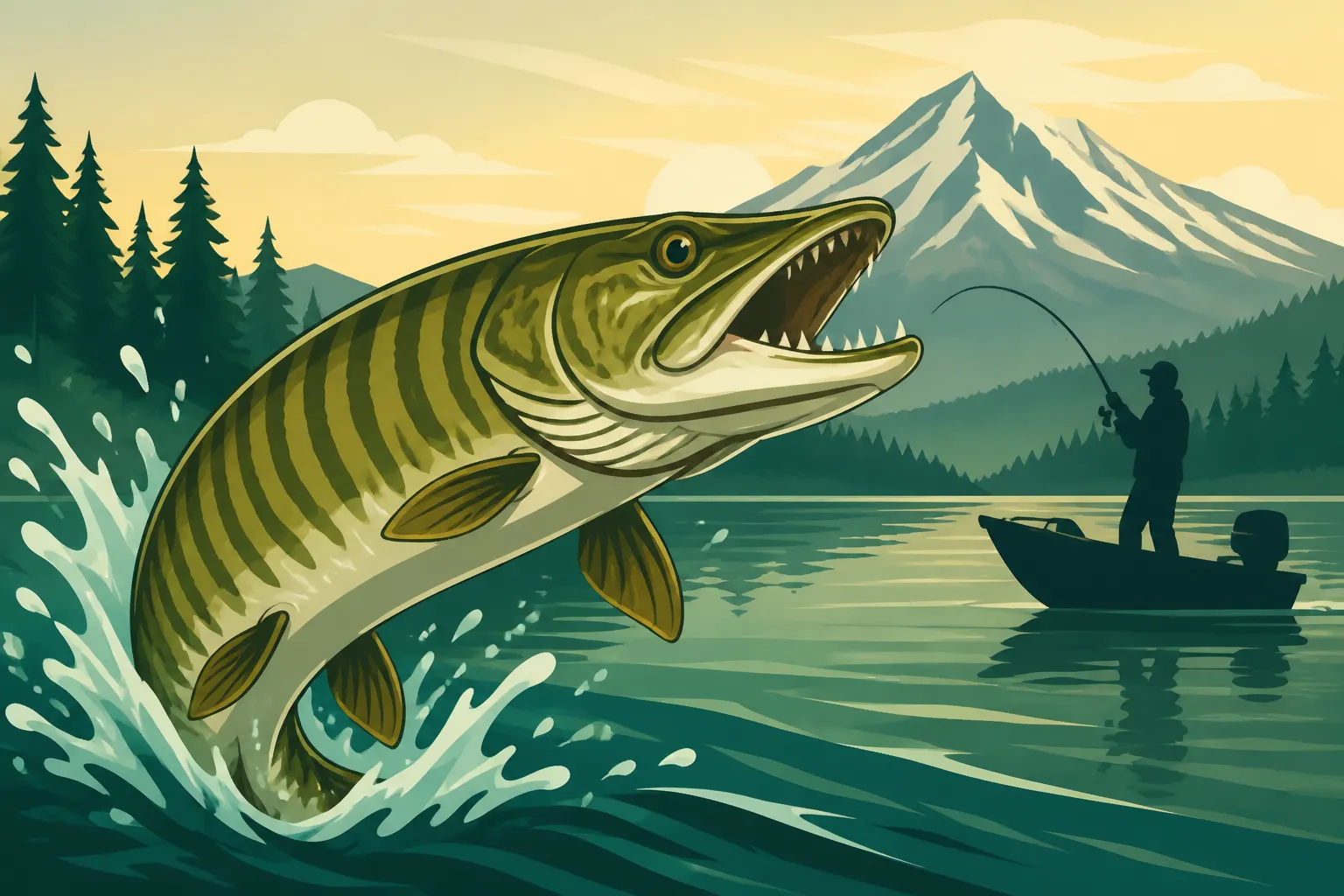
A tiger muskie is actually a sterile hybrid fish, a cross between a true muskellunge (often just called "muskie") and a northern pike. Think of it like a mule in the animal kingdom—it's incredibly robust and has traits from both parents, but it can't reproduce on its own. This sterility is a key factor in why they're used in fisheries management; it means they won't overpopulate a lake or establish self-sustaining populations that might impact native species. The "tiger" part of their name comes from the distinct, broken, vertical bar patterns on their sides, which resemble tiger stripes. These markings can vary from faint to quite bold, but they're usually pretty noticeable once you know what to look for. They inherit the aggressive feeding habits of both parents, making them formidable predators in the aquatic food chain.
Key Identification Features: Telling Them Apart
Distinguishing a tiger muskie from a northern pike or even a true muskellunge is important, especially when you're out on the water, because regulations can differ. Northern pike have fully scaled cheeks and gill covers, whereas true muskies have scales only on the upper half of their cheeks and gill covers. The tiger muskie, being a hybrid, often exhibits an intermediate scaling pattern, typically with scales on the upper half of the cheek and the entire gill cover, or some variation thereof. Beyond the scaling, the most obvious tell is often the color pattern. Northern pike typically have light spots or bean-shaped markings on a dark background, while true muskies have dark spots or bars on a lighter background, or no markings at all. Tiger muskies, as mentioned, sport those unmistakable tiger-like vertical bars. Another clue is the caudal (tail) fin; northern pike have rounded or slightly forked tails, while muskies and tiger muskies usually have more deeply forked tails. You can learn more about differentiating these species in our guide on How to Tell a Chinook From a Coho (though that focuses on salmon, the principle of identification applies to all species where similar looking fish exist).
Growth and Size: How Big Washington Tiger Muskie Get
Washington's tiger muskie grow to impressive sizes, offering a truly trophy-class fishing experience. While they might not reach the absolutely gargantuan lengths of some purebred muskies found in the Midwest, they certainly hold their own. In Washington lakes, it's not uncommon to encounter tiger muskie in the 30 to 40-inch range, with some exceptional specimens pushing past 50 inches and weighing over 20 pounds. Their growth rate is quite rapid, especially in the nutrient-rich environments of our stocked lakes, and their sterile nature means they can put all their energy into growing larger rather than reproducing. Hooking into one of these big fish can feel like reeling in a submerged log that suddenly decides to fight back with explosive power and headshakes. If you're wondering about the potential, our article on How Big Washington Tiger Muskie Get dives deeper into their impressive size.
Where to Find Tiger Muskie in Washington
If you're eager to tangle with a tiger muskie, you can't just drop a line in any Washington lake. These fish are strategically introduced into specific waterways, primarily to address ecological concerns. Knowing which lakes hold them, and what kind of habitat they prefer within those lakes, is crucial for improving your chances of success.
Washington's Premier Tiger Muskie Lakes
The Washington Department of Fish and Wildlife (WDFW) carefully selects and manages the lakes where tiger muskie are stocked. As such, your options are somewhat limited, but these designated lakes offer fantastic opportunities. One of the most well-known destinations is Curlew Lake in Ferry County, which has a long history of tiger muskie stocking and producing large fish. Newman Lake, near Spokane, is another popular choice, offering good access and a healthy population. Silver Lake in Cowlitz County also holds a strong contingent of these toothy predators, as does Lake Tye in Snohomish County. Evergreen Reservoir in Grant County rounds out the primary list of lakes managed for tiger muskie. These specific locations are the cornerstone of Washington's tiger muskie fishery, and anglers travel from all over the state to experience them. To get even more specific details, be sure to check out our piece on Lakes That Hold Tiger Muskie in Washington.
Habitat Preferences: Where They Lurk
Tiger muskie are ambush predators, and their preferred habitats reflect this hunting strategy. They love structure and cover. Think about areas with dense aquatic vegetation like lily pads, cattails, or submerged weed beds, especially where these transition to deeper water. Woody debris, such as fallen trees or submerged logs, are also prime hunting grounds. Drop-offs, submerged humps, and points are excellent places to find them, as these features often concentrate baitfish. Tiger muskie will often position themselves at the edge of cover, waiting for an unsuspecting trout or panfish to swim by. They're also quite comfortable in relatively shallow water, particularly during warmer months or spawning periods of their prey, as long as there's plenty of cover nearby. If you're fishing from a boat, pay close attention to your fish finder for sudden depth changes or unusual marks near structure. Bank anglers will want to look for prominent points, weed lines, or areas where fallen trees extend into the water. Our article on Fishing From Boats vs Banks: Different Rules might offer some relevant insights into accessing these habitats.
Seasonal Movements: When and Where to Target
Like most freshwater predators, tiger muskie movements and feeding patterns are heavily influenced by water temperature and the availability of prey. In the spring, after the ice-out (if applicable), they tend to be more active in shallower, warmer waters, often cruising the edges of weed beds as other fish species move in to spawn. This can be a fantastic time for aggressive strikes. As summer progresses and water temperatures rise, tiger muskie may move to deeper, cooler sections of the lake during the day, returning to shallower structure at dawn and dusk to feed. During the fall, as water temperatures begin to drop, they enter a "feeding frenzy" phase, bulking up for the winter months. This can be one of the most productive times to target them, as they become incredibly aggressive and willing to chase larger baits. Even in winter, if the lakes don't freeze solid, they can still be caught, though they will be slower and often hold closer to deep structure. Always be aware of the specific lake's conditions and recent fishing reports, as tiger muskie behavior can vary slightly from one body of water to another.
Why Tiger Muskie Were Introduced to Washington
The introduction of a non-native, hybrid fish like the tiger muskie might seem counterintuitive at first glance, especially given the emphasis on protecting native species. However, their presence in Washington's lakes is a calculated move by fisheries managers to address specific ecological challenges and enhance recreational fishing opportunities. It's a testament to how complex balancing an aquatic ecosystem can be.
The Aquatic Weed Problem: A Natural Solution
One of the primary reasons for stocking tiger muskie in certain Washington lakes is their incredible appetite for problematic aquatic vegetation. Lakes often struggle with invasive weeds or an overabundance of native plants that can choke out boat lanes, hinder swimming, and negatively impact other fish habitats. Tiger muskie, as apex predators, are voracious eaters, and while they prefer a diet of fish, their presence in dense weed beds can help thin out vegetation simply through their movements and aggressive hunting behavior. While they aren't herbivorous, their role as large, active predators in these environments helps maintain a healthier, more balanced aquatic landscape. This biological control method is often preferred over chemical treatments, which can have broader, less desirable impacts on the ecosystem. It's a nuanced approach to an ecological challenge, utilizing nature's own mechanisms where possible.
Managing Panfish Populations: Balancing the Ecosystem
Another critical role tiger muskie play is in balancing panfish populations. Many of Washington's lakes can suffer from an overpopulation of smaller, stunted panfish species like bluegill, crappie, or perch. When these fish become too numerous, they compete intensely for food, leading to smaller, less healthy individuals and a reduced quality of fishing for those species. They also consume vast amounts of invertebrate food sources, impacting the base of the food chain. Tiger muskie act as effective "biological controls," preying heavily on these abundant panfish, thinning their numbers, and allowing the remaining panfish to grow larger and healthier. This helps create a more robust and desirable panfish fishery while simultaneously offering a unique trophy fish experience. It's a delicate balance, but the muskie's predatory role helps maintain that equilibrium, creating a win-win for both the ecosystem and anglers.
Creating a Unique Fishery: A New Challenge for Anglers
Beyond their ecological benefits, tiger muskie stocking has successfully created a completely distinct and challenging recreational fishery in Washington. For anglers who have mastered trout, bass, and salmon, tiger muskie offer a whole new frontier. They are notoriously difficult to catch, earning them the nickname "the fish of 10,000 casts" in some regions. Their size, power, and often finicky nature demand specialized gear, techniques, and an immense amount of patience. This challenge appeals to a dedicated segment of the angling community looking for a truly epic battle. The thrill of landing a massive tiger muskie is unmatched for many, drawing enthusiasts to Washington's muskie lakes. It diversifies the state's fishing offerings, providing something truly unique and making for unforgettable fishing tales. This niche fishery adds incredible value to the overall angling landscape in Washington.
Fishing Techniques for Washington Tiger Muskie
So, you've located a muskie lake and identified their preferred habitat. Now comes the exciting, and sometimes frustrating, part: actually trying to catch one! Tiger muskie fishing is not for the faint of heart or the unprepared. It demands specialized gear and a methodical approach, often testing an angler's patience and persistence.
Heavy Duty Gear is Essential: Rods, Reels, and Line
Forget your trout rod; tiger muskie demand serious hardware. When targeting these formidable predators, you'll need a heavy or extra-heavy action casting rod, typically 7 to 9 feet long. The extra length provides leverage for casting large lures and controlling a powerful fish. Pair this with a robust baitcasting reel, specifically designed for muskie or saltwater use, capable of handling heavy braided line and delivering significant drag pressure. A high-quality reel with a smooth retrieve is critical, as you'll be making hundreds, if not thousands, of casts. For line, 65 to 100-pound test braided line is standard. The braid offers incredible strength, minimal stretch for solid hooksets, and excellent abrasion resistance. It's crucial, however, to attach a heavy-duty leader—either fluorocarbon (80-130 lb test) or wire (steel or titanium) that is 12-24 inches long—to prevent their razor-sharp teeth from severing your main line. You can find many suitable options for rods, reels, and specialized lines on platforms like Amazon, ensuring you have the right tools for the job. Remember, a smaller rod means a lost fish and a broken heart. Don't forget that if you plan to fish with more than one rod, you'll need the proper endorsement, as detailed in How Many Rods You Can Fish at Once in Washington.
Lure Selection: What Gets Their Attention
Tiger muskie are known for their preference for large, attention-grabbing lures. Think big when you're selecting baits. Bucktail spinners, with their flashy blades and pulsating skirts, are perennial favorites. Large jerkbaits, glide baits, and crankbaits that mimic the local baitfish (trout, kokanee, panfish) are also highly effective. Topwater lures, particularly walk-the-dog style baits or prop baits, can be incredibly exciting, as muskie strikes on the surface are explosive and unforgettable. The key is to present something substantial that looks like a meal worthy of their energy expenditure. Color patterns often depend on water clarity and light conditions; natural baitfish patterns in clear water, and brighter, more contrasting colors in stained or low-light conditions. Don't be afraid to experiment with size and retrieve speed. Keep a variety of these heavy hitters in your tackle box, maybe even picking up some new models from Amazon to try out.
Presentation Strategies: Making the Offer Irresistible
Catching tiger muskie is often less about finding a school of fish and more about triggering an individual fish's predatory instinct. The retrieve is critical. Many anglers use a "figure-eight" maneuver at the side of the boat when the lure is about to come out of the water. This involves plunging your rod tip into the water and tracing a large figure-eight pattern with your lure, keeping it just below the surface. This last-ditch effort can often trigger a strike from a muskie that has been following the lure but hesitated to commit. Vary your retrieve speed, incorporate pauses and jerks, and focus on working your lure near structure. When casting, aim past your target structure and retrieve the lure through the strike zone. Remember, these fish are often lurking, waiting to ambush. Patience is a virtue here; you might make hundreds of casts before you get a single follow or strike. It truly takes the kind of dedication described in Skills a Beginner Should Learn First in Washington, but the reward is absolutely worth it.
Regulations and Conservation for Tiger Muskie
While the thrill of battling a tiger muskie is undeniable, it's paramount that anglers adhere to specific regulations and practice responsible conservation. Washington's tiger muskie fishery is a carefully managed resource, and its sustainability depends on every angler doing their part. These rules aren't just arbitrary; they're designed to protect these unique fish and ensure future generations can also experience the excitement they offer.
Understanding Washington's Tiger Muskie Rules
The Washington Department of Fish and Wildlife (WDFW) has specific rules governing tiger muskie fishing, and these can vary by lake. Generally, tiger muskie are managed under strict catch-and-release rules in most waters where they are present. This is largely due to their role as a biological control and their status as a trophy species. There might be specific size restrictions or seasons in place, so always check the most current WDFW fishing regulations pamphlet for the particular lake you plan to fish. Misinterpreting a rule can lead to significant fines and penalties. It's not uncommon for these regulations to specify barbless hooks or other gear restrictions to minimize harm to the fish. Familiarize yourself with the general guidelines in Washington Fishing Regulations Every Angler Should Know and particularly the section on How Bag and Possession Limits Work in Washington before heading out.
Catch and Release Best Practices: Ensuring Survival
Because tiger muskie are primarily managed as a catch-and-release trophy fishery, practicing proper handling techniques is crucial for their survival. These are big, powerful fish with sharp teeth, so safety for both angler and fish is paramount.
First, use a large, knotless landing net to cradle the fish. Avoid beaching or dragging it on rocks or abrasive surfaces.
Second, minimize its time out of the water. Have your camera and measuring tape ready before the fish is landed.
Third, use long-nosed pliers or a jaw spreader to carefully remove hooks. If the fish is deeply hooked, cut the line as close to the hook as possible rather than tearing tissue.
Fourth, support the fish horizontally with two hands (one under the head, one under the tail) if you must lift it for a quick photo. Never hold a large muskie vertically by the jaw alone, as this can severely damage its spine and internal organs.
Finally, spend time reviving the fish. Hold it gently in the water, facing into a current, allowing water to flow over its gills until it's strong enough to swim away on its own. It's a similar principle to Catch-and-Release Rules During Wild Steelhead Closures, where angler care is essential.
Respecting the Resource: Protecting Our Trophy Fishery
Protecting the tiger muskie fishery in Washington goes beyond just following the rules; it's about fostering a culture of respect for these magnificent fish and the unique angling experience they provide. Remember that these sterile hybrids are stocked at a significant cost and effort by the WDFW, and each fish represents a valuable component of the lake's ecosystem and recreational potential. Avoid fishing for them if you're not equipped to handle them properly, and always prioritize the health of the fish. If you see others violating regulations or mishandling fish, politely educate them or, if necessary, report serious infractions to the WDFW. By embracing responsible angling practices, we ensure that Washington's tiger muskie lakes continue to be a destination for those seeking the ultimate freshwater challenge. For those planning a trip, considering options like Washington's Annual, Short-Term and Combination License Options is essential, as is understanding What to Pack for a Washington Fishing Road Trip.
Chasing the Thrill: The Tiger Muskie Experience
There's a reason why anglers become obsessed with tiger muskie. It's not just about the size of the fish, but the entire journey—the anticipation, the challenge, the heart-stopping moment of the strike, and the sheer power of the fight. It's an experience that carves itself into your memory, leaving you dreaming of the next encounter.
The Elusive Nature of the Beast: Why They're Hard to Catch
Tiger muskie have earned their nickname "the fish of 10,000 casts" for good reason. They are notoriously elusive and often incredibly finicky, even when they're present. Unlike some species that might school up or feed aggressively for extended periods, muskie often follow lures right to the boat, giving an angler a glimpse of their massive size, only to turn away at the last second. They are apex predators at the top of their food chain, which means they don't have to eat constantly, and they've evolved to be incredibly wary. This elusiveness can be frustrating, especially after hours of casting heavy lures. It demands an immense amount of patience, mental fortitude, and a willingness to adapt your techniques. Many factors play into their mood, from weather changes to water pressure, and deciphering the puzzle is part of the challenge.
The Adrenaline Rush: When a Tiger Muskie Hits
Despite their elusive nature, when a tiger muskie finally decides to strike, it's an event you won't soon forget. The hit can range from a sudden, jarring thud that nearly rips the rod from your hands, to a subtle pressure that builds into an explosive fight. What follows is often a brutal display of power: headshakes that feel like a dog trying to rip your arm off, powerful runs that peel line from your reel, and sometimes aerial acrobatics that defy their size. Their formidable teeth and sheer bulk make every second of the fight a high-stakes endeavor. Successfully landing one requires a combination of proper technique, stout gear, and a cool head under pressure. That feeling of finally getting a huge tiger muskie into the net is an adrenaline dump unlike any other, instantly making all those "10,000 casts" worth it.
Patience and Persistence: The Keys to Success
Ultimately, consistency in tiger muskie fishing boils down to two critical virtues: patience and persistence. You will cast, and cast, and cast some more. You will likely have follows that don't convert into strikes. You might spend entire days on the water without a single hook-up. But it's those moments of diligent effort that make the eventual success so incredibly rewarding. Every cast is an opportunity, and every retrieve is a chance to perfect your presentation. Learn from experienced muskie anglers, watch online videos, and study your chosen lake. Continuously refine your techniques, experiment with different lures, and above all, never give up. The true muskie enthusiast knows that the journey is as much a part of the reward as the catch itself. The more time you put in, the higher your chances of connecting with one of Washington's most magnificent freshwater game fish.
| Gear Type | Description | Key Features for Tiger Muskie |
|---|---|---|
| Rod | Casting rod (not spinning), designed for heavy lures and powerful fish. | Heavy or Extra-Heavy action, 7 to 9 feet in length, strong backbone. |
| Reel | Baitcasting reel with strong drag and high line capacity. | Low gear ratio for power, smooth drag system, durable construction, typically size 300 or larger. |
| Line | High-strength, low-stretch main line, often paired with a bite-proof leader. | 65-100 lb braided line, 80-130 lb fluorocarbon or wire leader (12-24 inches). |
| Lures | Large, attention-grabbing baits that mimic prey fish. | Bucktail spinners, large jerkbaits, glide baits, topwater lures (6-12 inches+). |
| Net | Essential for safely landing and handling large fish. | Large, deep, rubberized, knotless landing net (muskie-specific if possible). |
| Tools | For safe hook removal and handling. | Long-nosed pliers (12-14 inches), jaw spreader, hook cutters, measuring tape. |
Disclaimer
This article is for general informational purposes only and does not constitute professional advice. Laws, prices and regulations vary by location and change over time. Consult a qualified professional for guidance on your specific situation.