Hatchery Brood Stock Programs, Explained
It can be incredibly confusing to understand why some fish are abundant in Washington's rivers and lakes, while others are strictly catch-and-release, or even closed to fishing altogether. Many anglers hear terms like "hatchery fish" and "wild fish" thrown around, but the underlying science and purpose of hatchery programs often remain a mystery. This guide aims to demystify hatchery brood stock programs, explaining what they are, how they work, and their vital role in maintaining Washington's diverse and often challenging fisheries.
What Exactly is a Hatchery Brood Stock Program?
At its heart, a hatchery brood stock program is essentially a managed fish farm designed to produce fish for specific purposes, primarily to support sport fishing and, in some cases, to aid in the recovery of struggling wild populations. It's a complex and often controversial topic, but understanding the basics helps shed light on many of the fishing regulations we encounter in Washington.
The Core Mission: Preserving Fish and Fishing Opportunities
The mission of these programs often feels like a balancing act between two critical goals: preserving fish populations and maintaining fishing opportunities for anglers like us. In a state like Washington, with a rich history of salmon and steelhead fishing, habitat loss, dam construction, and increasing human population have put immense pressure on wild fish stocks. Hatchery programs stepped in decades ago, and continue today, as a form of mitigation. They aim to offset the impacts of these changes by providing a consistent supply of fish that can be harvested, thereby reducing pressure on wild, naturally spawning populations.
Imagine a river where a dam has blocked critical spawning habitat. Without intervention, the salmon runs that once thrived there would dwindle or disappear entirely. Hatcheries can take a portion of the returning adult fish, spawn them in a controlled environment, raise their offspring, and release them back into the river system. This not only keeps fish in the river for us to enjoy but also serves as a crucial conservation tool for species that would otherwise face extinction in altered landscapes. It’s a testament to human ingenuity, albeit one with its own set of challenges. When you're picking up a new lure or a fishing book from a place like Amazon, it’s worth remembering that the very existence of some of those fisheries might be linked to these programs.
The Difference from Wild Spawning
The fundamental difference between a hatchery brood stock program and wild spawning is control. In the wild, fish spawn naturally, eggs are fertilized, and fry hatch and grow, all subject to the harsh realities of nature: fluctuating water levels, predators, disease, and competition for food. Natural selection is the driving force, ensuring that only the fittest survive to pass on their genes.
In a hatchery, this entire process is managed and controlled by humans. Brood stock (the adult fish chosen for breeding) are carefully selected, often for traits like size, health, or timing of return. Eggs and milt are collected manually, fertilization is performed in controlled conditions, and the developing eggs and fry are protected from predators and disease in temperature-controlled environments. This artificial environment significantly increases survival rates compared to the wild. While this management allows for higher production, it also introduces concerns about genetic diversity and the potential for "domestication" of fish that spend their formative years in a hatchery rather than learning to survive in a river or ocean. This distinction is why you often see rules specifically targeting Wild Steelhead vs Hatchery Steelhead in Washington.
How Brood Stock Programs Operate in Washington
Understanding the day-to-day operations of a hatchery gives you a clearer picture of how these programs contribute to our fishing experiences. It's not just about tossing a few fish in a pond; it's a dedicated, year-round effort.
Sourcing the "Parent" Fish
The first crucial step in any brood stock program is acquiring the "parent" fish, known as the brood stock themselves. In Washington, this is typically done in a few ways:
- From Returning Adults: Many hatcheries are strategically located on rivers where salmon and steelhead return to spawn. As these adult fish migrate upstream, some are diverted into the hatchery. These fish are often selected based on their health, size, and the timing of their return to ensure a diverse and robust genetic base for the next generation.
- Local Populations: For some species, especially trout in specific lake systems, fish might be sourced directly from local, existing populations to ensure the offspring are well-adapted to that particular environment.
- Transfer from Other Hatcheries: Sometimes, eggs or juvenile fish are transferred from one hatchery to another, particularly when establishing a new program or supplementing existing stock.
Once the adult fish are at the hatchery, they are carefully monitored until they are ready to spawn. This involves feeding them, maintaining water quality, and checking for signs of disease. The goal is to ensure the healthiest possible eggs and milt for fertilization. This intensive care is a far cry from the struggles wild fish face, which highlights the critical role hatcheries play in augmenting natural runs.
The Life Cycle in a Brood Stock Program
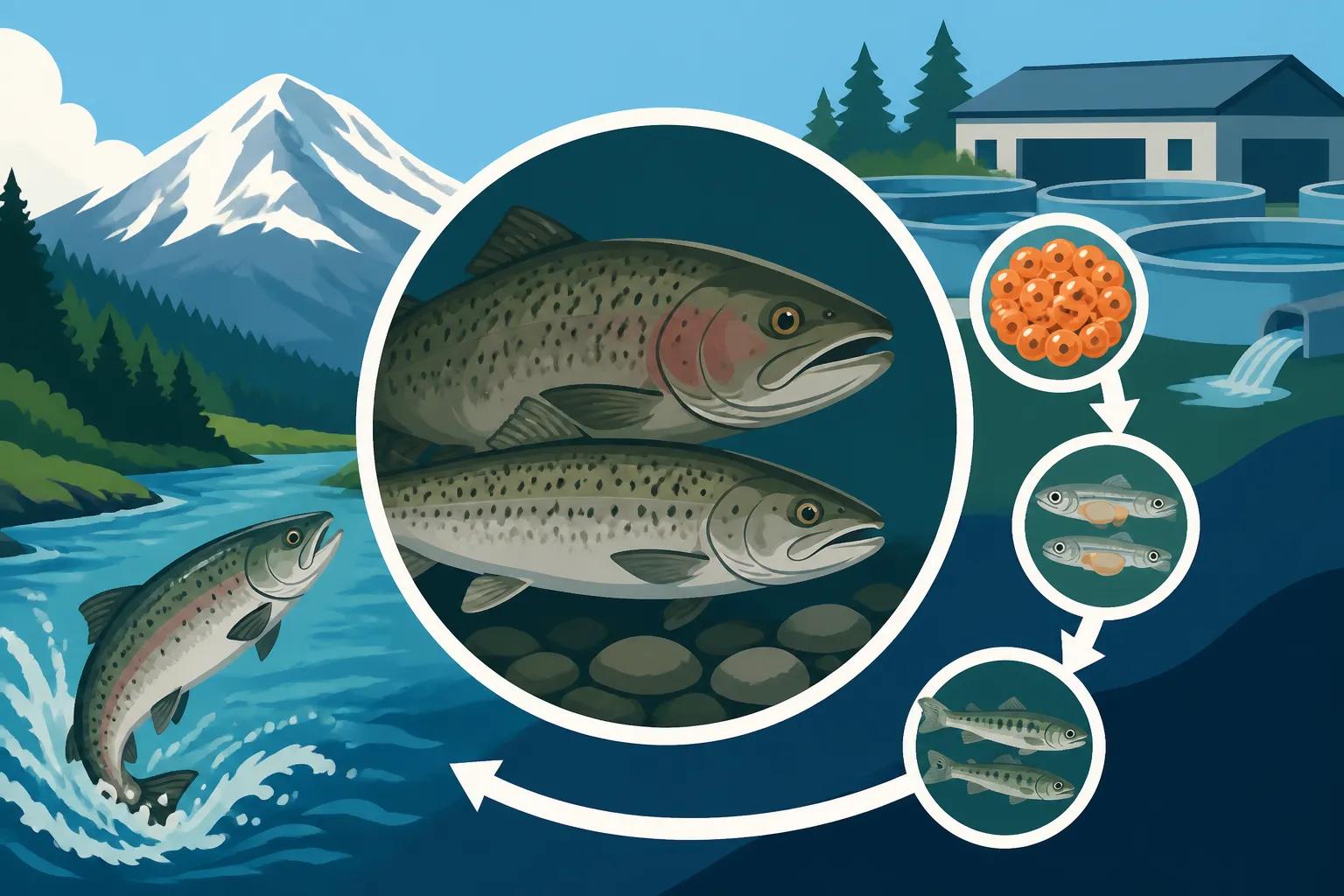
The hatchery life cycle is a carefully choreographed series of steps, each designed to maximize survival and healthy growth:
- Egg Collection and Fertilization: When the time is right, adult female fish are gently "spawned," meaning their eggs are carefully extracted. Simultaneously, milt (fish sperm) is collected from male fish. These are then mixed together in a process called "wet fertilization" to create fertilized eggs. This might happen with several fish at once, ensuring genetic mixing.
- Incubation: The fertilized eggs are then placed in special incubators, often trays with flowing water, mimicking the gravel beds where wild eggs would develop. This stage is critical, as eggs are very fragile. The water temperature is meticulously controlled to optimize development and prevent fungal growth.
- Rearing: Once the eggs hatch into tiny "fry," they are moved to larger rearing tanks, often called raceways or net pens. Here, they are fed specially formulated diets, again in a controlled environment that protects them from predators and disease. As they grow, they are periodically moved to larger tanks to prevent overcrowding.
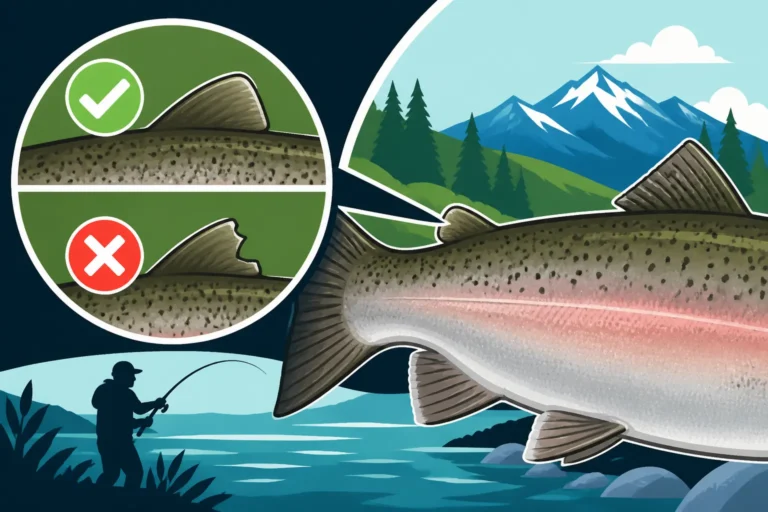
- Marking and Tagging: A crucial part of hatchery programs in Washington is the marking of fish, primarily through the clipping of the adipose fin. This small, fleshy fin on the back of the fish is removed, creating a permanent mark that allows anglers and biologists to easily distinguish between a hatchery-origin fish (clipped) and a wild-origin fish (unclipped). Understanding What a Clipped Adipose Fin Means is key to complying with many regulations. Some fish also receive coded wire tags, tiny metal tags inserted into their snouts, which can be recovered later for scientific data collection.
- Preparation for Release: As the fish grow, they undergo a process called smoltification (for salmon and steelhead), where their bodies adapt from freshwater to saltwater, preparing them for their journey to the ocean. For trout destined for lakes, they might be raised to "catchable" size before release.
This meticulous process ensures that a high percentage of eggs survive to become juveniles, a stark contrast to the often less than 10% survival rate in the wild.
Releasing Fish and Monitoring Returns
The moment of release is a big one. Fish are carefully transported and released into rivers, lakes, or sometimes directly into marine environments, depending on the species and program goals. For salmon and steelhead, the hope is that they will migrate to the ocean, grow large, and eventually return to the same system where they were released, contributing to both the sport fishery and the next generation of brood stock.
Monitoring these returns is vital. Fisheries biologists track how many hatchery fish return, their size, and where they go. This data helps assess the effectiveness of the program and informs future management decisions, including setting fishing seasons and bag limits. When you see regulations for How Bag and Possession Limits Work in Washington, remember that these limits are often carefully calculated based on both wild and hatchery returns.
The Pros and Cons of Brood Stock Programs
Like any large-scale environmental intervention, hatchery brood stock programs are not without their complexities, offering both significant advantages and considerable drawbacks.
Benefits for Anglers and Conservation
It's easy to see the immediate benefits of these programs, especially if you're an angler who enjoys catching fish.
- Increased Fishing Opportunities: This is perhaps the most direct and obvious benefit. Hatcheries provide millions of fish each year, ensuring that there are ample opportunities for recreational fishing across Washington. Without them, many popular fisheries for species like Chinook Salmon: Washington's King of Fish or Steelhead: Washington's Ocean-Run Rainbow Trout would simply not exist at the scale they do today. This translates directly into economic benefits for local communities through tackle shops, guides, and hospitality. You can even find great deals on fishing gear, like a new set of waders or a durable fishing vest, on Amazon, all supported by these programs making sure there are fish to pursue.
- Mitigation and Species Supplementation: For wild populations that have been severely impacted by human development (like dams blocking migration routes or habitat degradation), hatcheries can act as a stop-gap, preventing outright extinction. They can supplement depleted runs, giving wild fish a chance to recover by taking some of the fishing pressure off them. The successful Sockeye Salmon at Washington's Baker Lake and Beyond program is a prime example of this type of effort.
- Research and Education: Hatcheries also serve as living laboratories, allowing scientists to study fish biology, genetics, and disease in a controlled environment. They are also fantastic educational tools, offering tours and programs that teach the public about fish life cycles and conservation efforts.
Challenges and Criticisms
Despite their benefits, hatchery programs face significant criticism, primarily centered on their potential impacts on wild fish populations.
- Genetic Concerns: This is one of the most hotly debated topics. Hatchery environments can favor traits that are beneficial for survival in captivity but detrimental in the wild. Fish raised in a concrete raceway for generations can lose the genetic diversity and adaptations necessary to thrive in natural river systems. When these hatchery-origin fish interbreed with wild fish, there's a concern that they can "dilute" the wild gene pool, making wild populations less resilient to environmental changes. This is a huge reason for strict rules about Catch-and-Release Rules During Wild Steelhead Closures.
- Competition and Predation: Even after release, hatchery fish can compete with wild fish for food and habitat. In some cases, large numbers of hatchery fish can also increase predation pressure on wild juveniles.
- Disease Transmission: While hatcheries work hard to prevent disease, the close quarters of hatchery life can sometimes lead to outbreaks. If diseased fish are released, they can potentially spread pathogens to wild populations, which may have little immunity.
- False Sense of Security: Critics argue that relying heavily on hatcheries can create a false sense of security, distracting from the more fundamental need to protect and restore natural habitats for wild fish. The argument goes: why fix the river if we can just stock it? This tension is precisely why some rivers are designated as Why Do Some Washington Rivers Have No Hatchery Fish?.
It’s a complex ethical and biological dilemma. We want to fish, and hatcheries help provide that opportunity, but we also want to ensure the long-term health and survival of wild fish for future generations.
Common Species Involved in Washington's Brood Stock Programs
Washington's hatchery system is extensive, and different species are managed for different reasons, leading to a variety of program approaches.
Salmon Species
Most of Washington's salmon species are involved in some form of brood stock program, each with its own specific goals.
- Chinook Salmon: Often called "King Salmon" and identified as Chinook Salmon: Washington's King of Fish, these magnificent fish are a cornerstone of many hatchery programs, especially on major river systems like the Columbia and in Puget Sound. Programs aim to produce fish for both sport and commercial fisheries, as well as to mitigate for dam impacts. Hatchery Chinook are often reared for varying lengths of time before release, sometimes as fry, sometimes as larger yearlings. Anglers frequently target these hatchery fish, knowing that their catch will help preserve wild populations. Knowing How to Identify a Washington Chinook Salmon is crucial for compliance.
- Coho Salmon: These agile "Silver Salmon" are also heavily managed through hatchery programs throughout the state. Coho often have more flexible life histories than Chinook, and hatchery programs focus on providing robust returns for anglers in both freshwater and marine environments.
- Sockeye Salmon: While not as widespread in hatchery programs as Chinook or Coho, sockeye are critically important in specific systems, notably the Baker River. The Sockeye Salmon at Washington's Baker Lake and Beyond program is a testament to how intensive management can preserve a unique run, where fish are trapped below the dam, spawned, and their offspring released above it.
- Chum and Pink Salmon: These species are also part of various hatchery efforts, often focused on providing commercial harvest opportunities or supporting subsistence fisheries for tribal communities. Their shorter life cycles and different spawning behaviors mean their hatchery management can differ from that of Chinook or Coho.
Steelhead and Trout
Beyond salmon, various trout species, including the iconic steelhead, are central to Washington's hatchery efforts.
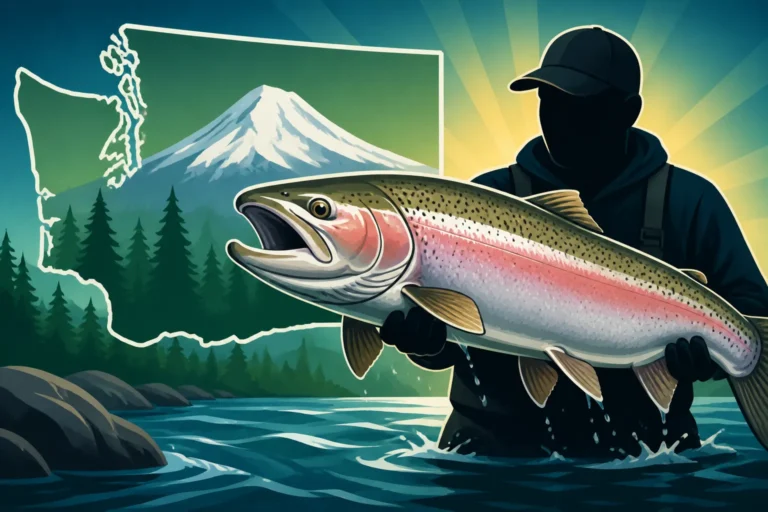
- Steelhead: These sea-run rainbow trout are a major focus, with numerous hatcheries across the state. The goal for hatchery steelhead is often to provide substantial fishing opportunities in rivers where wild steelhead runs are either struggling or protected. This is why many rivers have "hatchery-selective" fisheries where only adipose-fin-clipped steelhead can be retained. The hatchery system helps sustain the passion for pursuing Steelhead: Washington's Ocean-Run Rainbow Trout while reducing impacts on their wild brethren.
- Rainbow Trout: Found in countless lakes and rivers, rainbow trout are probably the most common hatchery-produced fish in Washington. Hatchery programs often raise rainbow trout to "catchable" size (often 8-12 inches) and then release them into lakes and ponds throughout the spring and summer. This ensures accessible fishing for families and beginners, especially in urban areas. These are the fish you might find stocked in your local community pond, providing a fun and easy angling experience. To dive deeper into these, check out Rainbow Trout Fishing in Washington.
- Cutthroat Trout: While some resident cutthroat populations are self-sustaining, certain sea-run cutthroat programs also exist to supplement populations in specific drainages, providing additional opportunities for anglers to target these beautiful, native trout.
In essence, Washington's hatchery brood stock programs are a fundamental part of the state's fisheries management, attempting to bridge the gap between human impact and the natural world, ensuring that our fishing heritage continues for generations to come. When you're out on the water, whether it's on a river or a lake, enjoying the fight of a salmon or trout, take a moment to appreciate the complex system that helps make that experience possible.
Disclaimer
This article is for general informational purposes only and does not constitute professional advice. Laws, prices and regulations vary by location and change over time. Consult a qualified professional for guidance on your specific situation.