Booking a Guide for the Yakima River in Washington
The Yakima River is a legendary fishery in Washington State, but its complex waters, ever-changing conditions, and specific regulations can feel incredibly intimidating for anglers, especially those visiting for the first time or looking to seriously improve their skills. This guide will walk you through everything you need to know about booking a professional fishing guide for the Yakima River, ensuring you have a productive, enjoyable, and educational experience.
Why Hire a Guide for the Yakima River?
Let's be honest, standing on the bank of a river as beautiful and prolific as the Yakima, it's easy to feel overwhelmed. There are so many subtle nuances, from reading the currents to knowing exactly what the fish are keying in on, that trying to figure it all out on your own can eat up precious fishing time. That's where a seasoned Yakima River guide truly shines.
Navigating Complex Water and Regulations
The Yakima River isn't just one big, uniform stretch of water. It flows through various sections, each with its own character, access points, and sometimes, even subtle shifts in regulations. For example, different parts of the river might have varying gear restrictions or specific seasonal closures that aren't immediately obvious to an untrained eye. A local guide lives and breathes this river, understanding not just where to legally put in and take out, but also the best drift boat lines through tricky rapids or wade-fishing spots that avoid private property. They know the subtle changes that happen after a big rain or a significant drop in water levels from upstream dam operations, and how those changes impact fish behavior and accessibility. Without that kind of intimate knowledge, you could spend more time consulting maps and regulations than actually fishing. It’s like having a local map, but one that’s alive and constantly updated. Knowing Washington Fishing Regulations Every Angler Should Know is one thing, but interpreting them on a specific river system is another entirely.
Tapping into Local Expertise and Hotspots
Every great fishing guide has a lifetime of knowledge embedded in their brain, particularly when it comes to their home waters. For a Yakima River guide, this means knowing which runs are holding the biggest wild rainbows during a spring blue-winged olive hatch, or where the bull trout might be lurking on a cooler autumn day. They understand the resident fish populations, their feeding patterns, and where they tend to hold throughout the year. This isn't just about showing you where the "hotspots" are – it's about teaching you why those spots are productive. You'll learn to recognize prime holding water, understand insect hatches as they occur, and gain insights into the river's ecosystem that you simply can't get from a book or a few hours of trial and error. This insider knowledge saves you countless hours of unproductive casting and frustration, putting you directly on fish that match your skill level and target species.
Mastering Techniques Specific to the Yakima
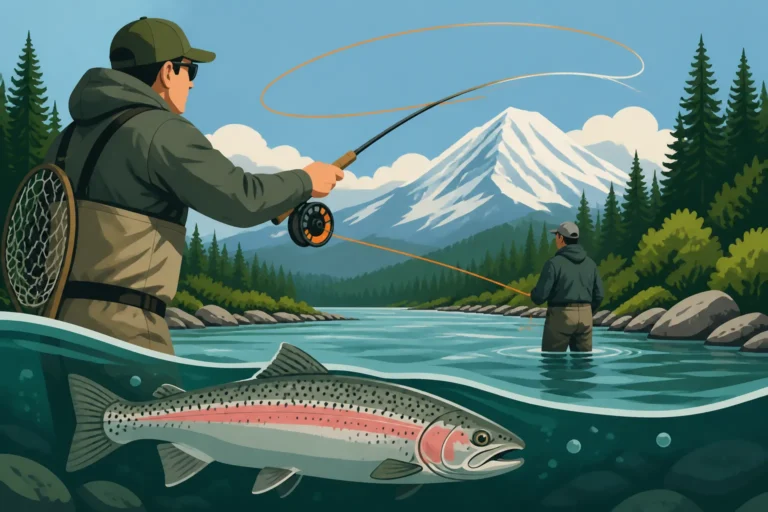
While fly fishing principles are universal, the application of those principles varies wildly from one river to another. The Yakima River, being a classic Western trout stream, demands specific techniques. Think about nymphing – it's often the bread and butter on the Yakima, but getting the right drift, achieving proper depth, and detecting subtle takes can be incredibly challenging. A guide will not only rig your rod perfectly for the conditions but also coach you on your cast, your mends, and your presentation. Perhaps it's learning the nuances of dry fly fishing a specific hatch, or even understanding how to properly present streamers for bigger, aggressive fish. They can break down complex techniques like a professor of fishing, offering real-time feedback and adjustments that accelerate your learning curve exponentially. You might arrive with some basic fly fishing experience, but you'll leave with a significantly refined skillset specifically tailored to rivers like the Yakima. You might even discover the joys of Nymphing for Trout on Washington's Yakima River or Dry Fly Fishing Washington's Rivers in a whole new light.
What Kind of Fishing to Expect on the Yakima with a Guide
The Yakima River offers a diverse and incredibly rewarding fly fishing experience, and a guide will help you fully unlock its potential. While it's primarily known for its wild trout, the river presents different opportunities throughout the year, requiring varied approaches.
The Premier Wild Trout Fishery Experience
The Yakima River is Washington's only Blue Ribbon trout stream, a designation it has earned due to its prolific populations of wild rainbow and cutthroat trout. When you book a guide, you're signing up for an immersive wild trout experience. This isn't about hatchery-planted fish; these are smart, resilient, and often challenging adversaries that demand skill and proper presentation. Your guide will focus on these wild populations, often emphasizing catch-and-release to preserve the fishery. You'll typically be fishing from a drift boat, covering many miles of river, allowing access to pristine stretches that would be difficult or impossible to reach on foot. Expect to encounter hard-fighting rainbows that can range from feisty adolescents to true trophy-sized specimens, particularly in the lower canyon sections. The emphasis is often on the purity of the experience – the beauty of the river, the challenge of the fish, and the joy of a perfectly executed cast. Many anglers come to specifically target these fish, as explored further in Yakima River Fly Fishing for Wild Trout in Washington.
Seasonal Opportunities: From Nymphing to Dry Fly
The Yakima River truly transforms with the seasons, offering a different character and different fishing opportunities almost month by month.
- Spring: As the weather warms and river flows stabilize after snowmelt, spring brings prolific hatches of caddis and blue-winged olives. This is prime time for nymphing, but also offers fantastic dry fly opportunities as fish key into surface activity. Your guide will know precisely which sections are fishing best and what bugs are emerging.
- Summer: Summer is characterized by consistent insect hatches, including golden stones, salmonflies, and various caddis. The river offers incredible dry fly fishing, especially during evening hatches. Guides are adept at finding shaded runs and oxygenated water where trout seek refuge from warmer temperatures, ensuring productive fishing even on hot days.
- Fall: Often considered by many as the "prime" season, fall brings cooler temperatures, lower flows, and aggressive fish preparing for winter. BWO hatches are strong, and streamer fishing can be phenomenal for targeting larger trout. The autumn colors of the canyon add an extra layer of beauty to an already stellar fishing experience.
- Winter: While challenging, winter fishing on the Yakima can be incredibly rewarding for those seeking solitude and the chance at large, lethargic trout. Midge and BWO hatches can still occur on milder days, but deep nymphing with egg patterns and stonefly imitations is usually the most productive. A good guide will know how to find the deeper, slower pools where fish conserve energy and concentrate.
Your guide will interpret these seasonal shifts to put you on the best possible fishing.
Gear and Approaches Your Guide Will Provide
One of the great advantages of booking a guided trip is that most of the specialized gear is provided. You won't need to invest in a drift boat, a quiver of specialized rods, or an endless array of flies to match every potential hatch.
- Rods and Reels: Guides typically provide high-quality fly rods and reels, usually in weights ranging from 4-weight for delicate dry fly presentations to 6-weight for nymphing and streamer fishing. They'll have them rigged and ready to go, perfectly balanced for the day's conditions and target species.
- Flies and Leaders: Your guide's fly box is a treasure trove of locally effective patterns, honed over years of trial and error. They'll select the right nymphs, dry flies, or streamers for the current hatch and water conditions, and tie on fresh leaders and tippets throughout the day. This saves you the headache (and cost) of trying to guess what flies to bring.
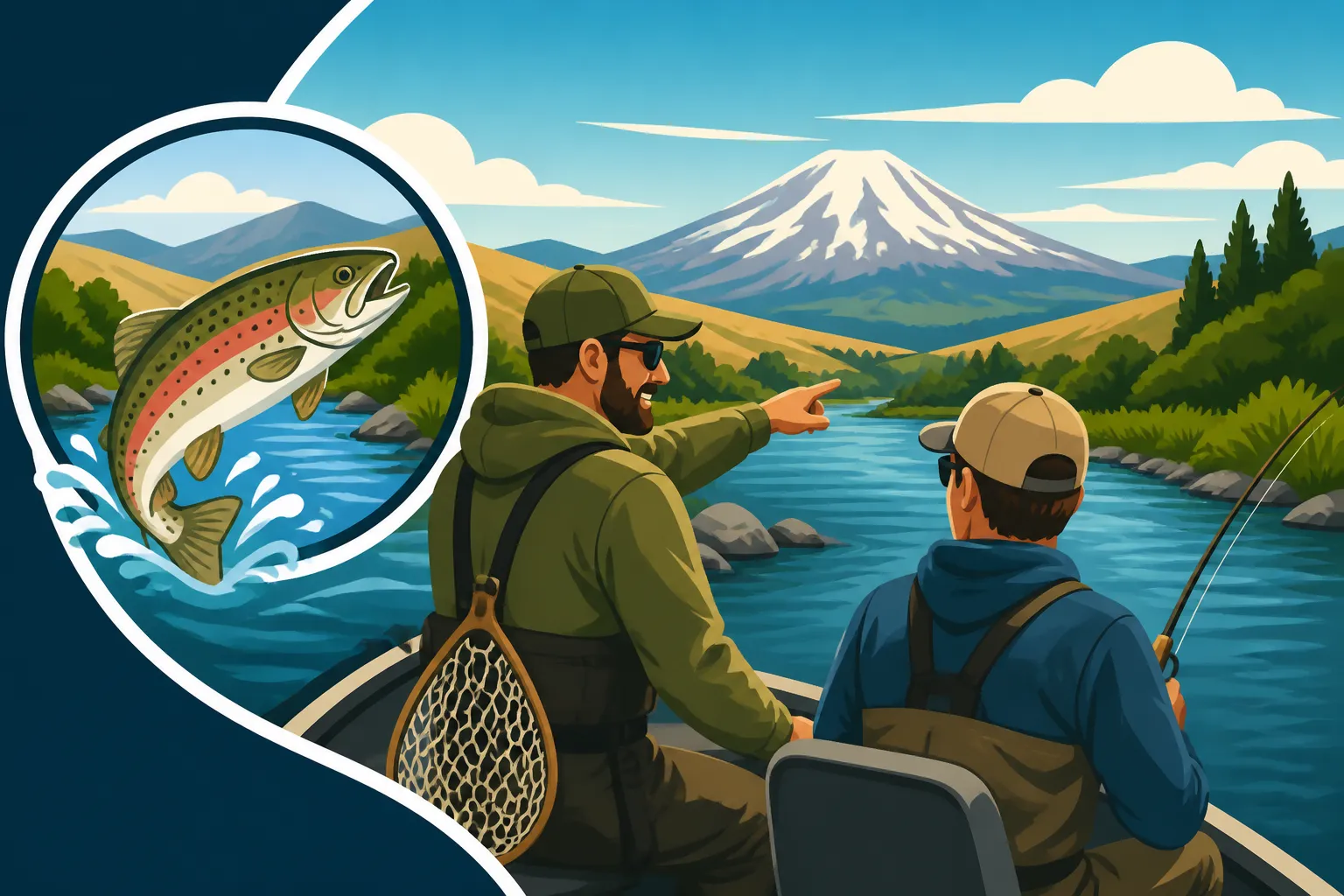
- Drift Boat: The primary mode of transport on the Yakima will be a McKenzie-style drift boat. These boats are designed for navigating rivers safely and efficiently, allowing you to cover significant stretches of water comfortably while remaining in optimal casting positions. The guide rows, allowing you to focus purely on fishing.
- Safety Gear: Guides are professional boatmen and are equipped with all necessary safety gear, including PFDs (personal flotation devices), first-aid kits, and emergency communication devices. They are experienced in river navigation and safety protocols, putting your mind at ease. You'll learn that What to Bring on a Washington Fishing Charter generally doesn't include the heavy-duty gear!
Choosing the Right Yakima River Fishing Guide
With many excellent guides operating on the Yakima River, selecting the right one can feel a bit like sifting through a tackle box full of shiny new lures. It's about finding the best fit for your specific fishing goals and personality.
Experience and Specialization: Trout vs. Other Species
The Yakima River is primarily a trout fishery, but even within "trout," there are nuances. Some guides might specialize in technical dry fly fishing, others might be masters of deep nymphing, and a few might even target species like smallmouth bass in certain river sections during warmer months, though this is less common on the "Blue Ribbon" stretches. When researching guides, look at their bios, client testimonials, and even their social media posts. Do they consistently post pictures of the type of fish you want to catch using the methods you're interested in learning? A guide with decades of experience on the Yakima will have seen every water condition, every hatch, and every temperamental fish. They'll also be deeply connected to the river's conservation, understanding the delicate balance of the ecosystem. It's perfectly okay to ask a guide directly about their specialties and what kind of trip they enjoy leading most. Websites like FishingBooker often provide detailed profiles where guides list their specialties and preferred techniques, making it easier to compare and select one that aligns with your vision for the trip.
Guide Credentials and Safety First
When you step into a guide's drift boat, you're entrusting them with your safety and your fishing experience. Therefore, verifying their credentials is paramount.
- Licensing: All professional fishing guides in Washington State should be properly licensed by the appropriate state and federal agencies. This includes a valid WDFW (Washington Department of Fish and Wildlife) guide license.
- First Aid/CPR: A guide should ideally be certified in first aid and CPR. While you hope to never need it, knowing they are prepared for emergencies is reassuring.
- Insurance: Reputable guides carry liability insurance. Don't hesitate to ask if they are insured.
- Boat Safety: For drift boat trips, the guide should be highly experienced in river navigation, understand current conditions, and always prioritize safety. They should have all necessary safety equipment on board, including PFDs for all passengers.
You can often find this information on a guide's website or booking platform. If not, it's a perfectly reasonable question to ask during your initial inquiry. Knowing How to Vet a Washington Fishing Guide can give you peace of mind.
Personality Match and Communication Style
Fishing with a guide is a very personal experience. You'll be spending several hours, often in close quarters, with this person. Their personality and communication style can make or break your trip.
- Teaching vs. Catching: Do you want a guide who acts more like a patient instructor, breaking down casting mechanics and explaining entomology? Or are you mainly focused on maximizing your fish count, with less emphasis on the "how-to"? Some guides are natural teachers, while others are more focused on simply putting you on fish.
- Patience and Enthusiasm: A good guide should be patient, especially with beginners, and enthusiastic about sharing their knowledge and passion for the river. They should be able to adapt their approach to your skill level and energy.
- Communication: Pay attention to how they communicate during the booking process. Are they prompt, clear, and helpful? This often reflects how they'll interact with you on the water. A quick phone call before booking can often give you a good feel for their personality. Remember, you're not just hiring a boatman; you're hiring an outdoor companion for the day.
Planning Your Guided Yakima River Trip
Once you've decided a guided trip is for you and have a few potential guides in mind, it's time to iron out the details. Thoughtful planning can make all the difference between a good trip and a truly memorable one.
Understanding Costs and What's Included
The cost of a guided Yakima River trip can vary based on the length of the trip (half-day vs. full-day), the number of anglers, and the guide's experience level. Generally, a full-day trip will be more cost-effective per hour and offer a more comprehensive experience.
- What's Typically Included: Most reputable guides will include the drift boat, all necessary fishing tackle (rods, reels, lines, leaders, and flies), and often a streamside lunch and non-alcoholic beverages for full-day trips. They'll also provide expertise, instruction, and safe transportation on the river.
- What's Not Included (and often overlooked): What's often not included are your Washington fishing license and any required endorsements, waders and wading boots (though some guides might offer rentals), appropriate clothing, and gratuities for the guide. Always clarify these points when booking. Never assume something is included unless explicitly stated. You'll want to make sure you have your Where and How to Buy a Washington Fishing License sorted out well in advance. Keep in mind that What a Washington Guided Fishing Trip Costs can vary, so comparing quotes is wise.
Best Times to Book and Seasonal Considerations
The Yakima River is a four-season fishery, but certain times of the year are more popular than others, and booking windows reflect that.
- Peak Season (Summer/Fall): Summer and fall are incredibly popular, particularly for dry fly fishing and the chance at larger, aggressive trout. Guides often book up months in advance for these periods. If you have specific dates in mind, especially for weekend trips, plan to book 3-6 months ahead.
- Shoulder Seasons (Spring/Early Winter): Spring can be fantastic with excellent hatches, and early winter offers solitude. These seasons might offer more flexibility in booking, but popular guides can still fill up quickly. Booking 1-3 months out is usually sufficient.
- Off-Season (Mid-Winter): If you're hardy and love a challenge, winter can be great. You'll find the most availability for guides, often with shorter booking lead times.
Always communicate your target species or preferred fishing method when booking, as this might influence the guide's recommendation for the best time to fish. A good guide will be honest about what conditions to expect during your chosen dates.
What You Need to Bring (and What Your Guide Provides)
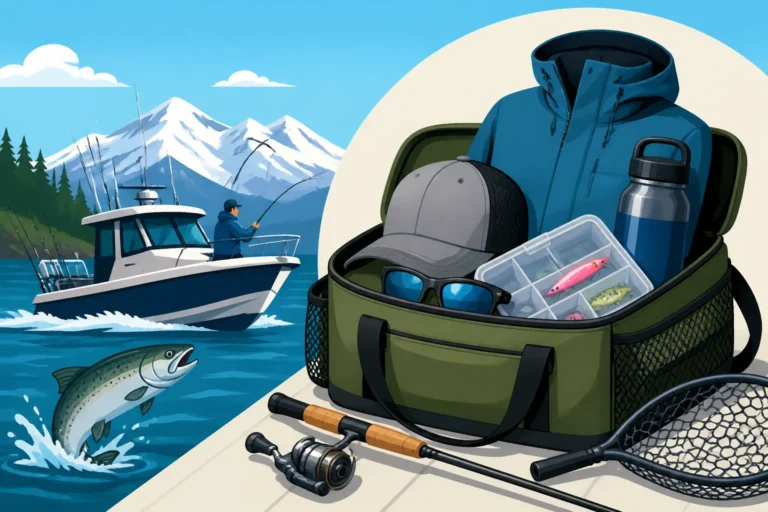
While your guide provides the essential fishing gear, there are a few personal items you'll be responsible for that are crucial for a comfortable and enjoyable day on the water.
- Fishing License: This is non-negotiable. You must have a valid Washington freshwater fishing license.
- Appropriate Clothing: Dress in layers! Washington weather can change quickly. Even on warm days, mornings can be chilly. Bring rain gear, even if the forecast looks clear. Sun protection (hat, sunglasses, sunscreen) is also vital.
- Waders and Wading Boots: If you plan on doing any wading (which is often part of a drift boat trip), you'll need your own. Some guides may have loaners or rental options, but confirm this beforehand.
- Personal Items: A small backpack for snacks (beyond what the guide provides), a camera, any personal medications, and a reusable water bottle.
- Cash for Gratuity: Don't forget this! We'll talk more about it below, but having cash ready is always appreciated.
Your guide will usually send a detailed list of what to bring once you've booked. Pay close attention to it!
Maximizing Your Guided Experience
Booking a guide is an investment, and like any investment, you want to get the best possible return. A little preparation and good communication can ensure your Yakima River adventure exceeds your expectations.
Communication Before and During Your Trip
Effective communication is the cornerstone of a successful guided trip.
- Before the Trip: Don't be afraid to ask questions. Discuss your experience level, what you hope to achieve (e.g., "I really want to catch a fish on a dry fly," or "I want to improve my roll cast"), and any physical limitations you might have. Clarify meeting times, locations, and what's included in the price. The more information your guide has about your expectations, the better they can tailor the day.
- During the Trip: Be honest with your guide. If you're getting tired, cold, or frustrated, speak up. If you're not understanding an instruction, ask for clarification. Guides are there to help you, but they can't read your mind. Similarly, be open to their suggestions, even if it's a technique you haven't tried before. They're seeing the water and the fish, and their advice is based on years of experience. A quick check-in before heading out can solve many potential issues.
Tipping Etiquette and Showing Appreciation
Tipping your guide is standard practice and a significant part of their income. It's a way to acknowledge their hard work, expertise, and the effort they put into making your day enjoyable and successful.
- General Guideline: The industry standard for a good fishing guide is typically 15-20% of the trip's cost. If the guide went above and beyond, provided exceptional instruction, or overcame challenging conditions to put you on fish, consider tipping at the higher end.
- When to Tip: It's customary to tip at the end of the day, usually in cash. Hand it to them directly.
- Beyond the Tip: A sincere thank you, a positive review on platforms like FishingBooker or their personal website, or even recommending them to friends are all excellent ways to show appreciation that can go a long way for a guide's business. Remember, a guide's reputation is their livelihood. Don't forget to factor this into your budget when considering Tipping Etiquette for Washington Fishing Guides.
Learning and Applying New Skills Post-Trip
A guided trip should be more than just a day of catching fish; it should be an educational experience. Pay attention not just to where the guide is having you cast, but why.
- Ask Questions: Inquire about fly choice, leader setup, reading the water, and how they anticipate fish behavior. Ask for specific feedback on your casting or presentation.
- Take Mental Notes: Observe how your guide handles the boat, approaches different types of water, and communicates. These are valuable lessons you can apply to your own fishing.
- Practice: The skills you learn on the Yakima won't stick if you don't practice them. Take what your guide taught you and apply it to your next solo outing, whether on the Yakima or another river. The goal isn't just to catch fish with a guide, but to become a better, more independent angler because of the experience. Think of it as investing in your long-term fishing success.
| Aspect | Self-Guided Trip on Yakima | Guided Trip on Yakima |
|---|---|---|
| River Knowledge | Relies on personal research, trial & error, publicly available info | Deep, current, localized expertise on conditions, spots, techniques |
| Gear Provided | Must own or rent all gear (boat, rods, flies, etc.) | All specialized fishing gear (rods, reels, flies, boat) provided |
| Navigation & Safety | Your responsibility for planning, safety, permits | Guide handles all navigation, safety, and permits |
| Instruction | Self-taught or learned from companions | Direct, personalized coaching and real-time feedback |
| Catch Potential | Variable, depends on experience and luck | Significantly higher due to guide's expertise and access |
| Effort Required | High (planning, scouting, rowing, rigging) | Low (focus purely on fishing and learning) |
| Cost | Upfront gear investment, trip expenses | Per-day fee, includes all essential services and equipment |
| Access to Water | Limited to bank access or private boat access points | Extensive access to prime water via drift boat |
Disclaimer
This article is for general informational purposes only and does not constitute professional advice. Laws, prices and regulations vary by location and change over time. Consult a qualified professional for guidance on your specific situation.